East Africa is a geological masterpiece, a landscape sculpted by the violent and creative forces of tectonic activity. From the snow-capped equatorial peaks of Tanzania to the verdant, mist-shrouded slopes of Rwanda’s volcanic range, the region stands as a premier global destination for ecotourism. As modern travelers pivot toward sustainable, nature-based experiences, East Africa has emerged as the definitive frontier for those seeking to immerse themselves in wild, untamed environments while contributing to the conservation of fragile ecosystems and the empowerment of local communities.
The Geological Foundations: A Land of Fire and Life
The Great Rift Valley serves as the backbone of East African geography, fostering an unparalleled concentration of volcanic features. These mountains are not merely topographical landmarks; they are biodiversity hotspots. Tanzania, in particular, anchors this experience with iconic giants like Mount Kilimanjaro and Mount Meru.
Beyond these, the Eastern Arc Mountains and the active, awe-inspiring Oldonyo Lengai—the "Mountain of God"—provide a diverse range of trekking terrains. These volcanic landscapes are the cornerstone of the regional ecotourism strategy, offering visitors a chance to witness the Earth’s inner forces at work while traversing some of the most ecologically significant regions on the planet.
The Ngorongoro Highlands: A Pre-Climb Sanctuary
The Ngorongoro Conservation Area is perhaps the most refined example of volcanic ecotourism. Beyond the world-famous crater floor, the surrounding highlands offer a network of geological wonders including the Olmoti and Empakai craters.
For mountaineers, these highlands serve a dual purpose: they are spectacular destinations for walking safaris and nature trekking, and they are essential for physiological acclimatization. Engaging in multi-day treks through the highlands allows hikers to prepare their bodies for the rigors of high-altitude climbing on Mount Kilimanjaro, ensuring a higher success rate for the summit attempt while offering an intimate look at the local Rift Valley flora and fauna.
Chronology of the East African Safari Experience
The evolution of the African safari has moved away from the extractive "big game hunting" models of the past century toward a sophisticated, multi-day immersive itinerary. A typical contemporary eco-safari, often ranging from 8 to 14 days, is structured to provide a comprehensive engagement with the environment.
- Days 1–3: The Foothills and Cultural Immersion. Travelers often begin in the Ngorongoro Highlands or the base of Mount Meru. This phase prioritizes acclimation and cultural interaction with local Maasai communities, providing an authentic look at traditional pastoral life.
- Days 4–9: The High-Altitude Challenge. This period is dedicated to the primary objective: a guided ascent of Mount Kilimanjaro or Mount Kenya. Using routes such as the Lemosho track, trekkers experience diverse ecological zones, from dense rainforests to alpine deserts.
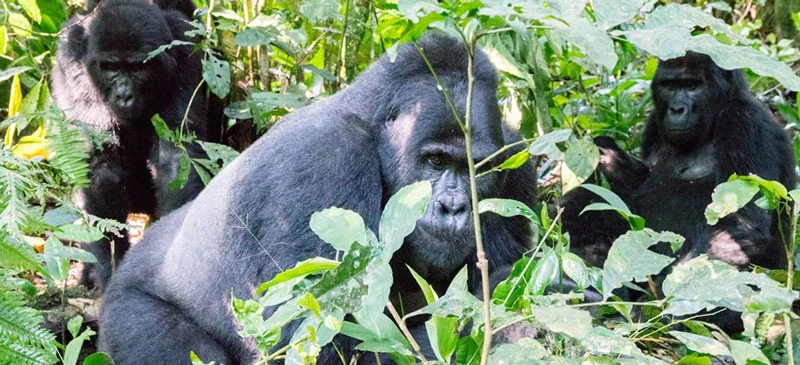
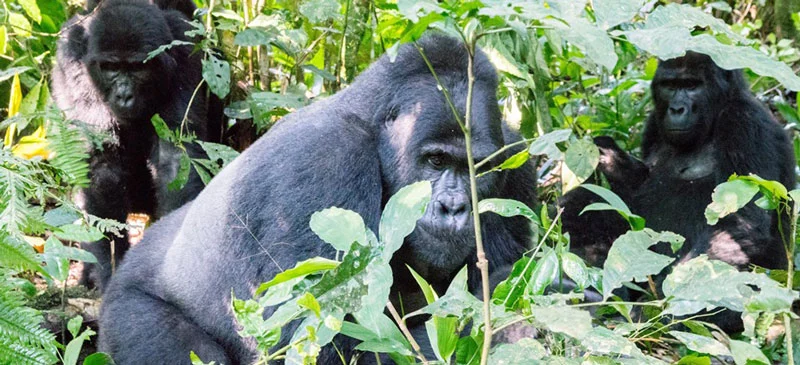
- Days 10–14: The Wildlife Climax. The final phase of the journey transitions to the plains of the Serengeti or the primate-rich forests of Rwanda. Here, the focus shifts to the "Big Five" (lion, leopard, rhino, elephant, and buffalo) and the intimate, life-changing experience of mountain gorilla trekking.
Supporting Data: Why Ecotourism Matters
Ecotourism is defined by more than just "nature-based" travel; it is a commitment to responsible movement. According to international standards, true ecotourism must involve:
- Minimizing Impact: Using eco-lodges and tented camps that utilize solar energy and water-recycling systems.
- Conservation Awareness: Directing portions of travel fees toward anti-poaching initiatives and habitat restoration.
- Local Empowerment: Ensuring that economic benefits reach indigenous populations, such as the Maasai, through fair-wage employment and community-owned tourism projects.
Data from the Kilimanjaro Tanzanite Safaris DMC underscores that travelers who opt for integrated, long-duration packages (10+ days) contribute significantly more to the local economy than those on short-stay transit tours. By combining a Kilimanjaro expedition with a southern circuit safari in the Udzungwa Mountains, or a primate trek in Rwanda, visitors ensure their tourism dollars support a wider breadth of conservation projects across different national parks.
Official Perspectives and Expert Guidance
Industry experts and international travel authorities emphasize that the synergy between Tanzania’s wildlife reserves and Rwanda’s primate sanctuaries creates the "ultimate" African travel experience.
"The combination of the vast Serengeti plains and the intimate, soulful experience of tracking gorillas in Volcanoes National Park is unrivaled," says a senior coordinator at Kilimanjaro Tanzanite Safaris. "It provides a holistic view of African biodiversity—from the predator-prey dynamics of the savanna to the fragile social structures of our closest primate relatives."
For those interested in the logistical nuances of primate trekking, publications like Travel and Leisure offer essential guidance. They highlight that gorilla tracking is a highly regulated activity; permits are limited, and the presence of human visitors is strictly controlled to protect the gorillas from zoonotic diseases. This regulation is a hallmark of successful ecotourism: the prioritization of animal welfare over mass-market accessibility.
Implications: The Future of Responsible Travel
The rise of the "conscious traveler" is reshaping the East African tourism landscape. There is a growing demand for transparency in how travel packages are constructed. Travelers are no longer satisfied with mere sightseeing; they seek "transformational" experiences.
The Economic Impact
By choosing to stay in high-quality eco-lodges and utilizing local Destination Management Companies (DMCs), travelers effectively bypass the "leakage" of funds common in international tourism, where money often leaves the host country. Instead, these funds are reinvested into local communities, providing schools, clinics, and clean water infrastructure—a vital component of the Maasai Boma visits in the Ngorongoro region.
The Environmental Challenge
Climate change presents a clear and present danger to the glaciers of Mount Kilimanjaro and the highland forests that support gorilla populations. Consequently, the ecotourism sector is becoming an active participant in environmental advocacy. Every trek to the ice fields or hike through the Udzungwa Mountains serves as a form of environmental monitoring. As these areas gain status as global tourism treasures, the political and economic incentive to protect them from deforestation and climate degradation grows stronger.
Conclusion: Crafting Your Journey
Whether it is the rigorous 8-day Lemosho route on Mount Kilimanjaro, a 4-day intensive primate tour in Rwanda’s Volcanoes National Park, or a sprawling 14-day safari covering the Serengeti migration and southern chimpanzee trekking, the key to a successful East African adventure lies in the balance of exploration and responsibility.
As you plan your journey, consider the depth of the experience. A trip that includes the Kigali Genocide Memorial alongside golden monkey tracking provides a profound understanding of Rwanda’s resilience and its commitment to conservation. Similarly, combining a northern Tanzania safari with a southern trek in the Udzungwa Mountains offers a view of the country’s ecological diversity that is often missed by the average traveler.
In the final analysis, East Africa’s volcanic landscape is a living, breathing testament to the planet’s resilience. By participating in these curated, responsible travel experiences, visitors do more than just observe the wonder—they become active participants in the preservation of the world’s most precious wildernesses for generations to come.
For those ready to embark on their own East African odyssey, specialized operators like Kilimanjaro Tanzanite Safaris provide the logistical framework—from permit acquisition for gorilla tracking to the selection of low-impact, high-comfort eco-lodges—ensuring that your trip is as seamless as it is sustainable.