Executive Summary: A Unified Voice for Sustainable Travel
The global travel landscape is undergoing a profound transformation, moving away from mass-market volume toward a more conscious, environmentally responsible model. According to a landmark survey conducted by The International Ecotourism Society (TIES), the consensus among global professionals is clear: ecotourism is no longer a niche interest; it is a rapidly expanding pillar of the international travel economy.
With 971 viable responses spanning 91 countries across every continent, the 2019 TIES survey serves as a vital barometer for the industry. The data reveals a sector characterized by optimism, a demand for multilingual inclusivity, and a pressing need for educational frameworks to combat the systemic challenges of overtourism and climate change.
Chronology: The Journey to a Global Dataset
The initiative began as an outreach effort in the TIES newsletter, designed to capture the "lived experience" of tourism professionals in an era of unprecedented environmental awareness. The data collection phase was designed to be inclusive, reaching far beyond the traditional Western hubs of tourism.
- Initial Outreach: TIES distributed the survey to its international membership base and professional network, seeking to gauge perceptions of current market trends.
- The Global Response: By the close of the survey, 971 professionals had contributed. While the United States provided the highest volume of feedback, the geographic diversity was remarkable. Responses were received from regions as varied as Sudan, the Palestinian territories, Bhutan, Montenegro, Cote d’Ivoire, and Iran.
- Analysis Phase: Following the data collection, TIES staff categorized industry segments. While 90% of respondents identified easily with the provided categories, the survey revealed a growing trend toward "multidisciplinary roles," with many respondents suggesting that future surveys allow for multiple industry segment classifications.
- Synthesis: The findings were aggregated and correlated with broader industry research, including data from travel giants like Booking.com, to confirm that the trends identified by TIES members mirrored the wider global shift toward sustainable travel practices.
Supporting Data: Mapping the Ecotourism Landscape
The survey results provide a granular look at who is driving the ecotourism movement and how they perceive its velocity.
Industry Demographics
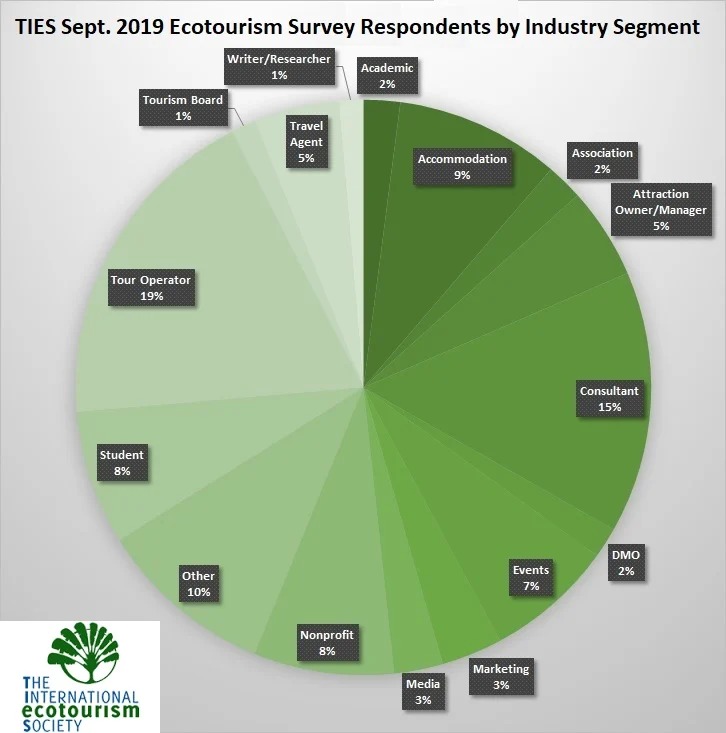
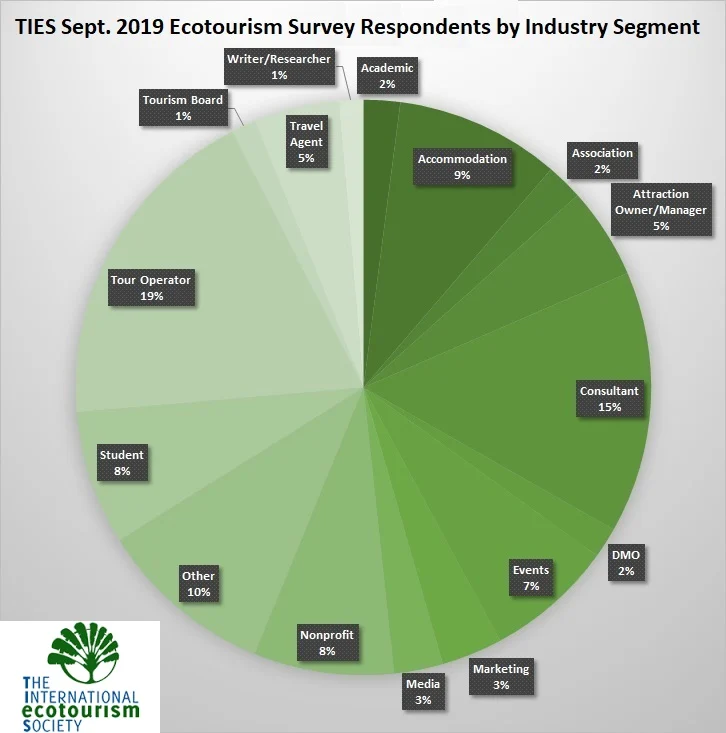
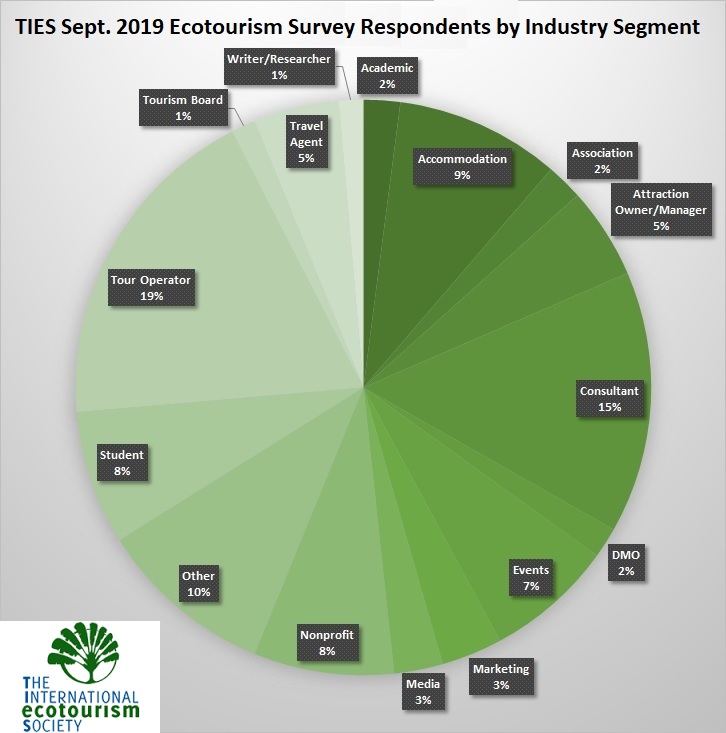
The survey successfully captured a wide cross-section of the industry, ranging from tour operators and consultants to destination managers. A notable finding was the under-representation of academic voices. Despite academics representing a significant portion of the TIES membership, their response rate was lower than anticipated. This gap highlights a potential opportunity for TIES to bridge the divide between theoretical research and ground-level implementation in future initiatives.
The Growth Trajectory
Perhaps the most definitive finding from the survey was the overwhelming consensus on market expansion. When asked about the growth of the ecotourism sector, the sentiment was nearly unanimous:

- Exponential Growth: An overwhelming majority of respondents reported that ecotourism is growing rapidly.
- Statistical Significance: Out of 971 responses, a mere four individuals (less than 0.5%) believed the sector was slowing down.
This data aligns with broader industry studies suggesting that travelers are increasingly prioritizing carbon footprints, community impact, and conservation when selecting destinations.
Official Responses and Strategic Shifts
The TIES leadership team has reviewed the feedback and identified several key areas where the organization must pivot to meet the evolving needs of its community.
The Call for Linguistic Diversity
One of the most actionable insights was the demand for multilingual resources. Respondents identified Spanish as the primary language for expansion, citing the robust and growing ecotourism sector within Spanish-speaking nations. French and Mandarin were also prioritized.
In response, TIES has committed to a phased rollout of Spanish-language support across its website and editorial content. This is viewed as a foundational step that will create the architecture necessary to support other languages in the future, ensuring that the principles of ecotourism are communicated in the native tongues of those practicing it on the ground.
Reframing TIES’ Strategic Focus
When asked to rank the initiatives that TIES should prioritize, the responses provided a clear mandate for the organization’s future:
- Education (41%): The clear frontrunner. Professionals want TIES to act as a hub for knowledge transfer, skill-building, and training.
- Conservation & Climate Partnerships (18%): A recognition that the industry must be a proactive defender of the environments it relies upon.
- Ecodestination Development (14%): A desire for structured, country-by-country guides that highlight sustainable offerings.
- Publications (11%) and Social Media (9%).
Interestingly, administrative functions such as "increasing membership" or "UN partnerships" ranked low on the priority list. This suggests that the TIES community values tangible, field-focused support over bureaucratic expansion. In light of this, TIES has already begun outreach to academic and educational partners to develop new curricula and training programs to be unveiled in the coming months.
Implications: Navigating the Challenges Ahead
While the mood is optimistic, the survey results provide a sobering look at the obstacles currently facing the sector. Respondents were candid about the "growing pains" of an industry transitioning into the mainstream.
The Triple Threat: Greed, Regulation, and Overtourism
Participants identified several critical friction points that threaten the integrity of ecotourism:
- Market Dilution: "Greed" and "lack of knowledge" were frequently cited, pointing to the risk of "greenwashing," where traditional operators rebrand as "eco" without making substantive operational changes.
- Structural Barriers: Financing and permitting were highlighted as significant hurdles, particularly for small-to-medium enterprises trying to implement sustainable infrastructure in developing regions.
- The "Booking" Problem: A major finding was the lack of reliable platforms for travelers to book ecotourism services fairly. The current digital ecosystem often favors mass-market providers, making it difficult for verified sustainable operators to reach their target audience.
The Road to Resilience
Despite these challenges, the survey paints a picture of a resilient, mission-driven community. The consensus is that ecotourism is not just a trend, but a vital "better way to travel." By focusing on education and clear, accessible information, the industry can mitigate the risks of overdevelopment and ensure that the growth of tourism remains a net positive for biodiversity and local cultures.
Conclusion: A New Era of Responsibility
The 2019 TIES survey marks a turning point in the professionalization of ecotourism. The transition from a peripheral interest to a core industry concern brings with it a higher degree of accountability.
For TIES, the path forward is clearly defined by the membership: focus on education, expand linguistic reach, and provide the tools necessary to solve real-world problems like climate change and overtourism. As the organization moves into its next phase, the commitment to its global network remains the guiding star. By listening to the 971 voices that contributed to this study, TIES is better positioned than ever to help the travel industry navigate the complexities of the 21st century while ensuring that the world’s most precious destinations remain preserved for generations to come.
For more information on the initiatives mentioned in this report and to follow our progress, visit The International Ecotourism Society.