Tanzania, a jewel of East Africa, stands as a testament to the power of nature and the vital importance of conservation. As global travelers increasingly shift their focus toward responsible tourism, Tanzania’s diverse ecosystems—ranging from the iconic savannahs of the Serengeti to the rugged peaks of Mount Kilimanjaro—have positioned the nation as a premier destination for those seeking a profound connection with the wild.
For the modern traveler, a journey through Tanzania is no longer just about witnessing the "Big Five"; it is about engaging with a philosophy of travel that honors local communities, preserves biodiversity, and leaves a minimal ecological footprint. This guide explores the strategic, logistical, and ethical considerations for planning an immersive Tanzanian safari, with a focus on the burgeoning Southern Circuit and the legendary Northern trails.
The Rise of the Southern Circuit: An Unspoiled Frontier
While the Northern Circuit often dominates the international spotlight, the Southern Circuit of Tanzania is rapidly emerging as the gold standard for ecotourism enthusiasts. This region offers a more intimate, secluded experience, far removed from the bustling crowds of more commercialized routes.
Key Destinations in the Southern Circuit
The appeal of the Southern Circuit lies in its raw, expansive wilderness. Key highlights include:
- Nyerere National Park (formerly Selous): As one of the largest protected wildlife areas in Africa, Nyerere provides a sanctuary for vast populations of elephants, hippos, and the elusive African wild dog. Its designation as a UNESCO World Heritage site underscores its ecological significance.
- Ruaha National Park: Known for its dramatic landscapes and high predator density, Ruaha is a haven for those seeking a rugged, authentic safari experience.
- Mikumi and Udzungwa: These parks offer a unique blend of savannah wildlife and dense, biodiversity-rich mountain forests. Udzungwa, in particular, is a paradise for hikers, offering trails that reveal rare primate species and endemic flora.
- The TAZARA Railway Route: Beyond the parks, the rail journey itself offers a sustainable, scenic, and nostalgic way to traverse the Tanzanian interior, minimizing the carbon footprint associated with internal regional flights.
Chronology of an Ideal Ecotourism Expedition
Planning a responsible safari requires a structured approach to ensure the itinerary is both sustainable and comprehensive.
Phase 1: The Planning Horizon (6–12 Months Out)
Early planning is essential to ensure that you are securing accommodations that prioritize conservation. Whether choosing a 10-day southern circuit exploration or a broader 16-day cross-country tour, the focus should be on "Eco-Lodges." These establishments are typically constructed using sustainable materials and operate on renewable energy, ensuring that your stay directly supports the local economy.
Phase 2: The Arrival and Initial Acclimatization
Upon arrival, the first two days are best spent in the Arusha region or near the entry points of your chosen circuit. This allows for environmental acclimatization and briefing sessions with local experts who provide context on the local wildlife, cultural etiquette, and safety protocols.
Phase 3: The Deep Dive (Days 3–12)
This period is dedicated to the core safari experience. In the Southern Circuit, this involves game drives, walking safaris (led by certified guides), and boat safaris on the Rufiji River. In the Northern Circuit, this phase often includes the Serengeti and the Ngorongoro Highlands, where the focus shifts toward the Great Migration and ancient volcanic topography.
Phase 4: Departure and Reflection
The final stage of the trip involves feedback and evaluation, ensuring that travelers leave with a better understanding of the conservation challenges facing the region, such as anti-poaching initiatives and human-wildlife conflict mitigation.
Supporting Data: Why Ecotourism Matters
The economic impact of ecotourism in Tanzania cannot be overstated. According to regional tourism data, sustainable travel models have been instrumental in:
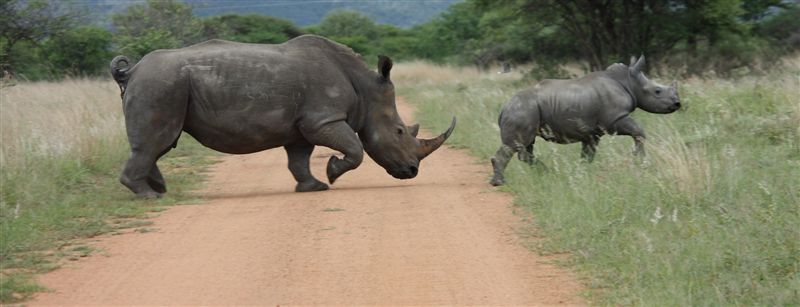
- Direct Employment: Providing stable, long-term careers for local guides, rangers, and hospitality staff.
- Wildlife Protection: Redirecting tourism revenue into the Tanzania National Parks Authority (TANAPA) to fund anti-poaching units and habitat restoration.
- Community Development: Supporting local schools and healthcare initiatives through "Community Benefit" programs integrated into many eco-lodge packages.
For those planning a trip, the financial accessibility of the Southern Circuit is a major benefit. Because it is less frequented, the overhead for lodges and services remains highly competitive, allowing for a luxurious experience at a fraction of the cost of high-density northern hubs.
Expert Perspectives: Kilimanjaro Tanzanite Safaris DMC
To understand the logistics of a successful expedition, we turn to the insights provided by Kilimanjaro Tanzanite Safaris DMC, a leader in the Tanzanian travel sector.
Technical Excellence in Safari Logistics
A professional tour operator does not merely provide transportation; they provide a mobile observation platform. Modern, eco-conscious operators have moved toward the latest versions of the Toyota Land Cruiser, specifically engineered for the terrain. These vehicles, equipped with pop-up or open-roof configurations, are essential for photographers and filmmakers who require stability and clear, unobstructed views.
Official Guidelines for Responsible Travel
The experts emphasize three pillars for a "Genuine Responsible Travel Holiday":
- Timing: Selecting the dry season for safaris ensures better game viewing around water holes, while the wet season is ideal for birding and lush photography, though it requires specialized gear.
- Ethical Photography: Filmmakers are urged to respect wildlife boundaries. Professional operators facilitate "silent" approaches to ensure that the animals’ behavior remains natural.
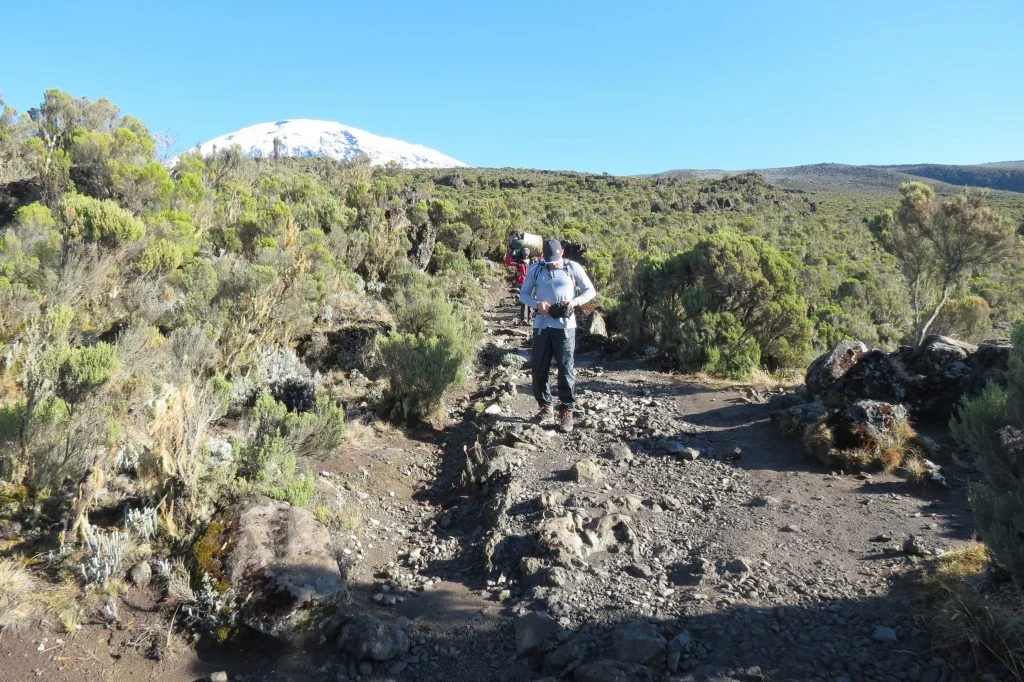
- Trekking Integrity: For those climbing Kilimanjaro, the choice of route (e.g., Lemosho or Shira) is not just about the view—it is about the path’s ability to handle human traffic without degrading the mountain’s fragile alpine ecosystem.
Implications: The Future of Tanzanian Conservation
The intersection of tourism and conservation is a delicate balance. As Tanzania continues to open its gates to the world, the implications of mass tourism pose a risk to the very environments that attract visitors.
Managing Human-Wildlife Conflict
One of the most pressing issues is the encroachment of human activity into wildlife corridors. Sustainable tour operators are now working in tandem with the government to ensure that tourism revenue is visible to local communities. When communities see the direct benefit of tourism—such as improved infrastructure or livestock protection—they become the most effective guardians of the land.
The Shift Toward "Slow Travel"
The industry is seeing a transition away from the "checklist" style of tourism—where travelers attempt to see too much in too little time—toward "slow travel." A 16-day combo package, which integrates the Northern and Southern circuits, allows for a deeper, more meaningful engagement with the landscape. It reduces the need for frequent, high-emission regional flights and allows the traveler to immerse themselves in the local culture of regions like the Enduimet wildlife area or the Ngorongoro highlands.
Final Considerations for the Aspiring Traveler
As you finalize your plans, remember that the quality of your experience is intrinsically linked to the quality of your preparation.
- The Packing List: Always prioritize gear that is lightweight, modular, and environmentally friendly. Avoid single-use plastics entirely; instead, invest in high-quality filtration systems that allow you to reuse bottles.
- Training: For those undertaking the Kilimanjaro trek, physical preparation is only half the battle. Acclimatization protocols are non-negotiable. Always consult with your operator regarding the recommended safety standards and the importance of a slow, steady ascent.
- The Power of Choice: Your choice of operator is your most significant vote for the future of Tanzania. By selecting firms that are committed to the values of the Tanzania Ecotourism Society, you are actively contributing to the preservation of these lands for generations to come.
Tanzania is a land of profound beauty and immense challenge. It invites you not just to observe, but to participate in the ongoing story of its survival. Whether you are traversing the plains of the Serengeti, trekking the slopes of Kilimanjaro, or exploring the quiet corners of the Southern Circuit, your journey can—and should—be a force for good.
For those ready to begin their journey, the resources available through reputable destination management companies offer the perfect starting point to bridge the gap between dream and reality. Plan thoughtfully, travel responsibly, and let the wonders of Tanzania change the way you see the world.