For adventurers, photographers, and nature enthusiasts, Mount Kilimanjaro is more than a mountain; it is a pilgrimage. Standing as the highest free-standing peak in the world, this volcanic giant in Tanzania offers a journey through five distinct climatic zones, from lush tropical rainforests to the desolate, glaciated Arctic summit. Among the various paths to the "Roof of Africa," the Lemosho route has emerged as the gold standard for those seeking a balance between rugged adventure, scenic splendor, and high summit success rates.
The Allure of the Lemosho Route: A Strategic Advantage
The Lemosho route is widely regarded by professional mountain guides and veteran trekkers as the superior choice for those prioritizing the "ecotourism experience." Unlike the more heavily trafficked routes, such as the Marangu or Machame, Lemosho offers a quieter, more pristine atmosphere, allowing trekkers to immerse themselves in the raw, untouched beauty of Kilimanjaro’s western flank.
The route is characterized by its dramatic approach, which begins in the lush, verdant forests of Londorosi. By choosing this path, climbers are treated to a diverse landscape that provides the perfect backdrop for wildlife spotting and photographic safaris. Furthermore, the route’s gradual elevation profile is its most significant tactical advantage. Because the Lemosho trail allows for a more measured ascent, it provides the body with the time it needs to acclimatize, which is the single most critical factor in overcoming altitude-related challenges.
While a seven-day itinerary is possible, industry experts—including those at Kilimanjaro Tanzanite Safaris—strongly recommend the eight-day adventure. This additional day is not merely a luxury; it is a strategic investment in summit success. By incorporating an extra night at Karanga Camp, climbers significantly reduce the risk of altitude sickness, ensuring that they reach Uhuru Peak not only as survivors of the climb but as participants who are healthy enough to enjoy the view.
The Chronology of the Climb: An 8-Day Itinerary
The Lemosho route is an epic narrative in eight chapters. Each day is carefully designed to guide the climber from the low-lying plains to the edge of the stratosphere.
Days 1–3: The Approach and Plateau
The journey commences with a drive from Moshi to the Londorosi Park Gate. From here, a 4WD vehicle navigates a forest track to Lemosho Glades. The first day is an introduction to the Afromontane forest, culminating at the Mti Mkubwa (Big Tree) campsite.
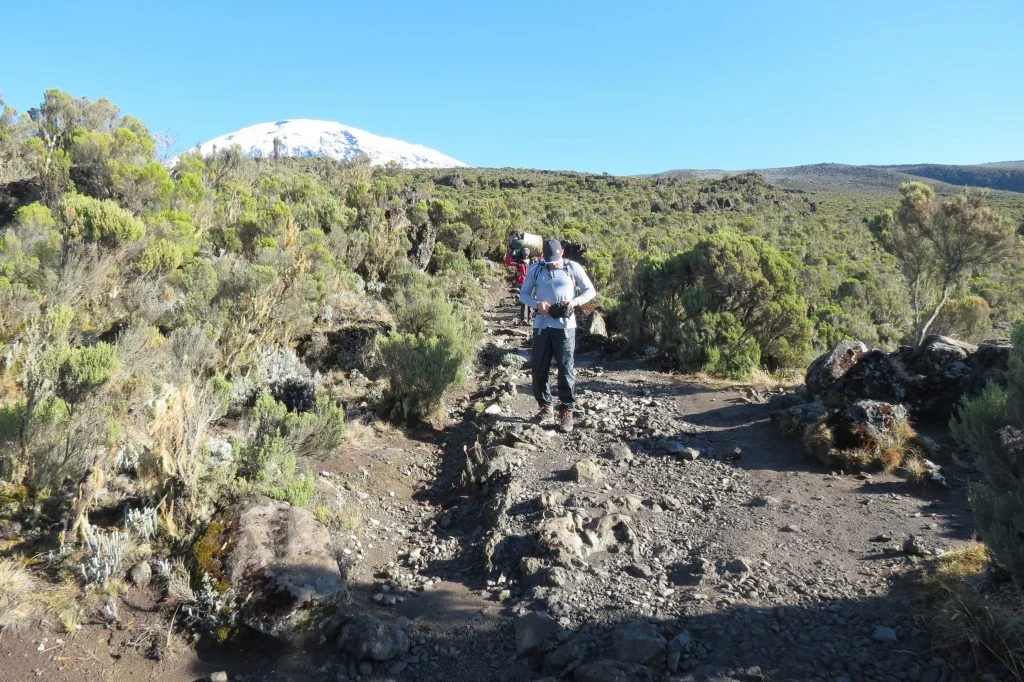
Day two sees the terrain transform. The trail steepens as the forest gives way to the giant heather moorland zone. Trekkers traverse streams before reaching the Shira Ridge, eventually descending into the Shira 1 camp. On day three, the route traverses the Shira Plateau—one of the most scenic high-altitude plateaus on Earth. The gentle terrain here is ideal for acclimatization, offering various side-trips to explore the geological wonders of the caldera.
Days 4–5: The Technical Traverse and Base Camp
Day four marks the transition toward the iconic Lava Tower. Trekkers ascend toward this geological landmark before descending to the Barranco Valley. This "climb high, sleep low" philosophy is the bedrock of the Lemosho success rate.
Day five is the transition from the beautiful Barranco Valley to the Karanga Valley. This day includes the famous "Barranco Wall," a thrilling but manageable scramble. For those on the 8-day itinerary, the stop at Karanga Camp is vital. It serves as a physiological reset before the final push. The ascent continues to Barafu Hut, the austere, high-altitude base camp perched at 4,600 meters. Here, the air is thin, the temperature is biting, and the anticipation of the summit is palpable.
Days 6–8: The Summit and the Return
Day six begins in the dead of night. Under a canopy of stars, trekkers make the final, grueling push to the Kibo Crater rim. Navigating between the Rebmann and Ratzel Glaciers, climbers reach Uhuru Peak—the highest point in Africa. After soaking in the panoramic views of the Mawenzi peak and the distant plains of Tanzania, the descent begins, passing through the heather zone and ending at Mweka Hut. By day seven and eight, the descent continues through the forest, returning the traveler to the trailhead and, eventually, the comforts of civilization.
Supporting Data: Why Acclimatization Matters
The data regarding summit success rates on Kilimanjaro is unequivocal: longer routes equal higher success. Statistics from regional tour operators demonstrate that trekkers who spend eight days on the mountain have a success rate significantly higher than those who attempt to rush the climb in five or six days.
The inclusion of pulse oximeters and emergency oxygen bottles, which are standard for reputable operators like Kilimanjaro Tanzanite Safaris, further safeguards the well-being of the group. These tools allow guides to monitor blood oxygen saturation levels in real-time, enabling them to make informed decisions about the pace of the ascent. This data-driven approach to mountain safety has made the Lemosho route the preferred choice for educational institutions, scientific research groups, and serious ecotourists.
Professional Perspectives: The Role of the Destination Management Company (DMC)
In the world of high-altitude trekking, the quality of the support team is just as important as the route itself. A professional Destination Management Company (DMC) provides the infrastructure that transforms a "climb" into an "expedition."
Official reports from the Kilimanjaro Tanzanite Safaris team highlight the importance of the comprehensive service package. "It is not enough to simply provide a guide," says an industry spokesperson. "True ecotourism requires a commitment to the local economy and the environment." Their all-inclusive packages cover everything from park fees and the specialized salaries of porters and cooks to the essential AMREF Flying Doctor air rescue insurance. This coverage provides peace of mind, knowing that in the event of an emergency, the infrastructure for extraction is already in place.
Implications for the Future of Ecotourism
The rise of the Lemosho route as a primary destination for adventure travelers carries significant implications for Tanzanian tourism. First, it promotes a sustainable model of travel. By dispersing trekkers across less-frequented paths, the park authorities can mitigate the environmental impact on the more vulnerable sections of the mountain.
Furthermore, the emphasis on "photographic safaris" and "nature trekking" reflects a shift in consumer demand. Modern travelers are moving away from the "checklist" style of tourism and toward experiential travel. They want to see the ice pinnacles of the Eastern Icefields and the dramatic beauty of the Shira Plateau. They want to engage with the local culture and understand the delicate ecology of the mountain.
The cost structure of these trips—while higher for the 8-day package—is viewed by many as a necessary investment in safety and sustainability. With discounts often available for students, educational groups, and those participating in specific conservation programs, the route remains accessible while maintaining the high standards required for such a challenging environment.
Planning Your Expedition: Final Considerations
For those currently planning a trip to the Roof of Africa, the advice from the experts is clear: do not rush the experience. The Lemosho route is not a race; it is a profound journey through the climatic history of the planet.
When selecting a service provider, travelers should look for transparency in their offerings. Ensure that your package includes:
- Comprehensive Insurance: Specifically mentioning AMREF Flying Doctor services.
- Safety Equipment: Pulse oximeters and oxygen for every group.
- Transparent Pricing: Clear breakdowns of what is included (park fees, food, salaries) versus what is excluded (visa, personal gear, tips).
- Local Expertise: A company with a proven track record of ethical treatment of staff and positive reviews on platforms like TripAdvisor.
As the sun rises over the Uhuru Peak, casting long shadows over the Tanzanian plains below, the true value of the Lemosho route becomes clear. It is a path that demands respect, rewards patience, and offers an unparalleled perspective on the majesty of the natural world. Whether you are a seasoned mountaineer or an aspiring adventurer, the Lemosho route provides the definitive Kilimanjaro experience—one that honors the mountain’s stature and preserves the integrity of the climb for generations to come.