By [Your Name/Journalistic Desk]
Featuring insights from William E. Simpson II, Naturalist and Conservationist
In the frenetic pace of the 21st century, humanity has found itself increasingly tethered to digital interfaces and urban centers, often at the cost of our ancestral connection to the natural world. As modern society continues to prioritize consumerism and rapid technological advancement, a profound "nature deficit" has emerged. This detachment is not merely a lifestyle shift; it is an erosion of our fundamental understanding of the ecosystems that sustain us.
However, a growing movement is championing a return to the wild—not just as passive observers, but as active participants. Through the lens of ecotourism, experts like William E. Simpson II argue that we can bridge the growing abyss between humanity and the environment, fostering a culture of stewardship that is vital for the planet’s survival.
The Disconnect: Why Immersion Matters
The modern human experience is heavily curated. We observe nature through the sanitized frame of high-definition documentaries or the digital screens of our smartphones. While these media provide valuable educational snippets, Simpson emphasizes that they are no substitute for the raw, sensory-rich experience of the wilderness.
"There is no substitute for ecotourism programs that uniquely provide actual immersion into nature and the experience of the wonders that exist therein, firsthand," says Simpson.
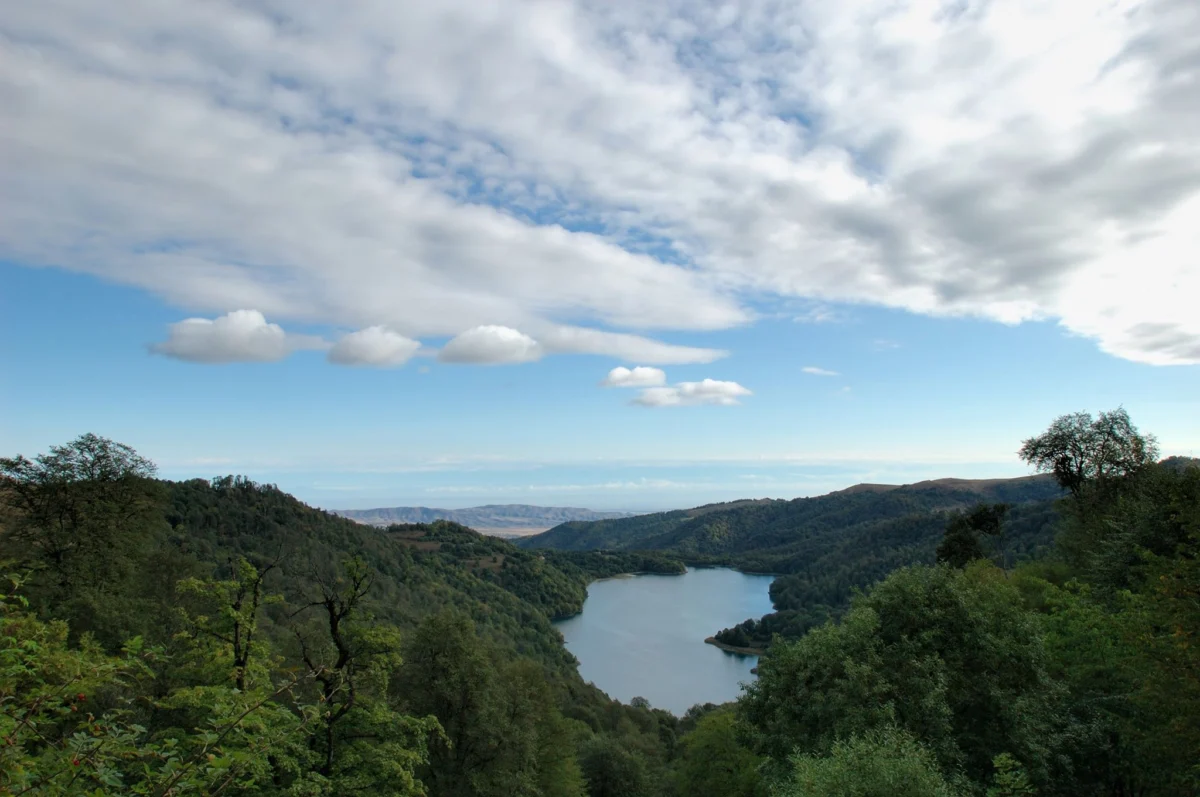
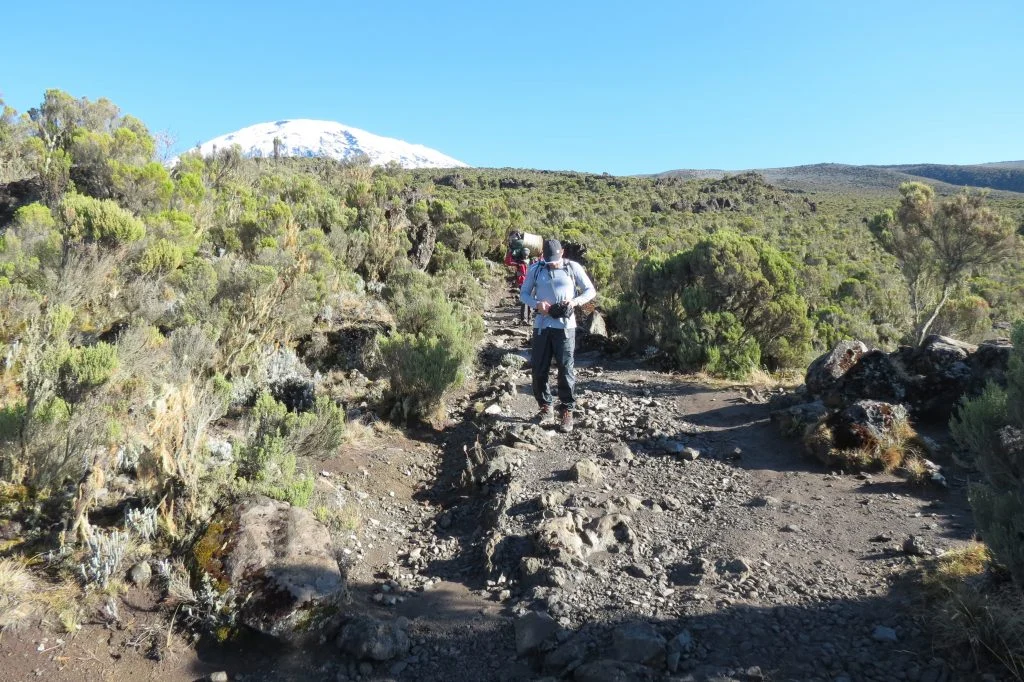
True immersion involves the olfactory, auditory, and visual triggers that define the natural world: the sharp, resinous scent of a pine forest after rain, the haunting dialogue of eagles circling in thermal currents, or the rhythmic sound of a crystal-clear mountain stream cascading over granite. These experiences do more than provide entertainment; they anchor our consciousness in the reality of the biosphere, cultivating a sense of wonder that is the precursor to environmental compassion.
Chronology of a Shifting Perspective
To understand the current state of conservation, one must look at the evolution of our relationship with the land:
- The Era of Expansion (19th Century): Nature was largely viewed as a resource to be harvested, with little thought given to sustainability or ecological balance.
- The Rise of Preservation (Early 20th Century): The birth of the national park system signaled a shift, acknowledging that certain tracts of land held intrinsic value beyond their raw materials.
- The Digital Divergence (Late 20th–Early 21st Century): As technology dominated leisure time, public interaction with public lands began to wane, leading to a "forgetfulness" regarding the needs of native flora and fauna.
- The Ecotourism Renaissance (2020–Present): A renewed push toward experiential travel is currently attempting to leverage economic interest in wildlife to fund long-term conservation efforts.
The Wild Horse Paradox: A Case Study in Management
One of the most compelling arguments for intelligent resource management is the ongoing debate surrounding America’s wild horses. Currently, these animals are often caught in the crosshairs of conflict between livestock production and public land management.
Simpson proposes a revolutionary alternative: the strategic rewilding of native species into wilderness areas where they can thrive. This approach is not merely an act of animal welfare; it is a sophisticated economic and ecological strategy.
Supporting Data and Economic Implications
The financial burden of current management policies is staggering. The Bureau of Land Management (BLM) spends nearly $100 million annually on the holding and management of captured wild horses. By rewilding these animals in appropriate, ecologically suitable areas, the government could significantly reduce this fiscal drain.
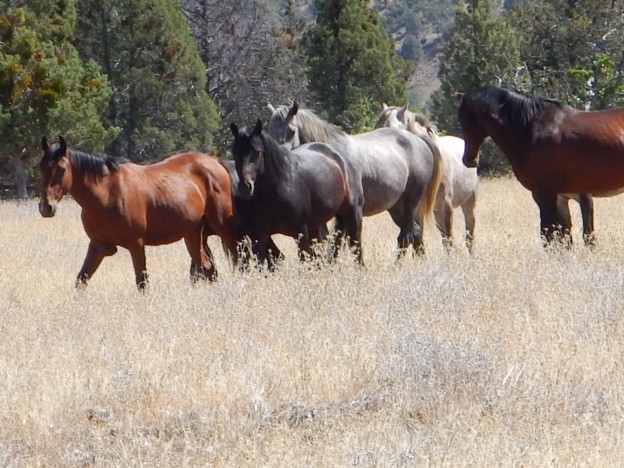
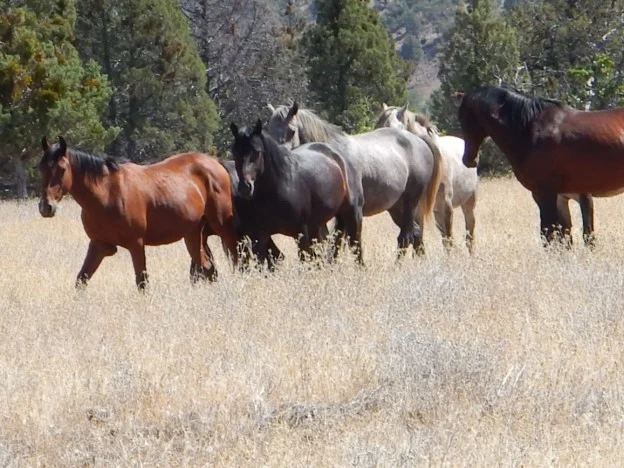
Furthermore, the economic data suggests that wild horses are a powerful engine for local economies. A survey of Moffat County, Colorado, for example, demonstrated a clear economic boost directly attributed to wild horse tourism. When communities shift their perspective to view these animals as an asset—a draw for photographers, researchers, and nature enthusiasts—they transform from a "management burden" into a pillar of local ecotourism.
The Ecological Service: Wildfire Mitigation
Beyond the economic benefits, there is a tangible ecological utility to the presence of horses in sensitive landscapes. Catastrophic wildfires are currently one of the greatest threats to American wilderness.
Properly managed, wild horses act as a natural, low-intensity "mowing" system. By grazing on grass and brush—the primary fuels for wildfire—they serve as a biological check against the accumulation of flammable biomass. This is a classic example of ecosystem services: using the natural behavior of a species to mitigate a catastrophic threat, thereby reducing the need for expensive, human-led mechanical thinning or chemical treatments.
Official Responses and Management Hurdles
Despite the promise of ecotourism and strategic rewilding, the path forward is complex. The International Ecotourism Society (TIES) notes that for ecotourism to be successful, it must adhere to strict principles: minimizing physical impact, building environmental awareness, and providing direct financial benefits for conservation.
Critics often cite the potential for overgrazing or land-use conflicts with private ranching interests. However, advocates argue that these are problems of management, not nature. By utilizing modern mapping, wildlife biology, and community-led ecotourism frameworks, these hurdles can be cleared. The goal is a "communion with nature" that provides educational fulfillment to the tourist while simultaneously funding the protection of the species they have traveled to see.
Implications for the Future
The implications of embracing ecotourism are profound. If we continue to view nature as a commodity to be exploited, we will continue to face the depletion of biodiversity and the loss of the "wilderness experience." Conversely, if we treat the natural world as an experiential asset, we align the incentives of local communities with the survival of the species.
The Roadmap for Change:
- Policy Reform: Moving federal funding away from long-term holding facilities and toward managed, free-roaming wildlife corridors.
- Public Education: Bridging the gap between the screen and the forest floor by incentivizing eco-conscious travel.
- Community Empowerment: Localizing the economic benefits of wildlife, ensuring that the people who live nearest to these animals are the ones who profit most from their preservation.
Conclusion: The Path Forward
Ecotourism is not a panacea for all environmental ills, but it is a necessary pivot. It acknowledges a fundamental truth: humans protect what they love, and they love what they experience. By stepping out of the office and into the wild, we reconnect with the pulse of the planet.
As we look toward the future, the integration of wildlife, local economies, and responsible travel must become the bedrock of our conservation policy. Whether it is the wild stallion guarding his band on a mountain ridge or the quiet majesty of an untouched forest, these are not just resources to be managed—they are the heritage of the human experience. Through the lens of ecotourism, we do not just save the wild; we save ourselves from the isolation of the modern world.
For more information on the intersection of wild horse management, wildfire mitigation, and the philosophy of nature, visit www.WHFB.us or consult the resources provided by The International Ecotourism Society.