Introduction: A New Paradigm for Azerbaijani Tourism
In a landmark development for the nation’s travel and environmental sectors, a group of distinguished professionals has officially announced the formation of the Azerbaijan Ecotourism Association (AETA). This strategic initiative, galvanized by the recent suite of sustainable reforms championed by the administration of President Ilham Aliyev, seeks to redefine Azerbaijan’s position on the global tourism map. By weaving together ecological consciousness, biodiversity conservation, and economic development, the AETA aims to transform the country into a premier destination for responsible, sustainable, and nature-based travel.
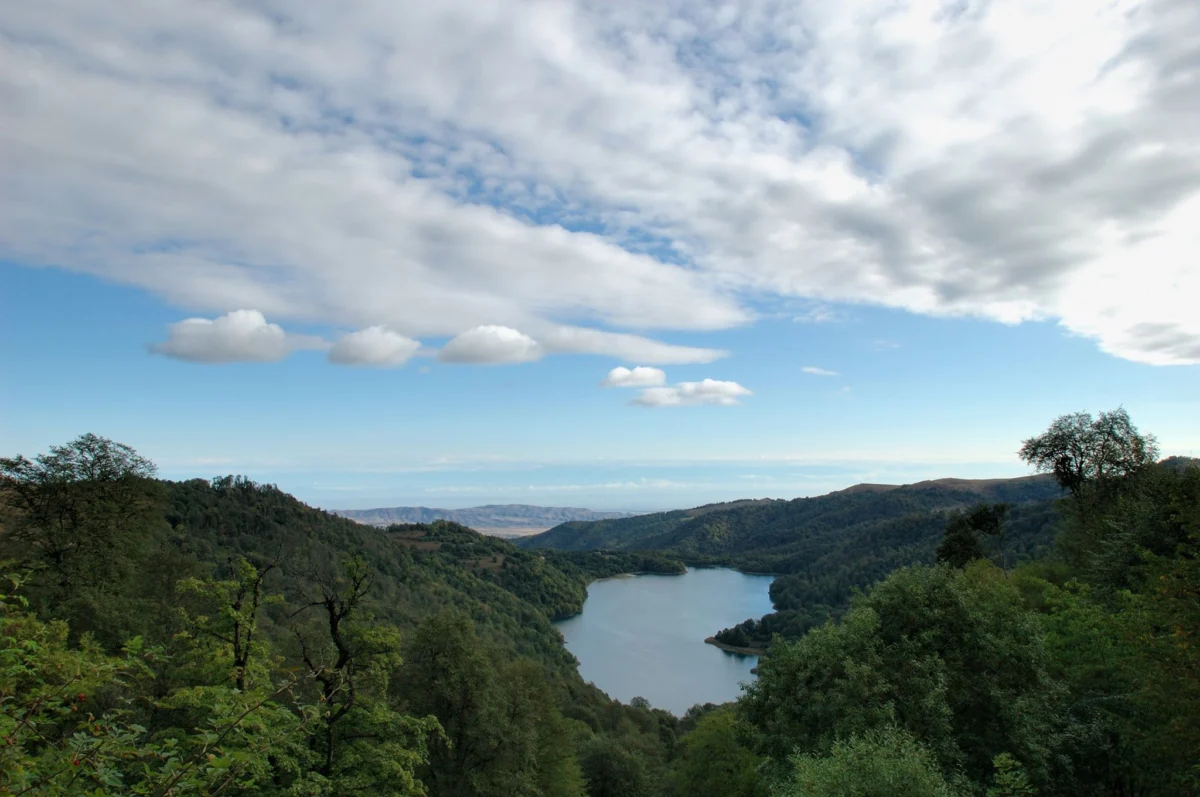
The establishment of the AETA is not merely a corporate milestone but a vital shift in the national consciousness. It represents a commitment to preserving the country’s diverse natural landscapes—ranging from the high-altitude peaks of the Caucasus to the unique semi-desert ecosystems and the lush, subtropical forests of the south—while ensuring that the benefits of tourism are equitably shared with local communities.
Main Facts: The Blueprint for Sustainability
The AETA has been founded by a coalition of industry experts, including Samir Dubendi, Zurab Israfilov, Rufat Gojayev, and Vugar Dargahov. Each founder brings a wealth of experience, spanning hospitality management, academic research, and environmental advocacy.
The Core Objectives of the AETA
The Association has outlined a multi-faceted mission that transcends traditional tourism models. Its primary goals include:
- Fostering Eco-Culture: Encouraging a nationwide understanding of environmental stewardship and the importance of preserving natural heritage.
- Developing New Tourism Products: Diversifying Azerbaijan’s offerings by creating, promoting, and certifying agritourism, rural tourism, and eco-hospitality experiences, including the development of eco-hotels and farm-to-table food initiatives.
- International Positioning: Launching comprehensive marketing campaigns to represent Azerbaijan as a sophisticated, sustainable ecotourism destination in key global markets.
- Conservation Advocacy: Integrating the protection of Azerbaijan’s unique biodiversity into the core of its tourism development strategies.
Chronology: The Road to Inception
The birth of the AETA did not happen in a vacuum. It is the result of meticulous planning and extensive stakeholder consultation.
The Consultative Phase
Before the official launch, the founding team spent months in deep dialogue with a variety of local and international stakeholders. Recognizing that sustainable development requires global standards, the founders engaged with:
- The International Ecotourism Society (TIES): To ensure alignment with global best practices in ecotourism.
- World Wide Fund for Nature (WWF): To guarantee that development projects do not encroach upon critical conservation areas.
- Regional Expertise: Engagement with the REM Caucasus Regional Eco Center provided localized knowledge of the unique environmental challenges facing the region.
- Governmental Synergy: The AETA has maintained close cooperation with the State Tourism Agency and the Ministry of Ecology and Natural Resources of the Republic of Azerbaijan, ensuring that their grassroots efforts align with national policy directives.
Immediate Next Steps
According to Chairman Samir Dubendi, the Association is currently in a state of rapid mobilization. The team is focused on establishing its administrative structure, setting up operational guidelines, and finalizing the initial portfolio of projects. The ambition is to have the organization fully operational within a single month, a timeline that reflects the urgency with which the founders view the current environmental and tourism-sector needs.
Supporting Data: Why Ecotourism Matters for Azerbaijan
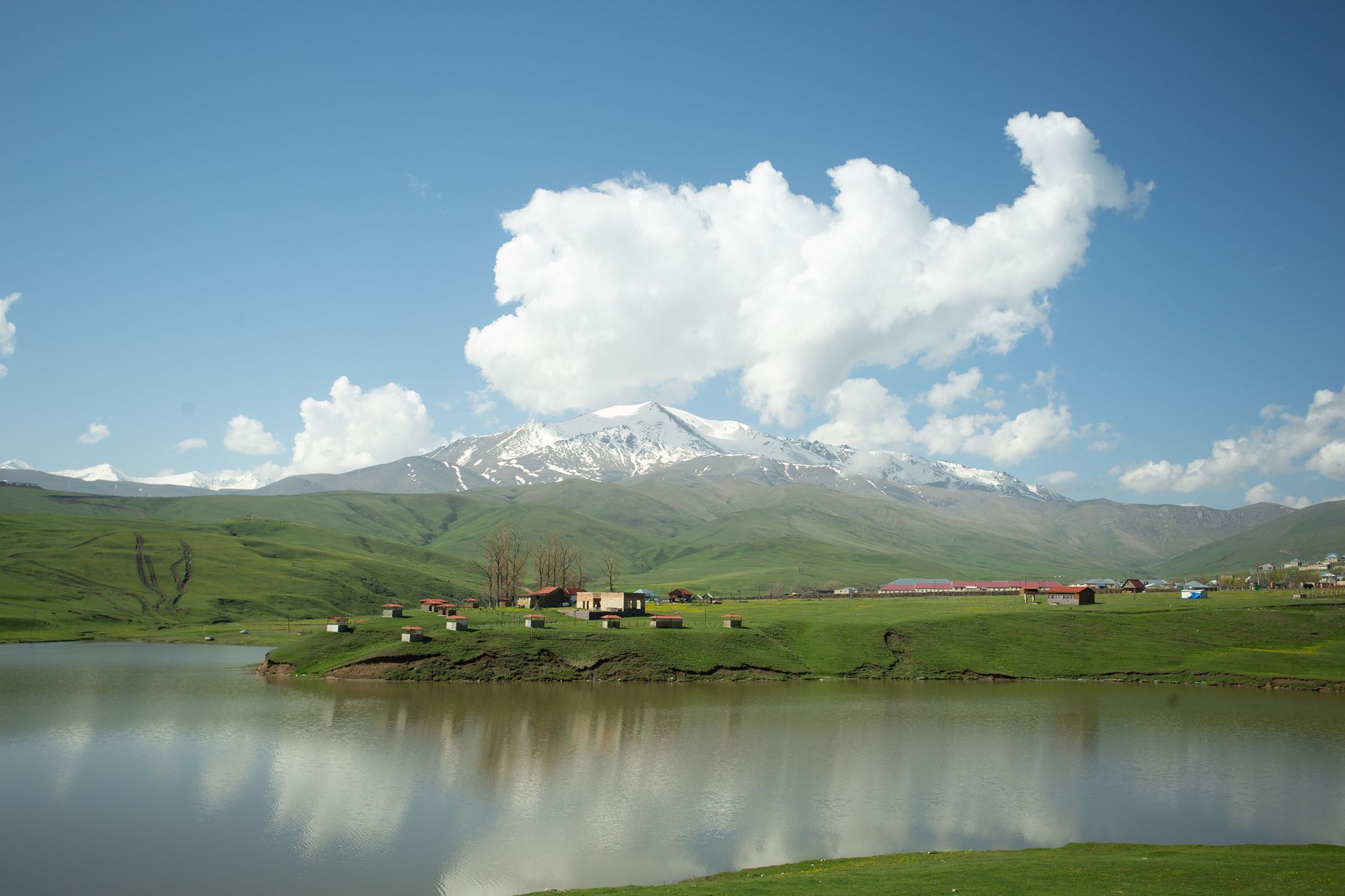
Azerbaijan possesses a rare combination of geographical diversity, offering a unique opportunity for specialized tourism segments.
Economic and Ecological Synergy
Ecotourism is not just about aesthetics; it is a high-value economic driver. Unlike mass tourism, which often strains local infrastructure, ecotourism focuses on high-value, low-impact travel. By investing in eco-hotels and rural homestays, the AETA expects to stimulate the rural economy, preventing urban migration and encouraging local communities to become active guardians of their environment.
The Role of Education and Youth
A central tenet of the AETA’s philosophy is the mobilization of the youth. As Samir Dubendi, also the head lecturer of the Hotel and Restaurant Business Department at the Azerbaijan Tourism and Management University (ATMU), emphasizes, the future of the nation’s ecological health lies with its younger generations. The AETA plans to implement educational programs, workshops, and internships that will equip the next generation of tourism professionals with the skills necessary to manage sustainable, eco-conscious enterprises.
Official Responses and Strategic Partnerships
The response to the AETA’s formation has been overwhelmingly positive, both domestically and internationally.
The International Perspective
The International Ecotourism Society (TIES) has formally congratulated the founders on this “important undertaking.” This endorsement is significant, as it provides the AETA with a gateway to a global network of experts and potential partners. Mr. Dubendi has expressed a desire to maintain "permanent touch" with TIES, viewing the organization as a vital resource for adopting and adapting international best practices to the Azerbaijani context.
The Domestic Vision
The founders, through a joint statement, have issued a call to action for the public. They emphasize that the success of the AETA is contingent upon collective responsibility. "We are working hard to do everything as rapidly as we can," says Dubendi. This transparency highlights the Association’s commitment to accountability and the high expectations they place on themselves to deliver tangible results in a short period.
Implications: The Long-Term Impact
The establishment of the AETA signals a fundamental change in how Azerbaijan views its relationship with its natural resources.
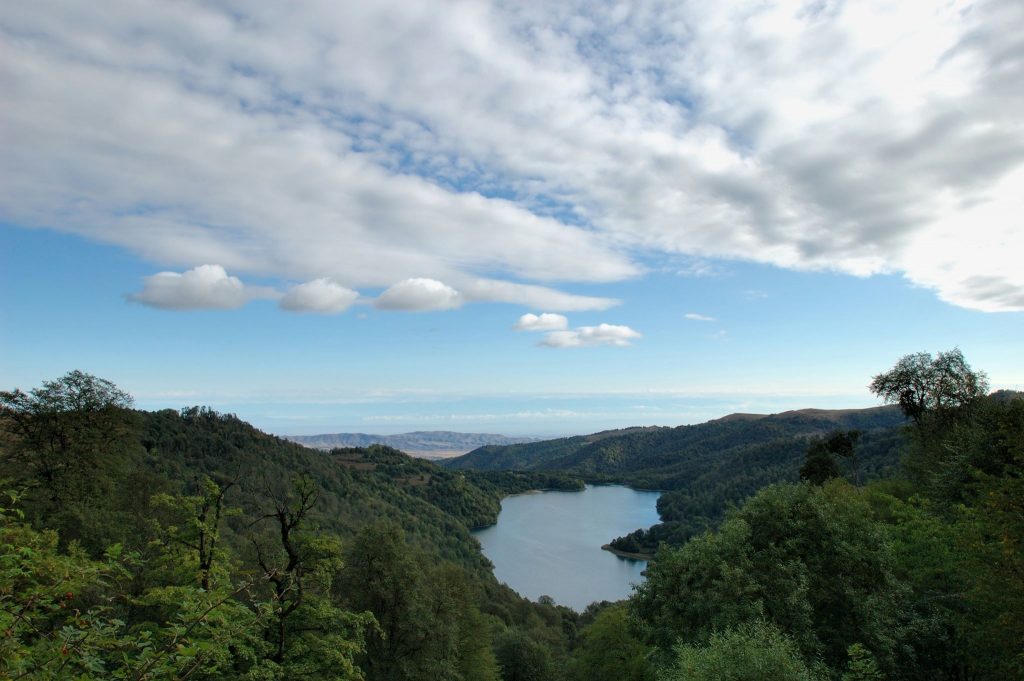
Shifting the Tourism Narrative
For years, tourism in many developing nations has been viewed through the lens of mass infrastructure projects. The AETA is pushing back against this, advocating for a model where the "product" is the landscape itself—untouched, preserved, and respected. This shift will likely lead to:
- Environmental Resilience: By making conservation a profitable business model, the AETA provides a strong incentive for locals and developers to protect the environment rather than exploit it.
- Market Differentiation: In a competitive global tourism market, Azerbaijan can distinguish itself by offering authentic, "green" experiences that appeal to the growing demographic of conscious travelers who prioritize sustainability.
- Cultural Preservation: Agritourism and rural tourism inherently involve the preservation of local traditions, culinary heritage, and regional crafts, ensuring that modernization does not lead to cultural homogenization.
Challenges Ahead
While the vision is robust, the founders acknowledge the challenges of implementation. Scaling sustainable tourism requires significant investment in infrastructure—such as waste management systems in remote areas and the retrofitting of existing hospitality structures to meet eco-standards. However, the close working relationship between the AETA, government bodies, and international NGOs suggests a collaborative approach that is well-positioned to overcome these hurdles.
Conclusion: A New Era for the Land of Fire
The Azerbaijan Ecotourism Association is poised to be a catalytic force in the nation’s development. By bridging the gap between state-level sustainable reforms and on-the-ground implementation, the AETA is setting the stage for a future where tourism serves as a tool for environmental restoration and socioeconomic empowerment.
As the Association moves into its operational phase, the global community will be watching with interest. The founders’ commitment to transparency, international collaboration, and youth engagement provides a solid foundation for success. As Azerbaijan continues to evolve, the efforts of the AETA will ensure that the country’s natural wonders are not only enjoyed by the current generation but protected for all those to come. The message is clear: the path forward for Azerbaijan is green, and the journey has already begun.
For more information on global sustainable travel initiatives, visit www.ecotourism.org. The International Ecotourism Society (TIES) continues to support the efforts of local pioneers like the AETA in their quest for a more sustainable world.