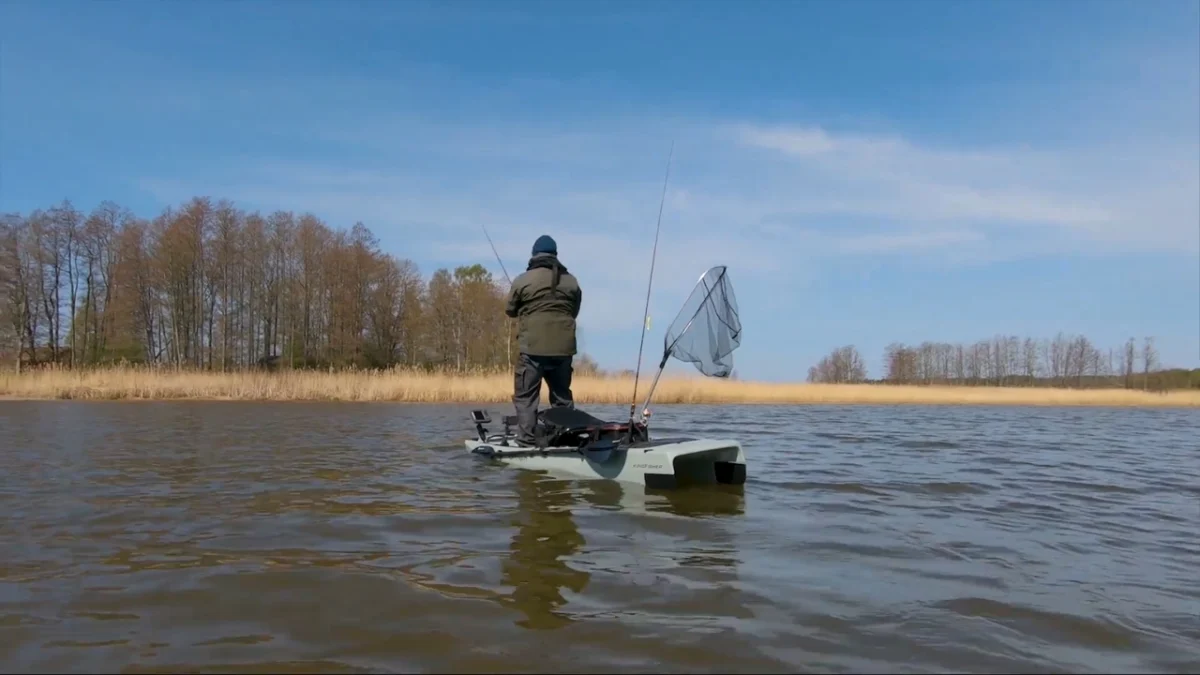
There is an unparalleled thrill to the strike—that sudden, violent tug on the line that signals a heavy hitter has taken the bait. For the kayak angler, that feeling is magnified. You are eye-level with the water, physically connected to the struggle, and isolated from the convenience of a powerboat’s deck. However, every veteran angler eventually learns a sobering lesson: not every fight is meant to culminate in a meal.
In the world of recreational fishing, the line between a prized catch and a "trash fish" is often blurred by regional culture, culinary preparation, and, most importantly, human safety. While some species are discarded due to a perceived "muddy" taste or the sheer labor required to process them, others pose genuine health risks that demand an informed approach. Whether you are battling a prehistoric bowfin in a quiet backwater or a high-mercury king mackerel in the surf, understanding which fish to keep—and which to release—is a hallmark of a responsible, seasoned angler.
The Triad of Avoidance: Why Some Fish Fail the Plate Test
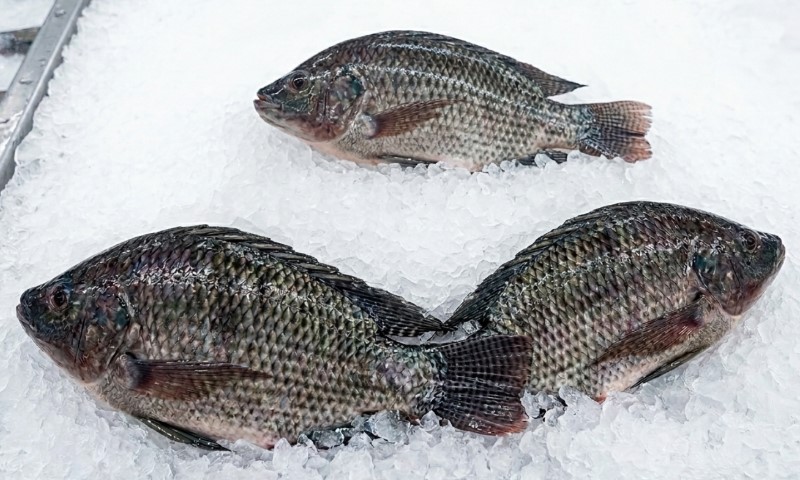
When we speak of "bad" fish, we are generally categorizing them into three distinct camps. The first are the mudsuckers, freshwater bottom-dwellers that absorb the flavor of their stagnant, algae-rich environments. The second are the oily, high-trophic predators, which often carry the heavy metal burden of the entire food chain. Finally, there are the "trash fish," species that are not necessarily toxic but are so riddled with bones or possess such challenging textures that they represent a net loss in effort-versus-reward.
Geosmin and the "Muddy" Myth
A common complaint among freshwater anglers is the "earthy" or "muddy" taste found in species like carp or drum. Scientifically, this flavor is caused by geosmin, a natural compound produced by cyanobacteria and actinomycetes in the water. While research from DTU Food confirms that geosmin is biologically harmless to humans, its presence is a sensory dealbreaker for many. Because these fish are often bottom feeders, they act as environmental sponges, soaking up the chemical signatures of their specific habitat.
Quick Ranking: The Most Polarizing Catches
| Rank | Species | Primary Issue | Safety Concern | Recommended Action |
|---|---|---|---|---|
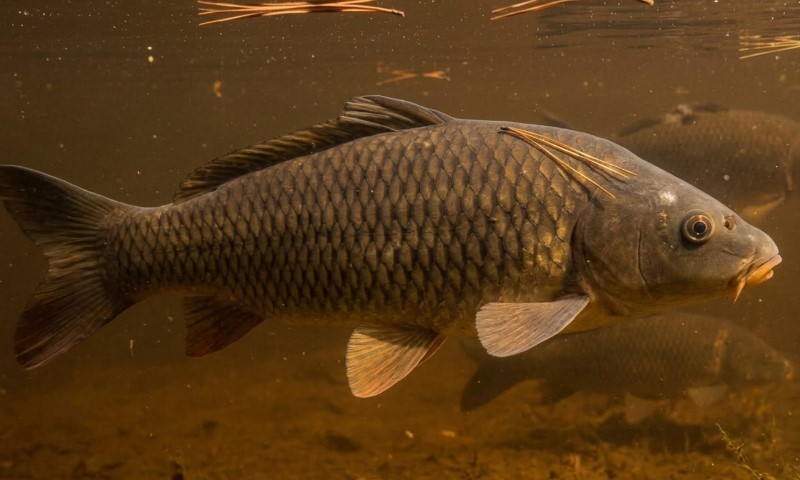
| 1 | Common Carp | Muddy/Bony | Local pollutants | Keep from clean water only |
| 2 | Bowfin | Mushy flesh | Handling difficulty | Ice immediately or release |
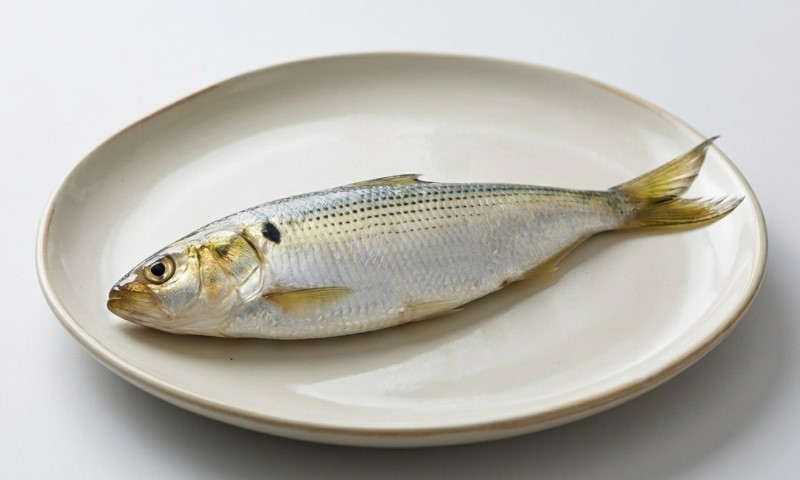
| 3 | Gizzard Shad | Oily/Bony | Niche culinary value | Best used as bait |
| 4 | Large Bluefish | Fishy/Oily | Mercury/PCBs | Bleed, ice, remove dark meat |
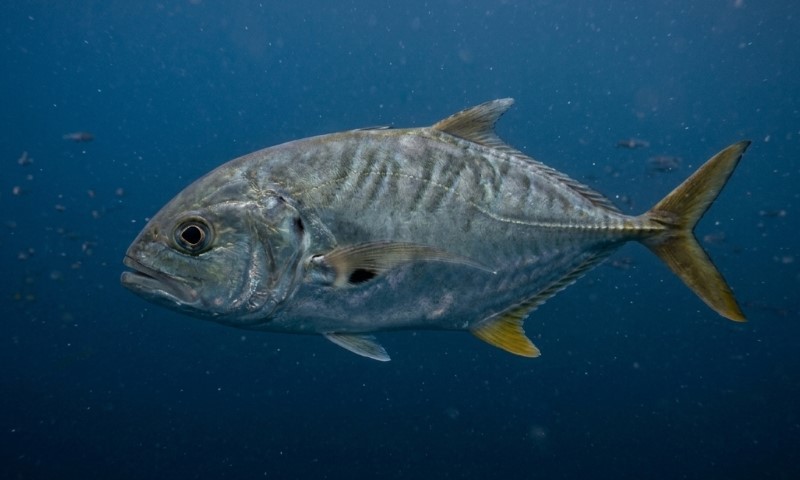
| 5 | Jack Crevalle | Metallic | High blood content | Keep only small specimens |
| 6 | Bigmouth Buffalo | Coarse texture | Local advisories | Smoke or grind for patties |
| 7 | Freshwater Drum | Rubbery | Mercury/Contaminants | Verify local safety reports |
| 8 | Large Black Drum | Parasitic worms | Nematodes/Toughness | Keep "puppy drum" only |
| 9 | Gar | Difficult prep | Toxic roe | Never consume the eggs |
| 10 | Barracuda | Toxin risk | Ciguatera | Avoid near reef zones |
| 11 | Shark | Ammonia profile | Mercury/Spoilage | Generally catch-and-release |
| 12 | King Mackerel | High mercury | Bioaccumulation | Avoid large, old individuals |
The Role of Federal Oversight: FDA and EPA Guidelines
Flavor is a subjective metric, but safety is an empirical one. The FDA and EPA maintain rigorous "Choice to Avoid" groups to protect consumers from the risks of bioaccumulation. Large predators—king mackerel, marlin, swordfish, and shark—occupy the apex of the marine food web. Over their long lifespans, these fish accumulate significant concentrations of methylmercury.
The EPA’s advisory system is critical for the kayak angler, who often accesses remote, stagnant, or industrial-adjacent waters that larger boats cannot reach. A fish species that is perfectly safe in one reservoir may be subject to a strict "do not consume" warning in an adjacent county due to local chemical runoff or legacy industrial pollutants. Always cross-reference your catch with local water quality reports before deciding to put a fillet in the cooler.
Species-Specific Challenges for the Kayak Angler
1. Common Carp: The Environmental Sponge
Carp are the ultimate test of an angler’s preparation. They are resilient, prolific, and notorious for their complex "Y-bone" structure. Beyond the culinary hurdle, they present a logistical nightmare for the kayak angler: their slime coat is thick and pervasive, capable of coating pedals, electronics, and seats in a foul-smelling mucus. If you choose to harvest, smoking is the preferred preparation method to render the fat and soften the bones.
2. Bowfin: The Prehistoric "Mush"
The bowfin is a fascinating relic, but its flesh is prone to rapid enzymatic breakdown. If not immediately placed on ice, the muscle fibers dissolve into a "cotton-like" mush that is virtually inedible. Furthermore, handling a live bowfin in a confined kayak cockpit is dangerous; their teeth are capable of puncturing dry bags and human skin alike.
3. Large Bluefish and Jack Crevalle: The "Bloody" Factor
Both species are renowned for their aggressive fighting style, but they are equally notorious for their blood-rich, oily meat. To make these fish palatable, one must perform a "field surgery"—bleeding the fish immediately and trimming the dark lateral bloodline. In a kayak, this is a recipe for a stained, fly-attracting deck. Unless you are a master of mid-water processing, these are better released.
4. Barracuda and the Ciguatera Gamble
Barracuda is a prime example of why geography matters. While the meat is firm and white, the species is a primary vector for Ciguatera, a marine toxin caused by dinoflagellates on coral reefs. Unlike bacteria, this toxin is heat-stable and cannot be cooked out. It is a high-stakes gamble that most seasoned coastal anglers avoid entirely, preferring to admire the fish for its sport value rather than its culinary potential.
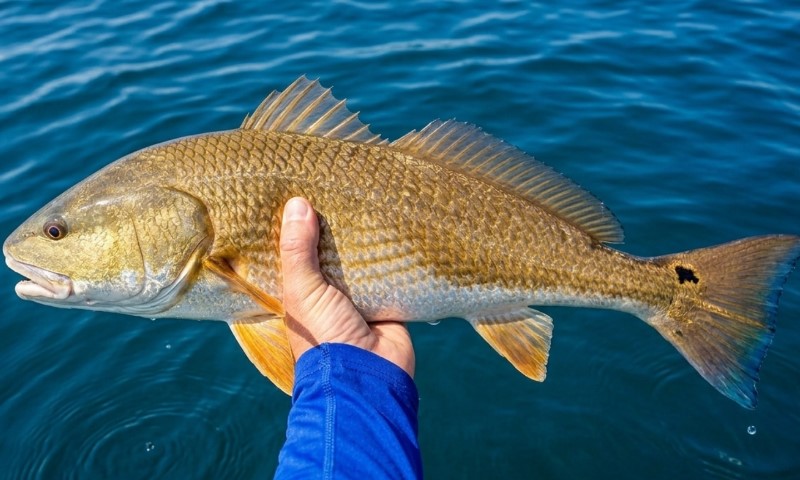
5. Shark and the Ammonia Problem
Sharks are unique in their physiology, excreting urea through their skin to maintain osmotic balance. If a shark is not bled immediately, that urea breaks down into ammonia, rendering the meat pungent and unpleasant. Given their slow reproductive cycles and high mercury content, most conservation-minded anglers treat sharks as catch-and-release trophies.
Implications for Stewardship and Ethics
The rise of the "rough fish" revolution has encouraged anglers to view species like the Bigmouth Buffalo or the Gar through a new lens. There is a growing appreciation for sustainable, underutilized protein sources. However, this shift in perspective must be balanced with the physical limitations of the kayak.
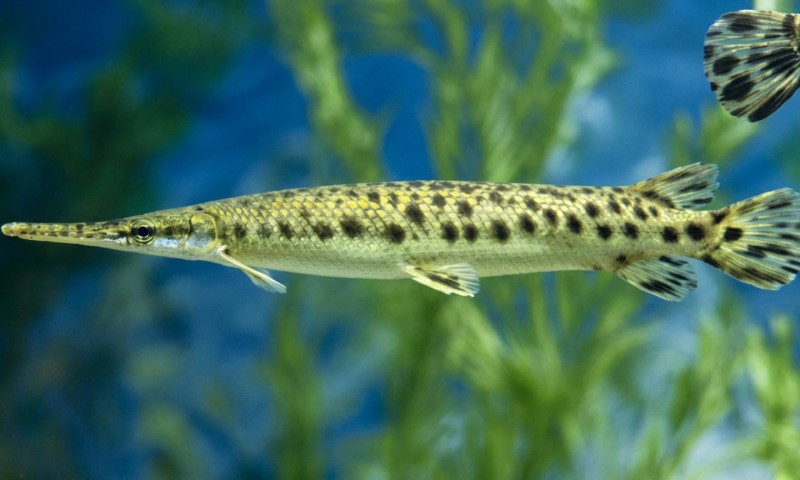
When you are three miles from the launch, you are responsible for the entire life cycle of your catch. If you lack the space for a high-quality cooler, the tools for safe processing, or the knowledge to avoid toxic parts (like the roe of a Gar), the only ethical choice is to release the fish.
Respecting the Ecosystem
Kayak angling offers a unique intimacy with the water. We are not merely observers; we are participants in the aquatic ecosystem. Practicing selective harvest—taking only what you can process properly and leaving the rest to sustain the population—is the bedrock of modern ethical fishing.
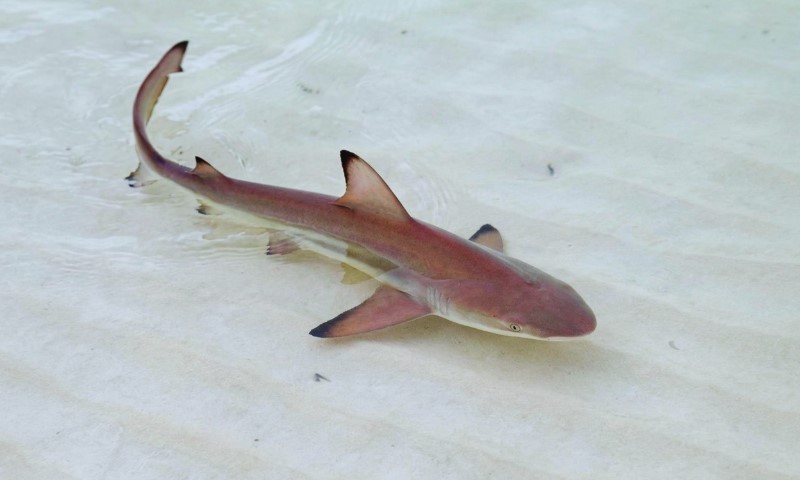
When you encounter a "difficult" fish, ask yourself: Is this a culinary experiment, or a waste of a resource? If you are not prepared to handle the fish with the respect it deserves, the most honorable act is to unhook it in the water, take a photograph, and let it swim back to its home. By doing so, you ensure that the sport remains viable for the next generation of paddlers.
Final Thoughts: The Informed Angler
The goal of the angler should always be a balance of curiosity and responsibility. While the "worst-tasting" fish lists serve as a helpful guide to avoiding disappointment, they also serve as a reminder that every species has a role in the water. Some are meant for the dinner table, some are meant for the thrill of the fight, and some are best left to their silent, submerged lives.
As you load your kayak for your next excursion, remember that the best day on the water isn’t necessarily defined by what you bring home—it’s defined by the safety of your process, the health of the local population, and the respect you afford to every creature on the end of your line. Happy paddling, and keep your hooks sharp and your ethics sharper.