The evolution of fishing technology is a testament to humanity’s enduring quest to conquer the water. Long before the precision engineering of modern reels, anglers relied on rudimentary methods—simple nets, handheld lines, and basic bamboo poles. While these traditional techniques possess an undeniable historical charm, they were often plagued by inefficiency and the heartbreak of a snapped line at the most critical moment of a fight.
Today, the angling world is defined by the sophisticated machinery of the reel. Whether you are a weekend hobbyist casting from a local pier or a competitive angler targeting trophy bass, understanding the mechanics of your gear is the first step toward success.
The Evolution of the Modern Reel: A Chronology
The transition from manual line management to mechanized retrieval was a slow, deliberate process. The history of the modern fishing reel is anchored by three pivotal innovations that continue to define the market today:
- 1938 (The Spinning Reel): The landscape of recreational fishing was permanently altered when Daiwa Seiko Co., Ltd. introduced the first viable spinning reel. This innovation revolutionized casting, providing a level of control and ease that had never been seen before.
- 1956 (The Spincasting Reel): Aiming to simplify the learning curve for amateur anglers, the Shakespeare Fishing Tackle Company debuted the first spincasting reel. By housing the spool within a protective cone, they created a user-friendly system that practically eliminated the tangles common in earlier designs.
- 1958 (The Baitcasting Standard): While baitcasting mechanics existed earlier, George "Butch" Snyder Jr. is credited with formalizing the usage and legal status of the baitcasting reel in 1958. His contributions helped transition the baitcaster from a niche tool into a staple for serious tournament anglers.
The Three Pillars: Understanding Reel Mechanics
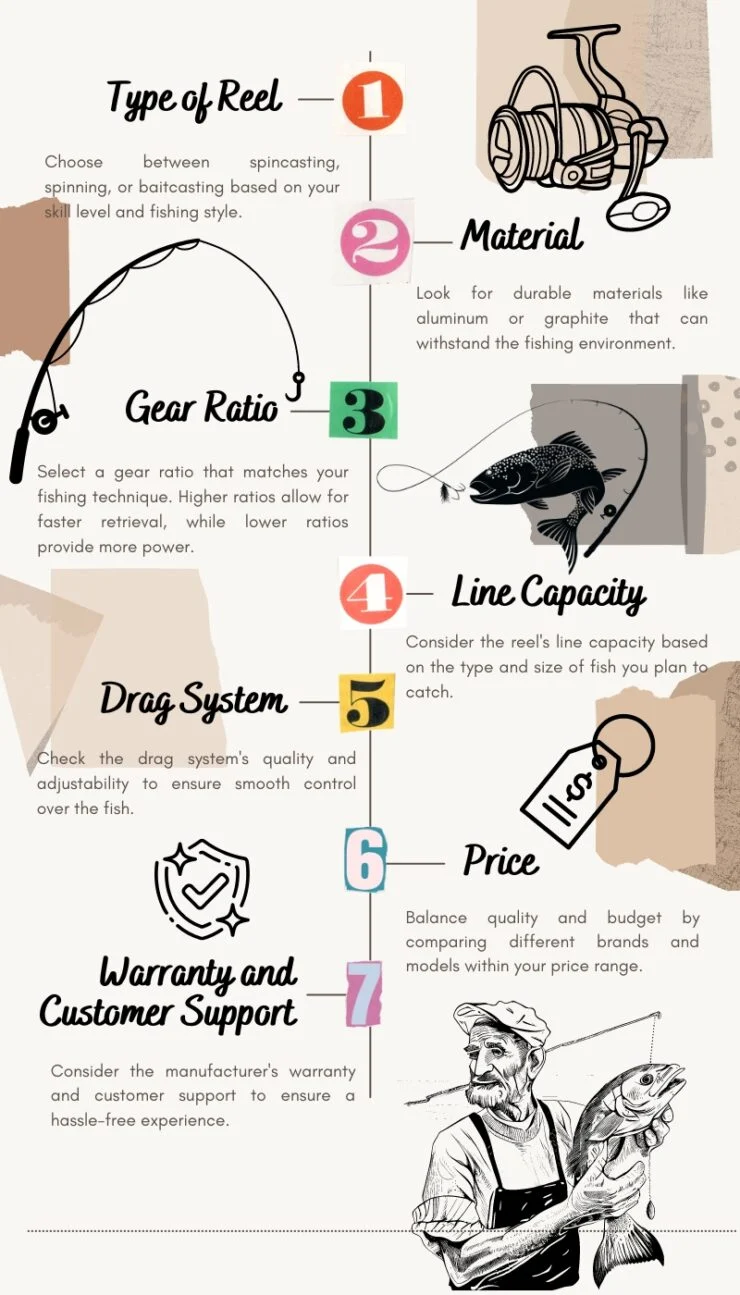
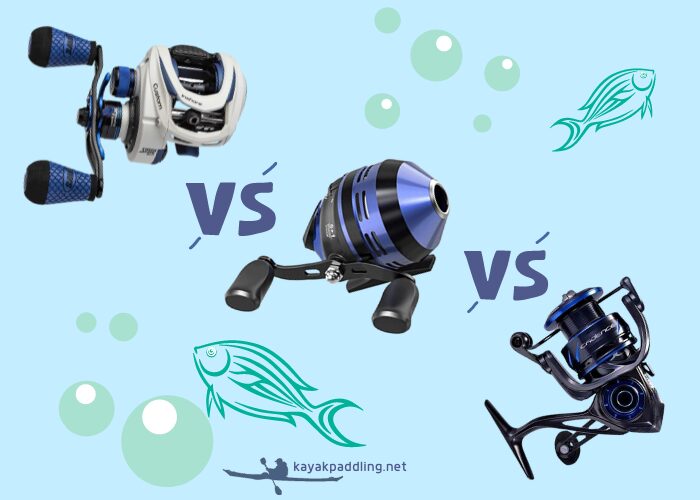
To navigate the modern tackle shop, one must understand the "Big Three" of reel design: spinning, baitcasting, and spincasting. While all three share the core function of storing and retrieving line, their mechanical execution varies significantly, catering to different skill levels and environments.
1. The Spincasting Reel: The Novice’s Companion
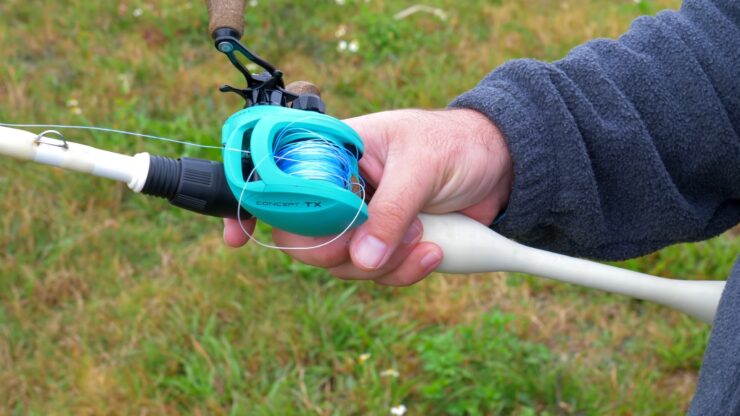
Spincasting reels are the entry point for millions of anglers. Defined by their enclosed nose cone and push-button release, these reels are the gold standard for beginners and children. The mechanism operates on centrifugal force and internal tension. Because they lack a complex bail arm or an open spool, they are remarkably resistant to the "bird’s nests" of tangled line that haunt novice anglers.
- Pros: Highly accessible, intuitive, and affordable.
- Cons: Limited in terms of casting distance and drag precision; not ideal for landing large, aggressive game fish.
2. The Spinning Reel: The Versatile Workhorse
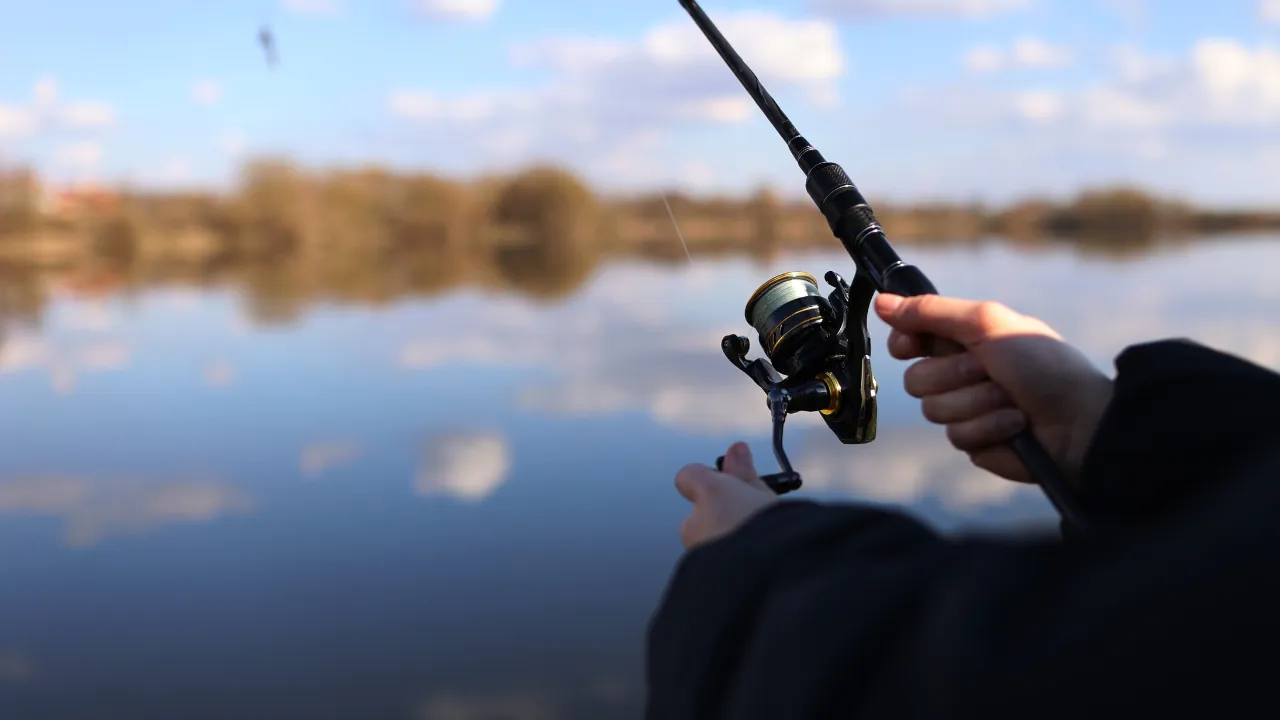
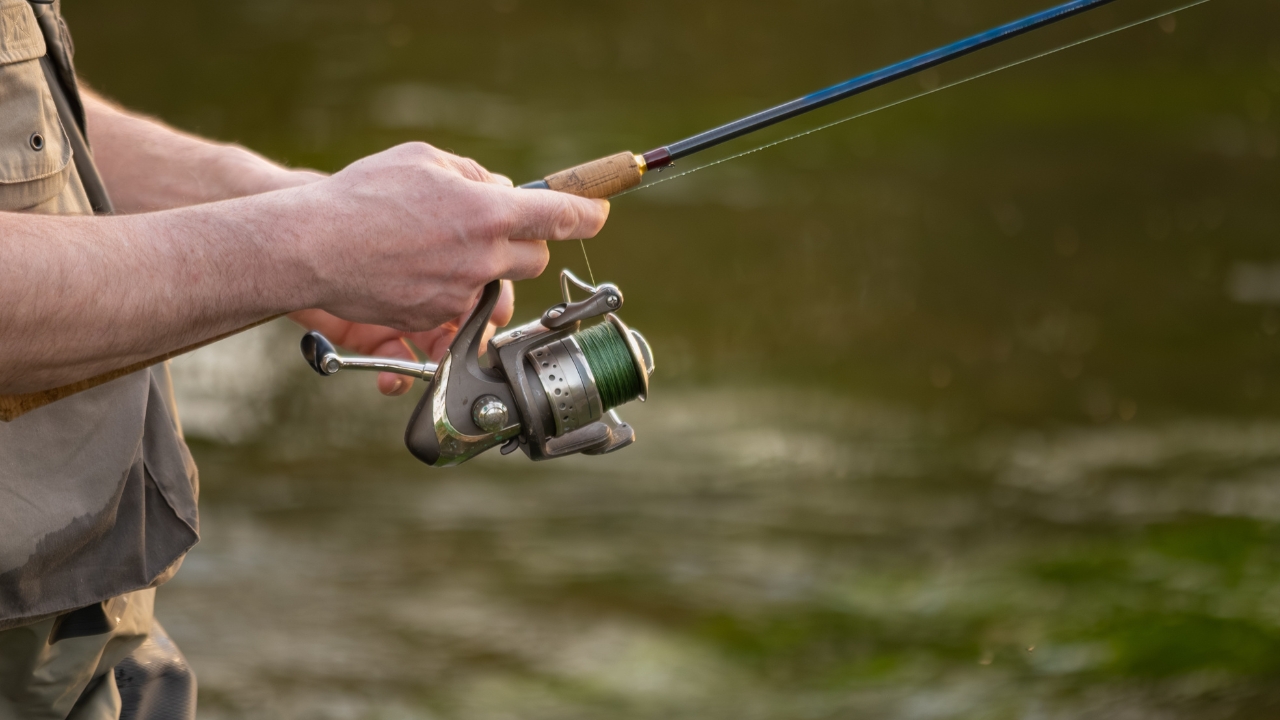
Mounted beneath the rod, the spinning reel is arguably the most popular choice for freshwater fishing. Its design features a fixed spool and a bail arm that facilitates the smooth, frictionless release of the line. Because the line uncoils from the spool during the cast, spinning reels are exceptionally efficient when using light lures and thin-diameter lines.
- Pros: Unmatched versatility; handles light lures with ease; excellent for a variety of species including trout, bass, and panfish.
- Cons: Can be prone to line twist if not maintained or if the drag is improperly set.
3. The Baitcasting Reel: The Expert’s Precision Instrument
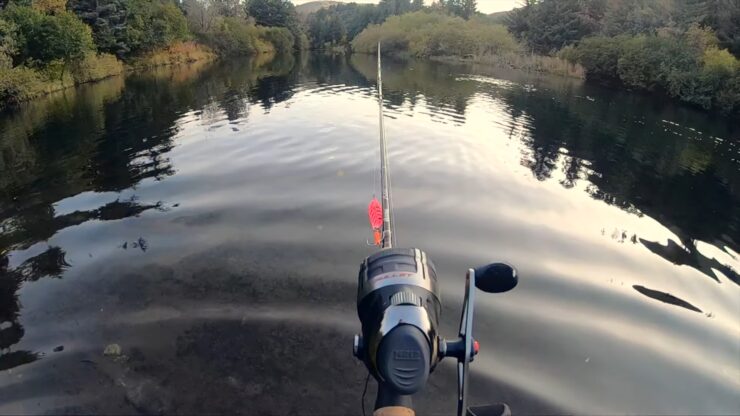
The baitcaster is a testament to mechanical performance. Positioned on top of the rod, the spool rotates directly with the line release. This allows for high-speed retrieval and pinpoint accuracy, which is why it is the preferred choice for professional bass anglers who need to skip lures under docks or into tight, overhanging brush.
- Pros: Superior power, high gear ratios, and pinpoint casting accuracy.
- Cons: High learning curve; improper thumb technique results in "backlash," where the spool spins faster than the line exits, leading to a tangled mass.
Supporting Data: Performance Metrics
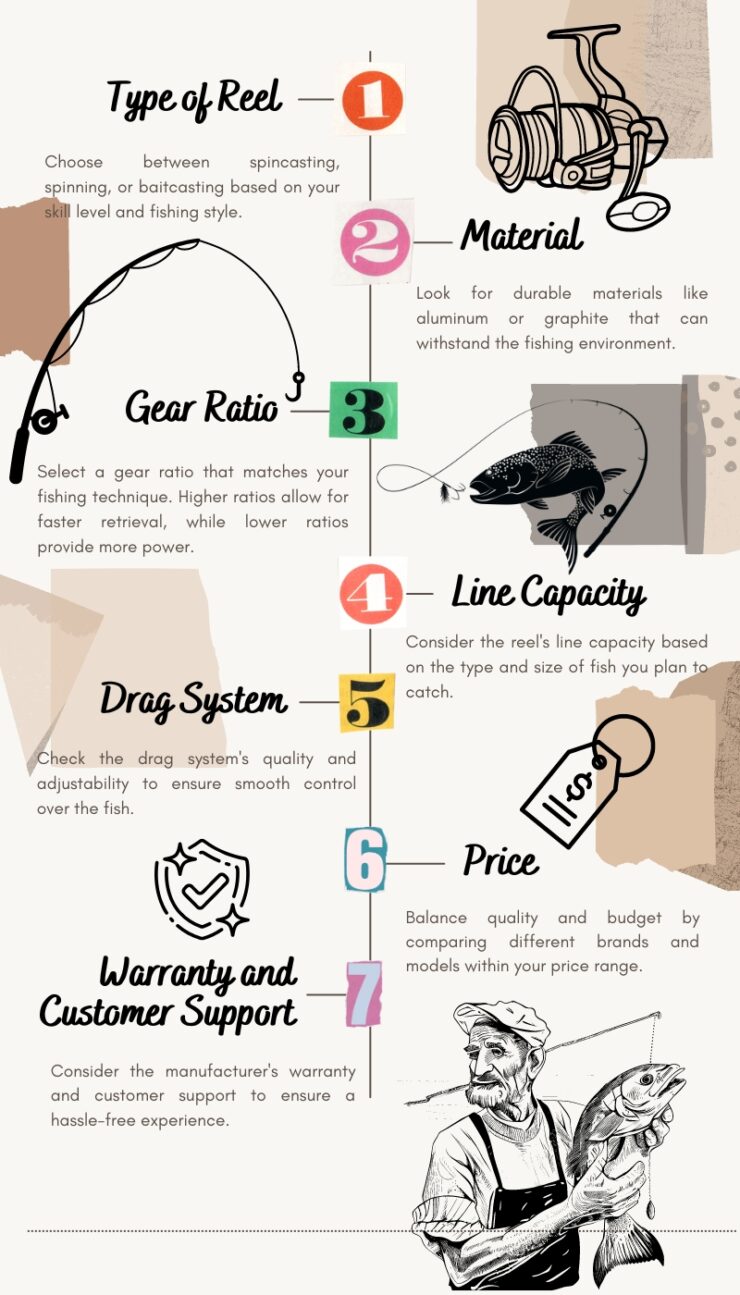
When selecting a reel, technical specifications dictate the experience. Understanding these numbers is essential for matching gear to target species.
| Feature | Spinning Reel | Baitcasting Reel | Spincasting Reel |
|---|---|---|---|
| Ideal Experience | Intermediate to Pro | Advanced | Beginner |
| Primary Use | Freshwater / Inshore | Precision / Heavy Cover | Casual / Youth |
| Gear Ratio | 5.2:1 to 6.2:1 | 5:1 to 8:1 | Fixed |
| Line Capacity | High (200-500 yds) | Moderate (150-200 yds) | Low (80-120 yds) |
Expert Perspectives and Industry Standards
In the world of angling, professional consensus often centers on "matching the tool to the task." Experienced anglers, such as those represented by industry leaders at organizations like Daiwa, emphasize that the gear ratio is the defining factor of a reel’s utility.
"If you are working a high-speed lure like a buzzbait, you need a high gear ratio (7:1 or higher) to keep the lure on the surface," says Adelaide Gentry, an expert in aquatic gear. "Conversely, if you are finessing a crankbait through deep structure, a lower gear ratio (5:1) provides the torque necessary to fight the resistance of the water and the weight of the fish."
Implications of Choice: How Reel Selection Affects Results
The choice of reel has deep implications for both your success rate and your enjoyment on the water.
The Precision Gap
Baitcasters provide a mechanical advantage that spinning reels cannot match regarding target accuracy. By using the thumb as a manual brake, the angler can stop a lure exactly when it reaches a specific coordinate. This level of control is the difference between a successful strike and a snag in the weeds.
The Ease of Access
Conversely, the "ease of use" provided by spincasting reels implies that the angler spends more time fishing and less time troubleshooting. For parents introducing children to the sport, this is critical. A frustrated child with a tangled line is a child who will not want to return to the water.
The Versatility Factor
Spinning reels remain the "Swiss Army Knife" of the industry. Their ability to handle braided line without memory, combined with the ease of casting light, finesse baits, makes them the most practical choice for anglers who find themselves switching between different water conditions throughout the day.
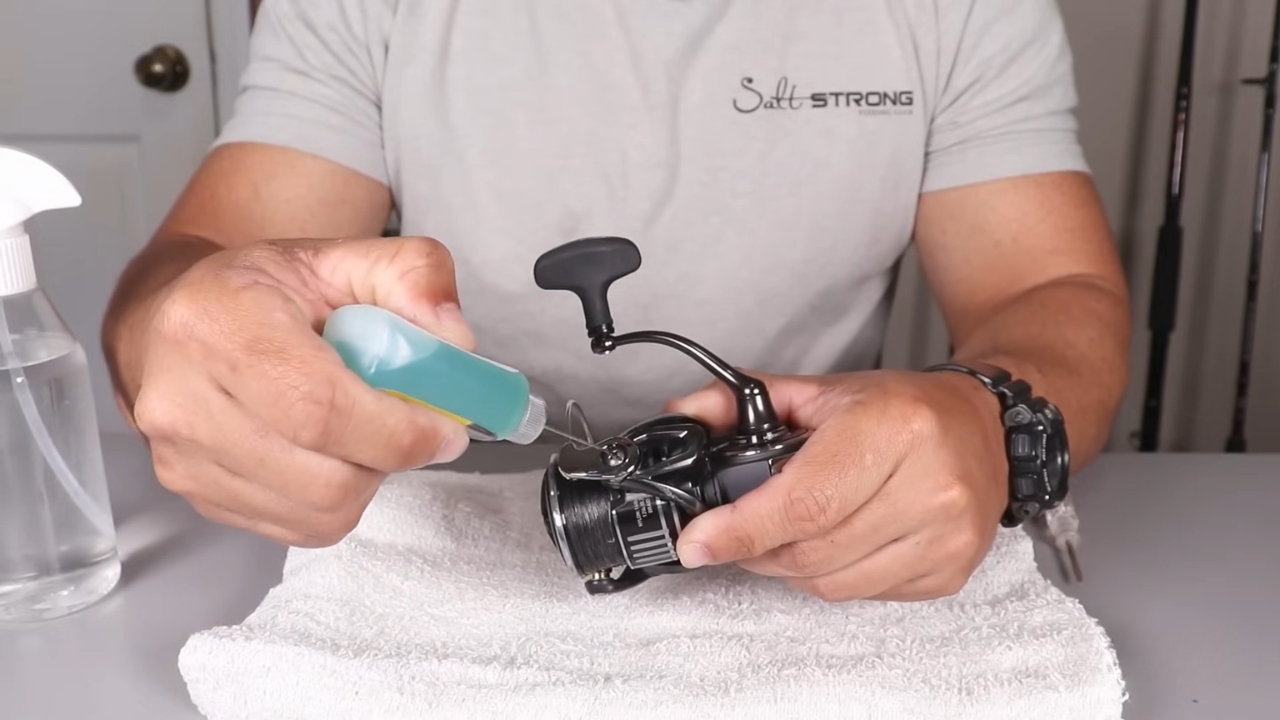
Maintenance: The Lifeblood of Performance
Regardless of the quality of your reel, it is only as good as its maintenance. Saltwater, dirt, and grit are the enemies of precision gears.
- Freshwater Rinse: After every trip, particularly in saltwater, a light spray of fresh water is essential to remove corrosive salt deposits.
- Lubrication: Periodically apply manufacturer-approved reel oil to the bail arm, handle knobs, and level wind gears.
- Drag Inspection: Always loosen the drag after a day of fishing to prevent the washers from becoming compressed and losing their responsiveness.
- Annual Overhaul: Once a year, disassemble the side plates for a deep clean and regreasing of the internal gears.
Frequently Asked Questions (FAQ)
What is the "Bird’s Nest" (Backlash) and how do I avoid it?
A backlash occurs when the spool’s inertia exceeds the line’s exit speed. To prevent this, increase the tension on your spool knob until the lure falls slowly when the release is pressed. Practice "thumbing" the spool as the lure hits the water.
Should I use braided line on a spinning reel?
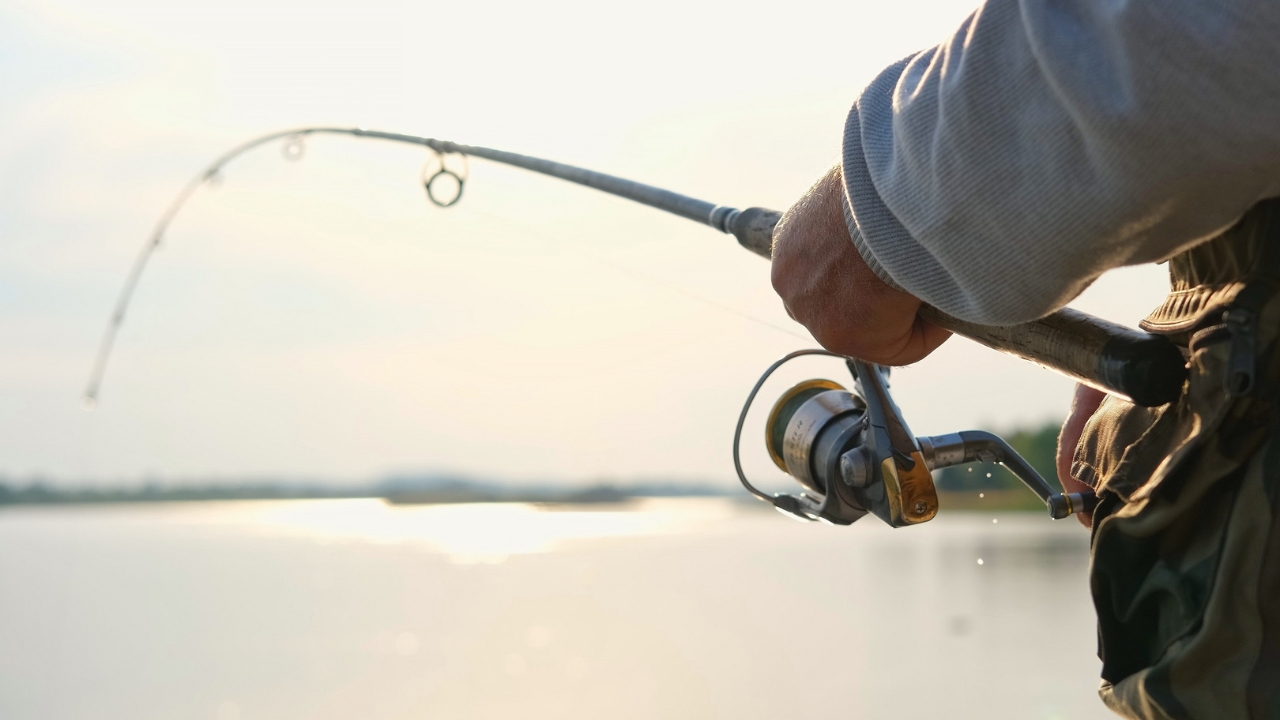
Absolutely. Braided lines have zero stretch and no "memory," which means they won’t form coils after sitting on the spool. This increases sensitivity, allowing you to feel the most subtle nibbles.
How often should I change my line?
If you fish weekly, change your monofilament at least twice a year. Monofilament breaks down under UV exposure and loses strength over time. Braided line can last longer but should be replaced if you see fraying.
Conclusion: Finding Your Perfect Fit
The debate between spinning, baitcasting, and spincasting is not about which is "better," but rather which is "appropriate." A professional angler would never use a spincaster in a high-stakes tournament, just as a beginner should not be burdened with the complex, high-maintenance requirements of a professional-grade baitcaster.
Your journey in fishing is personal. Whether you are seeking the mechanical satisfaction of a perfectly tuned baitcaster or the simple reliability of a classic spinning reel, the key is to understand your equipment, respect the water, and practice your casting. As the old saying in the angling community goes: "The reel is the tool, but the angler is the master." With the right gear in hand, the water becomes a landscape of endless possibility.