Date: September 1, 2026
Author: Samuli Haapasalo / Vuosi luonnossa (A Year in Nature)
The transition from late summer to autumn brings with it one of the most compelling spectacles in the natural world: the southward migration of birds. For the dedicated birdwatcher, this period is defined not merely by the departure of species, but by the unpredictable, often poetic encounters that occur as millions of avian travelers navigate the shifting landscapes of the Northern Hemisphere.
Main Facts: The Nature of Autumnal Passage
Unlike the explosive, rapid-fire nature of spring migration—where birds are driven by the hormonal urge to reach breeding grounds as quickly as possible—autumn migration is a drawn-out, leisurely affair. It is a process governed by the survival needs of a new generation, the gradual cooling of the climate, and the availability of resources.
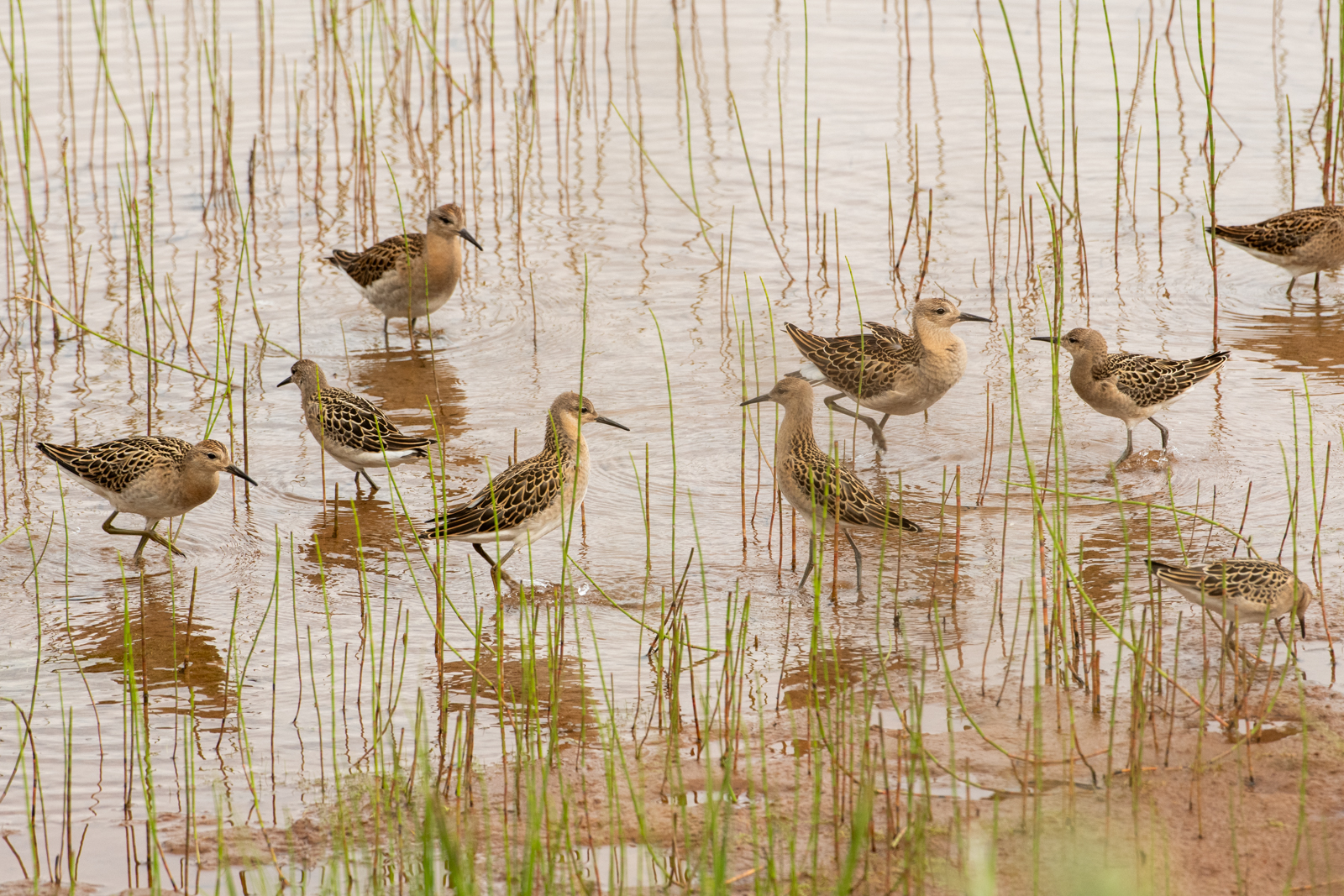
The fundamental fact of autumn migration is volume. In terms of sheer numbers, the autumn passage dwarfs that of the spring. This is due, in part, to the success of the breeding season; for many species, the flocks heading south are comprised of both seasoned adults and a large cohort of juveniles making their inaugural journey. Consequently, ornithologists and keen observers often use the density of these autumn flocks to assess the health and success of the preceding nesting season.
However, the journey is fraught with challenges. Changes in land use, the degradation of traditional "stopover" sites, and shifting climate patterns are placing unprecedented pressure on migratory populations. While the birds possess an innate navigational map, their ability to survive the journey relies heavily on the integrity of the habitats they encounter along the way.
Chronology: A Season in Flux
The calendar of autumn migration is not a static schedule but a dynamic reaction to environmental cues. As September progresses, the landscape changes—and with it, the behavior of the birds.
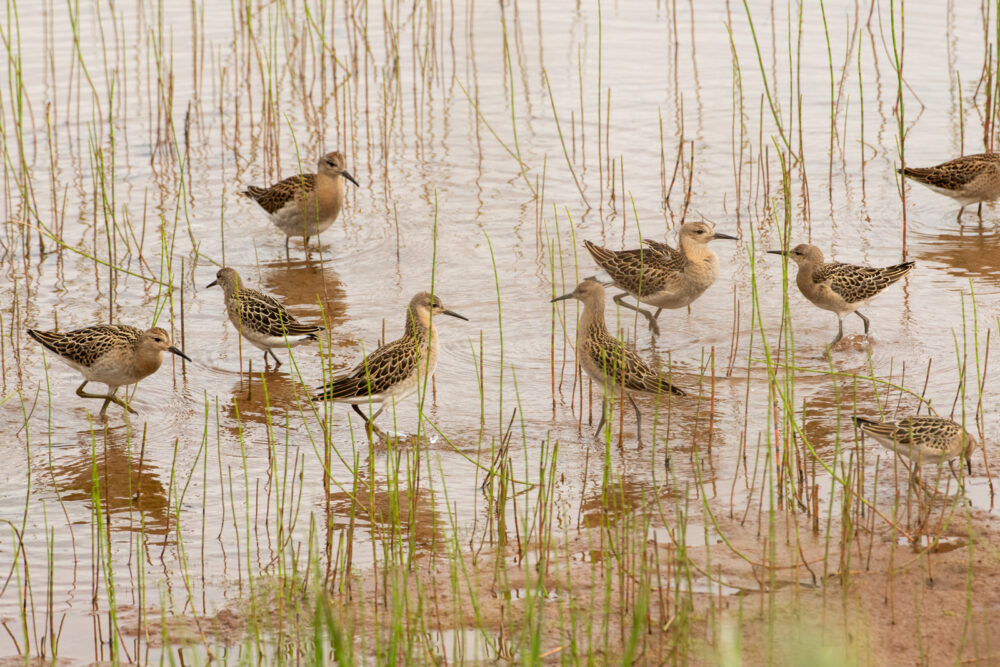
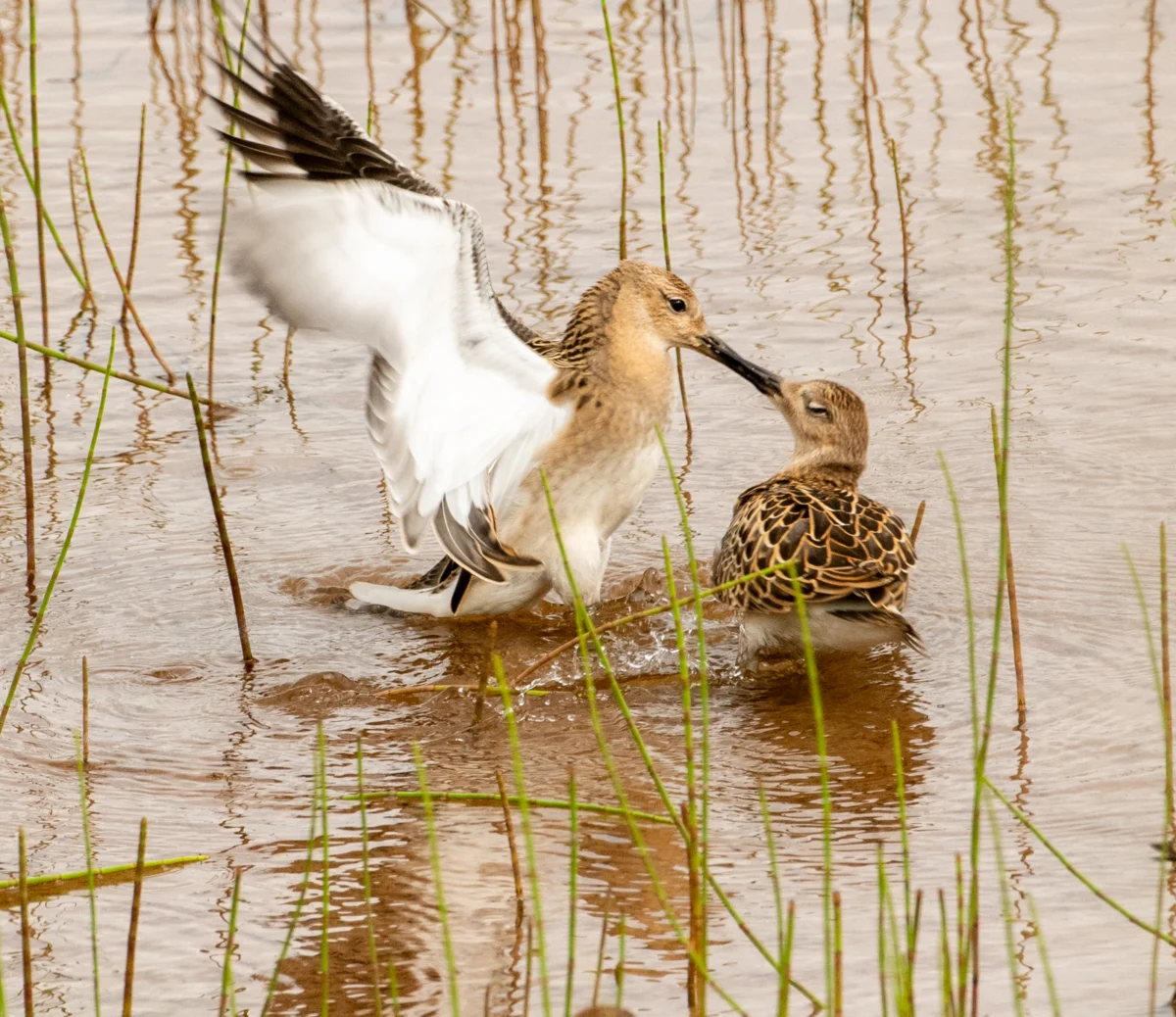
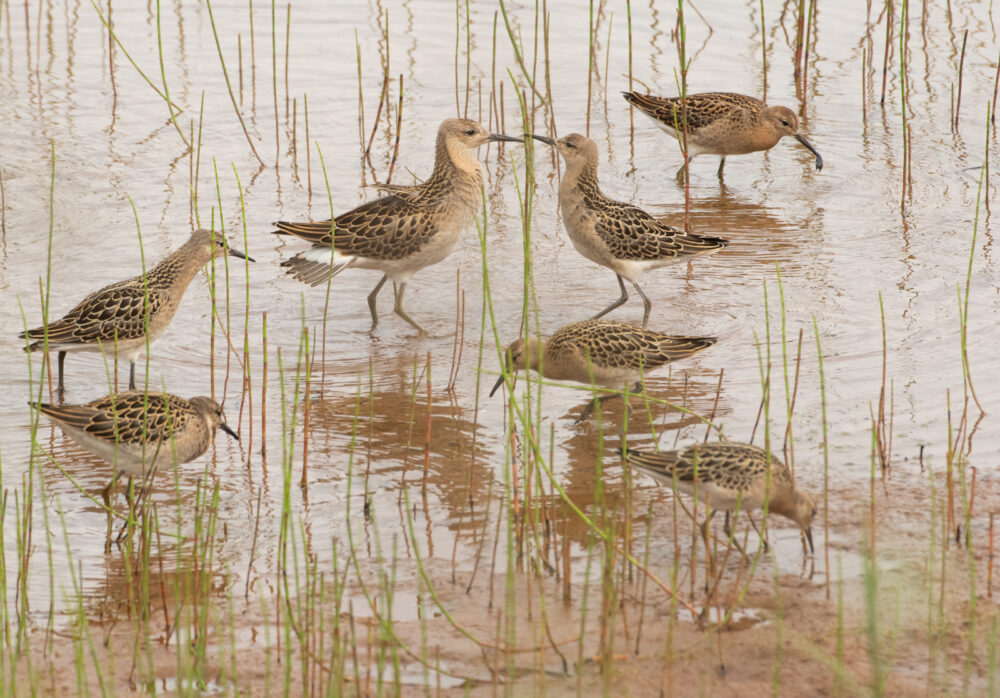
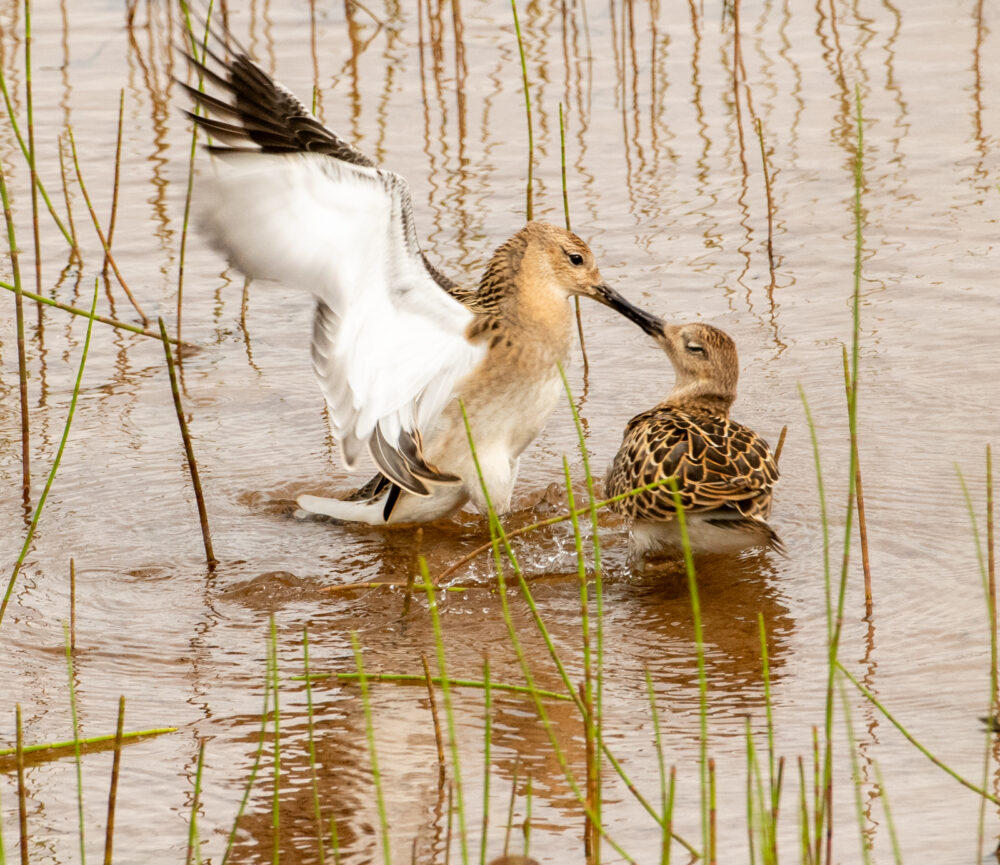
- Late July to Early August: The early pulse. Long-distance migrants, particularly shorebirds and waders, begin their retreat. Observations from northern regions, such as the Varanger Peninsula, highlight the erratic nature of these movements. When water levels in tundra ponds fluctuate due to localized weather, waders like the ruff (Calidris pugnax) and the spotted redshank (Tringa erythropus) may congregate in high numbers, providing a brief but spectacular window for observation.
- Late August to September: The main movement. As the days shorten and the "angle of the sun" shifts, the urge to migrate intensifies. For the observer, this is a time of "lajikoulu" (species school). Many birds are molting from their vibrant breeding plumage into duller, more cryptic winter attire. This transition makes identification a formidable challenge, requiring sharp focus on subtle field marks.
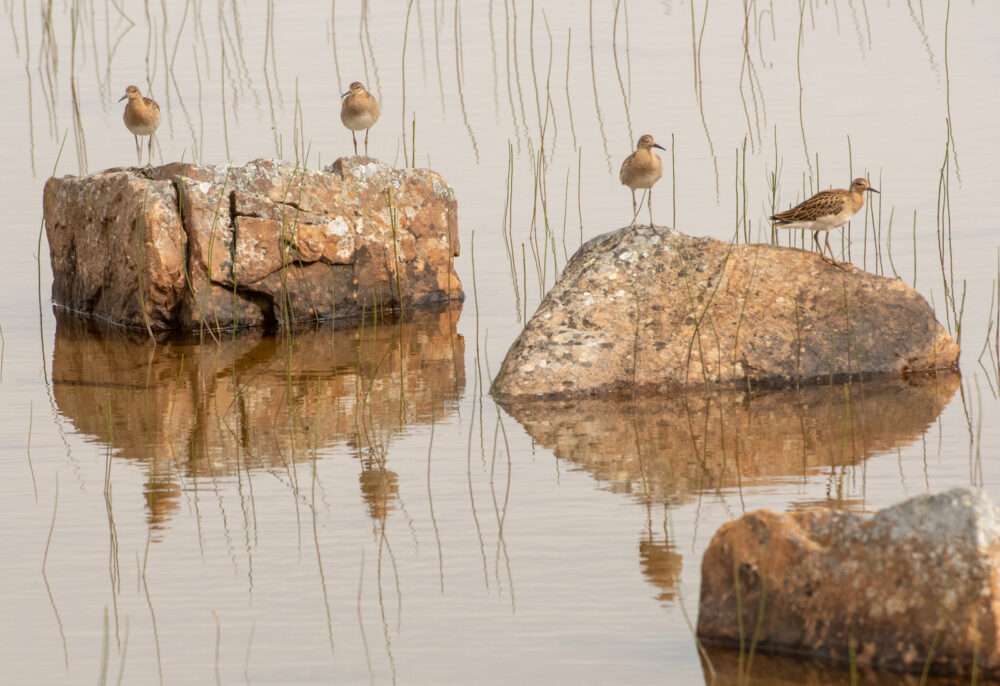
- October and Beyond: The "viivyttelijät" (the lingerers). As winter approaches, the timing of departure becomes increasingly dependent on local weather. If the autumn remains mild and water bodies stay ice-free, many species will delay their departure, sometimes for weeks. The observation of these late-season stragglers provides vital data on how climate change is altering the migratory threshold.
Supporting Data and Observations
The unpredictability of the autumn season is its most defining trait. Meteorological events act as the great disruptor of avian movement. Strong storm fronts, for instance, can displace migrants far from their traditional routes, leading to rare sightings in atypical habitats.
The Influence of Land and Water
The choice of stopover sites is dictated by a complex interplay of geography and biology:
- Hydrological Factors: For shorebirds, the water level in coastal lagoons and inland marshes is critical. Even minor variations can dictate whether a mudflat is an ideal feeding ground or an inaccessible desert.
- Agricultural Dynamics: Modern farming practices play a significant role. The shift toward early-harvested autumn crops has fundamentally altered the foraging landscape for many birds. Where once fields provided a reliable source of post-harvest grain, new agricultural cycles are forcing birds to adapt their refueling strategies.
- The "Thunderbolt" Effect: Atmospheric conditions, such as sudden thunderstorms, can effectively "drop" migratory flocks from the sky, forcing them to ground in areas where they might otherwise be seen only in transit. Conversely, stable, clear autumn days with active thermals are the preferred highways for larger birds like cranes, which utilize rising warm air to conserve energy during their long-distance flight.
The Challenge of Identification
A significant portion of the autumn experience is the "species school" element. As birds transition into winter plumage, the standard field marks used in spring become obscured. The enthusiast must look to secondary features—wing bars, mantle patterns, and behavioral nuances—to correctly identify species that have become visually muted.
Official Perspectives and Conservation Implications
While the act of migration is a testament to the resilience of nature, conservationists and ornithologists are raising alarms regarding long-term population trends. The data collected over the last several decades indicates a systemic decline in the numbers of most migratory bird species.
The Loss of Stopover Integrity
Experts emphasize that the decline is not solely due to issues on the breeding grounds or the final destination, but often at the critical "refueling stations" along the flyway. Land use changes, such as the draining of wetlands or the urbanization of rural fields, remove essential links in a chain. When a bird arrives at a traditional stopover site only to find it unsuitable for foraging, the energy deficit can prove fatal for the remainder of the journey.
Adapting to a Changing Climate
The trend of "lingering" is a point of intense study. As northern winters become milder, there is an observable increase in the number of birds attempting to overwinter in regions that were previously too harsh. While this may seem like an adaptation to a warming planet, it carries significant risks. A single, sharp cold snap can decimate populations of birds that have opted to stay rather than migrate. Scientists are currently monitoring these patterns to determine if this shift is a sustainable evolutionary adaptation or an ecological trap.
Implications for the Future: A Call for Vigilance
For the citizen scientist, the autumn migration is an invitation to contribute to a larger understanding of our environment. Every observation—from the arrival of a rare vagrant to the count of common species—feeds into databases that track the pulse of our changing ecosystems.
As we move deeper into the 2026 season, the message from the field is clear: nature is remarkably adaptable, yet increasingly fragile. The "surprising encounters" mentioned by observers like Samuli Haapasalo are not just isolated moments of beauty; they are indicators of a natural world in flux.
Engaging with the Environment
The recommendation for the modern observer is to move beyond passive viewing. By engaging with the nuances of migration—the sounds of the night sky, the shifting plumage of the waders, and the subtle changes in the autumn landscape—we gain a deeper appreciation for the fragility of these avian travelers.
The silence of an autumn morning, punctuated by the call of a passing crane, is more than just a seasonal marker. It is a reminder of the vast, interconnected network of life that spans continents. Protecting these migratory routes is not merely a matter of environmental policy; it is an act of preserving the very rhythm of the earth.
As we continue to track the 2026 season, Suomen Luonto invites its readers to support expert journalism and conservation efforts. By subscribing, you contribute to the ongoing study and protection of the diverse species that share our wild spaces. Join us in our commitment to the natural world.