As the global travel industry pivots toward sustainability and regenerative tourism, the ancient and ecologically diverse city of Tokat, Turkey, is stepping into the international spotlight. From July 27 to 31, 2021, this historic crossroads of civilizations will host the 16th Ecotourism and Sustainable Tourism Conference (ESTC), organized by The International Ecotourism Society (TIES). The event promises to be a landmark gathering, bridging the gap between centuries-old traditions and modern environmental stewardship.
The Convergence of History and Sustainability: An Overview
Tokat stands as a testament to the endurance of culture and the resilience of nature. Situated at the intersection of the Black Sea region and the Anatolian heartland, the city’s unique geography has served as a melting pot for 14 distinct civilizations dating back to the 5th century.
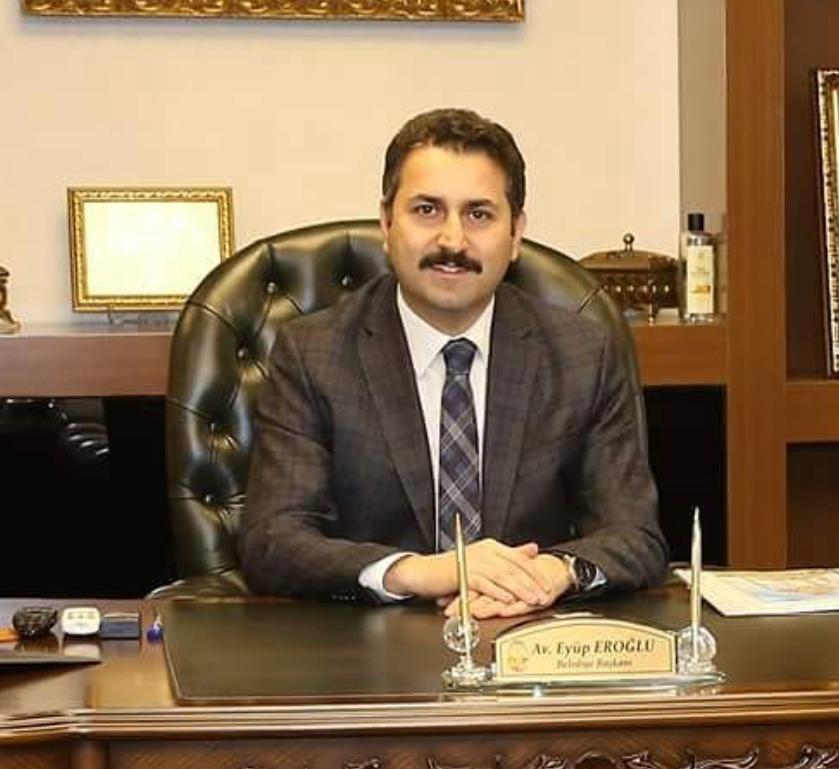
The selection of Tokat as the host for the 16th ESTC is no coincidence. It represents a strategic move by TIES to highlight destinations that possess both historical depth and a forward-thinking commitment to ecological preservation. Under the leadership of Mayor Eyüp Eroğlu—one of Turkey’s youngest and most dynamic civic leaders—the city has rebranded itself as a center for sustainable growth, proving that heritage conservation and modern tourism can exist in harmony.
A Chronology of Cultural and Natural Evolution
To understand the significance of Tokat, one must look at its long-standing history, which spans over 1,500 years.
- The Ancient Foundation (5th Century): Emerging as a critical settlement, the region utilized its transitional climate to support early agricultural and trade routes.
- The Era of Empires: Throughout the centuries, Tokat became a strategic stronghold for various empires, including the Romans, Byzantines, Seljuks, and Ottomans. This period left behind the iconic Tokat Castle, which looms over the city today as a symbol of its enduring spirit.
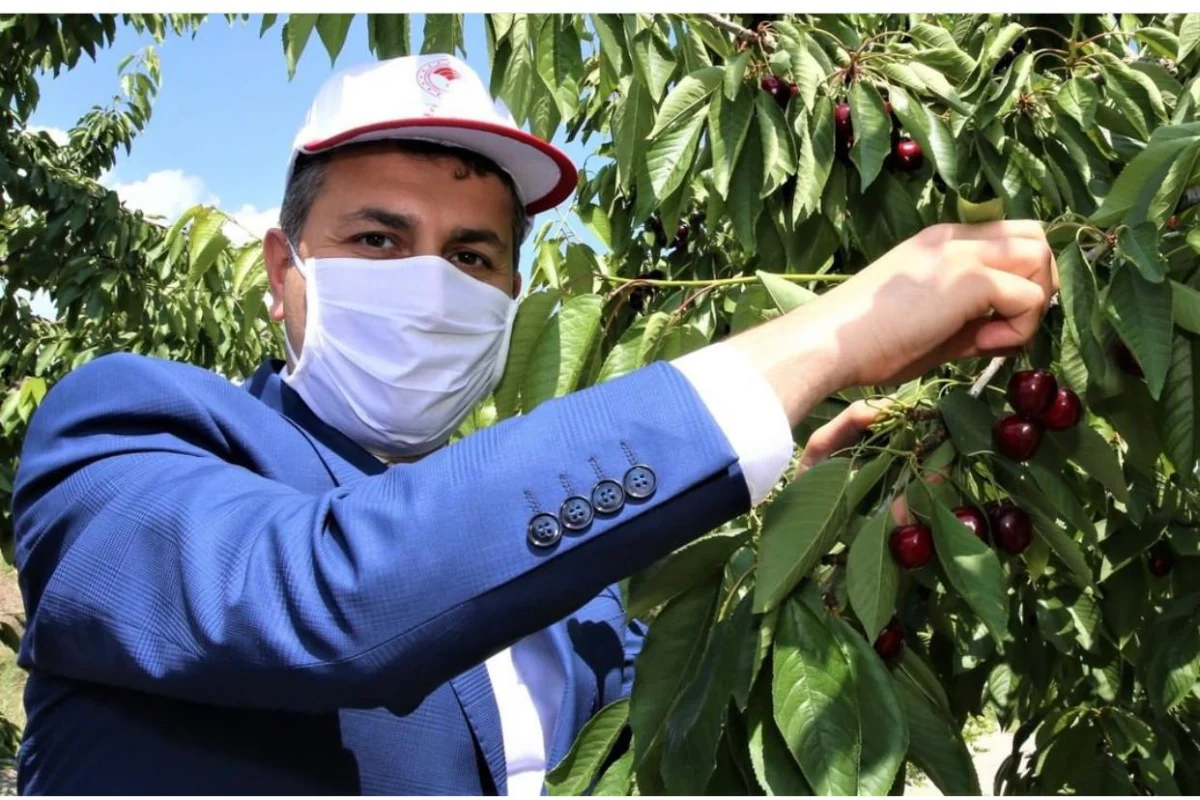
- Modern Agricultural Integration: Over the last few decades, Tokat has refined its agricultural practices, moving toward sustainable, organic production that supports 82 distinct varieties of produce, ranging from cereals to orchard fruits.
- The Transition to Global Tourism: In the lead-up to 2021, the municipality focused on infrastructure improvements that favor eco-conscious travel, setting the stage for its selection as a premier destination for international conferences.
Supporting Data: The Ecological and Gastronomic Riches of Tokat
Tokat’s appeal to the ecotourism sector is deeply rooted in its biological and culinary diversity. The city’s elevation, combined with its unique climate, creates a micro-environment that is exceptionally fertile.
Biodiversity and Agriculture
The region boasts a staggering 82 thriving varieties of crops. This agricultural abundance is not merely for sustenance; it is the foundation of the city’s economy and its culinary identity. The local agricultural sector emphasizes traditional farming techniques that minimize chemical intervention, aligning perfectly with the principles of sustainable tourism promoted by TIES.
The Gastronomic Identity
Visitors to the conference will be introduced to a rich culinary heritage that prioritizes local sourcing—a core tenet of the "farm-to-table" movement. The celebrated Tokat Kebab, a dish that perfectly encapsulates the marriage of local meats and fresh, seasonal vegetables, is a highlight. Beyond the kebab, the region is famous for:
- Vine Leaves: Renowned for their quality and flavor.
- Molasses: A traditional, nutrient-dense staple of the region.
- Walnuts and Fenugreek: Key ingredients that define the authentic Anatolian flavor profile.
This culinary biodiversity is supported by the land’s natural fertility, which remains largely protected from industrial over-exploitation.
Official Responses: Vision from the Mayor’s Office
In a series of exclusive discussions, Mayor Eyüp Eroğlu emphasized the city’s commitment to the conference and the long-term vision for Tokat’s role in global tourism.
"Along with Tokat’s friendly local people and their welcoming outlook, the Tokat Municipality will make every effort to develop our city’s tourism to be represented in the international arena, and we will accomplish this in a sustainable way," Mayor Eroğlu stated.
The Mayor’s approach to governance has been characterized by a blend of youthful innovation and profound respect for ancestral tradition. When asked about the upcoming conference, he expressed a deep sense of responsibility. "Tokat Municipality welcomes The International Ecotourism Society and its valuable guests to our city and looks forward to focusing international attention on our thriving, unique destination. We hope to have the opportunity to show the world our cultural legacy and our legendary conference hospitality."
A Commitment to Safety
Addressing concerns regarding health and safety in the wake of global travel challenges, the Mayor highlighted the meticulous preparation undertaken by his administration. "I am impressed with the care TIES has taken to ensure the safety of ecotravelers and the community of Tokat," he noted. The city has implemented robust protocols, ensuring that the conference serves as a model for how global gatherings can resume with integrity and care for public health.
Implications for the Future of Ecotourism
The hosting of the 16th ESTC in Tokat carries significant implications for both the city and the wider industry.
Elevating the "Middle-Anatolia" Brand
For decades, tourism in Turkey has been heavily concentrated in coastal regions. By hosting an international event in the interior, Tokat is signaling a shift in global tourism trends toward "inland" and "heritage" destinations. This move serves to decentralize tourism, reducing the environmental strain on over-visited coastal spots while bringing economic development to the Anatolian heartland.
Establishing a Blueprint for Sustainability
The conference serves as a practical experiment. By showcasing how a city with 1,500 years of history can integrate modern sustainable practices, TIES and the Tokat Municipality hope to provide a template for other historic cities. The lessons learned in Tokat regarding waste management, local food sourcing, and cultural preservation will likely inform future policy for sustainable tourism globally.
Bridging Cultures through Experience
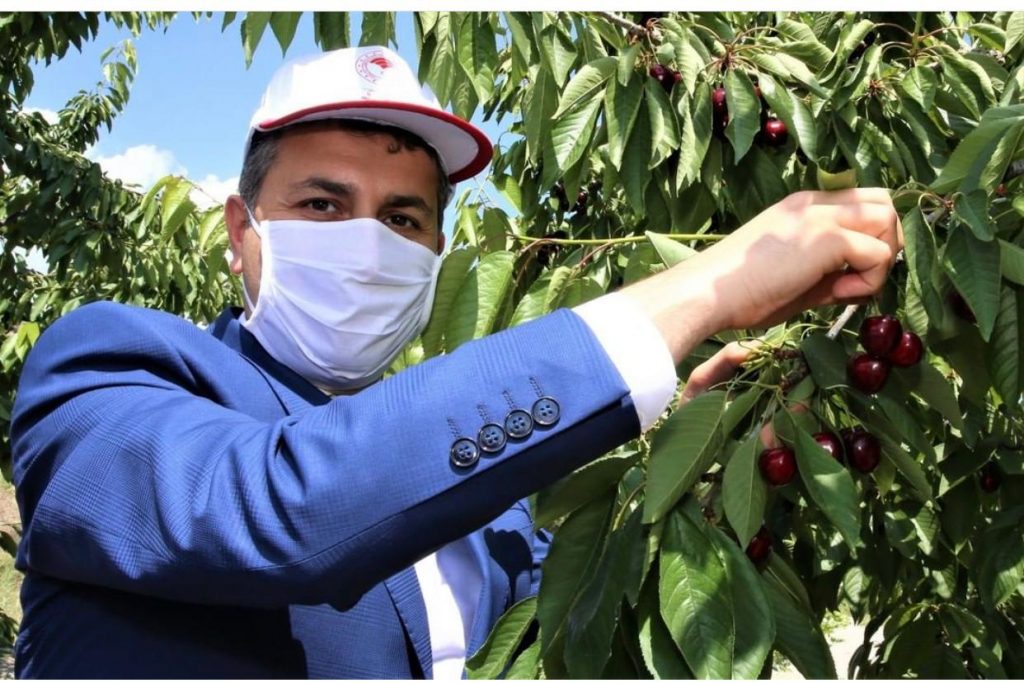
At its core, the conference is about connection. Ecotourism is not just about the environment; it is about the "human landscape." By inviting international delegates to walk the streets near the Tokat Castle, participate in the harvest of local produce, and engage with the local community, the event aims to foster a deeper understanding of the "Anatolian Heritage."
Conclusion: An Invitation to Discovery
As July 27 approaches, the anticipation in Tokat is palpable. The city is ready to open its doors to the world, offering a unique blend of historical gravitas and natural wonder. For travelers and industry professionals, this is more than a conference; it is an invitation to witness a city that has preserved its soul while embracing a sustainable future.
The International Ecotourism Society (TIES) encourages all interested delegates and advocates for sustainable travel to register for the conference. By attending, participants are not only contributing to the discourse on environmental conservation but are also supporting the growth of a destination that truly embodies the harmony between civilization and nature.
For those interested in participating in this landmark event, registration and additional information can be found via the official TIES conference portal.
Tokat awaits—ready to share its story, its flavors, and its promise of a more sustainable world.