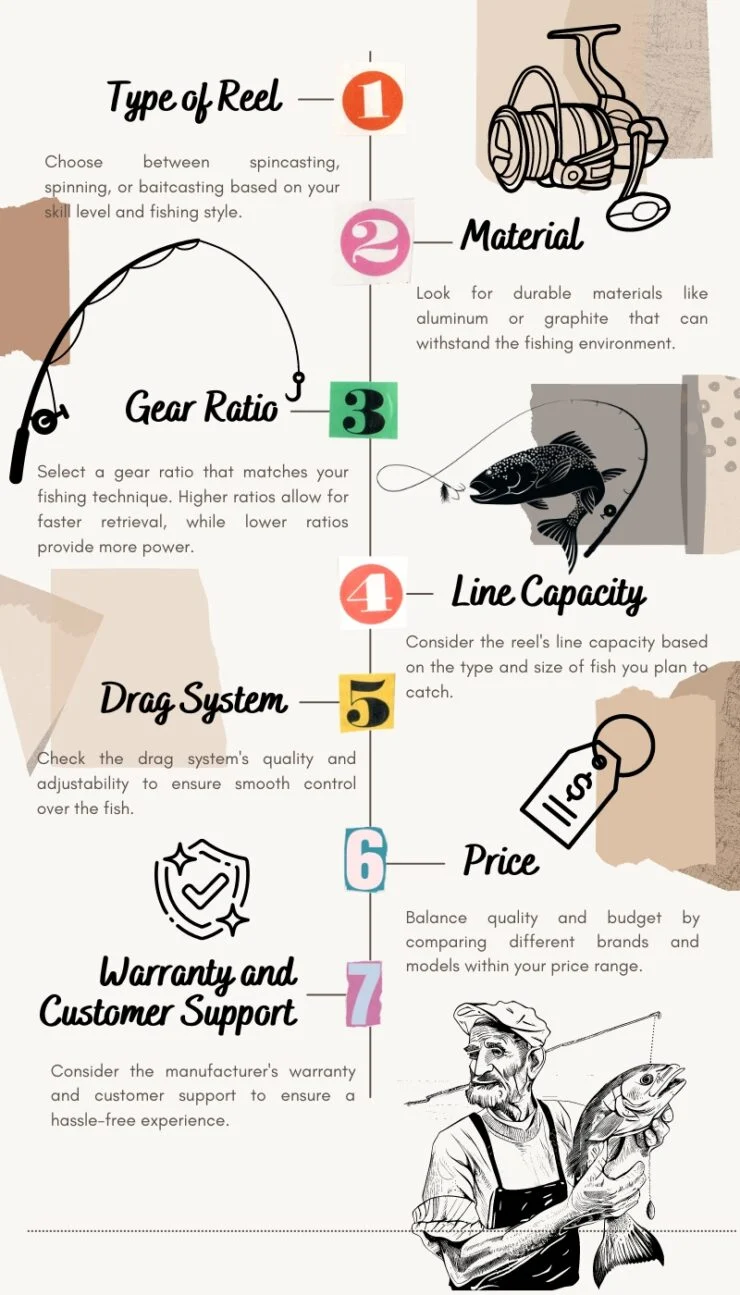
For generations, the art of angling was a test of raw patience and rudimentary tools. Before the advent of the modern fishing reel, fishermen relied on simple poles and nets, manual methods that, while storied, lacked the precision and efficiency required for modern sport fishing. Today, the landscape of angling has been transformed by sophisticated mechanical engineering, allowing enthusiasts to target species with surgical accuracy and unparalleled control.
Understanding the mechanics of your gear is not merely a technical exercise; it is the fundamental bridge between a casual hobbyist and a skilled angler. Whether you are navigating the tranquil waters of a local lake or battling trophy-sized fish in competitive circuits, the choice of your reel—be it a spinning, baitcasting, or spincasting model—dictates the success of your day on the water.
The Evolution of the Reel: A Chronology of Innovation
The history of the fishing reel is a testament to human ingenuity in the pursuit of the "big catch." While ancient civilizations utilized various forms of line storage, the modern reel as we recognize it today began to take shape in the early 20th century.
- 1938: The Spinning Revolution: The trajectory of modern angling changed permanently when Daiwa Seiko Co., Ltd. introduced the first functional spinning reel. This design, characterized by a stationary spool that allows line to peel off freely during a cast, solved the persistent issue of line tangles and significantly increased casting distance for light lures.
- 1956: Accessibility for All: The Shakespeare Fishing Tackle Company disrupted the market by introducing the first spin-casting reel. By enclosing the spool within a protective housing and utilizing a push-button release mechanism, Shakespeare brought the joy of fishing to the masses, effectively removing the steep learning curve associated with traditional open-faced reels.
- 1958: The Rise of the Baitcaster: While early iterations existed, the baitcasting reel was solidified as a professional-grade tool when George "Butch" Snyder Jr. championed its use and design. These reels, which feature a rotating spool, offered a level of mechanical power and accuracy that would eventually become the industry standard for bass fishing and heavy-duty applications.
Anatomical Breakdown: The Big Three
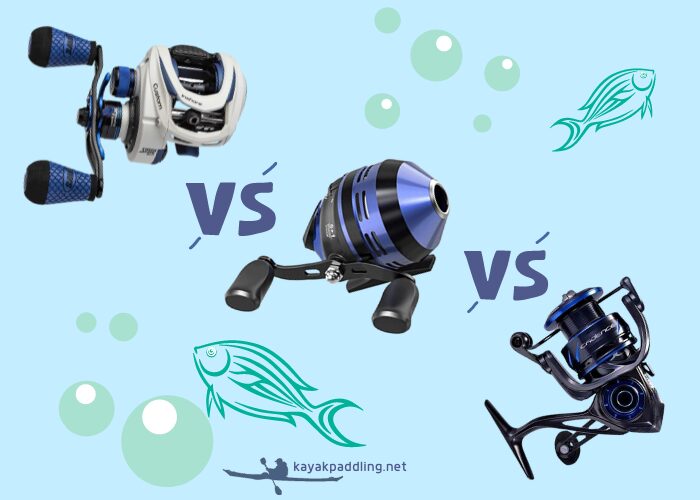
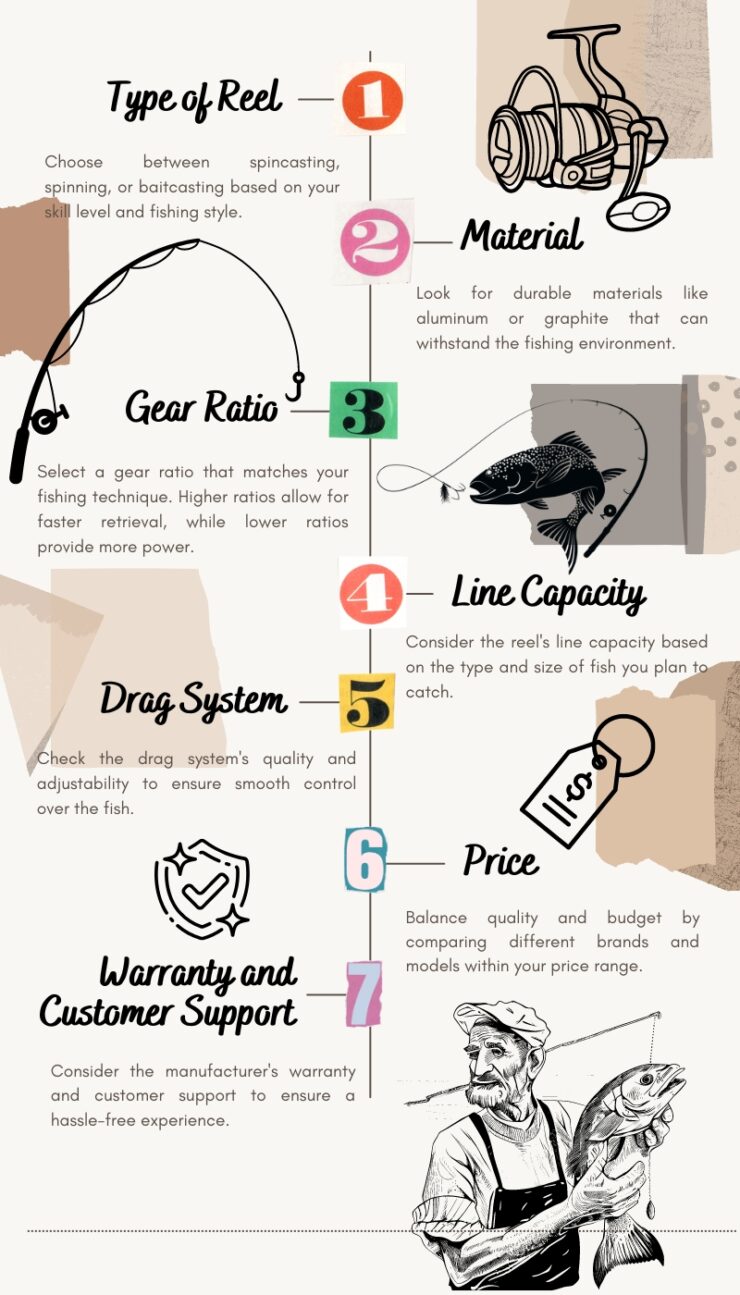
To choose the right equipment, one must understand the unique mechanical properties of the three primary reel types.
Spincasting: The Gateway to Angling
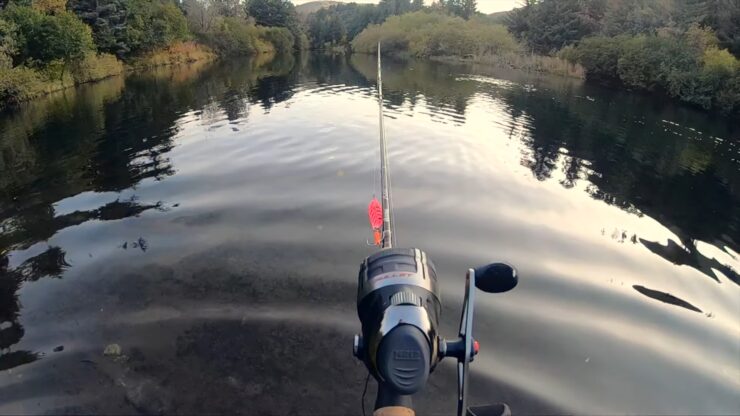
The spincasting reel is defined by its ease of use. It operates on a simple principle: pressing a button releases the line, and the centrifugal force of the cast carries the lure forward. Because the spool is encased, the risk of "bird’s nesting" or line tangling is virtually eliminated. However, this simplicity comes at a cost. Spincasters generally lack the drag precision and high-speed retrieval rates of their more complex counterparts, making them less suited for tournament-level aggression but perfect for beginners and casual outings.
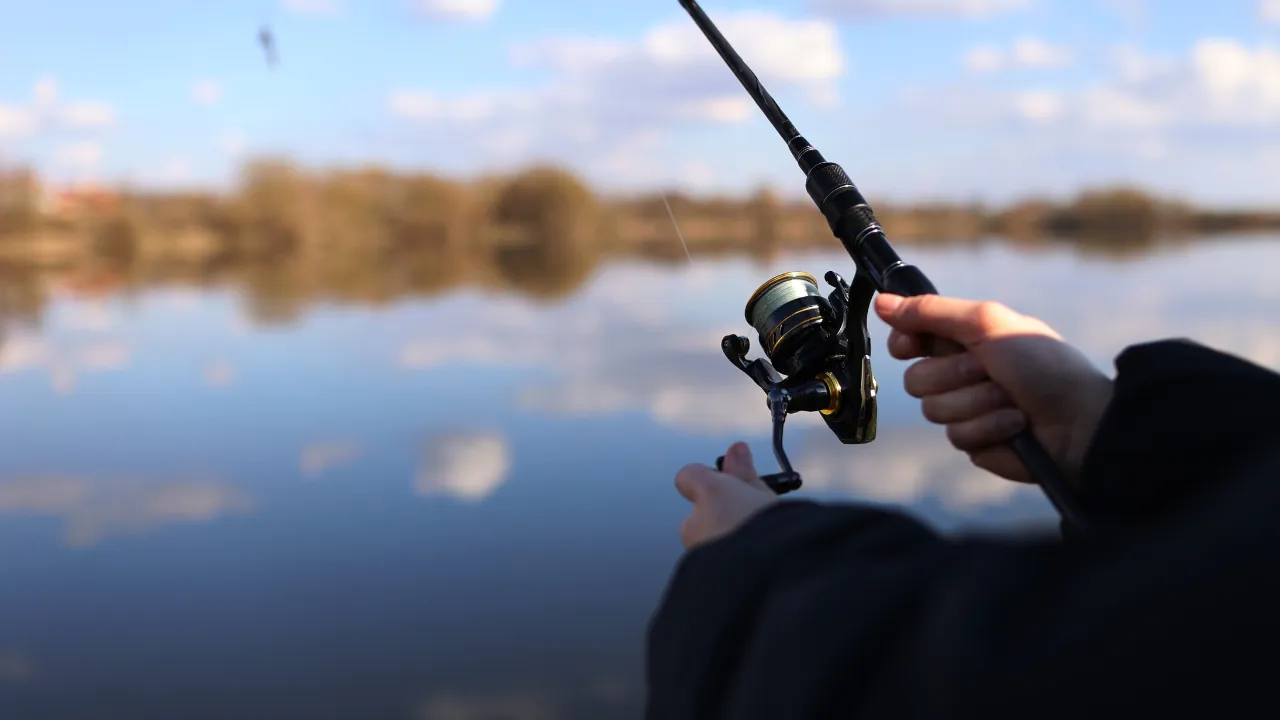
Spinning Reels: The All-Rounder
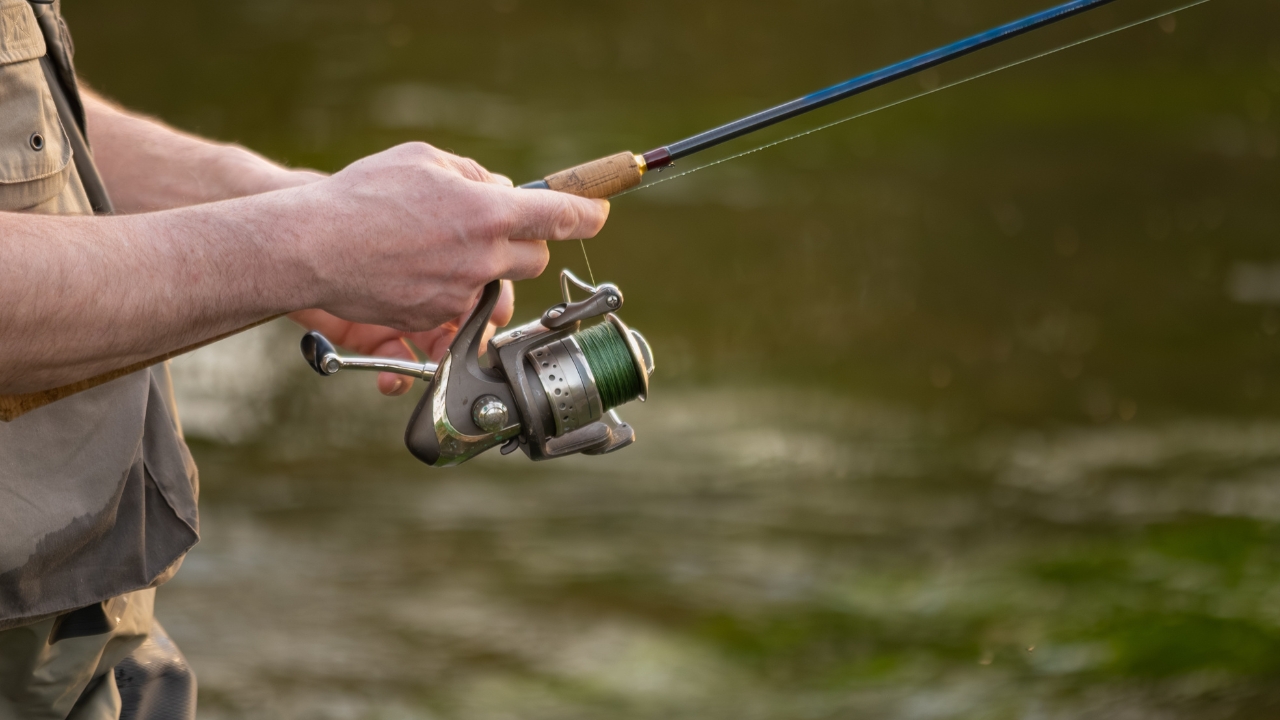
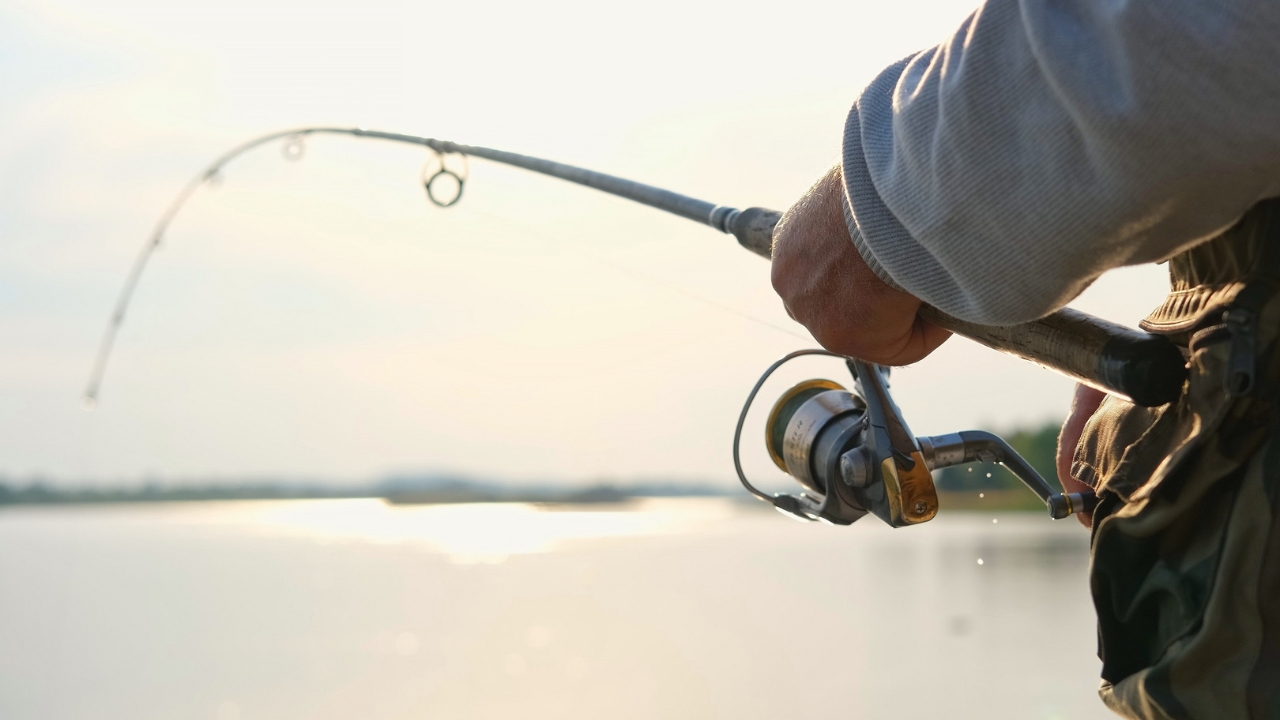
If there is a workhorse in the fishing world, it is the spinning reel. Mounted beneath the rod, these reels offer a balance of weight, ease of use, and versatility. Because the line unspools in coils rather than pulling directly off a spinning drum, they are exceptionally efficient for casting light lures and thin-diameter lines. They are the go-to choice for intermediate anglers who demand performance across various freshwater conditions, including trout, panfish, and bass fishing.
Baitcasting Reels: The Professional’s Choice
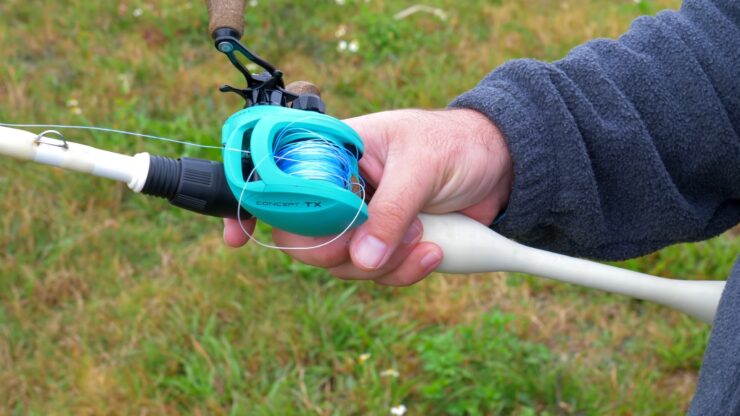
Baitcasting reels are the pinnacle of technical angling. By utilizing a spool that rotates as the line exits, these reels provide superior line control and accuracy. They are designed for precision: an angler can stop the lure mid-air with a slight thumb touch, landing a bait in a tiny pocket of water behind a log or structure. While they require significant practice to master—specifically to avoid backlash—the payoff is unmatched power and speed, particularly when using heavy lines or large, deep-diving crankbaits.
Supporting Data: Performance Metrics
| Feature | Spincast | Spinning | Baitcasting |
|---|---|---|---|
| Learning Curve | Low | Moderate | High |
| Accuracy | Moderate | Good | Excellent |
| Casting Distance | Low-Moderate | High | High |
| Line Capacity | Limited | High | High |
| Ideal For | Beginners | Versatility | Precision/Power |
The gear ratio—the number of times the spool rotates per single turn of the handle—is a critical factor in performance. A high gear ratio (e.g., 7:1) is essential for rapid retrieval and working topwater lures, while a lower ratio (e.g., 5:1) provides the mechanical advantage necessary for hauling heavy lures or large fish from deep, snag-heavy environments.
Implications for Modern Angling Strategy
The decision-making process for choosing a reel is not solely based on price or brand; it is a tactical choice. The implications of selecting the wrong reel can range from a frustrating day of constant untangling to the loss of a record-breaking fish.
For instance, in competitive bass fishing, the baitcasting reel is non-negotiable. Its ability to handle braided lines and provide the necessary torque to pull a fish out of heavy vegetation is essential. Conversely, in the world of light-tackle trout fishing, a heavy baitcaster would be detrimental; the drag and weight would prevent the subtle presentation required to entice finicky fish.
Furthermore, the integration of advanced braking systems—centrifugal and magnetic—in modern baitcasters has mitigated the "backlash" issues that once plagued the technology. These systems allow for micro-adjustments, ensuring that the spool speed is perfectly synchronized with the lure’s velocity, effectively making high-end baitcasting more accessible to the average angler than ever before.
Maintenance: Protecting Your Investment
A fishing reel is a precision instrument. Exposure to the elements—water, sand, salt, and debris—can degrade even the most expensive hardware. Maintenance should be viewed as a routine ritual:
- Freshwater Rinsing: Always rinse your gear with fresh water after a day in the field, particularly if you have been fishing in saltwater or brackish environments.
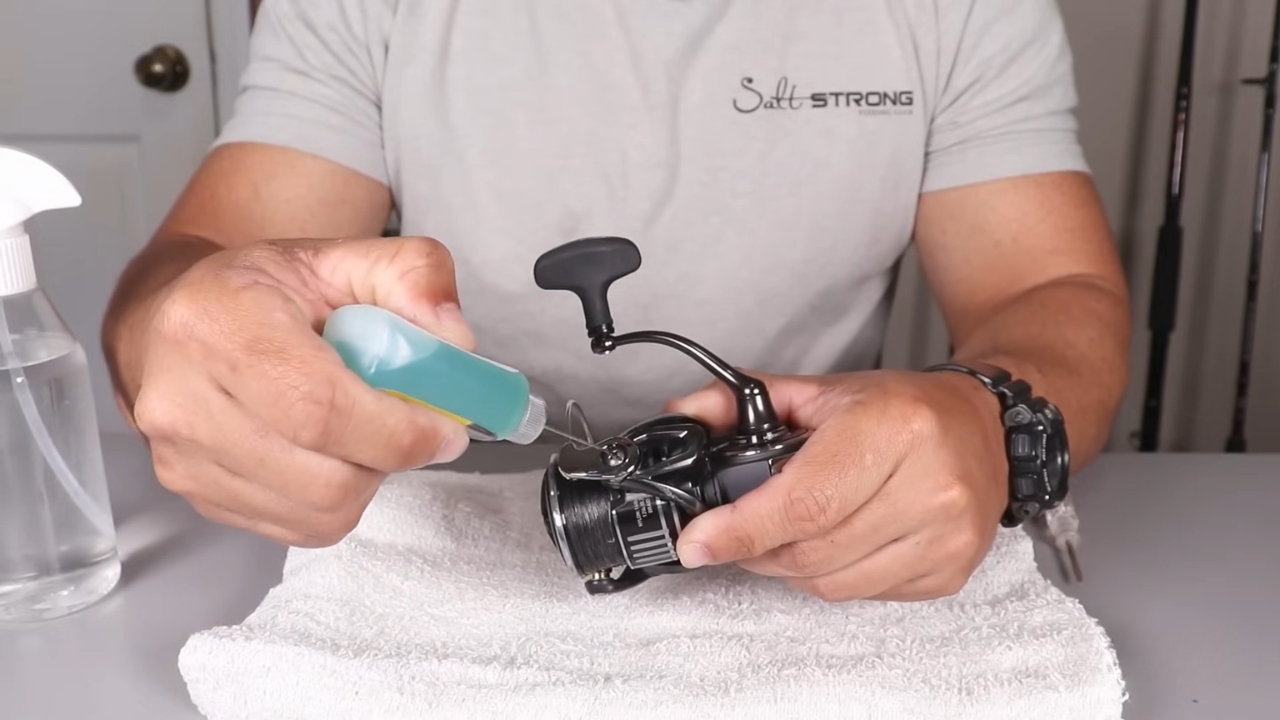
- Lubrication: Periodically apply high-quality reel oil to the handle, bail arm, and moving joints. Avoid over-lubricating, as this can attract dust and grime.
- Drag Care: Always loosen the drag after use. Storing a reel with a tight drag compresses the internal washers, leading to uneven tension and eventual failure.
- Annual Service: For high-end baitcasters and spinning reels, consider a professional breakdown and cleaning once a year to ensure internal gears remain free of oxidation and wear.
Frequently Asked Questions
What is the "backlash" that people speak of, and how can it be prevented?
Backlash, often called a "bird’s nest," happens when the spool on a baitcasting reel spins faster than the line is actually traveling. It is primarily a timing issue. To prevent it, tighten your spool tension knob so that the lure falls slowly when the button is pressed, and learn to feather the spool with your thumb during the final moments of the cast.
Can I use a spinning reel for surf fishing?
Absolutely. Many surf casters prefer large-capacity spinning reels because they allow for long-distance casting of heavy weights into the surf. When choosing a reel for saltwater, ensure it features sealed ball bearings to prevent corrosion from salt spray.
Is there a benefit to using braided line?
Braided line has zero stretch, providing incredible sensitivity. You can feel the slightest vibration, which is a massive advantage when fishing deep or in heavy cover. Because it has a smaller diameter than monofilament of the same strength, you can fit significantly more line on your spool.
Expert Perspective: The Path to Mastery
Adelaide Gentry, a seasoned expert in the field of outdoor sports, emphasizes that while equipment is vital, it is merely an extension of the angler’s skill. "The reel is a tool that translates intent into action," Gentry notes. "Whether you are a beginner picking up a spincast rod for the first time or a tournament pro tweaking a baitcaster for a specific presentation, the key is consistency. Understand the drag, feel the weight of your lure, and learn how the mechanics of your specific reel react to the environment."
Conclusion: Selecting Your Companion
Ultimately, the best fishing reel is the one that best complements your current skill level and your specific objectives. Beginners should not be ashamed of the simplicity of a spincaster; it provides the confidence to learn the fundamentals without the frustration of technical failure. As you evolve, the spinning reel will offer the flexibility to explore new waters and techniques. Finally, when the call for precision and power becomes the priority, the baitcasting reel will be waiting to take your fishing to the professional level.
Remember, technology will continue to advance, but the core of angling remains the same: a connection between the human, the water, and the fish. Respect your gear, maintain it with care, and never stop refining your technique. The next great catch is only one cast away.