In a landmark development for the European renewable energy sector, energy storage provider Return has successfully secured a €835m ($939m) portfolio financing facility. Underwritten by global banking heavyweights Rabobank and Deutsche Bank, the deal represents a pivotal shift in how large-scale energy storage infrastructure is funded and deployed in Germany. This capital infusion is earmarked to accelerate the company’s aggressive rollout of battery energy storage systems (BESS) and the further development of its proprietary Virtual Flexibility Portfolio (VFP), addressing the urgent need for grid stability in an era of rapid decarbonization.
The Financial Architecture of Energy Transition
The €835m financing framework is uniquely designed to be scalable. It does not merely fund existing assets but provides a structured mechanism to incorporate additional, eligible storage projects as they reach financial close. This "evergreen" approach to project finance is intended to streamline Return’s ability to move from development to operation, effectively lowering the barrier to entry for large-scale battery deployment.
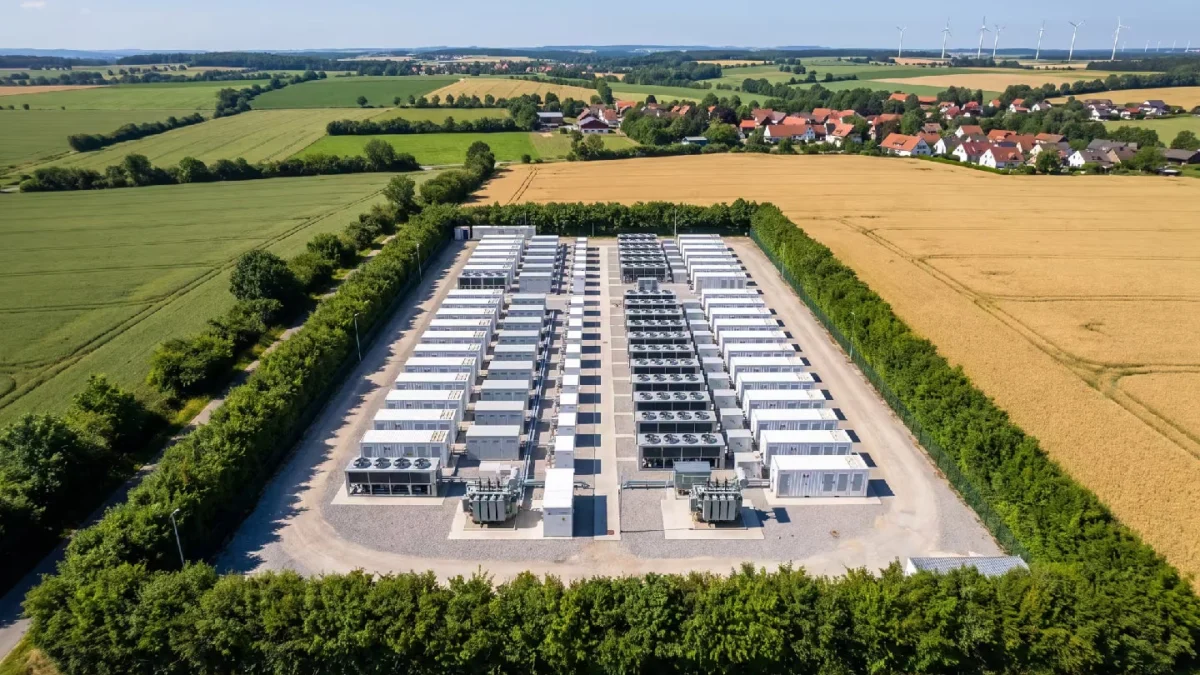
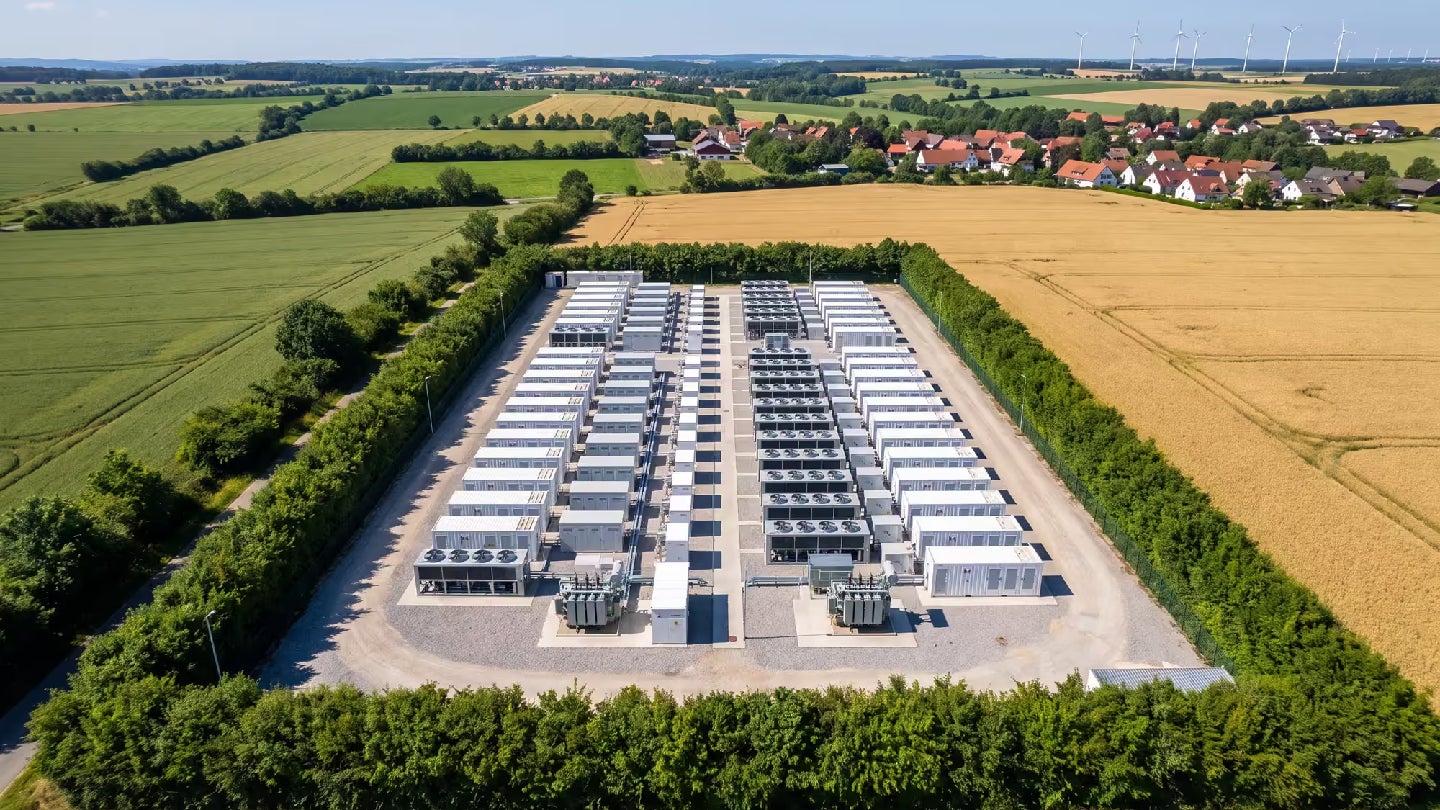
The financing package covers an initial trio of German battery storage projects totaling 117MW. However, the true significance lies in the underlying framework, which acts as a blueprint for Return’s ambitious growth trajectory. By consolidating the financing of physical assets with their digital flexibility layer, the company is positioning itself to be a dominant player in the German market.
Chronology: A Rapid Rise in Storage Capacity
Return’s recent financial success is the culmination of a deliberate strategy focused on the intersection of physical infrastructure and software-led energy management.
- Strategic Foundation: Over the past several years, Return has focused on building a cross-border portfolio of storage assets, securing partnerships with major energy players such as ENGIE, Centrica Energy, Vattenfall, and Eneco.
- Scaling Up: In recent months, Return intensified its German operations, recognizing that the German grid’s increasing reliance on intermittent wind and solar power requires a corresponding increase in "firm" capacity.
- The Milestone Deal: The negotiation with Rabobank and Deutsche Bank concluded in late 2026, setting the stage for the company’s 2027 operational ramp-up.
- Future Outlook: Looking ahead, the company has publicly committed to installing at least 1GW of battery storage capacity annually in Germany starting in 2027, with anticipated annual capital expenditures between €750m and €1.2bn, depending on market volatility and regulatory shifts.
Supporting Data: The Scale of Impact
To understand the impact of this investment, one must look at the technical capacity of the assets involved. Return estimates that its current 117MW portfolio—if configured with four-hour battery systems and operated through two full charge-discharge cycles per day—could provide enough electricity to power approximately 100,000 German households annually.
The math behind these figures highlights why battery storage has transitioned from a niche technology to a grid necessity. As Germany continues its Energiewende (energy transition), the country faces a chronic need to balance surplus renewable generation with peak demand periods. Return’s VFP model aggregates multiple disparate battery sites into a single, cohesive virtual platform. This allows for:
- Scalable Flexibility: Customers can access a larger pool of capacity than any single battery site could offer.
- Optimized Dispatch: AI-driven software ensures that the batteries are charged when electricity prices are low (or negative) and discharged when demand—and prices—spike.
- Revenue Stability: By serving as a bridge between fluctuating supply and consistent demand, the VFP provides a reliable revenue stream that satisfies the rigorous risk-assessment criteria of institutional lenders like Rabobank and Deutsche Bank.
Official Responses: Aligning Finance with Innovation
The leadership at Return views this financing as a validation of their business model. Daniel Witvoet, Chief Financial Officer at Return, emphasized that the energy transition requires more than just new hardware; it requires new ways of thinking about capital allocation.
"As demand for energy flexibility grows, we need to scale not just our battery storage capacity, but also the way we finance it," Witvoet stated following the announcement. "By bringing together physical infrastructure financing and our virtual flexibility model, we can expand more efficiently and respond to our customers’ evolving needs. This is an important step towards our ambition to become a leading independent provider of energy flexibility in Germany."
The complexity of the deal required a massive collaborative effort. Rabobank served as the lead financial advisor, while legal counsel was provided by a consortium of global firms, including Hogan Lovells, Cadwalader, and White & Case. The inclusion of specialized technical and financial advisors such as Baringa, DNV, EY, and Marsh underscores the rigorous due diligence required to structure a financing facility of this size in the volatile European energy market.
Implications: A New Era for the German Power Grid
The implications of this financing deal are far-reaching for the German energy market and the broader European Union.
1. Market Integration
Germany’s electricity system is undergoing a massive transformation. With the phasing out of coal and nuclear power, the grid is increasingly susceptible to frequency instability caused by the intermittency of solar and wind energy. Return’s ability to aggregate 117MW—and eventually gigawatts—of storage provides a critical service to Transmission System Operators (TSOs). By providing "flexibility," these batteries act as a shock absorber for the grid, preventing blackouts and reducing the need for costly curtailment of renewable energy.
2. The Commercial Ecosystem
The growth of the VFP model has already attracted high-profile commercial partners. ENGIE’s recent expansion of its contract with Return to 400MW, coupled with Centrica Energy’s 100MW agreement, indicates that the private sector is eager to hedge against energy price volatility. These commercial agreements provide the revenue certainty that allows Return to continue building, creating a virtuous cycle of investment and deployment.
3. Policy and Regulatory Tailwind
The European Union’s push for energy sovereignty has made storage a policy priority. The German government, in particular, has incentivized the development of energy storage to protect consumers from the price shocks that characterized the 2022 energy crisis. Return’s announcement suggests that the market is beginning to mature, moving from small, pilot-scale projects to multi-billion euro portfolios that can compete on the open market without relying solely on state subsidies.
4. Setting a Precedent
The structure of this deal—a flexible, multi-project framework financed by Tier-1 banks—is likely to serve as a template for other developers. It proves that there is sufficient institutional appetite to finance large-scale storage, provided that the developer can demonstrate a robust, software-driven strategy for managing the assets.
As Return moves toward its 2027 goal of 1GW annual installation, the company will be closely watched by investors, competitors, and grid regulators alike. If they succeed, they will not only have built a significant piece of Germany’s green infrastructure but will have also cemented the "Virtual Flexibility" model as the standard for 21st-century power grids.
In conclusion, the €835m financing deal is more than just a balance-sheet improvement for Return; it is a critical piece of the puzzle for Germany’s renewable future. By merging large-scale physical battery infrastructure with sophisticated digital flexibility tools, Return is helping to solve one of the most pressing technical challenges of our time: how to maintain a stable, affordable, and clean energy supply in a world increasingly powered by the wind and the sun.