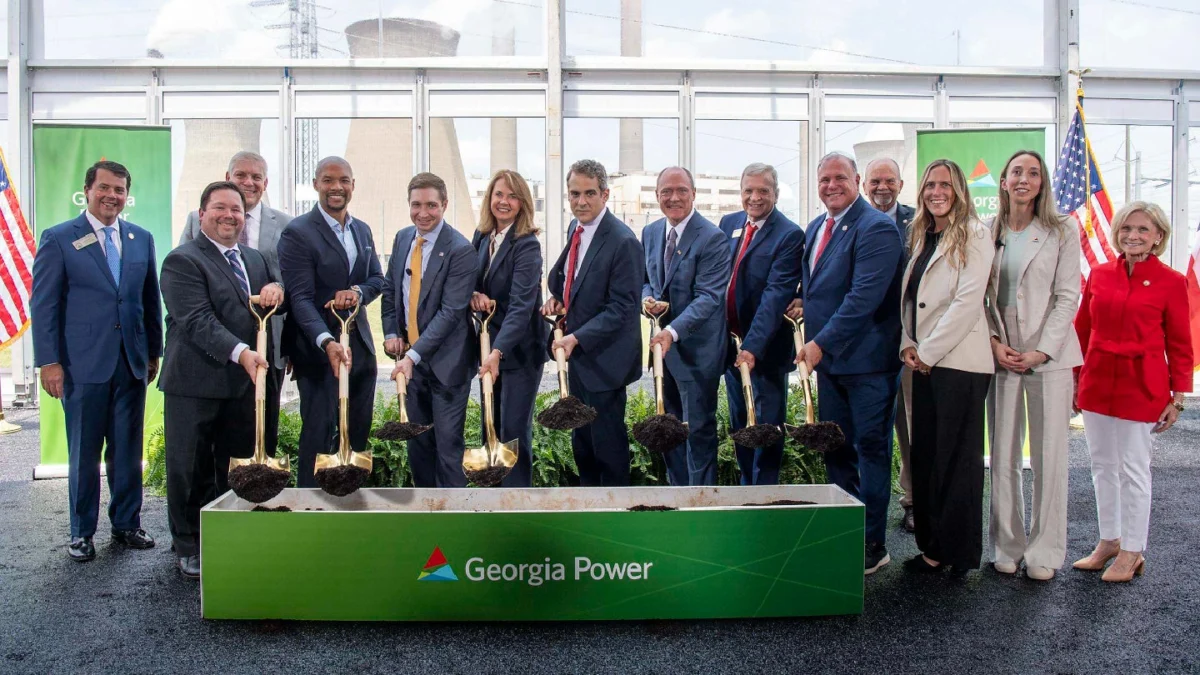
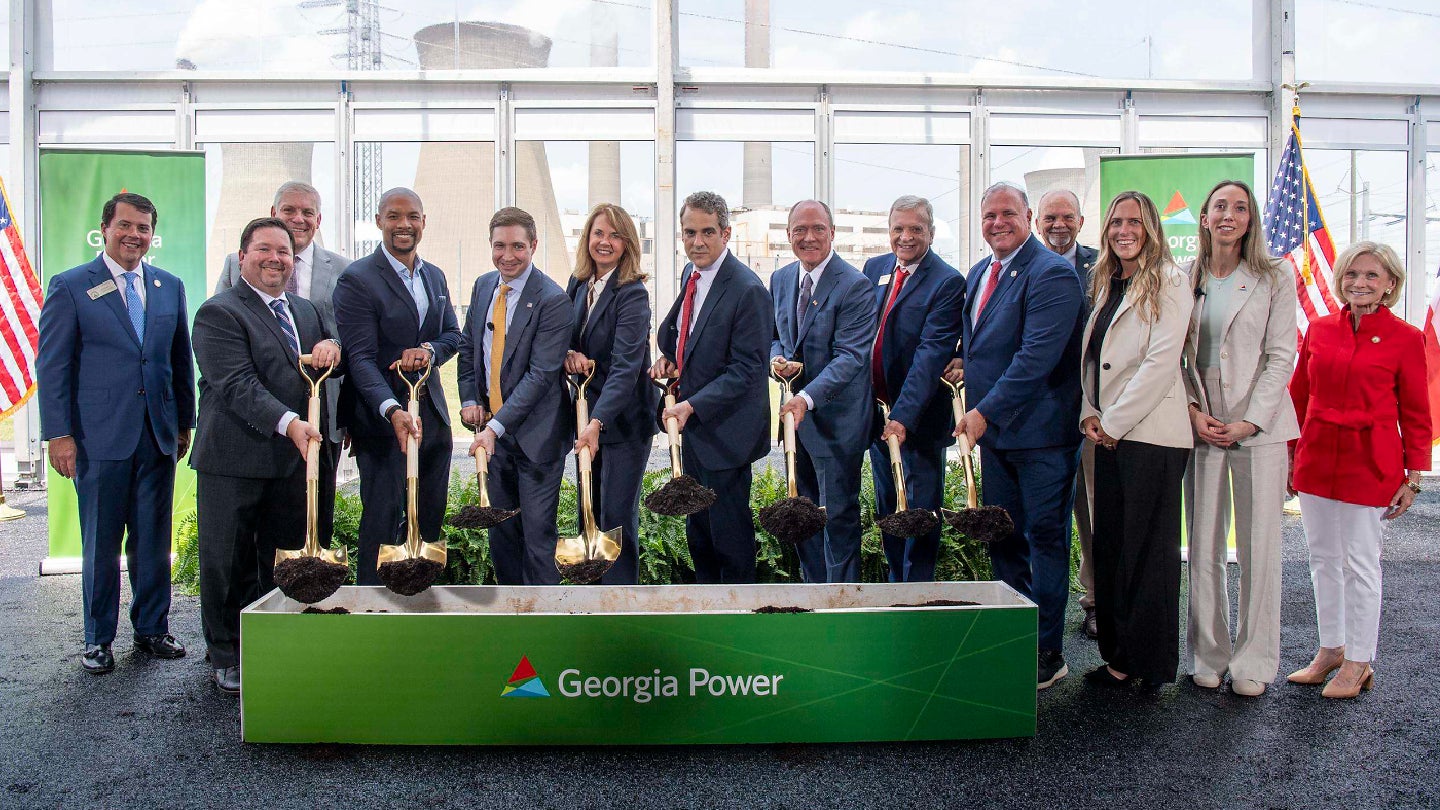
Georgia Power, a subsidiary of the Southern Company, has officially broken ground on a landmark energy project at the historic Plant Bowen facility in Bartow County, Georgia. This ambitious undertaking involves the construction of two state-of-the-art, combined-cycle natural gas units with a combined generating capacity of approximately 1.5 gigawatts (GW).
This development marks a significant shift in Georgia’s energy landscape, as the utility balances the retirement of legacy infrastructure with the urgent need to accommodate rapid population growth and an unprecedented surge in industrial electricity demand across the state.
Core Project Details: The Future of Plant Bowen
The new 1.5GW natural gas facility is designed to provide high-efficiency, dispatchable power capable of responding quickly to fluctuations in grid demand. By utilizing combined-cycle technology, the units will capture waste heat to generate additional electricity, significantly increasing thermal efficiency compared to traditional generation methods.
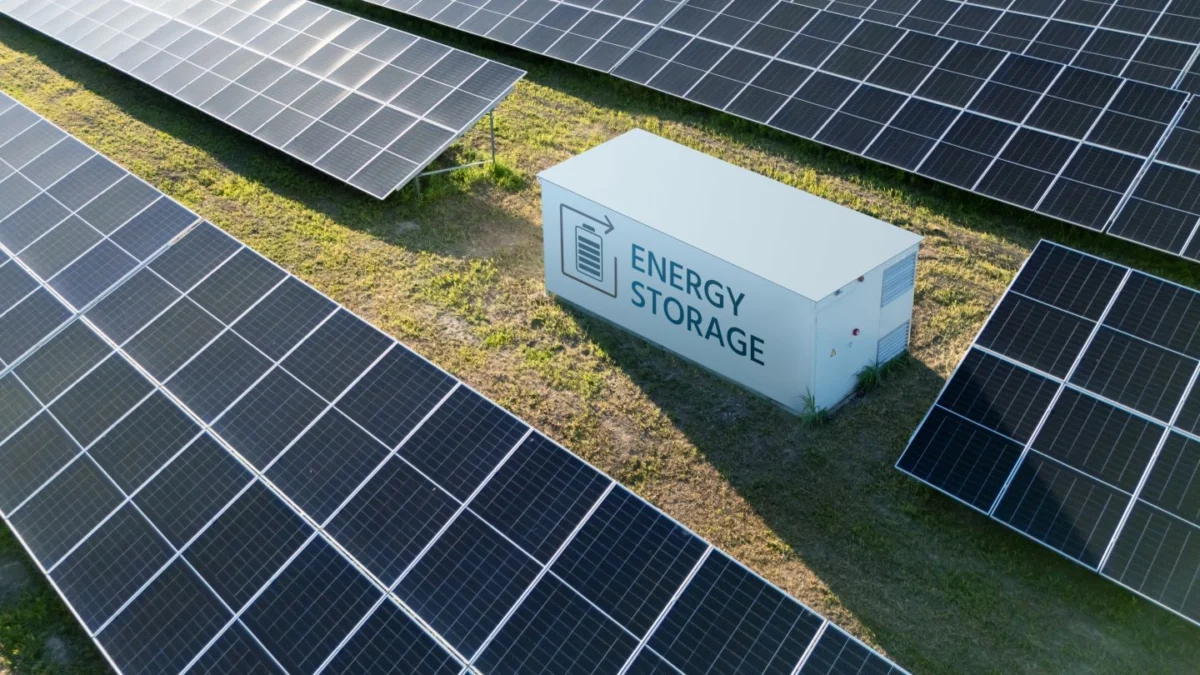
Complementing this gas-fired expansion is a massive 500-megawatt (MW) Battery Energy Storage System (BESS). This storage component is vital for the utility’s evolving grid strategy, allowing the company to bank energy during periods of low demand and discharge it during peak usage times. The integration of large-scale BESS technology at a thermal plant site underscores a strategic hybrid approach, ensuring that Plant Bowen remains a cornerstone of Georgia’s energy reliability for decades to come.
Chronology and Evolution of the Site
Plant Bowen has been a pillar of the Georgia grid since it first began commercial operations in 1975. For nearly half a century, it has functioned primarily as a coal-fired powerhouse. Currently, the site houses four coal-fired units with a total capacity of 3.37GW.
- 1975: Plant Bowen enters commercial operation, marking a new era of reliable base-load power for Northwest Georgia.
- Decades of Operation: The plant becomes a vital economic engine for Bartow County, providing steady employment and consistent power.
- Environmental Upgrades (1990s–2010s): Georgia Power invests billions in emissions-control technology, including advanced scrubbers, selective catalytic reduction systems, and baghouses. These investments have collectively reduced main air emissions at the site by more than 95%.
- 2024–2025: Georgia Power secures approval from the Georgia Public Service Commission (PSC) to modernize the facility.
- 2026: Official groundbreaking for the two new 1.5GW combined-cycle units and the 500MW BESS.
- Future Outlook: Construction is slated to proceed over the coming years, with the goal of integrating the new assets into the broader state energy fleet to support long-term economic development.
Supporting Data and Broader Infrastructure Strategy
The expansion at Plant Bowen is not an isolated event; it is a critical piece of a much larger, state-wide puzzle approved by the Georgia PSC. As the state attracts high-tech industries, data centers, and manufacturing hubs, the pressure on the grid has intensified.
The Portfolio Expansion
Georgia Power’s long-term infrastructure plan is extensive, involving:
- Strategic Natural Gas Additions: Beyond Plant Bowen, the company is planning further capacity expansions at Plant Wansley, Plant McIntosh, and Plant Yates.
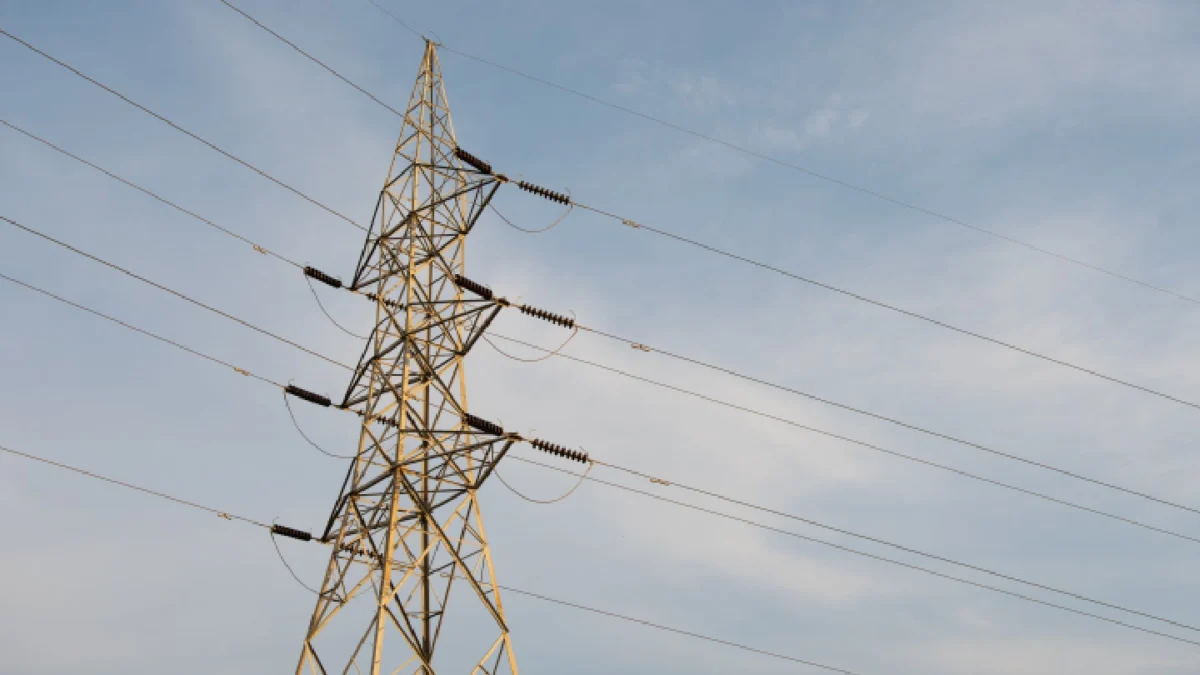
- Grid Modernization: The plan includes the construction of more than 1,000 miles of new transmission lines to ensure power reaches high-growth areas efficiently.
- Battery Storage Proliferation: The company is aggressively scaling its storage footprint. In addition to the 500MW Bowen project, Georgia Power recently completed the Moody Battery Facility near Valdosta, which adds 49.5MW of storage with a four-hour discharge duration. Furthermore, construction is underway on a 260MW BESS in Jefferson County, near Wadley, expected to come online in 2027.
Financial Backing and Loan Facilities
In a major financial milestone, Southern Company and the US Department of Energy’s Office of Energy Dominance Financing announced a loan package of up to $26.5 billion in early 2026. These funds are earmarked for power generation, transmission, and grid modernization across Georgia and Alabama. Analysts project that this financing, aimed at strengthening critical infrastructure, will yield approximately $7.3 billion in electricity cost savings for customers over the 30-year life of the loan.
Official Responses and Strategic Vision
The importance of this project was highlighted by Kim Greene, Chairman, President, and CEO of Georgia Power, during the groundbreaking ceremony.
"For more than 50 years, Plant Bowen has been about more than just megawatts—it has been a source of pride and a cornerstone of the Northwest Georgia community, providing high-quality careers and a positive economic force for this entire region," Greene stated. She emphasized that the investment is driven by a commitment to balancing reliability with affordability, noting, "As we celebrate the new investments we are making to serve our customers across the state, and the future of this incredible plant, we remain committed to making growth work for our customers with higher reliability and lower rates."
The collaboration between federal agencies and private utility providers represents a growing trend in the United States, where large-scale capital investments are being de-risked through federal loan programs to ensure energy security and support the clean energy transition.
Implications for the Regional Grid
The implications of the Plant Bowen expansion are threefold: reliability, economic competitiveness, and environmental stewardship.
1. Enhanced Grid Reliability
By transitioning toward a mix of high-efficiency natural gas and utility-scale battery storage, Georgia Power is creating a more resilient grid. Natural gas provides the "firm" power necessary to handle base-load and peak demand, while the BESS provides the flexibility required to integrate variable energy sources and stabilize voltage during extreme weather events.
2. Economic Growth
Georgia has become a magnet for massive industrial investment, including the automotive and battery manufacturing sectors. These industries require an uninterrupted, high-capacity power supply. The expansion at Plant Bowen ensures that Georgia remains an attractive destination for these companies, thereby fostering job creation and local tax revenue in Bartow County and beyond.
3. Environmental Transition
While the transition from coal to natural gas is a major shift, it is part of a broader, multi-decade strategy to modernize the generation fleet. Georgia Power has successfully integrated nuclear, hydroelectric, and solar assets into its portfolio. By reducing emissions by 95% at its older thermal plants and phasing in more efficient gas technology, the company is lowering its carbon footprint while maintaining the dispatchability that renewables currently struggle to provide alone.
Conclusion
The groundbreaking at Plant Bowen serves as a physical manifestation of Georgia Power’s long-term vision. By successfully blending the legacy of its past with the technological requirements of the future, the utility is preparing the state for a future defined by increased electrification. As the 500MW BESS and the 1.5GW gas units move toward completion, the region will be better equipped to handle the demands of the 21st-century economy, ensuring that the lights stay on while keeping the state’s industrial engine running at full speed.