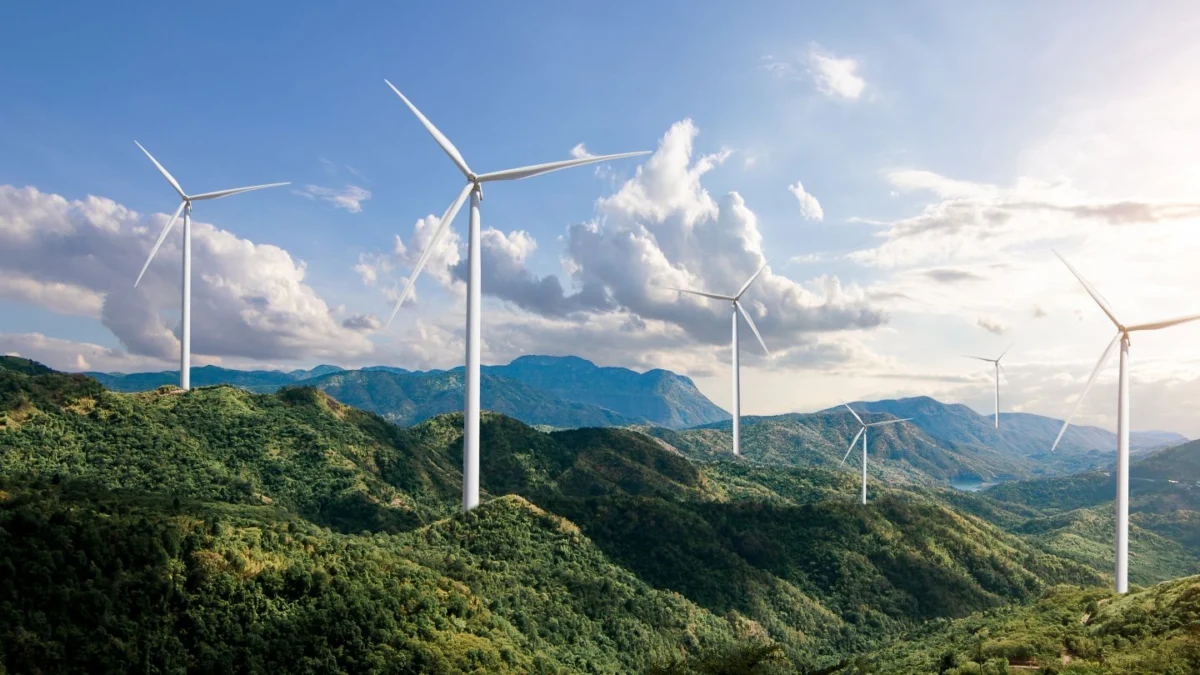
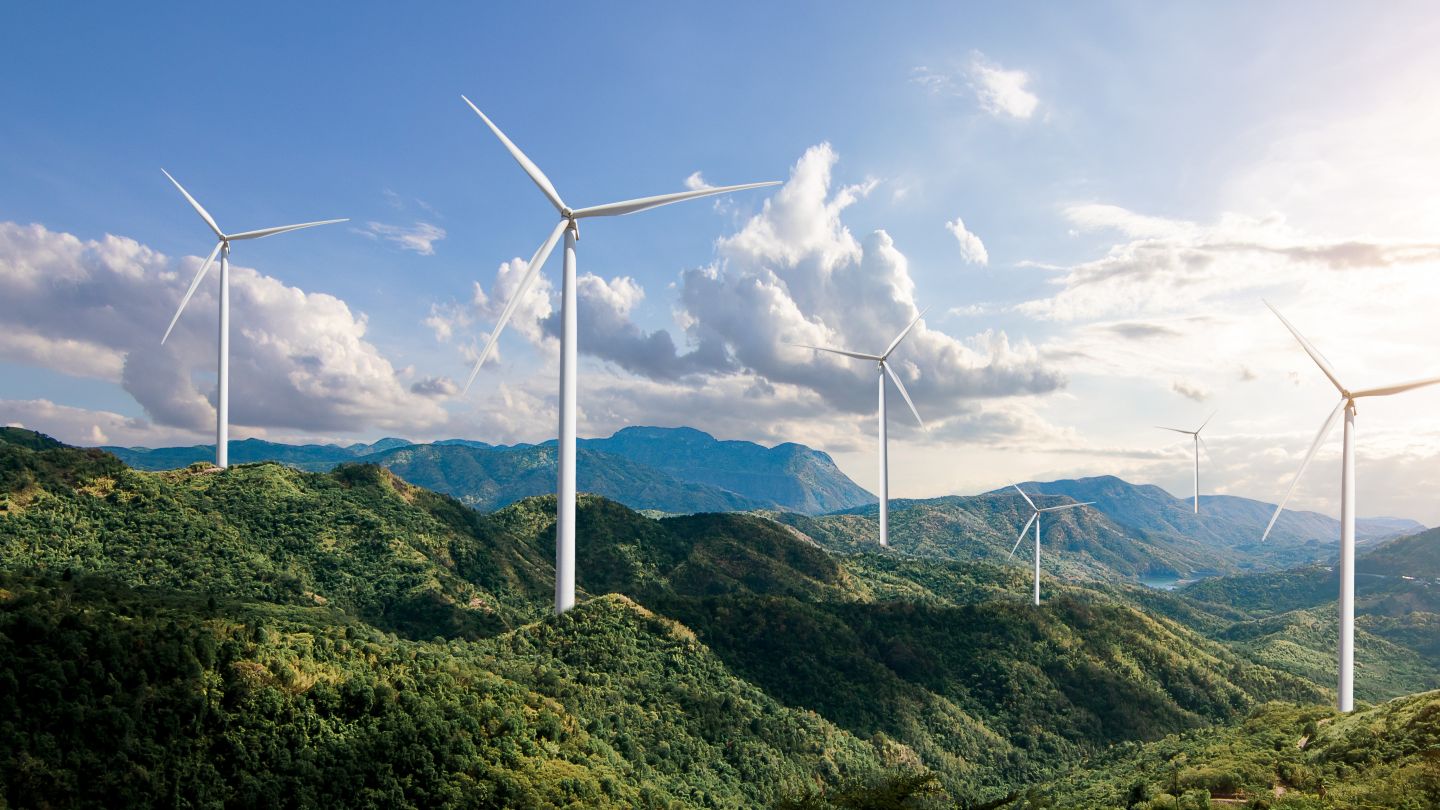
In a landmark development for New Zealand’s renewable energy sector, Meridian Energy has successfully secured the final resource consent from the Palmerston North City Council, clearing the path for the ambitious 172MW repowering of the Te Rere Hau Wind Farm. Located on the rugged and windswept Tararua Range near Palmerston North, this project represents more than just a facility upgrade; it is a pioneering blueprint for how New Zealand can modernize its aging renewable infrastructure to meet the surging electricity demands of a decarbonizing economy.
The project involves the complete decommissioning of existing, smaller-scale turbines in favor of modern, high-efficiency technology. By replacing 91 legacy turbines with up to 40 state-of-the-art units, Meridian intends to nearly quadruple the site’s installed capacity, potentially increasing its annual renewable energy output by a factor of seven.
The Evolution of Te Rere Hau: A Chronology
The story of Te Rere Hau is a reflection of the rapid evolution of wind technology over the last two decades.
- 2006: The wind farm was commissioned on the Tararua Range, initially utilizing five 500kW turbines. It was designed to capitalize on the region’s exceptionally consistent wind resource, a hallmark of the Manawatū landscape.
- Expansion Period: Over the subsequent years, the site grew significantly, eventually reaching a total of 91 turbines with a combined installed capacity of 45.5MW.
- October 2023: Recognizing the potential for a massive efficiency gain through "repowering"—the process of replacing older, less efficient turbines with newer models—Meridian Energy entered into a 50-50 joint venture with NZ Windfarms.
- July 2025: Meridian Energy completed the full acquisition of NZ Windfarms. The strategic rationale was twofold: to bolster its renewable generation portfolio and to streamline the complex financing required for a project of this magnitude.
- July 2026: The Palmerston North City Council grants the final critical resource consent, specifically authorizing the relocation of an essential Airways communication facility, which had been a logistical hurdle for the development.
Supporting Data and Project Scope
The repowering of Te Rere Hau is a masterclass in land-use efficiency. By leveraging the existing footprint and site access, Meridian is maximizing the utility of a proven wind site without the need to "greenfield" new, sensitive land.
The Numbers at a Glance:
- Current Capacity: 45.5MW (91 turbines).
- Proposed Capacity: 172MW (up to 40 modern turbines).
- Projected Output Increase: Up to 7x the current annual generation.
- Location: Tararua Range, Manawatū, New Zealand.
- Final Investment Decision (FID): Anticipated in early 2027.
While the primary resource consent has been granted, the project is not yet entirely free of regulatory requirements. Meridian has noted that additional, minor consents will be required for specific road infrastructure upgrades necessary to transport the massive, modern turbine components to the ridgeline. Work on the access roads is already underway, a strategic move by Meridian to ensure that once the final investment decision is made, the project can hit the ground running.
Official Perspectives: A Vision for the Future
The significance of this milestone was not lost on Meridian Energy’s leadership. CEO Mike Roan described the regulatory journey as a "complex issue to resolve," acknowledging that the path to approval was longer than initially anticipated.
"It has been a complex issue to resolve, and one that has taken longer than we would have liked, so this is a special moment for the project and for our team," Roan stated.
Beyond the technical achievement, Roan emphasized the strategic importance of the Te Rere Hau site to the broader New Zealand energy mix. "Wind generation plays an important role in our energy portfolio, helping to preserve hydro storage, and this is one of the country’s best wind sites. It was the key driver behind our acquisition of NZ Windfarms in 2025, and we can now look forward to realising that potential."
The decision to begin roadworks ahead of the Final Investment Decision (FID) is a calculated risk that reflects Meridian’s confidence in the project’s viability. By compressing the construction timeline through early site preparation, the company aims to inject the additional 126.5MW of capacity into the national grid as efficiently as possible.
Implications for New Zealand’s Energy Landscape
The Te Rere Hau project serves as a national bellwether for the "repowering" era of renewable energy. As many of the world’s first-generation wind farms reach the end of their operational lifespans, the question is not whether they should be decommissioned, but how they can be upgraded.
1. Strengthening the Grid
New Zealand has set ambitious targets for 100% renewable electricity generation. To achieve this, the country must not only build new capacity but also extract more power from sites already connected to the transmission network. By using existing grid connections, Te Rere Hau avoids the lengthy and expensive process of building new transmission infrastructure, making it a highly efficient contribution to the grid.
2. Preserving Hydro Storage
A critical aspect of New Zealand’s energy strategy is the management of hydro lakes, which provide the bulk of the country’s baseload power. During dry years, hydro storage levels can fluctuate, creating price volatility. By significantly increasing wind output, Meridian provides a "buffer" for the energy system. When wind is blowing, hydro assets can be conserved, effectively using the wind as a form of "virtual storage."
3. Economic and Engineering Feasibility
The outright acquisition of NZ Windfarms by Meridian in 2025 highlights the importance of corporate consolidation in the renewable sector. Repowering projects are capital-intensive and require robust balance sheets. By integrating the project into a larger portfolio, Meridian has mitigated the financial risks associated with the volatility of construction costs and the complexities of the New Zealand regulatory environment.
4. Setting a Precedent
As the first project of its kind in New Zealand, the success of Te Rere Hau will likely set the legal and procedural template for future repowering efforts. Other operators with aging assets in locations such as the Wairarapa or Southland will be watching closely. The project proves that even with stringent environmental and resource management regulations, long-term renewable assets can be successfully revitalized.
Moving Toward 2027
As the industry looks toward the early 2027 Final Investment Decision, the focus will remain on the logistical execution of the project. The transition from 91 older, smaller units to 40 powerful, modern turbines will be a massive undertaking, involving heavy-lift logistics on the challenging terrain of the Tararua Range.
However, the regulatory success announced in July 2026 marks the turning point. The site, which has been a staple of the New Zealand wind sector for two decades, is now poised to enter a new chapter. By combining the natural power of the Tararua winds with the latest advancements in turbine technology, Meridian Energy is ensuring that the Te Rere Hau Wind Farm remains a cornerstone of the nation’s transition toward a sustainable, low-carbon future.
For the local community in Manawatū, the project promises not only continued clean energy generation but also the economic benefits associated with a multi-year construction project. As the road upgrades progress and the plans for the new turbines are finalized, the project stands as a testament to the resilience and long-term vision required to modernize a nation’s energy infrastructure.