The Finnish sporting landscape reached a significant milestone this summer as the SM-Viikko (Finnish Championships Week) celebrated its tenth anniversary with a spectacular showcase in Espoo. The four-day multi-sport festival, which took place at the turn of July and August, not only cemented its status as a premier event in the national calendar but also shattered previous attendance records for the second consecutive year.
With over 18,000 spectators flooding the venues at Leppävaara and Oittaa, the event proved that the appetite for diverse, accessible, and high-level domestic competition is stronger than ever. The festival served as a vibrant stage for 20 different sports, transforming the Espoo landscape into a bustling hub of athleticism, community, and national pride.
The Scale of the Spectacle: Main Facts and Figures
The logistics behind organizing such a sprawling event are immense. SM-Viikko is not merely a collection of championships; it is a logistical triumph that brought together more than 3,000 athletes, supported by an army of coaches, medical staff, and dedicated volunteers.
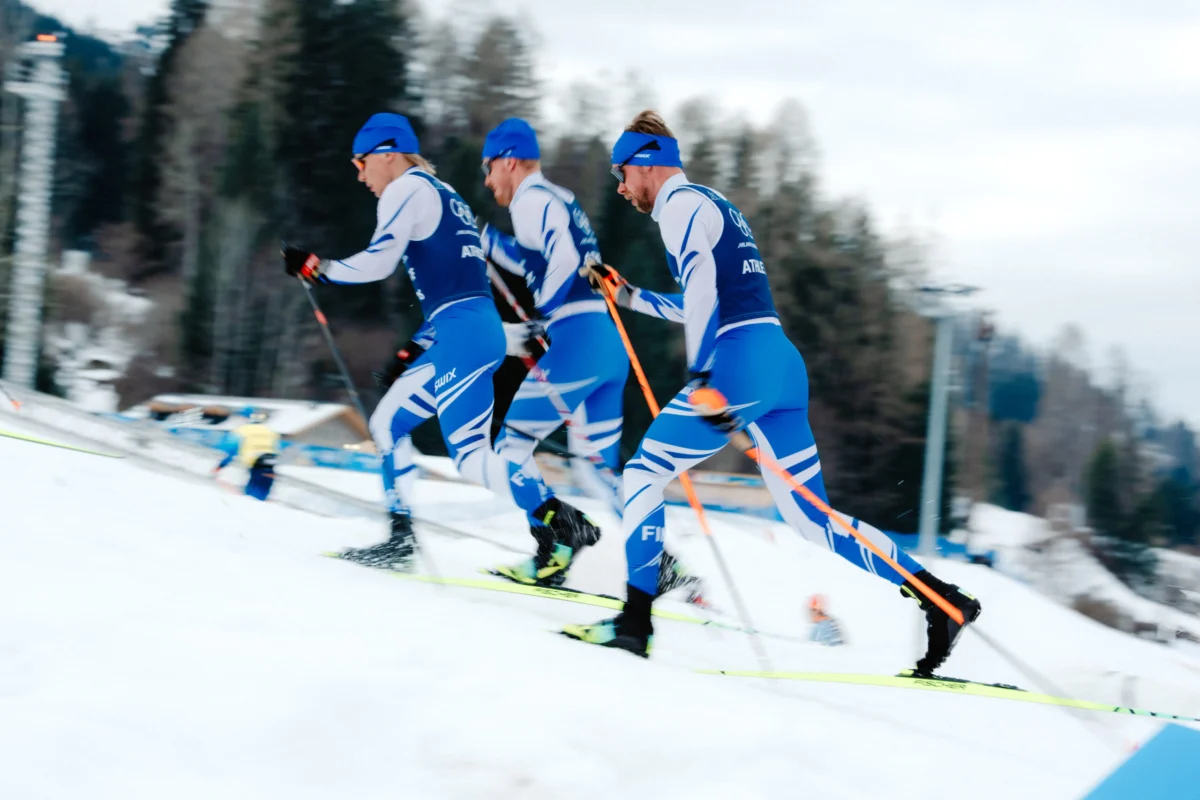
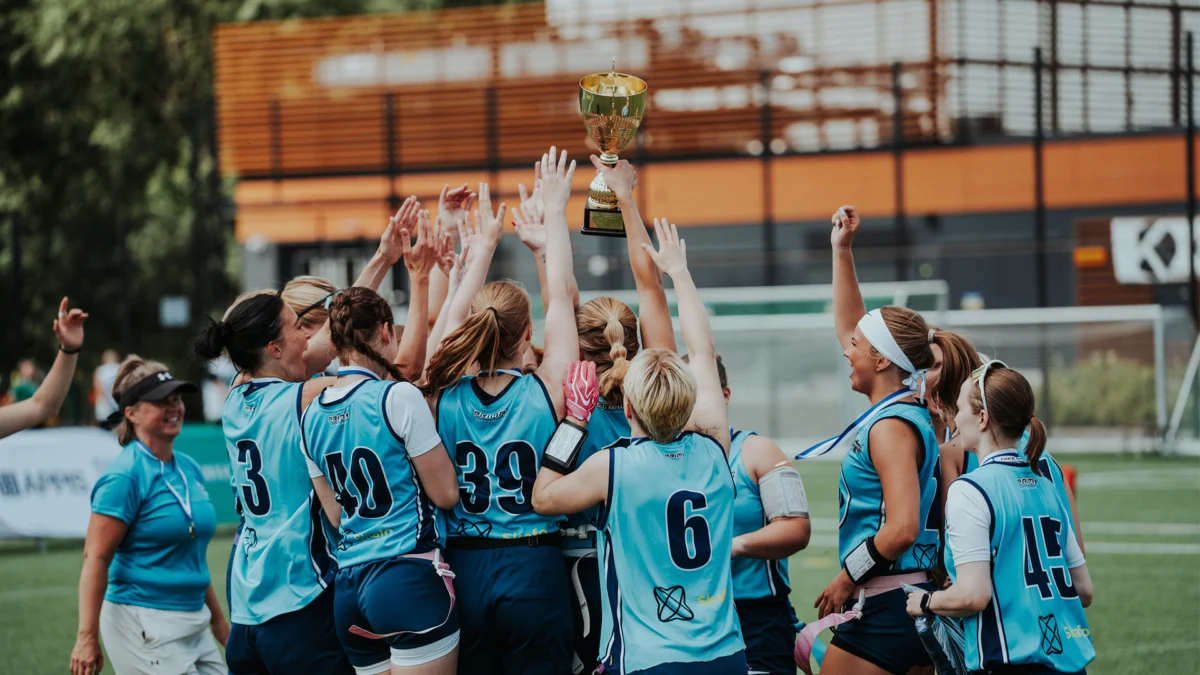
The range of disciplines represented was vast, showcasing the breadth of Finnish sporting culture. Attendees were treated to a kaleidoscope of activities, spanning the adrenaline-fueled heights of motorized paragliding to the strategic precision of beach water polo. The inclusion of niche and emerging sports—such as cricket and the rapidly growing sector of e-sports—highlighted the organizers’ commitment to inclusivity and modern trends.
The event’s success in attracting over 18,000 visitors to the Leppävaara sports park and the Oittaa recreational area underscores a shift in how fans consume sports. By concentrating so many championships in a single geographic location over a four-day period, the organizers created a "festival atmosphere" that encouraged spectators to explore sports they might otherwise never encounter.
Chronological Overview: Four Days of Athletic Triumph
The event was structured to maintain a high-octane pace from the opening ceremonies to the final whistle.
- Days 1–2 (Foundation and Niche Focus): The initial days focused on setting the tone, with technical disciplines and qualifying rounds taking center stage. The atmosphere was characterized by a sense of discovery, as families and sports enthusiasts rotated between the various venues.
- Days 3–4 (Peak Competition and Mainstream Interest): As the weekend approached, the intensity escalated. The final two days saw the crowning of national champions in high-profile events, drawing the largest crowds. The synergy between the physical attendance at the venues and the high engagement on Yle’s digital and television platforms reached its zenith during the Sunday finals, particularly with the triathlon and the traditional fan-favorite, truck pulling.
Behind the Scenes: The "Secret Sauce" of SM-Viikko
What makes SM-Viikko unique in the European sports calendar is the deliberate "intimacy" built into the event design. Unlike mega-events where athletes are often sequestered behind security barriers, SM-Viikko is built on the philosophy of proximity.
Bridging the Gap Between Fan and Athlete
Päivi Harri, the lead producer of the event, emphasizes that the tenth-anniversary celebration was defined by "warm-hearted togetherness." According to Harri, the design of the venue layouts allowed spectators to witness the raw emotions, facial expressions, and tactical nuances of athletes from a distance of only a few meters.
This proximity extended beyond mere observation. A cornerstone of this year’s success was the active participation element. Organizers provided "try-it-yourself" zones, where fans could step into the shoes of the athletes. These stations saw consistent queues throughout the four days, proving that the modern sports fan is looking for an experiential, rather than purely observational, event.
Data Analysis: The Impact of Broadcast Media
While the physical attendance was record-breaking, the reach of SM-Viikko was exponentially amplified through its partnership with the Finnish national broadcaster, Yle. By streaming every single one of the 20 featured sports on Yle Areena and providing comprehensive summaries on TV2, the event reached hundreds of thousands of homes.
Television Dominance
The data from week 31 is particularly telling regarding the public’s engagement with these sports. Out of the top 20 most-watched programs on TV2 that week, a staggering twelve were SM-Viikko broadcasts.
Key Viewing Metrics:
- Triathlon (Supersprint): The clear winner of the weekend, the Sunday evening final achieved a reach of 418,000 viewers, with an average concurrent viewership of 185,000.
- Kettlebell Lifting: A surprising powerhouse, the Friday competition drew an average audience of 145,000, with a total reach of 327,000.
- Truck Pulling: An enduring staple of the event, this competition maintained its popularity with 140,000 average viewers and a reach of 396,000.
These figures illustrate a vital point: national championships, even in non-traditional Olympic sports, command significant viewership when presented with high production values and easy accessibility. The ability to watch these events on-demand via Yle Areena for up to six months ensures that the "tail" of the event—the lasting impact and viewership—continues well beyond the closing ceremony.
Official Reflections and Future Implications
The success of the tenth anniversary has sparked discussions about the future trajectory of the event. Päivi Harri’s reflection on the "happy chatter" filling the sports parks is not just sentimentality; it is a metric of success for a model that relies on community engagement.
The Professionalization of Multi-Sport Festivals
The implication of the 2026 Espoo games is that the "SM-Viikko model" is a viable blueprint for national sports development. By bundling smaller, fragmented championships into a cohesive, high-production-value event, the organizing committee has successfully:
- Elevated the profile of niche sports by placing them alongside established ones.
- Optimized broadcasting costs by centralizing production crews and equipment.
- Fostered a culture of multi-sport appreciation, where a fan of triathlon might inadvertently become a fan of kettlebell lifting.
Moving Forward
As the event looks toward its second decade, the challenge will be to maintain this growth without losing the "intimacy" that defines its charm. The data suggests that the hunger for such events is not saturated. The combination of live, on-the-ground participation and robust, multi-platform media coverage has created a virtuous cycle: better media coverage drives more on-site interest, and high-energy on-site attendance makes for more compelling television.
The Espoo iteration of SM-Viikko has proven that sports in Finland are not just about the medals won, but about the collective experience of the championship week. As the dust settles in Leppävaara and Oittaa, the legacy of this record-breaking year will likely serve as the gold standard for future Finnish sports organizers, proving that even after ten years, there is still immense room for innovation, growth, and community connection.