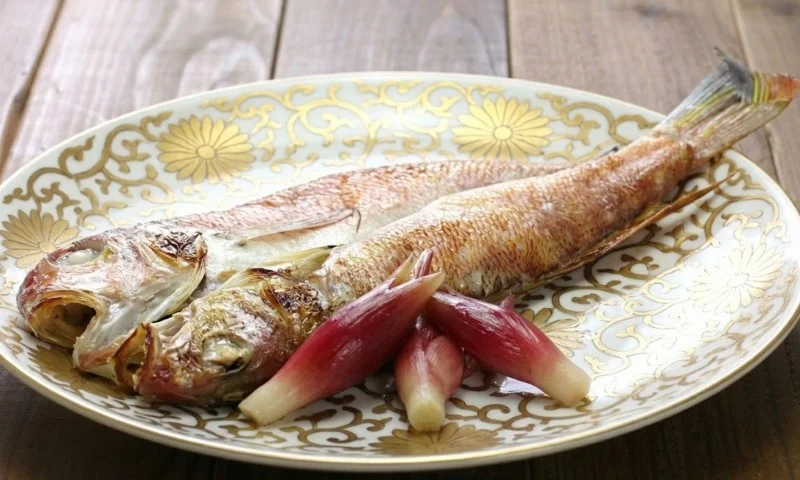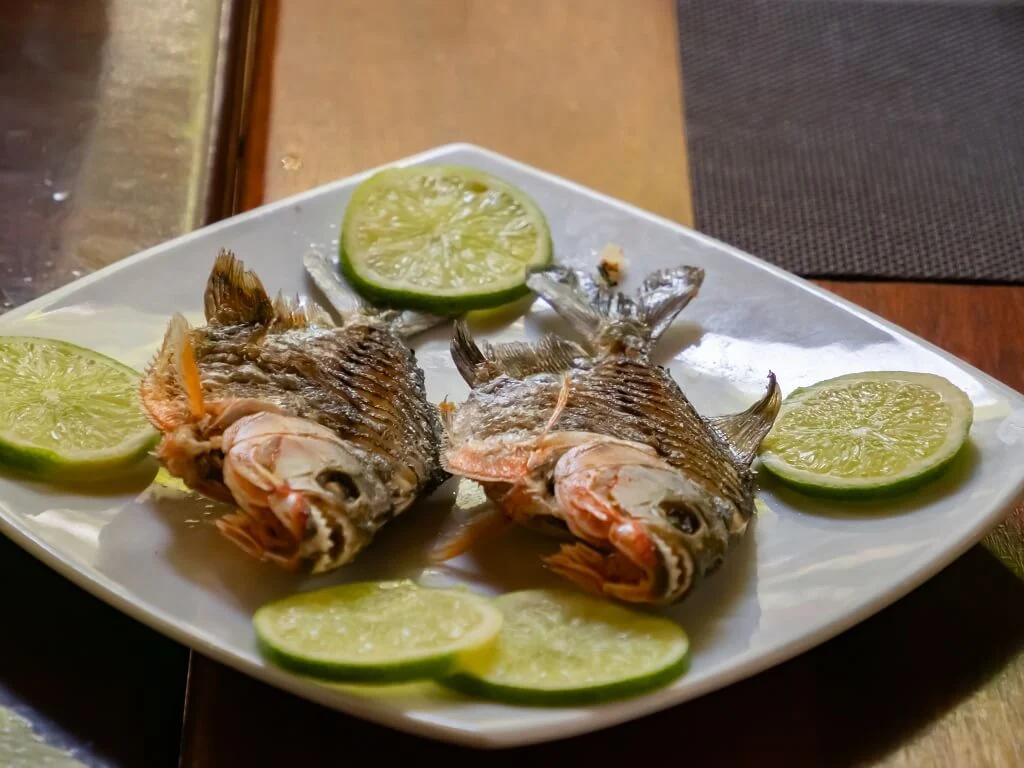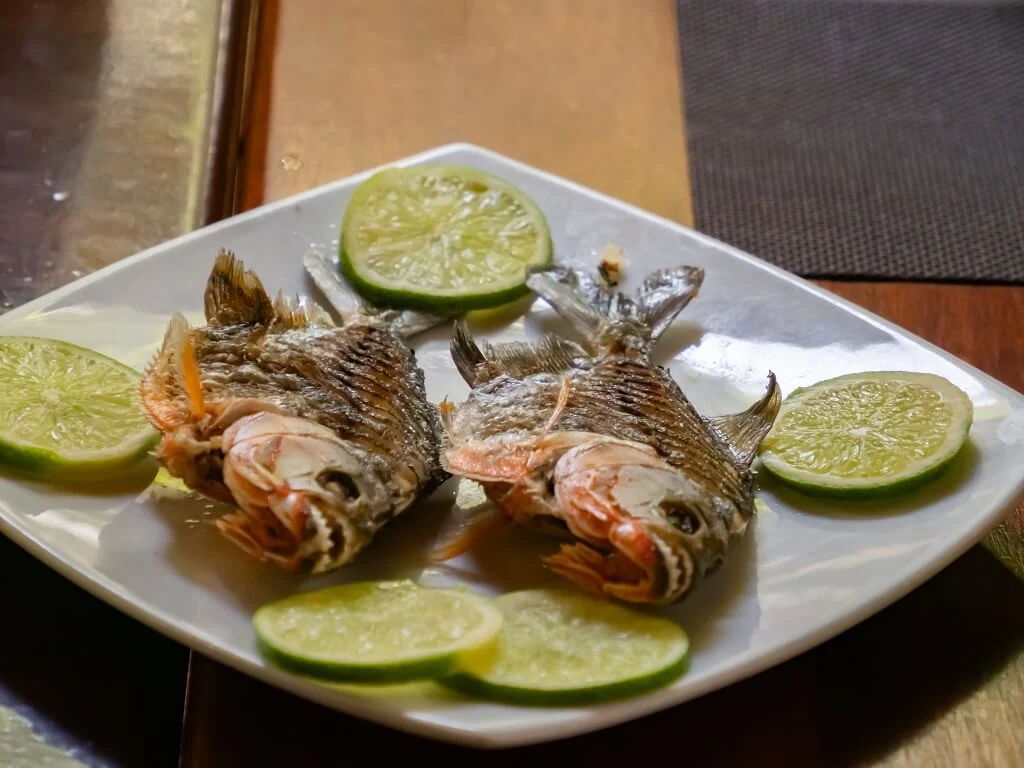
For decades, the piranha has been the undisputed villain of the Amazonian cinematic universe. Portrayed as ravenous, bloodthirsty swarms capable of stripping a cow to the bone in seconds, these freshwater fish have cultivated a reputation for terror that borders on the mythical. Yet, in the very rivers where they are feared by tourists, they are a dietary staple for millions. The reality is far less dramatic: piranha is not a monster, but a meal.
Main Facts: The Culinary Truth of the Piranha
The core truth about piranha consumption is that it is a common, albeit regional, practice. Native to the river basins and floodplains of South America, piranhas are versatile freshwater fish. When prepared correctly, they yield firm, white meat that is highly regarded in local Amazonian cuisine.
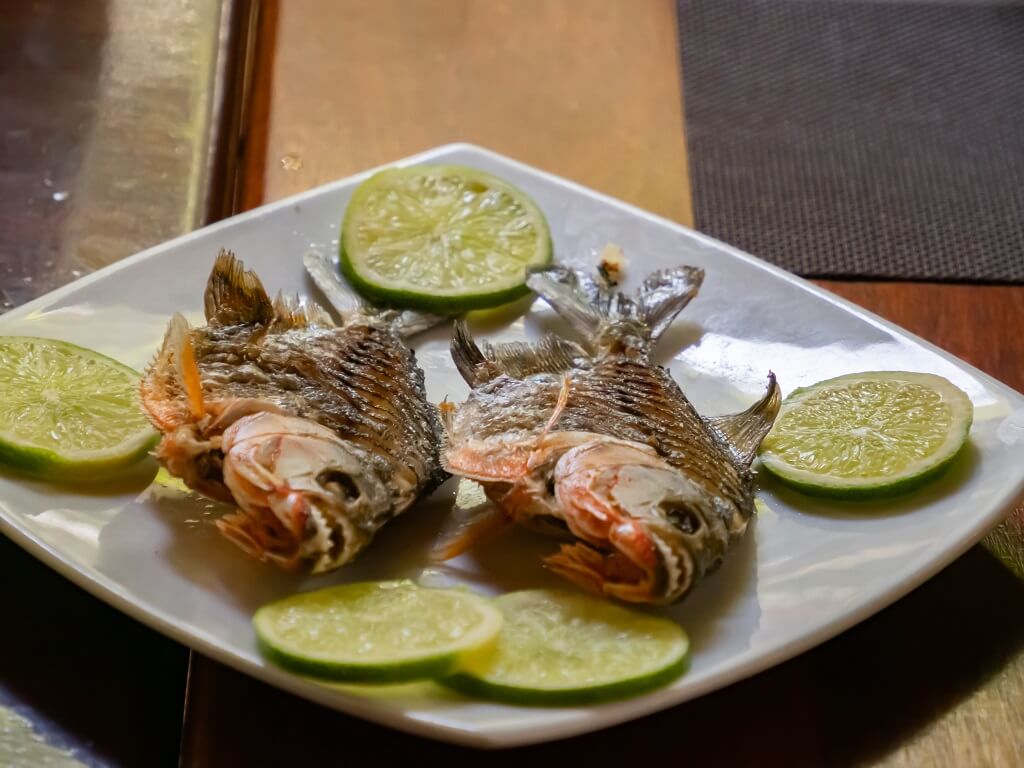
Unlike the high-end fillets found in Western supermarkets, piranha is a bony fish. This physiological trait dictates how it is prepared; rather than being served as a clean, boneless fillet, it is frequently cooked whole—grilled over an open fire, fried until crisp, or simmered into a nutrient-dense soup. For the adventurous traveler, eating piranha is a rite of passage, but for the local communities of Brazil, Peru, and Colombia, it is simply sustenance.
Chronology: From Predator to Plate
The relationship between humans and piranhas has evolved significantly over the last century.
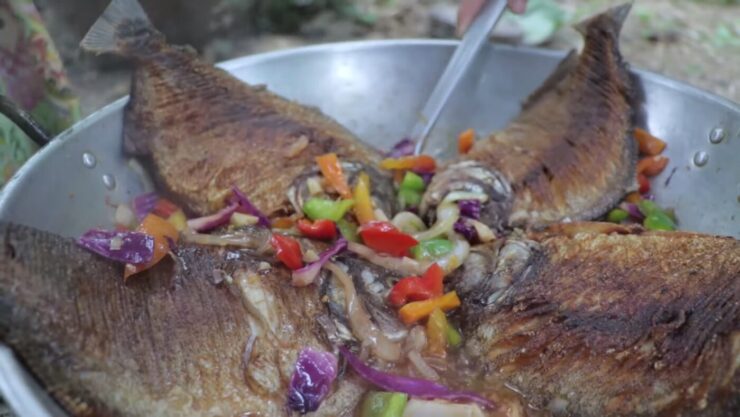
- Pre-20th Century: Indigenous populations throughout the Amazon basin have harvested piranha for generations, utilizing traditional netting and hook-and-line techniques. The fish served as a primary source of protein due to its abundance in the region’s complex river systems.
- The Mid-20th Century Shift: As Western media began to penetrate global markets, the "man-eating" myth was cemented by sensationalist films and exaggerated accounts from explorers. This created a cultural disconnect: while the world viewed the piranha as a threat to be avoided, the local population continued to view it as a seasonal delicacy.
- The Modern Era: With the rise of ecotourism in the Amazon, the "catch-and-cook" experience has become a staple of adventure travel. This has led to a modern, nuanced understanding of the fish, where scientific curiosity has begun to strip away the cinematic hyperbole, focusing instead on the biological and culinary viability of the species.
Supporting Data: Understanding the Anatomy and Flavor
When evaluating piranha as a food source, it is essential to look at the data regarding its flavor profile and nutritional handling.
The Taste Profile
Piranha is categorized as a mild-to-moderately "fishy" freshwater species. Its flavor is highly dependent on the quality of the water it inhabits. Fish caught in clear, fast-flowing tributaries often have a cleaner, more delicate taste, while those from stagnant, silty waters may exhibit "muddy" undertones.
| Feature | Analysis |
|---|---|
| Flesh Quality | Firm, white, and lean. |
| Bone Density | High; significantly more complex than standard commercial fish like tilapia. |
| Primary Flavor | Mild, clean, and similar to other pan-fish like sunfish or perch. |
| Best Preparation | High-heat frying or long-simmered soups to break down tissues. |
Nutritional Safety
The fish itself is not toxic, but like any wild-caught freshwater species, it is subject to the environmental conditions of its habitat. Factors such as mercury levels—often a byproduct of illegal mining operations in Amazonian riverbeds—must be monitored. The EPA and international health organizations consistently emphasize that local water quality is the primary determinant of whether a fish is safe for human consumption.
Official Responses and Food Safety Guidelines
Global food safety authorities, including the FDA and FoodSafety.gov, provide a universal framework for consuming wild-caught fish. These guidelines are strictly applicable to the piranha:
- Internal Temperature: All fish, including piranha, must reach an internal temperature of at least 145°F (63°C). This ensures the destruction of potential parasites, which are a common concern in tropical freshwater environments.
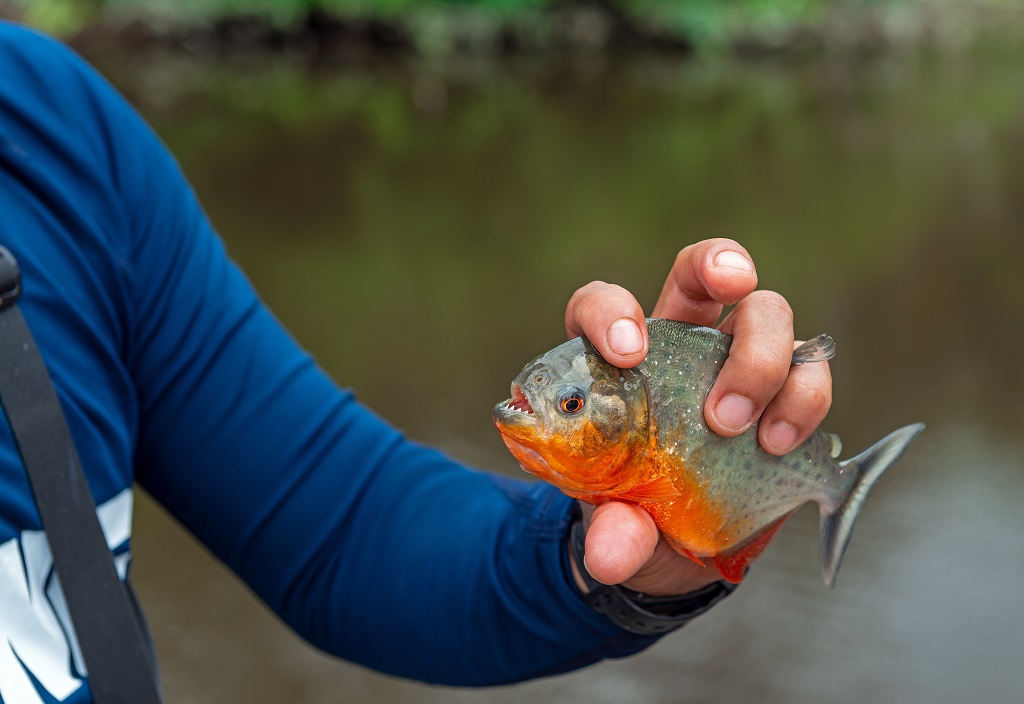
- Handling Protocols: Because piranhas possess sharp, serrated teeth, handling them requires specialized care. Official recommendations for anglers include using pliers for hook removal rather than fingers.
- Advisory Checks: Consumers are urged to cross-reference their fishing location with local public health advisories. If a river is flagged for industrial runoff or mercury contamination, no amount of thorough cooking will render the fish safe.
The Myth vs. The Reality: Why the Reputation Persists
The piranha’s reputation for ferocity is largely a product of human storytelling. Britannica and other scientific authorities clarify that while piranhas do possess sharp, triangular teeth, their behavior is far more complex than the movies suggest.
Many species are, in fact, omnivorous, feeding on seeds, fruits, and decaying organic matter as much as they feed on live prey. The "swarming" behavior typically observed is a defensive mechanism against larger predators, such as caimans or river dolphins, rather than an aggressive hunting tactic aimed at humans. Most human injuries attributed to piranhas occur not during swimming, but during the clumsy handling of a caught fish that is still alive and struggling.
Implications: The Future of Piranha in Global Gastronomy
For those living outside of South America, the primary implication is one of logistical impossibility. Piranha is not currently a commercially viable export. The prevalence of bones, the difficulty of mass-processing, and the ecological concerns regarding the introduction of non-native species make it highly unlikely that piranha will ever appear at your local neighborhood fish market.
Environmental Considerations
The trade and transport of piranha are heavily regulated. Because they are considered an invasive species in many parts of the world, keeping them in personal aquariums or attempting to import them for food is often illegal. The environmental risk of a non-native fish being introduced into local waterways is a serious concern for conservationists.
Practical Advice for Travelers
If you are planning a trip to the Amazon and are interested in tasting this misunderstood creature, the following guidelines are essential:
- Trust the Professionals: Only consume piranha through established fishing lodges or local restaurants that prioritize hygiene and sustainable fishing practices.
- Prioritize Preparation: Opt for fried piranha if you are a beginner; the crisp skin helps manage the smaller bones, making the meat easier to navigate.
- Respect the Source: If you catch the fish yourself, ensure you have the proper gear. Attempting to manage a flopping, biting piranha in a kayak or small canoe is a recipe for an injury, not a dinner.
Conclusion: A Culinary Adventure
The piranha is a testament to the power of human perception. While cinema painted it as a terrifying aquatic demon, the reality is a humble, protein-rich fish that has served as a cornerstone of Amazonian survival for centuries.
When treated with respect, properly cleaned, and cooked to a safe temperature, it offers a unique insight into the culinary traditions of South America. However, it remains a regional experience. For the average consumer in Europe or North America, the piranha should remain a subject of fascination and study, rather than a menu item. The "scary" reputation may be a myth, but the challenge of navigating those tiny bones is very real—and perhaps the only thing about the piranha that actually deserves its bite.