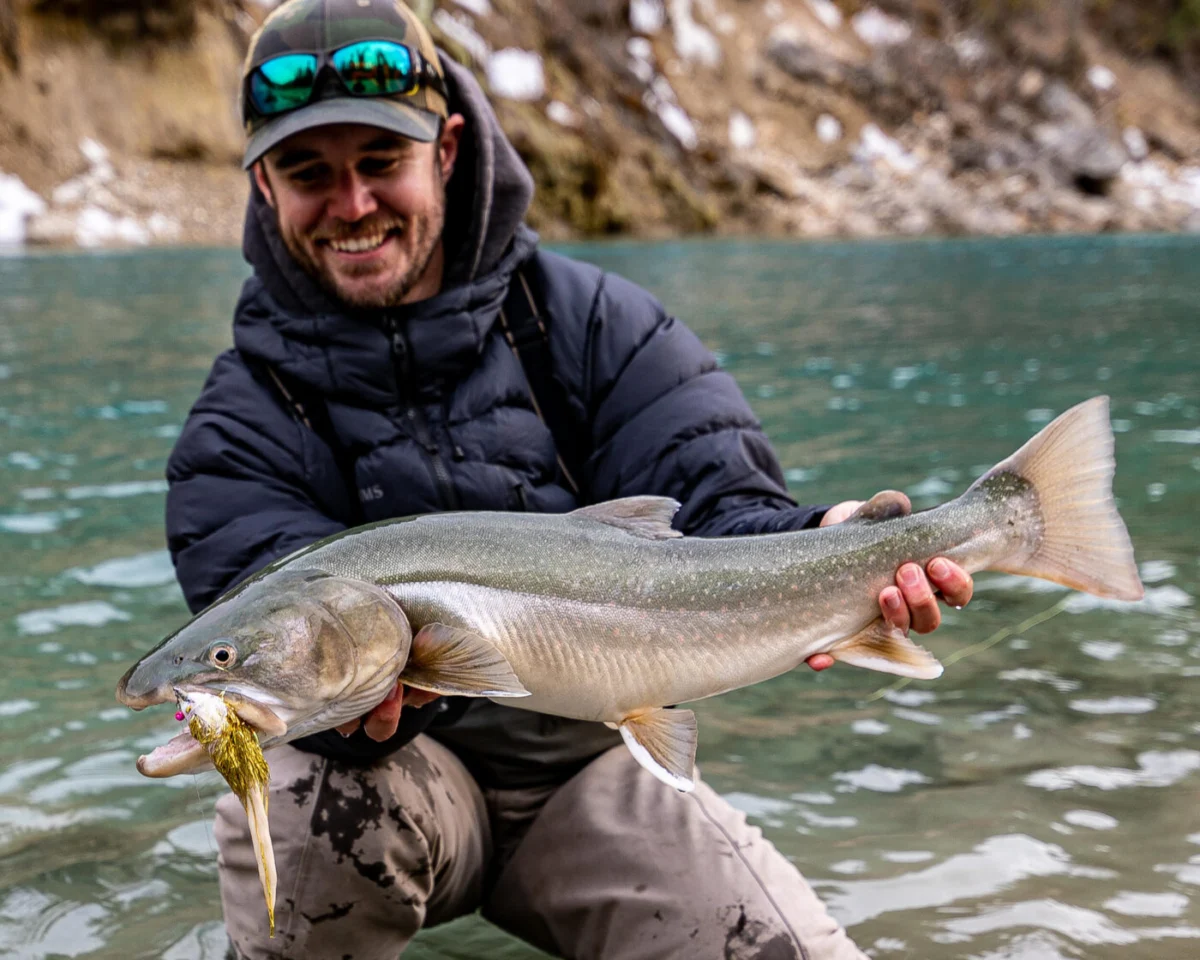
Pulling a trophy-sized catch from the depths while seated in the confined cockpit of a kayak is one of the most exhilarating experiences in sport fishing. However, as any veteran of the water knows, the battle between angler and fish is only the beginning. The true test of a sportsman lies in the decision-making process that follows the net: is this catch worth the table, or is it better suited for a safe release?
For the kayak angler, the stakes are uniquely high. Lacking the massive storage capacity, cooling systems, and specialized cleaning stations of a commercial sport-fishing yacht, the kayak fisherman must be a master of efficiency. When a fish is poorly handled, difficult to clean, or carries significant health risks, it ceases to be a resource and becomes a liability. Understanding the nuances of species that often end up in the "avoid" category—due to poor taste, environmental factors, or safety concerns—is essential for sustainable and enjoyable fishing.
The Triad of "Bad" Reputation: Why Some Fish Miss the Mark
When anglers discuss fish that are less than ideal for the dinner table, they generally categorize their grievances into three distinct camps.
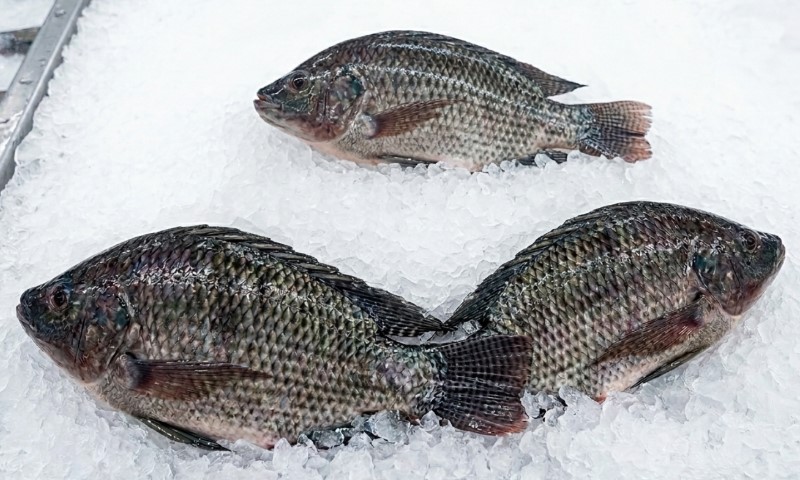
First are the "Mudsuckers"—freshwater species that dwell in murky, stagnant environments. These fish are highly susceptible to absorbing geosmin, a naturally occurring organic compound produced by cyanobacteria and actinomycetes in the water. While harmless to ingest, geosmin gives the flesh a distinct, unpleasant "muddy" or "earthy" flavor that can ruin an entire meal.
Second are the "Oily Predators," often found in saltwater. These species, such as large mackerel or bluefish, possess high oil content. While oil can be a benefit in some culinary applications, in these specific species, it often leads to a metallic or "fishy" taste if the fish is not bled and iced immediately upon capture.
Third are the "Utility Fish"—those that are biologically "high maintenance." These species are often riddled with intramuscular bones, thick armor-like scales, or possess a body composition that makes them exceptionally difficult to process. In the cramped, mobile environment of a kayak, a fish that requires an hour of meticulous de-boning or heavy-duty cutting is often more trouble than it is worth.
Chronology of Catch and Handling: The Kayak Constraint
The "flavor" of a fish is not merely a result of its species; it is the culmination of its diet, its environment, and—most importantly—the immediate post-capture handling.
For a kayak angler, the clock starts the moment the fish hits the deck. If a species like the Bowfin is not bled and iced instantly, enzymes in its flesh begin to break down muscle fibers, resulting in a texture that can only be described as "mushy" or "cotton-like."
The Essential Timeline for Success:
- The Capture: Proper identification and assessment. Is the fish within a safe consumption size?
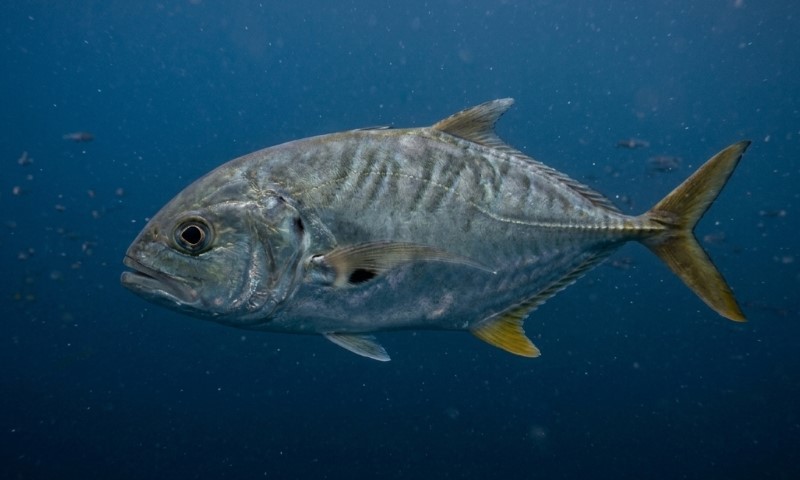
- Immediate Processing: For species like Bluefish or Jack Crevalle, the fish must be bled while on the water to prevent the blood from tainting the meat.
- Thermal Management: Utilizing a high-quality insulated fish bag rather than a simple stringer is non-negotiable in the summer months to prevent the growth of histamine-producing bacteria.
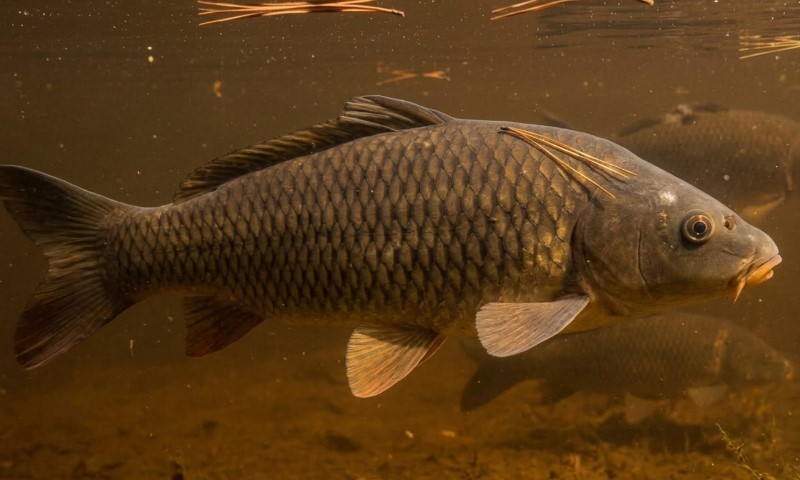
- On-Shore Cleaning: For "bony" fish like carp or buffalo, the technique of "scoring"—making shallow, close-cut incisions—is vital to ensure that the small Y-bones break down during the frying process.
Quick Ranking: The Most Polarizing Catches
| Rank | Species | Primary Issue | Safety/Health Concern | Recommendation |
|---|---|---|---|---|
| 1 | Common Carp | Muddy/Bony | Local contaminants | Keep only from pristine water |
| 2 | Bowfin | Mushy texture | Handling difficulty | Eat fresh or release |
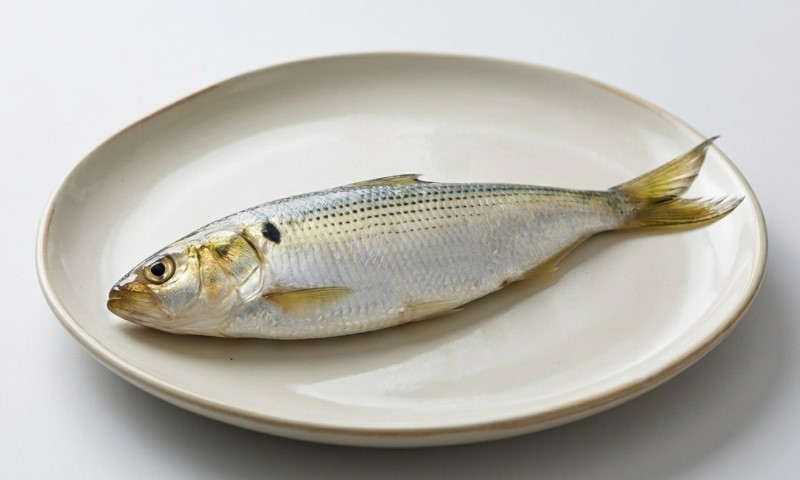
| 3 | Gizzard Shad | Oily/Bony | Not a table fish | Use for bait |
| 4 | Large Bluefish | Strong flavor | Mercury/PCBs | Bleed, ice, trim dark meat |
| 5 | Jack Crevalle | Metallic/Bloody | Handling/Flavor | Keep only small specimens |
| 6 | Bigmouth Buffalo | Coarse/Muddy | Water quality | Smoke or grind for patties |
| 7 | Freshwater Drum | Divisive taste | Mercury advisories | Check local water reports |
| 8 | Large Black Drum | Parasites | Wormy flesh | Keep "puppy" drum only |
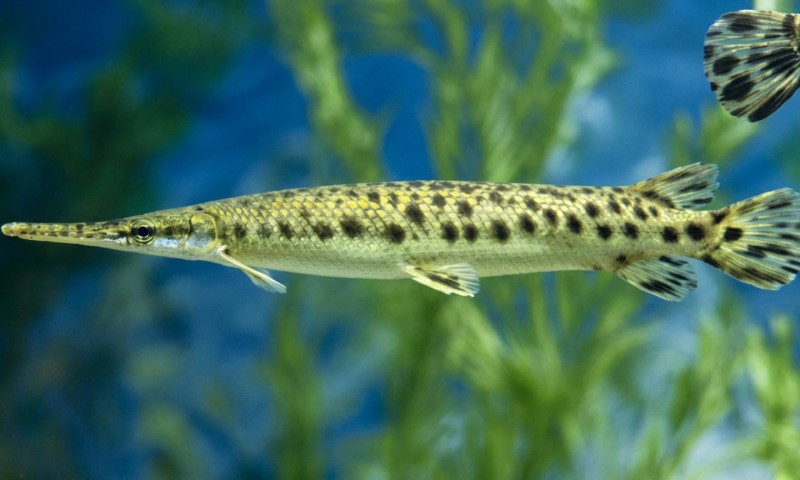
| 9 | Gar | Difficult to clean | Roe toxicity | Never eat the eggs |
| 10 | Barracuda | Flavor/Safety | Ciguatera toxin | Avoid in reef zones |
| 11 | Shark | Ammonia taste | Mercury/Spoilage | Usually skip |
| 12 | Large Pelagics | Strong/Risk | High mercury levels | Avoid large specimens |
Supporting Data: The Science of Consumption Advisories
While subjective taste is a matter of preference, food safety is a matter of science. Federal agencies, including the FDA and the EPA, provide comprehensive guidelines on fish consumption. A critical takeaway for any angler is the "Choice to Avoid" list, which highlights apex predators such as king mackerel, shark, swordfish, and marlin.
These species occupy the top of the aquatic food chain, meaning they exhibit a phenomenon known as biomagnification. As smaller fish are consumed by larger ones, the concentration of heavy metals—specifically mercury—increases exponentially. The EPA’s Fish Advice portal is an essential resource; it emphasizes that environmental quality is hyper-local. A drum fish caught in a protected, flowing river may be perfectly safe, while the same species caught in a stagnant, industrial-adjacent pond could be subject to a strict "do not consume" advisory.
Official Responses: Guidance from Regulatory Bodies
The FDA maintains rigorous standards regarding the preparation of large pelagic fish. Their research into scombroid poisoning highlights the necessity of the "cold chain." When fish like tuna or mackerel are not chilled properly, the histidine in their muscles converts into histamine. Unlike bacteria, which can be killed by cooking, histamine is heat-stable. Once the toxin is present in the meat, cooking will not make the fish safe to eat.
Similarly, the CDC warns against the consumption of barracuda in certain tropical and subtropical regions due to Ciguatera. This toxin is produced by Gambierdiscus toxicus, a dinoflagellate that lives on coral reefs. As with histamine, Ciguatera is heat-stable. It is a potent neurotoxin, and there is no simple field test for an angler to determine if a fish is contaminated. Consequently, the consensus among experts is simple: if you are in a known Ciguatera zone, the only responsible choice is catch-and-release.
Implications for the Modern Kayak Angler
The shift toward "ethical angling" is perhaps the most significant development in the sport over the last decade. As we become more aware of our environmental footprint, the definition of a "good day on the water" has evolved. It is no longer defined solely by the weight of the cooler at the end of the day, but by the stewardship of the ecosystem.
1. The Stewardship Mindset
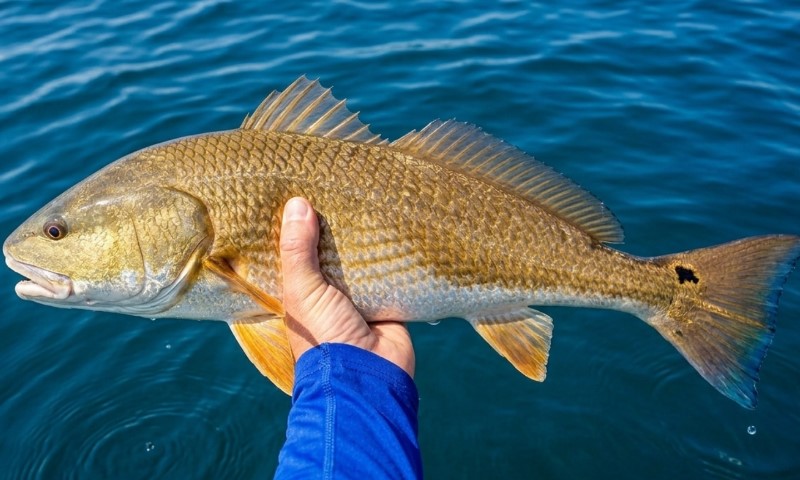
When a kayak angler chooses to release a large, mature bull Black Drum or an apex predator like a large shark, they are protecting the breeding stock of the local population. These fish have survived for years to reach their size; removing them often has a negligible culinary benefit but a significant ecological cost.
2. The Practical Reality of Gear
The "trash fish" stigma is often a result of our own gear limitations. If you are paddling a 12-foot kayak with a small hatch, you are not equipped to process a 40-pound fish. Accepting this limitation is part of the sport. Trying to wrestle a massive fish into a small boat often leads to damaged gear, stressed fish, and ultimately, a wasted carcass if the angler finds they cannot properly clean it in the field.
3. Culinary Innovation
For the adventurous, there is a growing movement—the "Rough Fish Revolution"—that seeks to change the perception of species like the Bigmouth Buffalo or Common Carp. Through traditional methods like smoking, grinding for fish cakes, or pressure-cooking, these fish can be transformed into legitimate, sustainable sources of protein. However, this requires a level of culinary preparation that goes beyond the standard fillet-and-fry.
Conclusion: A Responsible Path Forward
The art of the catch is deeply personal, but the ethics of the harvest are universal. As kayak anglers, we occupy a unique space; we are closer to the water than anyone else, and that intimacy should translate into a profound respect for the creatures we pursue.
Before you set out on your next trip, take a moment to consult your local water quality reports. Understand the species native to your region and be honest with yourself about your ability to handle them. If you are not prepared to bleed, ice, and properly prepare a fish, the most honorable choice is to unhook it carefully and let it swim away. By doing so, you ensure that the sport remains vibrant, the water remains healthy, and the next angler has the same opportunity to feel the thrill of the fight.
Fishing is a journey of patience and discovery. Whether you are targeting the "tried-and-true" favorites or experimenting with the "oddballs" of the river, always prioritize safety, sustainability, and respect for the resource. Happy paddling, and may your lines stay tight and your ethics stay sharper.