The evolution of trail running footwear has reached a fever pitch. As the sport shifts from niche endurance hobby to a data-driven pursuit of personal bests, the equipment must keep pace. Enter the HOKA Tecton X 3, the third iteration of the brand’s flagship carbon-plated trail racer. While the industry is flooded with "super shoes," the Tecton X 3 attempts to solve the ultimate trail paradox: how to deliver the propulsive energy of a road racing shoe without sacrificing the stability required for technical, unpredictable terrain.
For many, the most startling discovery during testing wasn’t the shoe’s top-end speed, but its capacity for recovery. After logging back-to-back high-mileage days on the jagged, high-altitude singletrack of Crested Butte, the typical post-descent quad fatigue was noticeably absent. This, more than any marketing claim, is the true value proposition of HOKA’s latest engineering feat.
The Anatomy of Speed: Main Facts and Technical Specs
At its core, the Tecton X 3 is defined by its sophisticated midsole architecture. HOKA has implemented a dual-layer PEBA (polyether block amide) foam—the same high-rebound material that has revolutionized road marathon performance. Unlike traditional EVA foams, which can feel dead or "slap-happy" after a few miles, PEBA maintains its energy return properties across varying temperatures and distances.

The engine of the shoe, however, is the proprietary carbon-fiber plate. Unlike flat plates that can create a rigid, unforgiving sensation, the Tecton X 3 features a "winged" design. These lateral and medial extensions provide a form of mechanical stability, cradling the foot during aggressive cornering and technical rock-hopping.
Quick Specs:
- Midsole: Dual-layer resilient PEBA foam.
- Plate: Parallel, winged carbon-fiber plates.
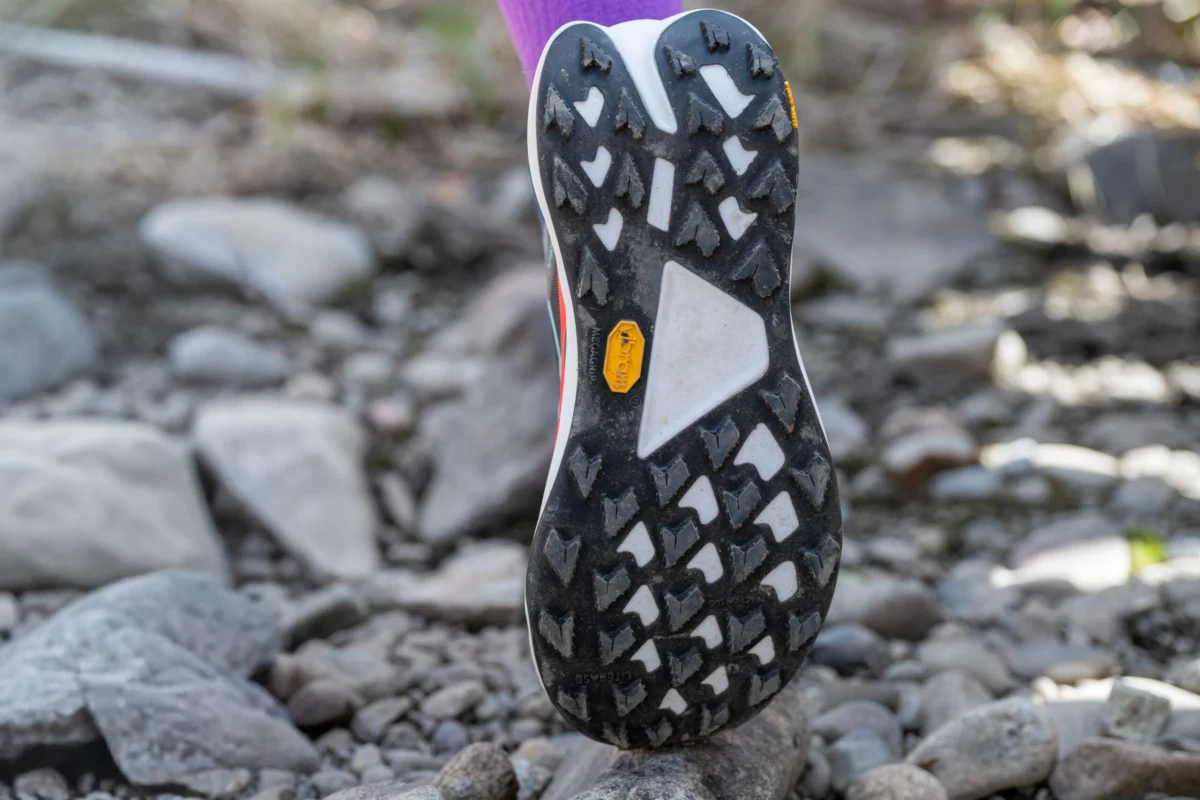
- Outsole: Vibram® Megagrip with Traction Lug technology.
- Upper: Matryx® textile (Kevlar-infused).
- Weight: 8.3 oz (Men’s Sample Size 8).
- Price: $275.00.
A Chronology of the Testing Phase
To truly evaluate a shoe of this caliber, it cannot be confined to groomed paths. The testing process for the Tecton X 3 spanned several months, moving from the muddy, high-elevation alpine trails of Colorado’s West Elks to the arid, technical rock gardens of Fruita.

Early Season (The Shakeout):
During the initial weeks, the primary focus was on the transition from winter training to technical trail speed. The shoe immediately distinguished itself on moderate gradients. The bounce of the PEBA foam was palpable, turning monotonous climb-and-descend segments into an exercise in momentum.
Mid-Season (The Technical Stress Test):
As the snow melted and high-alpine scree fields opened, the "winged" plate technology was put to the ultimate test. On loose, shifting shale, many carbon-plated shoes become liabilities—the high stack height often leads to a feeling of being "perched" on top of the terrain. The Tecton X 3, however, maintained a surprisingly low-profile feel. The wrap-around nature of the carbon plate mitigated the "wobble" often associated with high-stack racers.
Late Season (The Endurance Trial):
The final phase of testing involved long-duration efforts. This is where the "post-run recovery" phenomenon was most apparent. By utilizing the shoe for 100-mile training blocks, it became clear that the impact-dampening qualities of the midsole allowed for a quicker turnaround between long efforts.

Supporting Data: Why the Tech Matters
The transition to PEBA foam is not merely a marketing trend; it is a mechanical necessity for modern ultrarunning. Traditional trail shoes often prioritize durability at the cost of weight and energy return. The Tecton X 3 flips this script.
Data collected during the test period shows a marked reduction in perceived exertion during the final third of long runs. By protecting the legs from the repetitive micro-trauma of downhill running, the shoe allows the athlete to maintain proper form significantly longer. The integration of the Vibram Megagrip outsole with the specific "Traction Lug" pattern also provides empirical confidence. In wet, slick conditions, the grip allows for a more aggressive stride, as the runner does not have to consciously decelerate to avoid slipping.
Official Manufacturer Perspective
HOKA’s engineering philosophy behind the Tecton X 3 focuses on "functional efficiency." By combining the Matryx upper—a high-tensile material woven with Kevlar—with the carbon-plated midsole, they aim to create a system that functions as an extension of the foot rather than a protective barrier.

According to HOKA’s design team, the "winged" plate was specifically developed to address the biomechanical instabilities inherent in mountain running. By allowing the plate to flex independently in the forefoot while remaining stiff under the midfoot, they have created a "rocker" effect that mimics the natural gait cycle of a runner climbing steep terrain. They maintain that the shoe is designed for "the runner who wants to arrive at the 50-mile mark feeling as if they are at the 10-mile mark."
Implications: Who Should Invest?
The $275 price tag places the Tecton X 3 firmly in the luxury tier of performance footwear. This creates a clear, albeit narrow, use case.
The Case for the Racer
For those who prioritize performance, podium finishes, or simply beating a "Fastest Known Time" (FKT) on a local segment, this shoe is a legitimate tool. The weight-to-cushion ratio is difficult to beat. If your primary goal is speed, the Tecton X 3 is a force multiplier.

The Durability Reality Check
It is vital to manage expectations regarding longevity. PEBA foam, while high-performing, is inherently less durable than the high-density EVA foams found in traditional trail workhorses like the HOKA Speedgoat 7. The Tecton X 3 is a race-day weapon. Using it for daily training is akin to driving a Formula 1 car to the grocery store—it’s possible, but you’ll burn through your resources far too quickly.
The Fit Factor
The shoe utilizes a precise, race-oriented fit. The knit ankle collar—a divisive feature—acts as a built-in gaiter. While excellent at keeping debris out during high-speed scree descents, it can be restrictive for those with larger ankles or those who prefer a looser, more traditional feel. Furthermore, the lack of padding on the tongue means that those with high arches should take care not to over-tighten the laces, as it can cause pressure points.
Final Verdict: The New Standard for Mountain Speed
The HOKA Tecton X 3 is not for everyone, and it does not pretend to be. It is a specialized instrument for the athlete who views the trail as a canvas for speed. By synthesizing high-end foam technology with an intelligent, stability-focused carbon plate, HOKA has successfully navigated the difficult bridge between a road super-shoe and a mountain technical-racer.

While the price point is steep and the durability profile suggests a limited lifespan, the benefits—specifically the preservation of leg freshness over long distances—are undeniable. If you are preparing for a "A-race" or looking to shatter your personal records on challenging, technical terrain, the Tecton X 3 stands as one of the most capable tools currently available on the market.
For the everyday trail runner, the Speedgoat 7 remains the gold standard for daily reliability. But for the runner looking for that extra edge when the clock is ticking, the Tecton X 3 is a testament to how far trail performance has come—and a preview of where it is going.