In the high-stakes world of technical climbing, equipment has historically prioritized two metrics above all else: weight and performance. For decades, the pursuit of the "ultralight" experience has driven innovation, often at the expense of environmental sustainability. However, a seismic shift is occurring in the industry, led by one of the most respected names in mountain sports. The Mammut Crag Recycled 9.8mm Dry Rope ($200) represents more than just a new piece of hardware; it is a proof-of-concept that suggests the future of climbing gear does not have to come at the cost of the planet.
Main Facts: Redefining the Standard
At its core, the Mammut Crag Recycled 9.8mm Dry Rope is a 60-meter, 9.8mm diameter workhorse designed for the modern climber. While many elite athletes gravitate toward thinner, sub-9.5mm ropes to shave grams for high-end redpoints or long alpine approaches, the 9.8mm diameter occupies a crucial "sweet spot." It provides the requisite bulk to withstand the abrasive reality of daily gym climbing, frequent top-roping, and the inevitable grit of outdoor crags.
What distinguishes this rope from its competitors is its composition. Mammut has successfully engineered a high-performance cord manufactured entirely from recycled polyamide, sourcing materials from post-industrial scraps, including discarded plastic bottles and automotive tire components. By utilizing these materials, Mammut has achieved a 56% reduction in its carbon footprint during the production process compared to traditional nylon manufacturing.

Chronology of Innovation
The journey to the Crag Recycled was not an overnight success but the result of a multi-year R&D effort.
- Early Development: Mammut began by experimenting with repurposing leftover factory scraps, testing the structural integrity of recycled fibers against virgin nylon.
- The 2025 Milestone: After refining the molecular structure of the recycled polymers to ensure they met UIAA safety standards, Mammut debuted the rope to the global market.
- Industry Recognition: In 2025, the innovation was officially validated when it received the prestigious ISPO Award. The award serves as a benchmark for the outdoor industry, highlighting products that successfully marry extreme technical capability with genuine environmental stewardship.
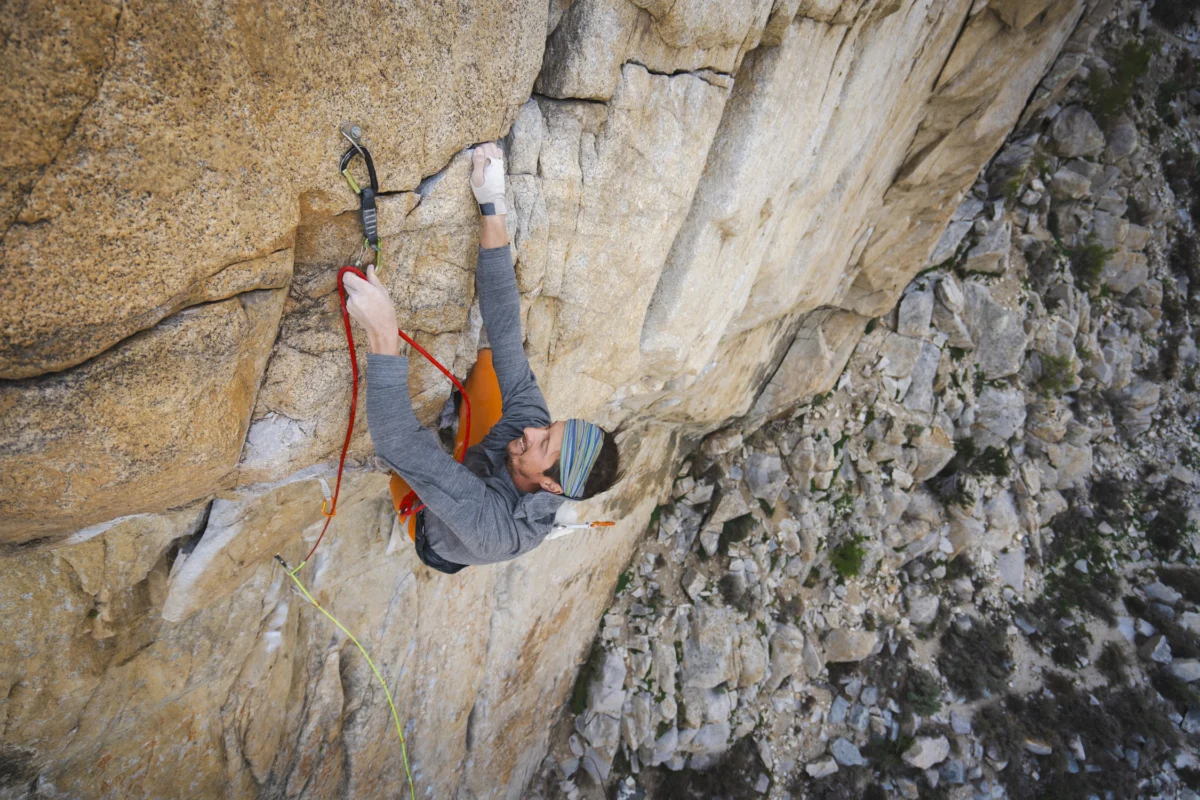
- Field Testing (2026): Following its release, the rope underwent rigorous real-world testing across diverse North American landscapes, including the granite slabs of Squamish, the sport routes of Pine Creek Canyon, and the limestone faces of Mt. Charleston.
Supporting Data and Performance Metrics
The primary skepticism surrounding recycled gear is the fear of performance degradation. Critics often ask: Does a rope made from trash actually catch a fall? The data, corroborated by field testing, says yes.
The Crag Recycled carries an impact force of 8.5 kN. While this creates a slightly firmer catch compared to the "soft" feel of a 9.2mm skinny rope, it remains well within the safety parameters required for dynamic lead climbing. During testing, the rope was put through a series of "whippers" and sustained hanging sessions. The results were consistent with high-end non-recycled ropes: the sheath integrity remained solid, and the core did not show signs of premature flattening.

Furthermore, the rope features a proprietary dry treatment. This is not merely a marketing flourish; the treatment is essential for maintaining the longevity of a rope intended for "day-after-day" use. By limiting the absorption of water and preventing the accumulation of dirt and grit deep within the core fibers, the dry treatment ensures that the rope remains supple and strong even after months of exposure to the elements.
Official Responses and Industry Context
Mammut’s move comes at a time when the outdoor industry is facing mounting pressure to address its environmental impact. Climbing is a sport that inherently celebrates nature, yet the production of nylon ropes has historically been an energy-intensive process relying on virgin petroleum-based products.
"We wanted to prove that sustainability isn’t an ‘alternative’ category—it’s the future of performance," noted a company spokesperson following the ISPO win. By successfully scaling the production of this rope, Mammut is challenging other manufacturers to follow suit. The industry response has been largely positive, with retailers noting that consumers—particularly the younger, eco-conscious demographic of climbers—are increasingly prioritizing products that align with their environmental values.

The Handling Paradox
One of the most surprising findings in our assessment was the "hand" of the rope. Typically, ropes with a 9.8mm diameter can feel bulky, stiff, or "ropey" when new. However, the Crag Recycled feels remarkably similar to the thinner 9.5mm ropes often favored by intermediate climbers.
The weight—clocking in at 61 grams per meter—is admittedly on the heavier end of the spectrum. For a climber hauling a rack of quickdraws up a long multi-pitch route, those extra grams are noticeable. Yet, this mass is the secret to its durability. The increased sheath-to-core ratio provides superior abrasion resistance, making it an ideal choice for climbers who spend their weekends projecting sport routes, where frequent falls and rope-drag over sharp edges are the norm.
Implications for the Future of Climbing
The success of the Mammut Crag Recycled 9.8mm sets a new precedent for the gear industry. It effectively dispels the myth that "recycled" is synonymous with "inferior."

1. Environmental Impact
The 56% reduction in the carbon footprint is not just a statistic; it is a massive reduction in the environmental cost of a single piece of safety equipment. If this manufacturing process becomes the industry standard, the cumulative reduction in carbon emissions would be substantial.
2. Economic Value
At $200, the rope sits in a competitive price bracket. For the average climber, the value proposition is clear: you are getting a high-durability, long-lasting, and ethically produced rope for the same price as a traditional, non-recycled alternative. This eliminates the "sustainability tax" that often prevents consumers from making eco-friendly choices.
3. Shift in Consumer Behavior
Climbers are notoriously hard on their gear. The shift toward a "repair and reuse" or "sustainable by design" mindset is essential. The Crag Recycled allows climbers to participate in the sport they love without the cognitive dissonance of knowing their gear is contributing to excessive waste.

Who Should Buy This Rope?
The Mammut Crag Recycled is not a one-size-fits-all solution.
- The Ideal Candidate: This is the perfect rope for the gym-to-crag climber who values longevity. If you are logging hundreds of hours on a project, frequently top-roping, or simply want a reliable, daily-driver rope that won’t show signs of fraying after a single season, this is an industry-leading choice.
- The Exceptions: For the alpinist, the trad climber concerned with weight on long approaches, or the elite sport climber seeking the lightest possible cord for maximum efficiency, the 9.8mm diameter might be a drawback. In those specific niches, thinner remains king.
Final Verdict
The Mammut Crag Recycled 9.8mm Dry Rope is a triumph of engineering. It successfully navigates the delicate balance between technical performance and environmental responsibility. While it may not be the thinnest or lightest rope on the rack, its durability, handling, and sustainability credentials make it a standout product.
By choosing this rope, climbers are not just buying a tool for their next send; they are supporting a manufacturing revolution that proves we don’t have to sacrifice our values to reach the top. As we look toward the future, it is clear that Mammut has set the bar high. The question is no longer whether we can make sustainable climbing gear—the question is, why would we choose anything else?