Introduction: A Seasonal Shift in the Clark Fork
As the spring runoff subsides and the Montana sun warms the valley, the rhythm of the Clark Fork River has undergone a distinct transformation. For the professional team at Montana River Guides, this shift marks the conclusion of their intensive spring training programs—specifically their swiftwater rescue certifications—and the official opening of their peak summer recreation season. With the Alberton Gorge currently sitting at a comfortable 4,000 cubic feet per second (CFS), the river has entered its "goldilocks" phase: high enough to remain exhilarating, yet warm and manageable enough for families and casual adventurers to navigate.
The transition from technical rescue instruction to public guided tours signals a broader movement in the Missoula outdoor community. As regional residents and tourists alike flock to the water, the focus has shifted from high-stakes emergency preparedness to the core mission of Montana River Guides: providing safe, accessible, and high-quality whitewater experiences on one of the most iconic river stretches in the Pacific Northwest.
Main Facts: The State of the Gorge
The Alberton Gorge, situated just a short drive west of Missoula, is currently the focal point for regional whitewater activity. The current flow rate of 4,000 CFS serves as a baseline that dictates both the technical challenge and the safety parameters for the coming months.
- Optimal Conditions: The current volume is widely considered ideal for Class II and III rapids. It allows for the "big water" experience required for thrill-seekers while maintaining a safety margin that accommodates guided family trips.
- Topography and Hazards: While the water levels have dropped from their peak spring surge, the river remains dynamic. Notable features like the Tumbleweed and Fang rapids continue to serve as the primary "action" points, where the hydraulic force is sufficient to challenge even seasoned paddlers. Simultaneously, the upper sections of the gorge are seeing the emergence of new rock gardens, requiring more precise maneuvering than was necessary during the high-water weeks of May and June.
- Service Offerings: Montana River Guides continues to operate a full suite of services, including daily whitewater rafting, scenic kayaking tours, and specialized instructional clinics.
Chronology: From Rescue Training to Summer Tourism
The lifecycle of the Montana River Guides’ season is a carefully calibrated operation. Understanding this chronology is essential to appreciating the level of expertise present on the river.
Phase 1: The Spring Rescue Intensive (March–May)
Before the first commercial raft hits the water for a family trip, the guides spend months in the water under extreme conditions. The spring period is dedicated to Swiftwater Rescue (SWR) training. This involves not only teaching the staff but also hosting professionals from across the country to learn how to manage river hazards. This phase is characterized by high, cold water and a focus on mechanical advantage systems, rope work, and emergency medical response.
Phase 2: The Transition (Late June)
As the water temperatures rise and the flows stabilize, the emphasis shifts. The equipment used for rescue—throw bags, pulleys, and specialized harnesses—is transitioned from training gear to standard inventory for daily operations. This period is critical, as it requires the guides to shift their mindset from "emergency management" to "guest experience," ensuring that the safety culture remains rigid while the atmosphere becomes more welcoming for the public.
Phase 3: The Peak Summer Season (July–August)
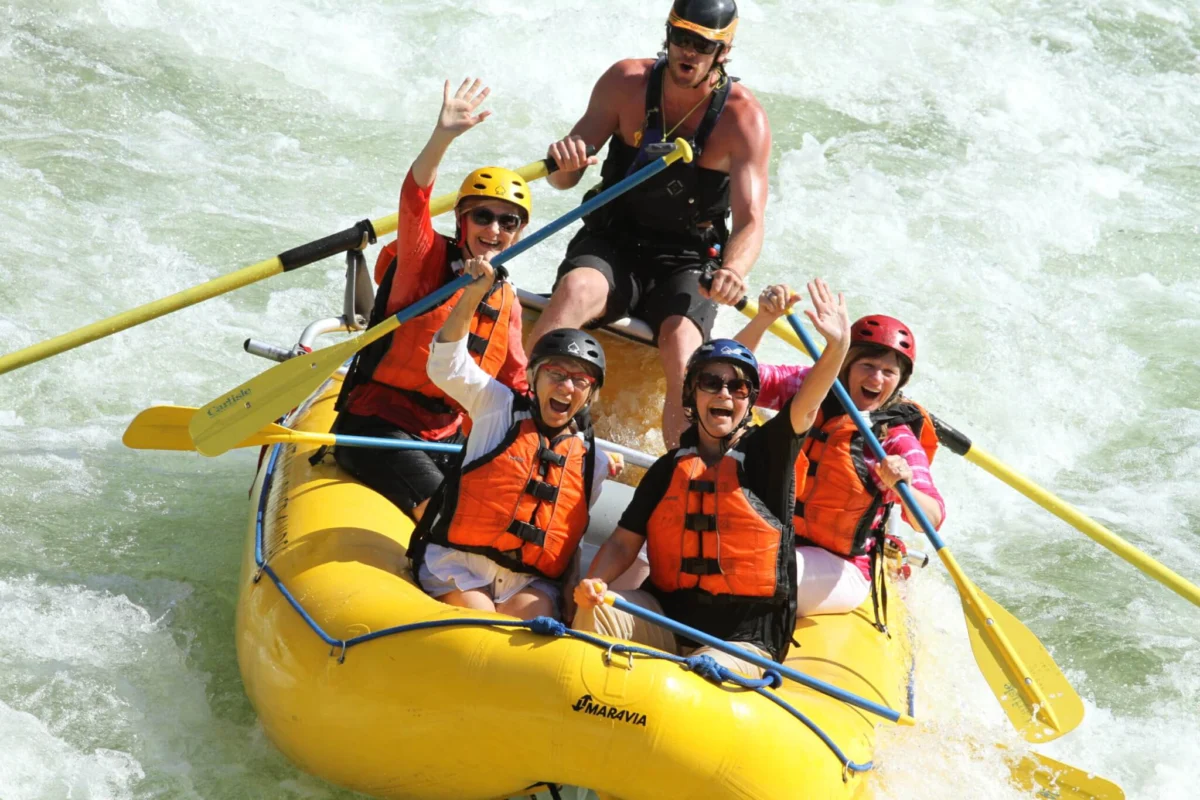
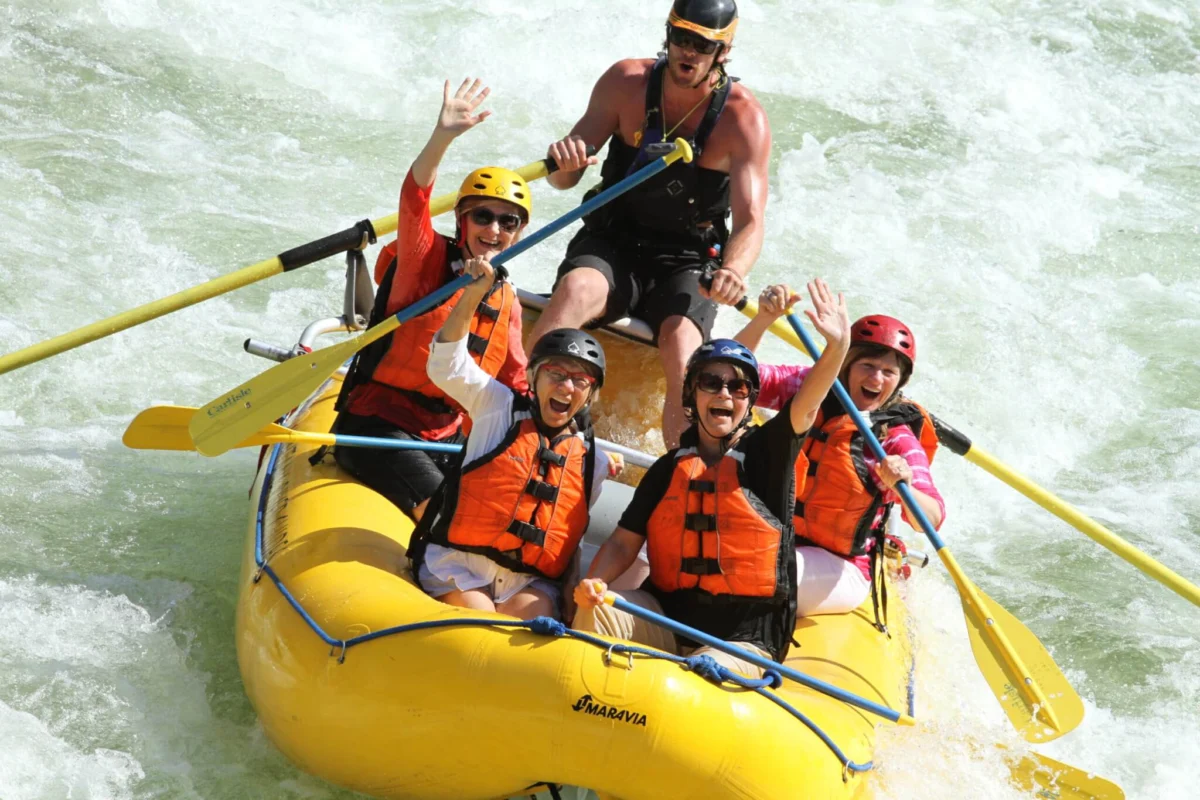
This is the current phase. The river is at its most popular. The chronology of a typical day now involves pre-trip safety briefings, equipment checks, and the execution of the primary commercial tours. This phase will last through the end of August, at which point the company will pivot again toward its late-summer professional technical training.
Supporting Data: Why 4,000 CFS Matters
Water flow, measured in cubic feet per second, is the heartbeat of river management. The 4,000 CFS figure currently reported by Montana River Guides is a significant metric for three reasons:
- Hydraulic Energy: At 4,000 CFS, the energy contained within the rapids is enough to provide the "thrill" factor that keeps the sport of rafting viable. If the river drops below 2,000 CFS, the experience becomes more of a "float" than a "whitewater" trip.
- Obstacle Exposure: The emergence of rocks in the upper gorge is a direct result of this specific flow rate. These rocks act as "gatekeepers," forcing guides to demonstrate technical proficiency in navigation. This creates a natural filter that ensures only skilled, professional guides are navigating the more challenging lines.
- Safety Buffers: At this level, the river is forgiving. The pools between rapids are large enough to allow for easy recovery of swimmers—a common occurrence in the Alberton Gorge—without posing the entrapment risks associated with extreme high-water events.
Official Response: The Safety Mandate
When asked about the current conditions, the leadership at Montana River Guides emphasizes that safety is not a seasonal event, but a continuous practice.
"We know you are all wearing the right gear and keeping an eye on each other," a company spokesperson noted. This statement highlights the philosophy of the "buddy system," which is ingrained in every participant who takes a trip with the outfit. The company’s policy requires all guests to be equipped with high-quality Personal Flotation Devices (PFDs) and helmets, regardless of their swimming ability or the perceived calmness of the water.
Furthermore, the company’s stance on river stewardship is clear: the river is a shared resource. By mandating safety protocols and ensuring that all guides are certified in advanced swiftwater rescue, Montana River Guides acts as a force multiplier for river safety on the Clark Fork. Their presence on the water means there are always trained professionals available to assist in the event of an emergency, whether the victim is a commercial client or a private boater.
Implications: The Intersection of Industry and Environment
The ongoing activities of Montana River Guides have profound implications for the Missoula economy and the local ecosystem.
Economic Impact
Tourism remains a pillar of the Missoula economy, and the Alberton Gorge is a primary draw. By offering a range of services—from high-adrenaline rafting to scenic, low-impact kayaking—the company captures a wide demographic of visitors. This diversity of service helps to sustain local jobs throughout the summer months and supports the hospitality sector in the surrounding counties.
Environmental Stewardship
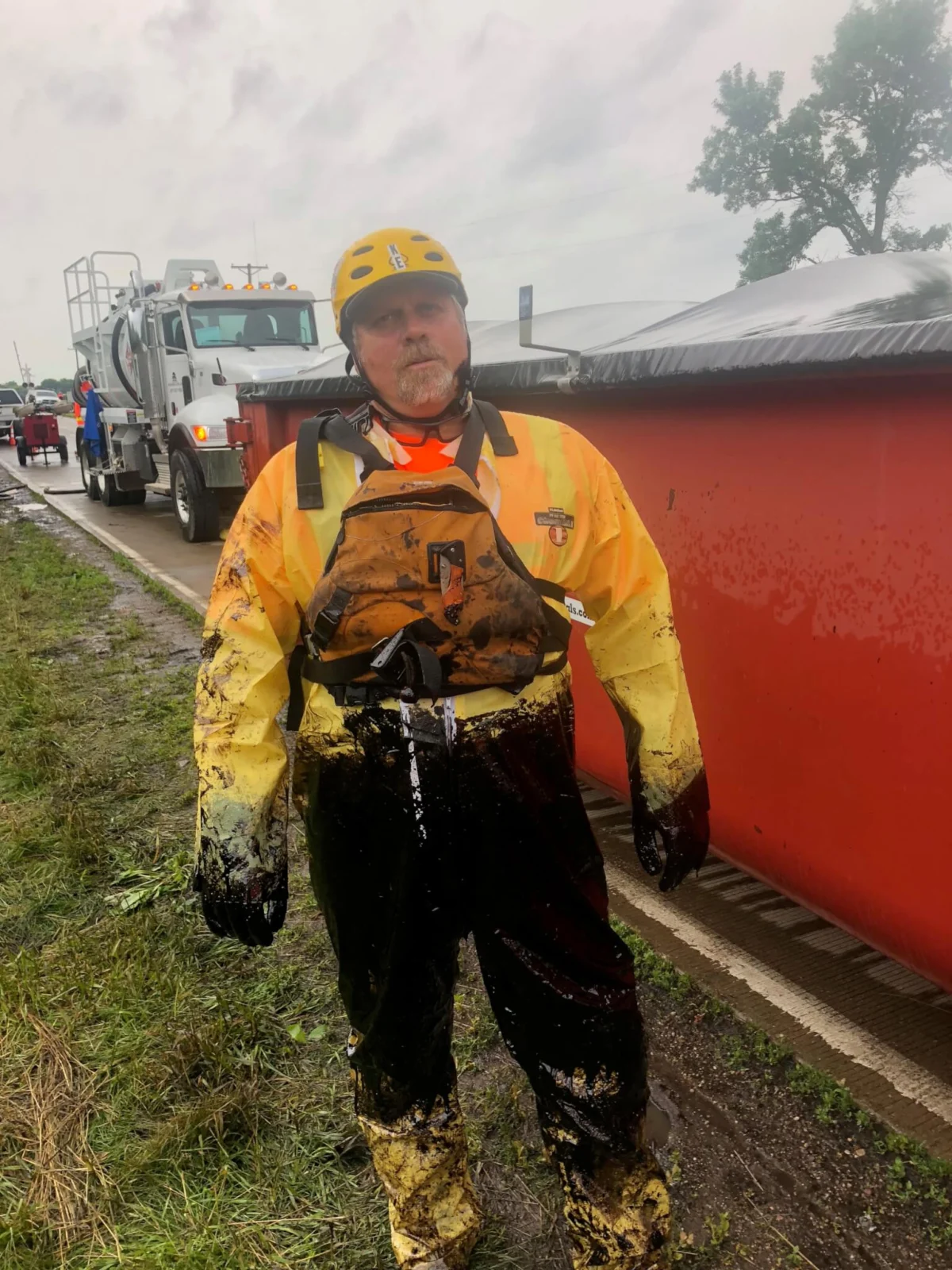
The focus on "Swiftwater Spill Response" classes scheduled for later this summer indicates that the company is looking beyond simple recreation. By training professionals in how to safely deploy spill response equipment in wastewater and swiftwater environments, Montana River Guides is contributing to the environmental health of the Clark Fork. This is a critical service, as the river is not just a recreational corridor but a vital water source for agriculture and municipal needs downstream.
The Future of River Access
The successful integration of commercial rafting and technical rescue training sets a blueprint for other river-based businesses in the American West. It demonstrates that commercial activity does not have to be extractive; instead, it can be educational and safety-oriented. As the summer progresses, the company’s commitment to providing both fun for families and technical training for environmental responders ensures that the Clark Fork remains a well-managed and respected waterway.
Conclusion: A Call to Adventure and Preparedness
As the mid-summer sun continues to beat down on Western Montana, the Clark Fork River remains a central hub of activity. Whether you are a local looking for a weekend escape on the water or a professional looking to hone your rescue skills, the current conditions in the Alberton Gorge offer a rare window of opportunity.
Montana River Guides has successfully balanced the high-energy demands of the river with the meticulous planning required for professional safety training. With the water at an optimal 4,000 CFS and the summer season in full swing, the message is clear: enjoy the river, respect the current, and always prioritize the safety culture that makes the Missoula rafting experience one of the best in the country. For those looking to participate, the time is now—the rapids are waiting, and the gear is ready.