Main Facts: The Critical Necessity of Decontamination
When an oil spill occurs in an inland fastwater environment, the primary focus is often the immediate containment of the slick and the protection of downstream assets. However, a critical, often overlooked, and potentially hazardous component of the response is the decontamination (decon) of personnel and equipment. Failing to prioritize decontamination in the early phases of a spill response leads to the cross-contamination of clean areas, increased health risks for responders, and prolonged cleanup timelines.
Professional inland oil spill response mandates a proactive and assertive approach to decon. It is not merely a post-task cleanup; it is a fundamental operational requirement that must be integrated into the initial Incident Action Plan (IAP). Effective decon begins with the clear establishment of work zones—Exclusion, Contamination Reduction, and Support Zones—often referred to in standard industry parlance as Hot, Warm, and Cold zones. Every responder, regardless of their role, must be fully aware of these zones and the boundaries that define them.
Chronology of Response: Setting the Foundation
In the initial minutes and hours of a fastwater spill, the environment is chaotic. The sequence of operations must be disciplined to ensure safety.
- Site Assessment and Zoning: Within the first hour, the Incident Commander (IC) must define the Hot, Warm, and Cold zones. A site map, detailed enough to identify these zones in relation to environmental features (such as riverbanks, access roads, and water intake points), must be distributed.
- Decontamination Corridor Setup: Before any equipment or personnel are deployed into the Hot Zone, the Contamination Reduction Zone (CRZ) must be established. This acts as the buffer between the contaminated and clean environments.
- Entry and Exit Procedures: Personnel wearing Modified Level D or Level C protective equipment are logged upon entry. No individual may cross from the Hot Zone into the Warm or Cold zones without undergoing a multi-stage decontamination process.
- Operational Maintenance: Throughout the response, the decon stations are continuously monitored for breakthrough or saturation, ensuring that the process remains effective as the volume of waste increases.
Supporting Data: Standardized Decon Procedures
The decontamination process is designed to neutralize or remove hazardous petroleum products before they can be tracked into clean areas. The following stations represent the minimum operational standard for personnel leaving the Exclusion Zone:
Station 1: Gross Contamination Removal
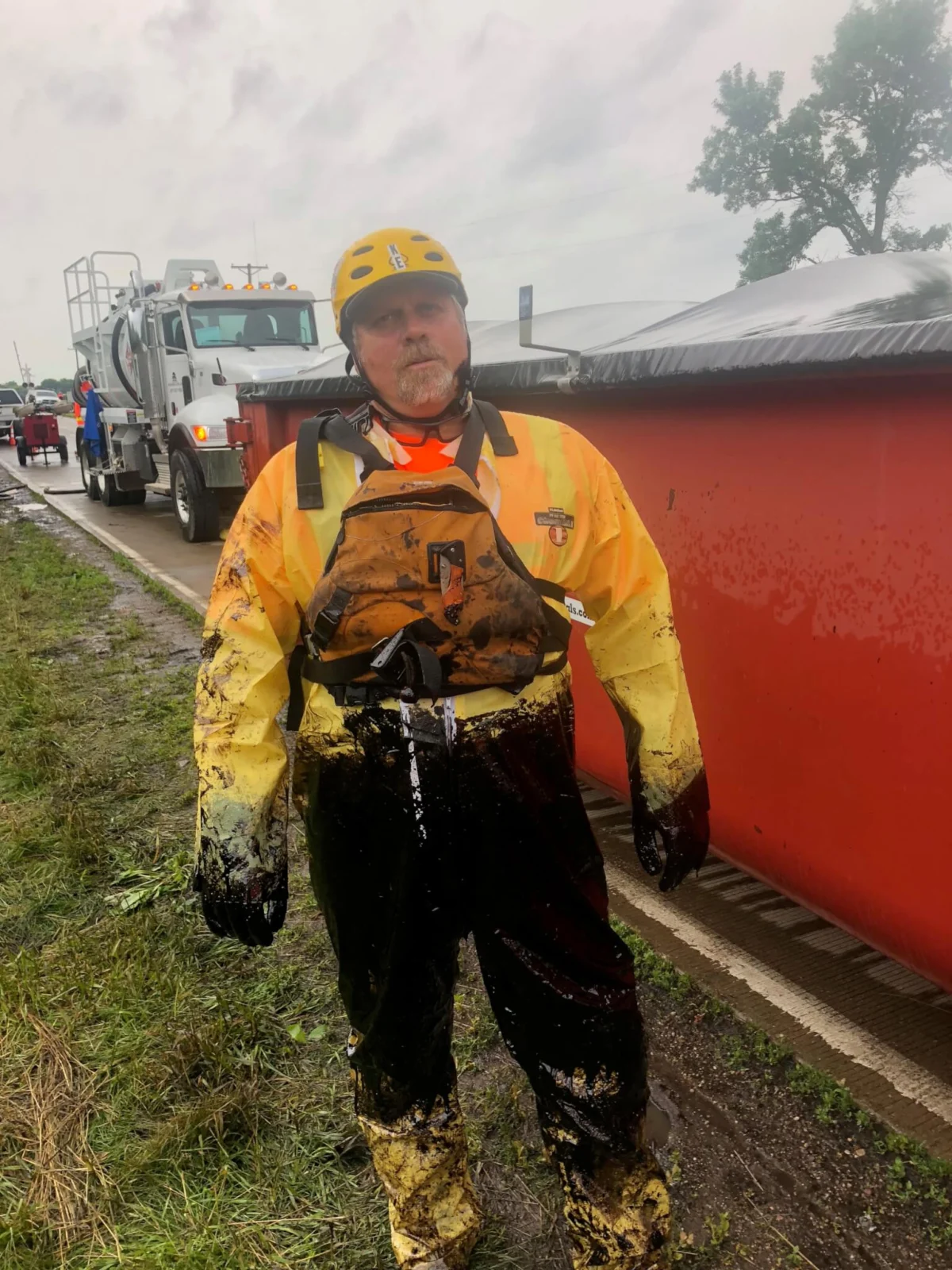
This initial phase involves the removal of heavy, visible contamination. Responders arriving from the Hot Zone must have their outer clothing and heavy-duty boots scrubbed or rinsed. This prevents the transfer of large, uncontained oil deposits into the subsequent, more sensitive stations.
Station 2: Outer Garment Disposal and Initial Cleansing
At this station, personnel remove their outer protective layers—typically chemical-resistant coveralls or aprons—and dispose of them in properly labeled, leak-proof hazardous waste containers. Following the removal of outer layers, hard hats and specialized boots are scrubbed with an aqueous solution of industrial detergent or a specialized cleaning agent. These items are then transported by the responder to the final station for further sanitization.
Station 3: Personal Hygiene and Respirator Care
Before entering the Support (Cold) Zone, responders must thoroughly wash their hands and face. If respiratory protection was utilized, the gear must be sanitized at this stage according to manufacturer specifications and stored in clean, sealed plastic bags to prevent off-gassing or residual contamination.
Official Responses and PPE Protocols
The management of Personal Protective Equipment (PPE) is a core component of the Inland Oil Spill Response strategy. The directive is absolute: where possible, single-use, external protective clothing must be prioritized for work within the Hot or Contamination Reduction zones. These materials are cost-effective when compared to the man-hours required to scrub and inspect reusable gear.

For reusable protective clothing, the response protocol dictates that it must be rinsed on-site using detergent and water. Crucially, the resulting rinsate cannot be discharged back into the environment. It must be collected in specialized sump pumps or containment basins for proper off-site disposal.
Vehicle and Equipment Decontamination
Vehicles represent a significant vector for cross-contamination. Any vehicle that has breached the Exclusion Zone must undergo a decontamination process at a designated pad before exiting the site.
- Low Contamination: If the contact is incidental, the process may be limited to a thorough rinsing of tires and wheel wells.
- Significant Contamination: If a vehicle has been immersed or heavily coated in oil, the response shifts to high-intensity methods, including steam cleaning or high-pressure power washing. All runoff from these operations must be captured and processed as hazardous waste.
Implications for Future Response
The implications of these protocols are far-reaching. As climate change increases the frequency of extreme weather events, the potential for inland spills involving pipelines or transportation infrastructure rises. Fastwater environments—such as rivers and streams—are particularly difficult to remediate.
Health and Safety
The primary implication is the protection of human capital. Long-term exposure to hydrocarbons can have severe respiratory and dermatological consequences. By standardizing the three-station decon process, agencies reduce the risk of chronic health issues for their workforce.
Environmental Stewardship
Strict adherence to decontamination protocols prevents "spill-creep," where clean areas of a riverbank become contaminated by the movement of responders. By containing the oil within the CRZ, the response team ensures that the cleanup footprint remains as small as possible.
Logistical Efficiency
A well-executed decon plan saves time. When decon is treated as a secondary concern, it often becomes a bottleneck, forcing responders to wait in line or, worse, bypass procedures. By integrating decon into the organizational chart of the spill response, supervisors ensure a steady, safe flow of personnel and equipment.
Conclusion
The "Fastwater Spill Response" is a high-stakes, high-pressure operation. While the focus is often on the physical recovery of the oil, the safety of the responders and the integrity of the environment depend entirely on the efficacy of the decontamination process. By maintaining strict work zones, utilizing proper PPE, and ensuring that all equipment is cleansed before exiting the hazard area, responders can uphold the highest standards of professional safety. The procedures outlined here are not just suggestions; they are the foundation of a responsible, effective, and ethical response to inland oil disasters.