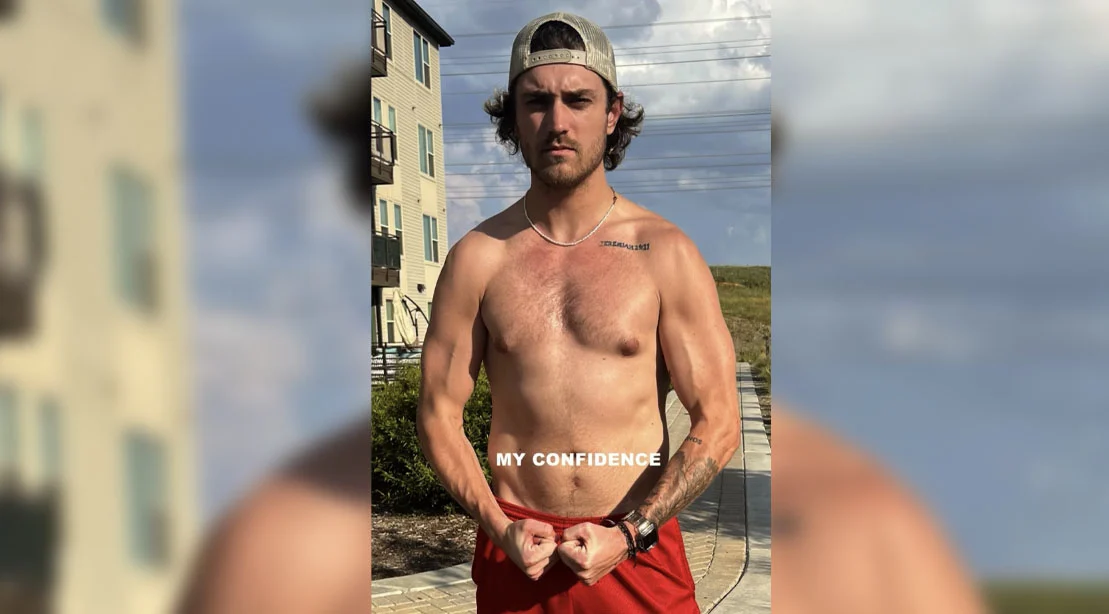
For many young men, the path to adulthood is paved with the rigid expectations of athletic achievement. For 31-year-old JB Copeland, that path was not just a goal; it was an identity. For nearly two decades, the Southlake, Texas native lived with a singular, unyielding focus: the National Football League. Today, however, Copeland has pivoted from the pursuit of professional touchdowns to a far more profound mission. He has emerged as a leading voice in the mental health advocacy space, dismantling the stigma that often prevents young men from seeking help.
His journey—a harrowing descent from Division I prospect to a life-threatening struggle with substance abuse, followed by a triumphant rediscovery of self—serves as a cautionary tale and a beacon of hope. It is a story of what happens when the armor of the athlete is stripped away, and the human beneath is forced to reconcile with their own vulnerability.
The Architecture of a Dream: A Chronology of Potential
Born on December 6, 1994, John Byron Copeland was a standout in the Texas high school football ecosystem. At Southlake Carroll, his physical stature and tactical instinct made him a formidable linebacker. By his junior year, he was already posting impressive numbers, recording 90 total tackles. His trajectory seemed set in stone, a linear path leading toward collegiate glory and, eventually, the professional stage.
Copeland’s collegiate journey was marked by a relentless pursuit of excellence. His tenure at Navarro College in 2015 was particularly noteworthy; he recorded 116 total tackles in just 10 games, averaging 11.6 per outing. This performance placed him among the top junior college prospects in the nation, earning him a rating as the No. 10 outside linebacker in the country.
Following his success at the junior college level, Copeland committed to New Mexico State University, where he saw immediate playing time as a freshman, tallying 43 tackles. His stock continued to rise, leading to a scholarship offer from the University of North Carolina (UNC) at Chapel Hill. By December 2015, Copeland had achieved the "dream" status. He was a Division I athlete at a major program, standing at 6’3” and weighing 230 pounds of pure, explosive potential.
The Breaking Point: When the Game Stops
In the high-stakes world of collegiate football, injury is an omnipresent specter. For Copeland, the reality of the sport’s physical toll arrived with devastating finality during his debut season at UNC. Back-to-back concussions did more than sideline him for the season; they severed his connection to the identity he had spent his entire life constructing.
"Football had been my life since I was 6 years old," Copeland told Muscle & Fitness. "When I thought about what I wanted to do, it was always, ‘play in the NFL.’ There was no Plan B. I’d made up my mind that this is why I’m here and this is what I’m going to do."
When the sport was suddenly removed from the equation, the structural silence was deafening. Without the training schedule, the academic requirements of a student-athlete, and the collective purpose of the team, Copeland experienced what he describes as a "complete mental downward spiral."
Supporting Data: The Anatomy of a Spiral
The collapse was not merely psychological; it was physiological. Within just three months of retiring from football, the loss of his external structure caused him to drop 55 pounds. The anxiety that had been suppressed by years of rigorous physical activity and the tunnel-vision focus of an athlete began to manifest in dangerous ways.
To cope with the overwhelming silence of his post-football life, Copeland turned to medication. Initially prescribed Xanax to manage paralyzing anxiety, he soon found himself caught in the trap of substance dependency. As his tolerance grew, his desperation deepened. He began soliciting prescription medications from teammates who were recovering from surgeries, effectively trading his long-term health for temporary emotional numbness.
The consequences were swift and severe. By his senior year at UNC, he had lost his scholarship and subsequently flunked out of the university. He had become a man without a map, relying on substances to maintain an illusion of internal safety. The cycle continued for years, an unsustainable attempt to bury the "uncomfortable truths" of his identity crisis.
The situation reached a critical inflection point in April 2022, when a severe panic attack landed Copeland in the emergency room. "One day, the parts of you that you buried alive begin to revolt," he explained. "The Band-Aid doesn’t work anymore, and the journey into the darkness within must begin."
Official Realization: The Path to Rehabilitation
The hospitalization served as the ultimate wake-up call. Recognizing that he was running out of time, Copeland made a life-altering decision to check into an addiction rehabilitation facility in a small town outside of Dallas.
His 90-day stay was the crucible in which his new life was forged. It was there that Copeland began the difficult work of dismantling the facade of the "tough athlete." He discovered that physical training, which had once been a tool for professional advancement, could be repurposed as a tool for emotional healing.
"At the time, my mind and emotions felt out of control," Copeland noted. "I couldn’t find balance, so I decided to focus on the one thing I knew I could control: my body." He leaned into disciplined exercise and clean nutrition, noting that this physical grounding opened the "portal to deeper healing." It was in this space of vulnerability that he began to understand that the discipline required to be an elite athlete was not inherently different from the discipline required to maintain one’s mental health.
The New Frontier: Advocacy and Impact
Since exiting rehab, Copeland has leveraged his platform to reach millions who feel trapped in similar cycles of despair. His digital footprint—2 million followers on Instagram, nearly 900,000 on TikTok, and a burgeoning YouTube presence—has become a sanctuary for those struggling with identity and emotional awareness.
His social series, Whatever Works, launched in 2026, acts as a digital fireside chat where the conversations center on the intersection of mental, emotional, and physical well-being. Furthermore, his debut book, Sappy Medium: The Rough Draft, offers a raw, unfiltered look at his journey, providing readers with a roadmap for navigating grief, self-trust, and the "in-between" stages of life.
Copeland is also currently developing a mobile application designed to bridge the gap between various pillars of health—mental, emotional, spiritual, and physical. This transition from "football player" to "advocate" represents a fundamental shift in his definition of success.
Implications: A Message for the Modern Man
As Copeland continues to build his career and advocacy, he remains transparent about his ongoing challenges. He candidly admits that fostering community remains a hurdle, noting his tendency to isolate. However, he emphasizes the necessity of connection, particularly for men.
"If you’re a man, there’s another man out there you can be completely honest with," he asserts. "When you bring that level of honesty to a relationship, the only option you have is to grow. We need accountability, and we can’t have it when we hold secrets."
For current athletes, his message is perhaps his most poignant. He warns against the dangers of letting a singular pursuit dictate one’s entire existence. "When something becomes who you are, that thing will always let you down," he says. "I’m a big believer in giving it everything you have but not letting it become who you are. It’s a sport. Your life is bigger than a game."
JB Copeland’s story is a testament to the fact that the most impressive "tackles" in life are not made on the field, but in the internal work of confronting one’s own darkness. He is no longer playing for a scoreboard; he is playing for his life, and in doing so, he is helping countless others do the same.
Resources for Support:
If you or someone you know is struggling with mental health or a crisis, please contact the Suicide & Crisis Lifeline by calling or texting 988 for free, confidential, 24/7 support.
If you or someone you know is struggling with substance abuse, please contact the SAMHSA National Helpline at 1-800-662-HELP (4357).