As the snowmelt from the high peaks of Western Montana recedes and the rivers settle into their mid-summer flows, the team at Montana River Guides (MRG) has officially transitioned from their rigorous spring training schedule to the heart of the recreational rafting season. With swiftwater rescue certification courses largely concluded, the focus has shifted to the Clark Fork River, where the Alberton Gorge—the crown jewel of Missoula-area whitewater—is currently offering optimal conditions for enthusiasts of all skill levels.
Main Facts: The Current State of the Clark Fork
The Alberton Gorge is currently operating at a flow rate of approximately 4,000 cubic feet per second (CFS). For the seasoned river guide, this volume represents the "sweet spot" for commercial rafting. At this level, the river provides a consistent, manageable push that allows for high-energy excitement without the unpredictable volatility associated with peak spring runoff.
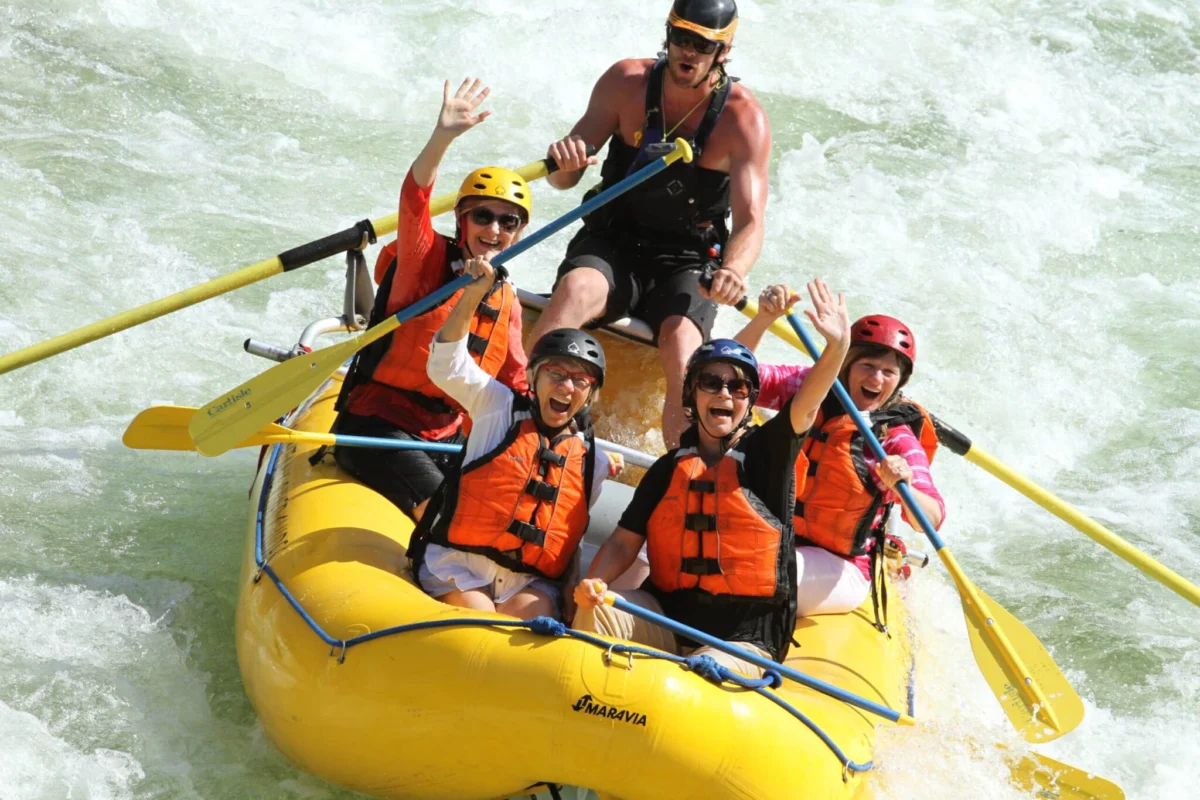
Currently, the gorge is characterized by warm, friendly Class II and III rapids. Iconic features such as "Tumbleweed" and "Fang" are providing enough hydraulic power to occasionally challenge rafters and create the occasional "swimmer," yet they remain accessible for families and novice paddlers. As the season progresses, the water level will continue to shift, exposing new rock features in the upper gorge, which adds a layer of technical challenge and strategic maneuvering for those navigating the corridor.
Chronology: From Classroom to Canyon
The operational calendar for Montana River Guides is meticulously synchronized with the hydrological cycle of the Clark Fork.
- Spring Training (March–May): The season began with a heavy emphasis on safety and professional development. During this period, MRG conducted intensive swiftwater rescue classes. These courses are designed not just for recreational paddlers, but for emergency responders and industry professionals who require mastery of river dynamics, mechanical advantage systems, and self-rescue techniques.
- The Transition (June): As the runoff peak passed, the focus transitioned from the technicalities of rescue to the logistics of commercial tourism. This phase involved site assessments, gear maintenance, and the fine-tuning of guide certifications for the summer volume.
- Peak Summer Operations (July–August): With the arrival of stable summer flows, the organization has pivoted to its full slate of daily whitewater rafting and scenic kayaking tours. This is the period of highest demand, requiring peak coordination between the guide staff and the public.
- Specialized Education (Late Summer): Following the height of the tourism season, the organization will pivot back to specialized education, specifically hosting their highly regarded "Swiftwater Spill Response" training, which bridges the gap between recreational rescue and industrial environmental protection.
Supporting Data: Understanding River Flow and Safety
Water management on the Clark Fork is a complex interplay of geography and climate. At 4,000 CFS, the Alberton Gorge acts as a natural funnel, intensifying the flow and creating the signature rapids that draw thousands of visitors annually.
However, river safety data suggests that the "friendly" nature of summer flows can occasionally lead to complacency. Montana River Guides emphasizes that even in Class II and III water, the importance of personal protective equipment (PPE) remains non-negotiable. The firm continues to advocate for:
- High-Floatation PFDs: Ensuring every participant is wearing a Coast Guard-approved life jacket, properly cinched.
- Helmet Protocol: Essential for navigation through the rock-laden upper gorge.
- The Buddy System: A fundamental tenet of the MRG safety philosophy, ensuring that even in "warm" water, no paddler is left to navigate a rapid in isolation.
The company reports that its commitment to these safety standards has resulted in a sterling record of incident-free rafting, a statistic they attribute to the rigorous training their guides undergo during the spring months.
Official Perspectives: The Value of Professional Guidance
For those unfamiliar with the complexities of the Clark Fork, the value of a guided trip cannot be overstated. Montana River Guides positions itself as an educational partner rather than just a tour operator.
"Our mission is to help people experience the power and beauty of the Clark Fork while maintaining the highest possible safety margins," says a spokesperson for the organization. "When a family books a trip, they aren’t just paying for a ride; they are paying for a professional who understands the nuanced shift in river currents, the emergence of hidden obstacles as the season progresses, and the capacity to handle emergencies should they arise."
The organization’s emphasis on "scenic kayaking" vs. "whitewater rafting" allows them to cater to a broad demographic, from thrill-seekers looking to tackle the roar of the rapids to families seeking a quieter, more observational experience of the Montana wilderness.
Implications: The Intersection of Rescue and Environment
Looking toward the late summer, Montana River Guides is set to host specialized "Swiftwater Spill Response" classes. This program represents a critical evolution in the role of river guides in the modern era. As industrial and municipal infrastructure increasingly borders waterways, the ability to respond to hazardous material spills in a moving-water environment is vital.
The Curriculum of the Swiftwater Spill Response Course:
- Day One: A deep dive into swiftwater rescue basics, including hydrology, rescue swimming, and the use of throw bags. Participants review the essential gear—dry suits, helmets, and rescue knives—that define the standard of care in the field.
- Day Two and Beyond: The focus shifts to the deployment of containment booms and absorbent materials within a wastewater or industrial spill scenario. Students learn how to anchor equipment in moving currents and how to create a "deflection" strategy that protects downstream ecosystems.
This course is a testament to the fact that those who know the river best—the guides—are the best-equipped to protect it. By training individuals to respond to environmental hazards, MRG is contributing to the long-term health of the Clark Fork River watershed.
Conclusion: Planning Your Experience
For the remainder of the season, the Clark Fork remains an ideal destination for those looking to engage with the natural beauty of Missoula. Whether one is interested in the adrenaline of navigating "Fang" or the tranquility of a guided scenic kayak trip, the river is currently at its most inviting.
For those planning a visit, Montana River Guides encourages early booking, particularly as summer weekends reach capacity. Beyond the fun of the rapids, the organization serves as a resource for those who wish to learn more about river safety, hydrology, and the ongoing conservation efforts that keep Montana’s rivers running clear and free.
As the summer sun hits its peak and the Alberton Gorge continues to provide its signature whitewater experience, the message from the guides is simple: Gear up, keep an eye on your teammates, and respect the river. With the right preparation, the Clark Fork is not just a destination—it is a classroom, a playground, and a critical piece of the Montana experience that defines the summer season.
For more information on booking your rafting trip or enrolling in an upcoming spill response certification course, visit Montana River Guides.