By Sam Johnston, Lead Guide and Instructor, Montana River Guides
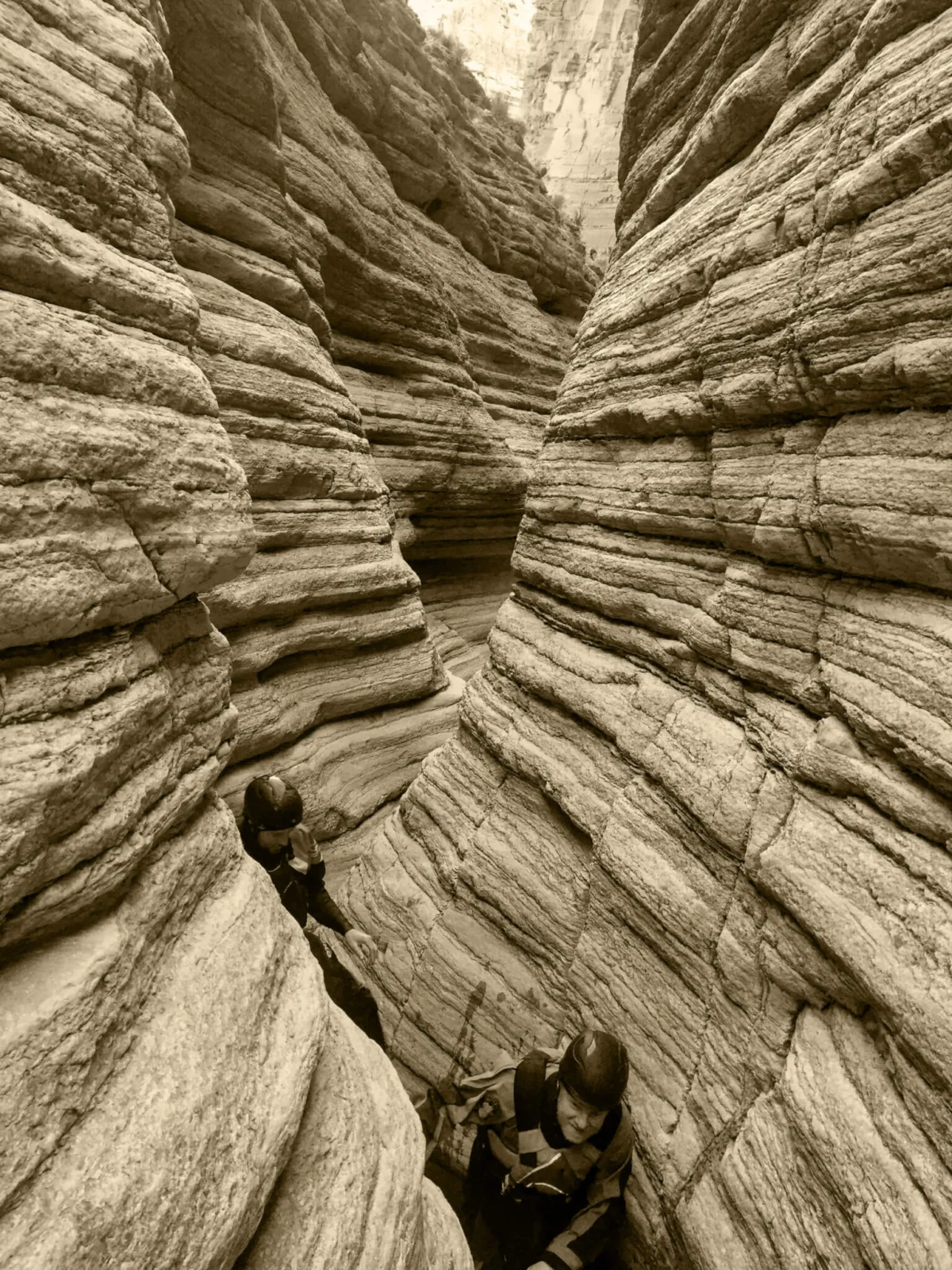
In the remote, unforgiving depths of the Peruvian Andes, the Marañón River cuts a jagged path through the Earth, serving as one of the primary headwaters of the Amazon. It is a landscape defined by vertical granite walls, blistering heat, and whitewater that remains largely inaccessible to the outside world.
For a self-supported kayak expedition, this is the ultimate crucible. However, the true danger of the Marañón is not just the hydraulic force of the river itself; it is the mental attrition that occurs when you are hundreds of miles from the nearest medical clinic. Drawing from my recent expedition, this report explores the critical intersections of swiftwater rescue training, human psychology, and the absolute necessity of maintaining professional standards in the most hostile environments on the planet.
The Anatomy of a Near-Miss: Main Facts
The expedition into the Marañón’s Inner Gorge was, by design, a test of autonomy. With no support crew and no road access, every decision carried the weight of survival. The primary incident occurred while portaging Wasson’s Slide, a complex technical feature.
While scouting the next section, I reached out to steady myself against a boulder roughly the size of a washing machine. Without warning, the rock shifted. My immediate reaction—a frantic, guttural shout of "Rock!"—alerted my teammate, Dayton, who was positioned in ankle-deep water directly below. A several-hundred-pound slab of granite surged downhill, stopping only inches from his position after wedging between two smaller stones.

This moment, a singular lapse in judgment regarding environmental stability, served as a harrowing reminder that even seasoned professionals are susceptible to the "fatigue of expertise." Despite years of training as an instructor with the Whitewater Rescue Institute (WRI) and Montana River Guides, the proximity to a catastrophic failure was a humbling reality check.
Chronology of the Expedition
The descent of the Marañón is a slow, methodical erosion of the paddler’s reserves. The expedition’s timeline was marked by three distinct phases:
Phase I: The Physical Onset
The early stages involved navigating the upper reaches of the canyon. The environment was physically punishing, with high-intensity rapids requiring constant focus. During this time, the team functioned at a high technical level, treating every eddy and scout as a life-or-death decision.
Phase II: The Health Crisis
Near the end of the Upper Canyon, the expedition hit a critical bottleneck. Three of our five members contracted a severe illness. We were forced to shelter under a bridge in a town in the Ancash region. This period was defined by the struggle to manage basic human needs—hydration, nutrition, and medical triage—while cut off from reliable communication.
Phase III: The Psychological Threshold
The final push through the Inner Gorge required the most technical paddling of the trip, including the notorious Samosera Rapid. By this point, the physical toll of the illness and the cumulative stress of the expedition had significantly degraded our collective decision-making capacity. It was here that we had to reconcile our desire to "conquer" the river with the cold, hard reality of our diminished capabilities.

Supporting Data: The Science of Decision-Making
The experience highlighted a recurring theme in rescue science: the degradation of executive function.
In a controlled training environment, a student can perform a complex mechanical advantage system or a river crossing with ease. However, when you introduce environmental stressors—dehydration, sleep deprivation, and the presence of injured teammates—the brain’s ability to process information slows.
Studies in human factors in search and rescue (SAR) suggest that cognitive load management is just as important as technical proficiency. When the heart rate is elevated and the body is depleted, the "pre-frontal cortex" struggles to maintain the same level of logical rigor. My team’s struggle to secure reliable medical supplies in a foreign village—and the subsequent debate over how to proceed—perfectly illustrated this decline. We were no longer operating as high-functioning athletes; we were operating as survivalists, where every decision felt like a gamble.
Official Perspectives on Risk and Rescue
The methodology of the Whitewater Rescue Institute (WRI) is built on the premise that "scene size-up" is not a singular event but a continuous process.
The Philosophy of Containment
In professional swiftwater rescue, "containment" is a formal strategy, not a hope. During our trip, I realized that my own mental framework had shifted from a "plan" to a "prayer." A true plan requires mapping out potential failure points:

- Who is monitoring the swimmer?
- What are the exit vectors if the primary line fails?
- What is the "time-to-hazard" for downstream features?
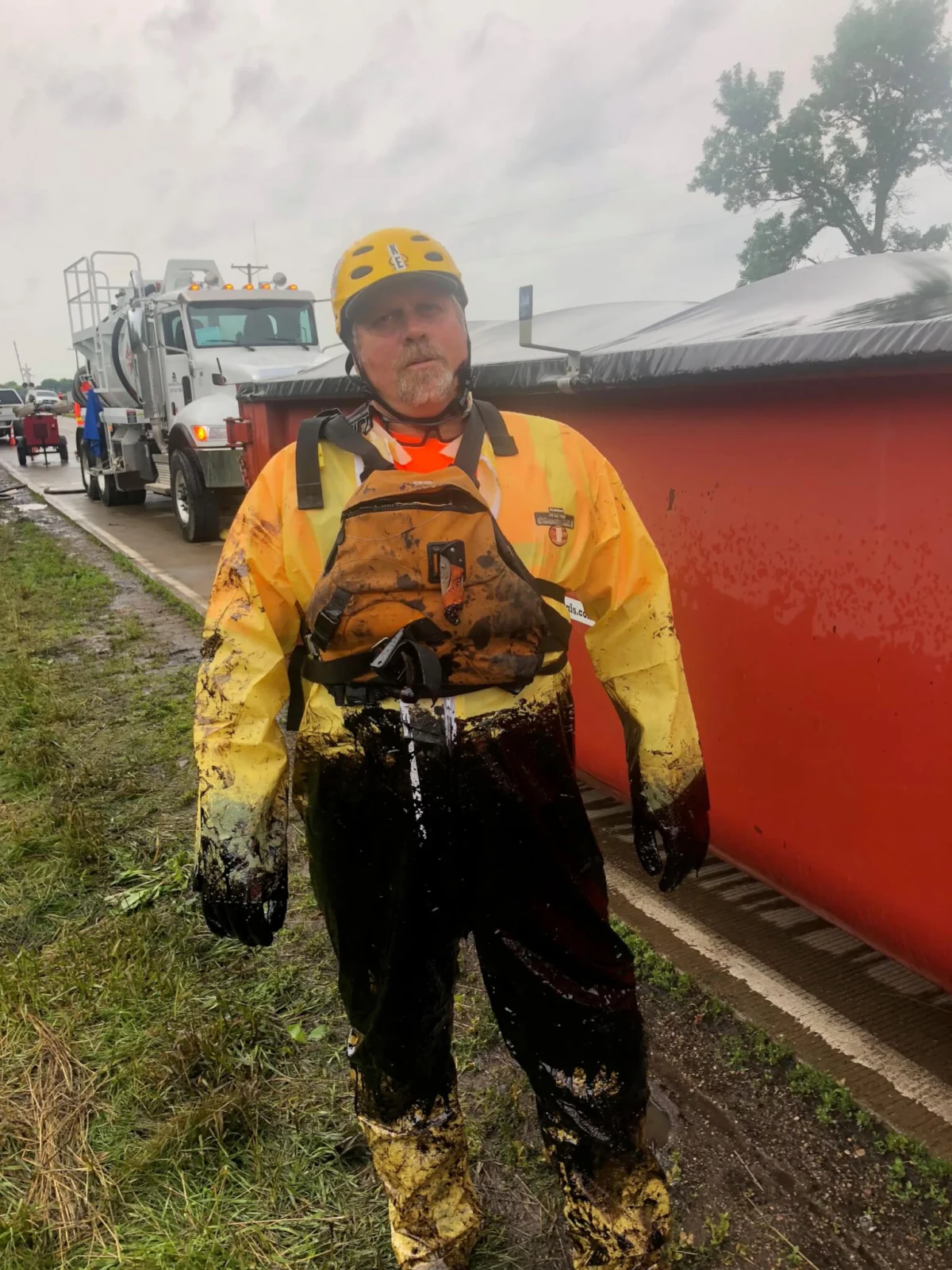
These are not just theoretical questions; they are the bedrock of NFPA 1006 and 2500 standards. Whether working in a spill response capacity or executing a technical rope rescue, the failure to identify the lunch spot as a hazard—just as we failed to do at Wasson’s Slide—is a common failure point that results in preventable injuries.
Implications for Professionals and Recreationalists
The lessons learned in the Peruvian Andes translate directly to the Clark Fork River in Montana, where WRI conducts its training.
1. The Ego Trap
The most dangerous piece of gear is the one inside the boater’s head. At Samosera Rapid, I had to pause and ask myself: Am I running this because I am ready, or because I am afraid of the social stigma of walking? Identifying this internal bias is the difference between a successful descent and an emergency extraction.
2. Skills Decay
Technical skills are perishable. The most dangerous person on the water is not the beginner; it is the person who took a class a decade ago and believes they are still "current." Swiftwater and rope rescue require constant repetition. When you are 8,000 feet deep in a canyon, you do not rise to the occasion; you fall back on your highest level of sustained training.
3. The River is Not the Enemy
There is a dangerous mythology in extreme sports that portrays the river as an adversary to be conquered. This adversarial mindset leads to recklessness. The professionals I work with at WRI understand that we are guests in a dynamic environment. We don’t "dominate" the river; we observe, adapt, and work within its parameters.

Conclusion: A Call to Continued Training
Returning from the Marañón, I am struck by the clarity that distance provides. The technical skills we teach—fastwater spill response, ice rescue, and rope systems—are not just for the canyon walls of Peru. They are for the local river, the industrial spill site, and the search-and-rescue mission at home.
The stakes change, but the requirements for success remain the same: humility, rigorous scene assessment, and the acknowledgement that decision-making is a fragile commodity under pressure.
If you or your team have not engaged in a rescue certification or refresher course in the last year, you are operating with an outdated set of assumptions. The Whitewater Rescue Institute remains committed to these standards, providing training that meets USCG, HAZWOPER, and NFPA requirements.
Do not wait for a near-miss to remind you of your training gaps. The river is always moving, and the best way to ensure you are ready for it is to keep showing up, keep practicing, and keep the ego in check.
I will see you out there.

For those interested in professional-grade instruction, WRI offers a comprehensive schedule of swiftwater, rope, and boat operations training on the Clark Fork River. Review the current course offerings at www.whitewaterrescue.com.