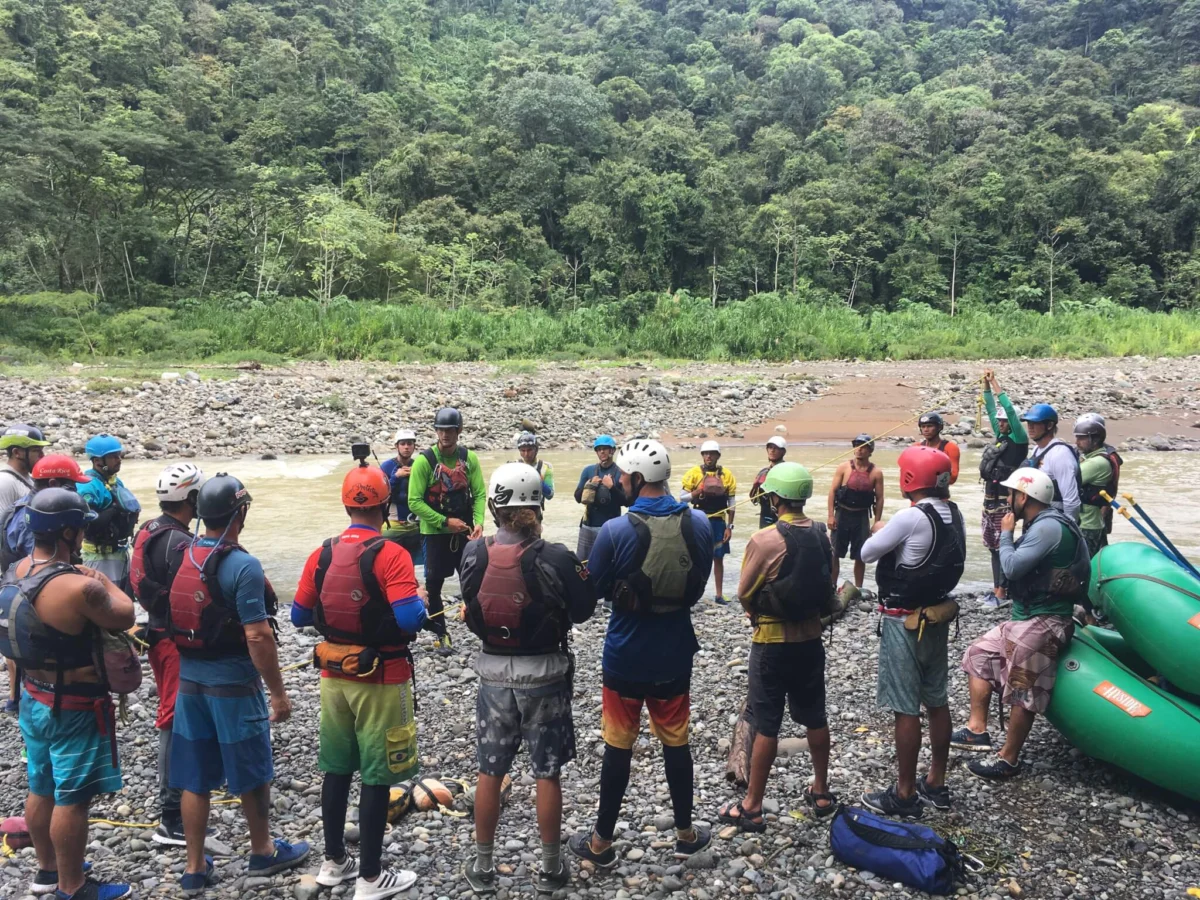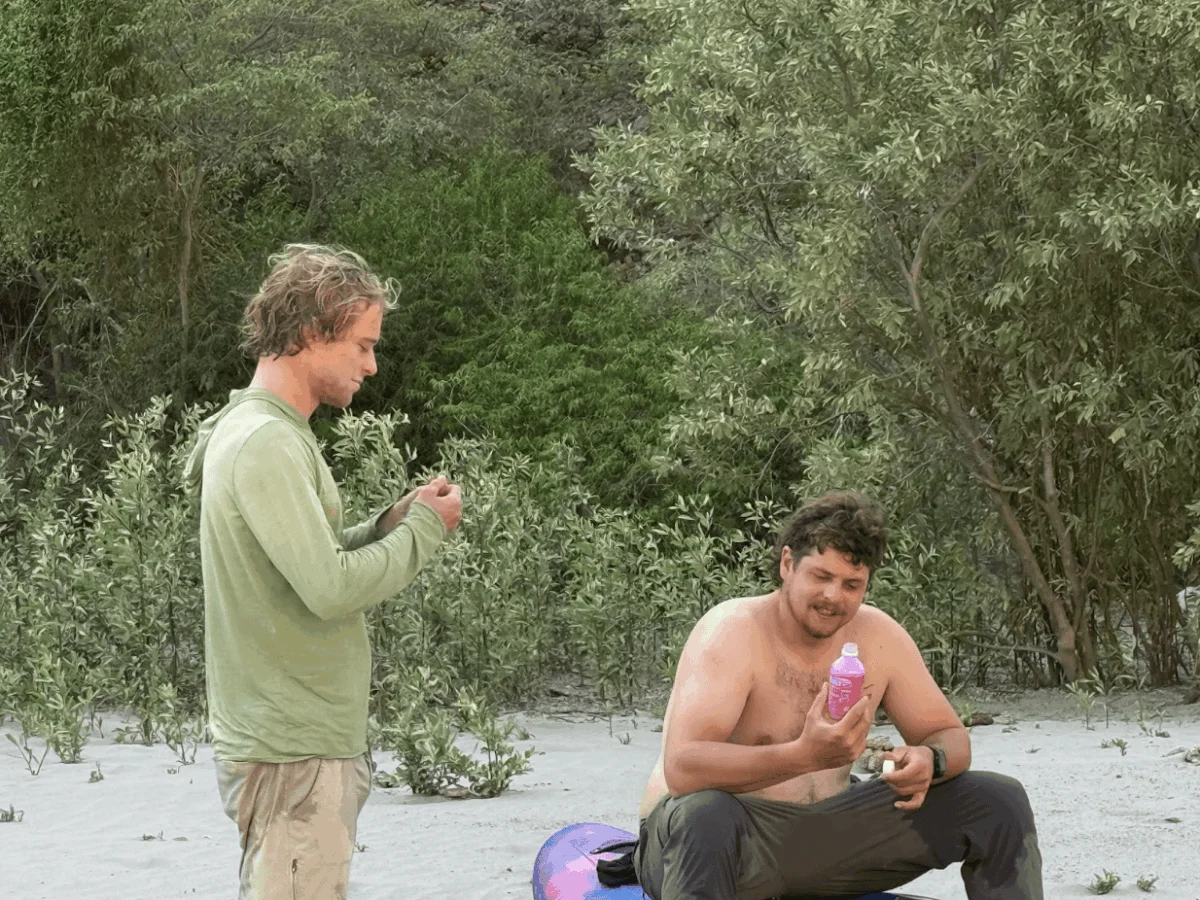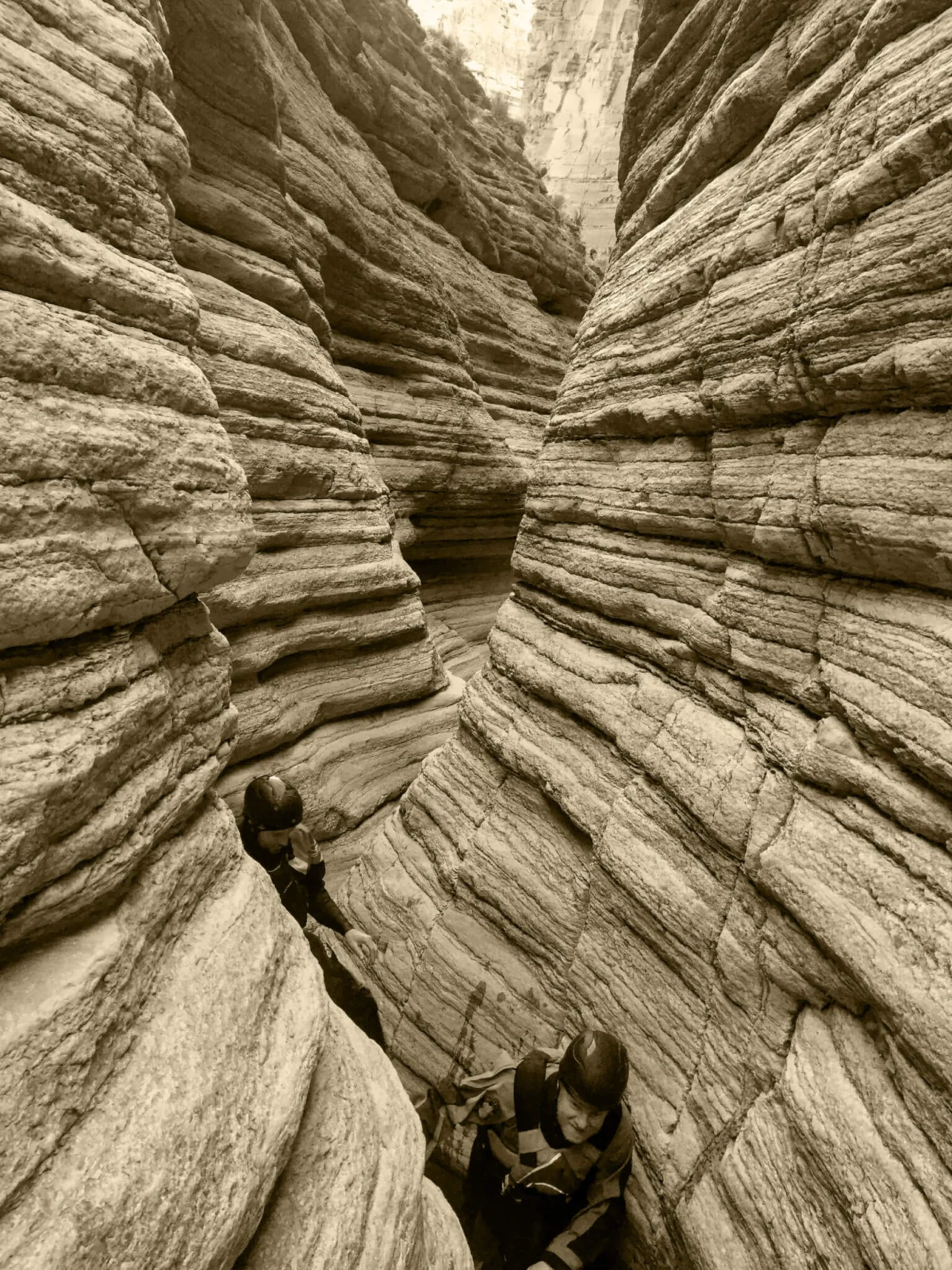
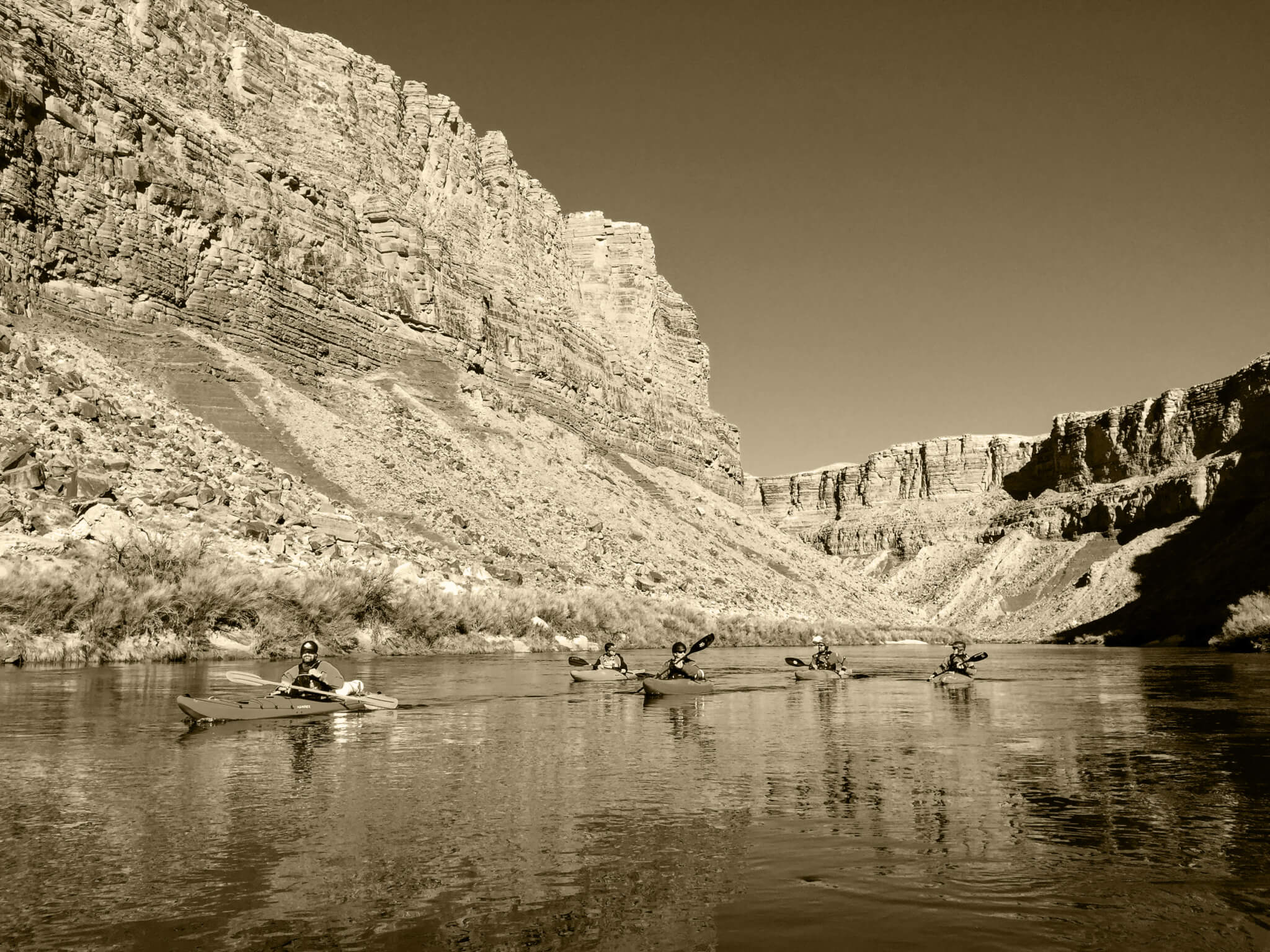
On January 26, a group of four seasoned instructors from Whitewater Rescue Institute (WRI)—Paul Heffernan, Matt O’Reilly, Frank Preston, and Cody Harris—embarked on a formidable challenge: a 10-day, self-supported kayak expedition through the heart of the Grand Canyon. What began as a logistical feat of endurance evolved into a profound narrative of human spirit, mentorship, and the raw, unyielding power of the Colorado River.
Following the expedition, a series of handwritten letters and candid photographs were recovered from the depths of a drybag. These documents, penned by a member of the 10-person crew who chose to remain anonymous, provide a rare, intimate look at the realities of self-supported river travel. From the technical nuances of packing a boat to the psychological weight of the canyon’s history, these accounts serve as a masterclass for any paddler looking to test their mettle against the "Big Ditch."
The Genesis of the Expedition: Logistics and Preparation
The expedition commenced at Lees Ferry, Arizona. The logistics of a self-supported trip—where every calorie, repair tool, and piece of shelter must be carried within the kayak—are notoriously difficult. With ten paddlers utilizing a variety of craft, the primary challenge was weight distribution.
"In total, we have 10 paddlers in our group, and many different types of boats," the author noted in their first dispatch. The group opted for a rigorous self-contained model: each paddler was responsible for their own kitchen, stove, and food planning. This decision, while increasing the weight of individual loads, ensured that the group remained self-reliant.

The weight of the vessels, estimated between 175 to 200 pounds, turned the initial launch into a test of patience. "They responded about as well as a hungry burro in sight of a barn," the author remarked, describing the difficulty of maneuvering fully loaded kayaks. However, after ten minutes of acclimation, the team found their rhythm, covering 21 miles on the first day alone.
Chronology of the Descent
Days 1–3: The Roaring Twenties and Inner Gorge Preparation
The first few days were defined by the “Roaring 20s”—a section of the river famous for its sustained whitewater. While the rapids provided excitement, the trip was equally defined by the group’s integration with the landscape. The team visited geological landmarks such as Shinumo Wash (Silver Grotto) and the awe-inspiring Red Wall Cavern. By Day 3, as they passed the confluence of the Little Colorado and navigated Furnace Flats, the sheer scale of the canyon began to exert a psychological effect on the crew. The author reflected on the transition from the relatively open upper canyon to the encroaching shadows of the inner gorge, noting that the hike to the cliffs above Unkar Rapid offered a perspective that few travelers ever witness.

Days 4–6: The Crucible of the Inner Gorge
By Day 4, the character of the river shifted dramatically as the schist and granite walls tightened around the current. This stretch included some of the canyon’s most legendary whitewater: Hance, Sockdolager, Horn Creek, Granite, Hermit, and Crystal.
The author’s letters emphasize the importance of leadership during these high-stakes segments. "On many occasions, like Horn Creek for example, I skirt the meat of the rapid while [the leader] charges through the largest waves undeterred," they wrote. This mentorship was the glue holding the group together as they transitioned into the heart of the Grand Canyon. By Day 6, the group had reached Olo Creek, having navigated through the stunning Conquistador Aisle, where the rapids are described as "too grand to describe."

Days 7–10: Endurance and the Legacy of Powell
The final stages of the trip were a lesson in attrition and historical reflection. As the group pushed toward 34 miles a day, they tackled the formidable Lava Falls. By Day 8, the physical fatigue began to set in, with the author admitting to moments of doubt and exhaustion. However, the final days provided a philosophical resolution.
Standing at Separation Canyon—the site where three members of the John Wesley Powell expedition famously chose to hike out rather than face the unknown dangers of the river—the author found clarity. The realization that the rapids they feared have since been "drowned" by the rising waters of Lake Mead offered a haunting comparison between the dangers of the 1869 expedition and the modern, albeit still risky, reality of kayaking the Colorado. The trip concluded at Pearce Ferry, marking a successful exit from the canyon walls into the open plains.

Technical Insights for the Modern Paddler
For those considering a self-supported trip of this magnitude, the recovered letters provide invaluable "pro-tips":
- Food Strategy: The author observed a stark divide in camping philosophy. While some preferred the lightweight efficiency of freeze-dried meals, others opted for vacuum-sealed pre-made meals or fresh vegetables. The key takeaway was not the specific menu, but the impact of food choices on waste management—a critical factor when carrying out all human waste via a "groover."
- Sleeping Systems: The reliability of gear is paramount. Several team members struggled with inflatable sleeping pads that developed leaks, forcing them to sleep on spare clothing. The lesson: always bring a repair kit for inflatables or carry a secondary, fail-safe sleeping mat.
- Water Management: Utilizing springs and tributaries for drinking water proved more efficient than the constant labor of settling silt from the main river water. The group averaged a 4-liter carrying capacity, allowing them to remain mobile and independent.
The Human Element: Leadership and Mentorship
A recurring theme in the letters is the role of the WRI instructors. In a high-risk environment, the presence of a calm, authoritative leader is not merely beneficial; it is essential. The author repeatedly credits their leader’s "dominance" and "daily coaching" for keeping the group focused.

"Had it not been for the mentorship and daily coaching from our leader, I too would have climbed out of this canyon," the author admitted. This highlights that while individual physical fitness is a prerequisite, the social dynamics and the ability of the team to trust in the group’s leadership are what ultimately ensure success in remote wilderness environments.
Implications: The Canyon as a Living Teacher
The concluding reflections of the anonymous author speak to the broader implications of the journey. As the Colorado River continues to navigate the impacts of climate change and human infrastructure, such as the Hoover Dam and the fluctuating levels of Lake Mead, the river itself remains a "living" entity.

"The river now cuts through the silt deposits, reclaiming its purpose and carries its load further south," the author wrote. "It will always carry-on, we and our concrete dreams are merely a temporary distraction."
This expedition was not merely a physical traverse of 280 miles; it was an engagement with the history of the American West and an examination of man’s place within the landscape. The WRI instructors and their team emerged from the canyon with more than just photos and a finished trip—they brought back a refined understanding of resilience. For the paddling community, their journey remains a benchmark of what is possible when preparation meets the profound, humbling reality of the Grand Canyon.