Executive Summary: A Collaborative Mission for River Safety
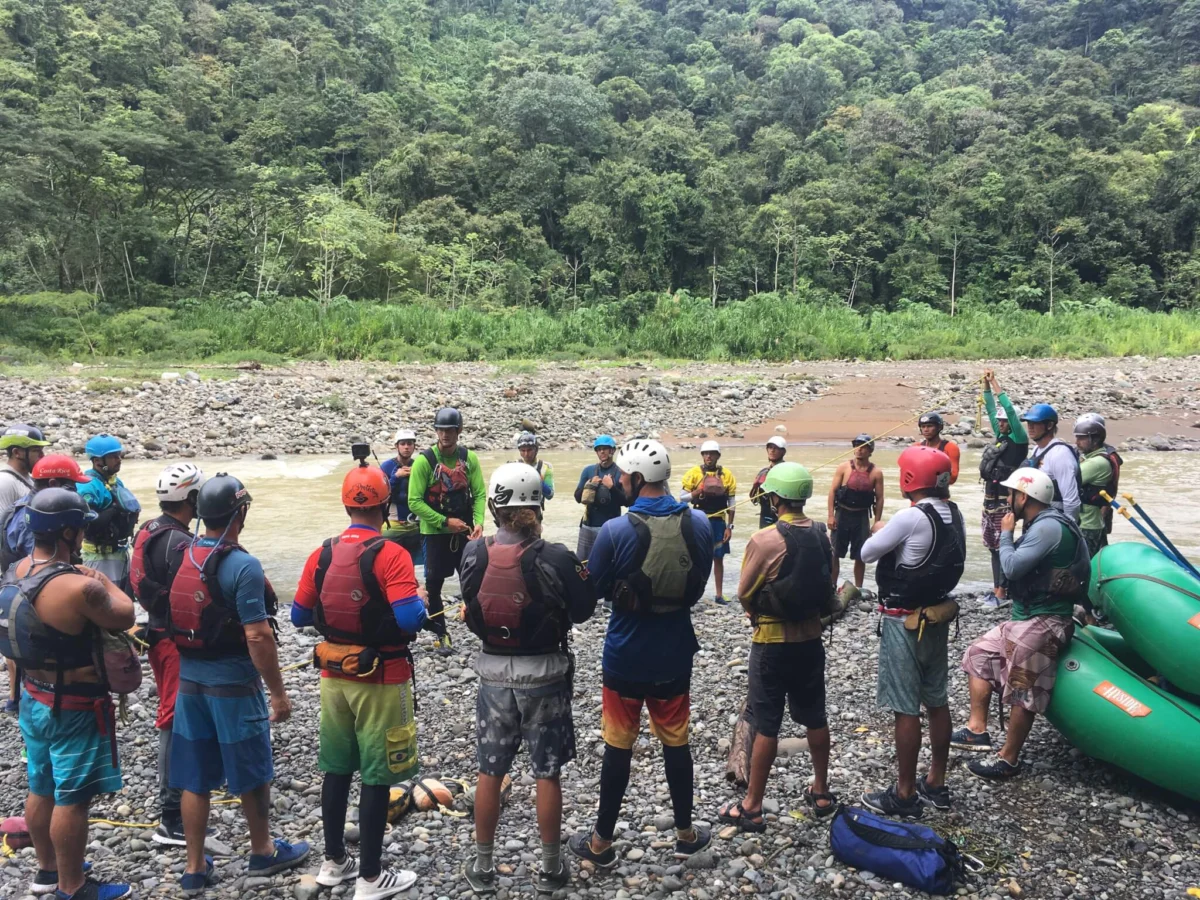
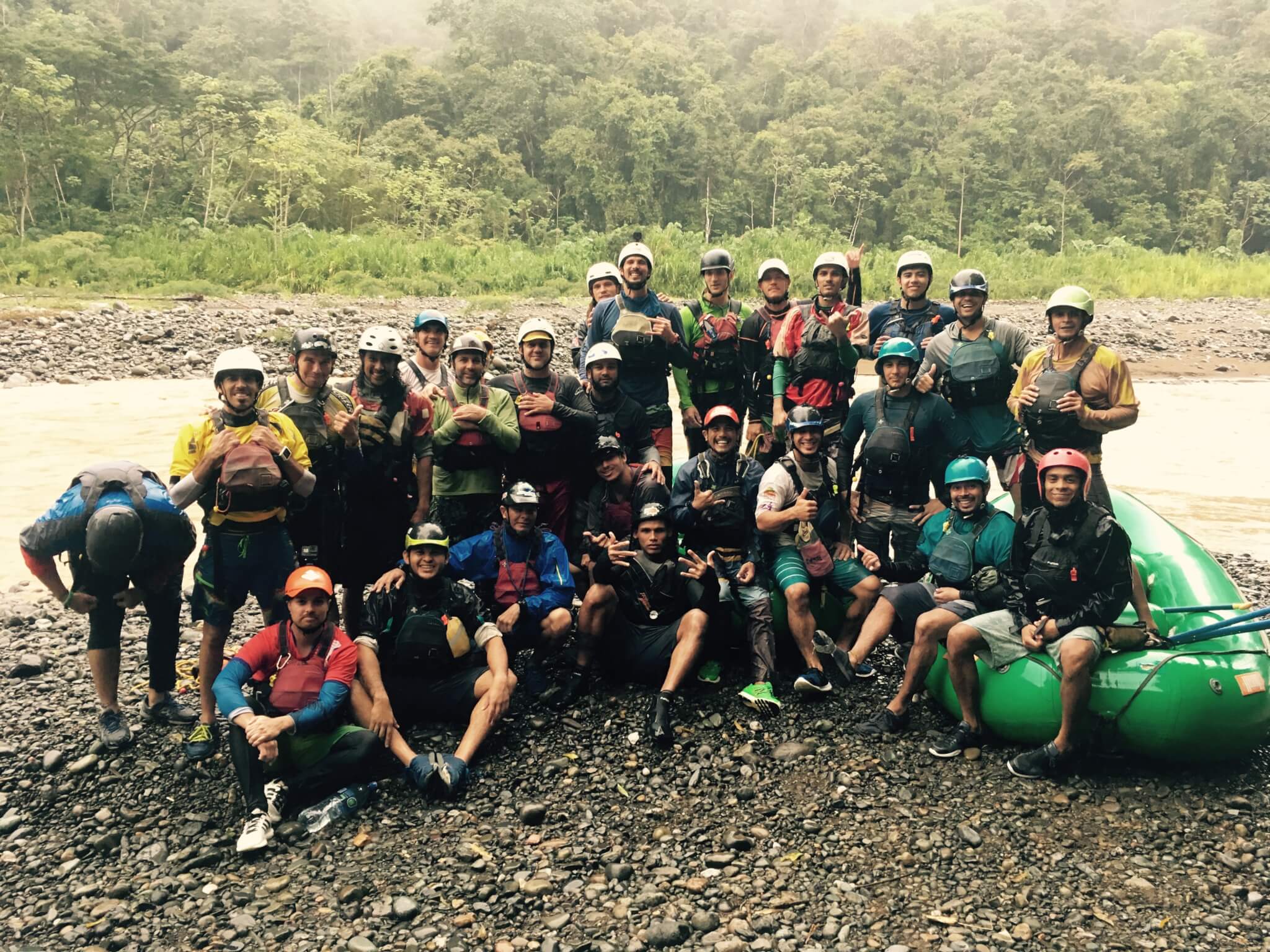
In an intensive five-day initiative, the Whitewater Rescue Institute (WRI) recently concluded a comprehensive swiftwater rescue training program in the heart of Costa Rica. Led by WRI instructor Paul Heffernan and his team, the course brought together 50 professional whitewater rafting guides for a rigorous curriculum designed to bridge the gap between technical theory and real-world emergency application.
Against the backdrop of the Rio Sevegre, one of the region’s most pristine and challenging waterways, the training focused on the critical pillars of river safety: risk management, hydrology, equipment proficiency, and incident command. The program was not merely a series of workshops; it was a deep dive into the logistical and communicative realities faced by local guides who operate in remote, often high-risk environments. By integrating advanced rescue techniques with the inherent challenges of the Costa Rican wilderness, the training aimed to cultivate a higher standard of safety for the thriving local rafting industry.
Chronology: From Classroom Theory to River Reality
Days 1-2: Establishing the Foundation
The training began in Quepos, where instructors and guides engaged in deep-dive discussions regarding the core principles of river safety. The initial phase focused on "scene size-up"—a fundamental skill for any emergency responder. This included an analysis of river hydrology, the physics of hydraulics, and the standardized language of rescue, including hand and whistle signals designed to function in the high-noise, high-stress environments of a river rapid.
A significant portion of the early curriculum was dedicated to risk management protocols. Recognizing that professional guides operate in environments where cell service is non-existent and emergency medical response is often hours away, the group analyzed the “5-Phase” approach to river rescue: Locate, Access, Stabilize, and Transport. By standardizing these procedures, the training ensured that every participant, regardless of their company affiliation, operated under a unified tactical framework.
Days 3-5: The Rio Sevegre Scenarios
Moving from the classroom to the Rio Sevegre, the training transitioned into practical application. Participants were subjected to a series of progressively difficult scenarios. These drills went beyond simple knot-tying or throw-bag practice; they were designed to test the participants’ capacity for decision-making under pressure.
Guides practiced "aggressive" and "defensive" swimming, shallow water crossings, and the complex mechanics of mechanical advantage (Z-drags) for pin-rescue operations. By rotating roles—switching between victim, rescuer, and incident commander—the guides developed a holistic understanding of how a rescue unfolds. The final days were defined by high-fidelity simulations that included multiple "victims" with simulated injuries, forcing teams to balance technical rope work with patient care and evacuation logistics.

Technical Proficiency and Supporting Data
The Hierarchy of Risk
Central to the training was the concept of the “Progression of Risk,” often summarized by the mnemonic: Hello, Reach, Throw, Row, Tow, Go. Instructors emphasized that the “Go” (direct contact) rescue is the final, most dangerous option. By reinforcing this hierarchy, the WRI team aimed to shift the mindset of the guides toward preventative management and lower-risk rescue alternatives.
The Challenge of Communication
The logistical data gathered during the sessions highlighted a critical industry pain point: communication breakdown. In remote river canyons, standard emergency protocols often fail. The training introduced the Incident Command System (ICS) as a mandatory tool for any group operation. By designating a clear "Team Leader" at the start of every incident, groups were able to significantly reduce confusion during the chaos of a simulated capsize or medical emergency.
Emergency Pre-Planning: A Proactive Standard
A recurring theme was the "pre-trip briefing." Experts stressed that safety begins long before a boat hits the water. A robust pre-trip plan includes:

- Conditions Review: Monitoring water flows and weather patterns.
- Customer Profiling: Identifying age, size, and medical considerations of guests.
- Strategic Positioning: Identifying lead and sweep boats to ensure maximum coverage.
- Medical Readiness: Confirming the location and contents of first aid kits and establishing a pre-determined evacuation route for every sector of the river.
Expert Perspectives: The Human Element of Rescue
The Professionalism of the Costa Rican Guide
Paul Heffernan noted that the caliber of the Costa Rican workforce is world-class. "These guides are on the water almost year-round," Heffernan observed. "Their intimate knowledge of these specific river systems is an asset that we, as instructors, were able to leverage."
The collaboration was mutual. While the WRI instructors brought international standards and updated rescue methodologies, the local guides brought a practical, "in-the-trenches" perspective that helped tailor the training to the specific environmental realities of Central America. Many of the participants held Wilderness First Responder (WFR) or EMT certifications, leading to sophisticated discussions on the intersection of trauma care and technical water rescue.
A Culture of "Pura Vida" and Safety
The success of the program relied heavily on the support of local stakeholders, including the Rafiki Safari Lodge and the professional guiding crews from Amigos del Rio, Pro Rafting, Unique Tours, and H2O Adventures. The spirit of Pura Vida—the Costa Rican philosophy of living life to the fullest—was applied to the safety training. It was understood that by becoming better at managing the "worst-case scenario," these professionals were actually enabling a more enjoyable and sustainable experience for their guests.

Implications: Building a Resilient Future
The Shift Toward Proactive Risk Management
The most significant outcome of this training is the shift from a reactive to a proactive safety culture. By training for the worst-case scenario, the guides have developed a heightened level of situational awareness. This, in turn, helps prevent accidents before they occur. A guide who has practiced a complex mechanical rescue is less likely to put their boat in a position where such a rescue is necessary.
Long-term Industry Impact
The ripple effect of this training is expected to be substantial. As these 50 guides return to their respective companies, they carry with them a standardized set of protocols that will likely influence future hiring and training practices within the region. The emphasis on team organization and communication acts as a force multiplier, improving not just the safety of individual rafts, but the overall resilience of the regional tourism industry.
Final Reflections
As the program concluded, the sentiment among both instructors and participants was one of shared purpose. The Rio Sevegre, while beautiful, remains a powerful force of nature. Through the rigorous application of the skills learned—from knot-tying and anchors to leadership and medical triage—the guides of Costa Rica have reaffirmed their commitment to the safety of those they guide.

The Whitewater Rescue Institute’s mission in Costa Rica serves as a blueprint for international cooperation in outdoor adventure. By sharing knowledge, challenging assumptions, and practicing the uncomfortable scenarios that most would rather avoid, these professionals are ensuring that the spirit of adventure in Costa Rica remains both vibrant and safe for years to come.
For those interested in future training initiatives or to learn more about the standards discussed in this program, resources are available through the Whitewater Rescue Institute.