As August 2026 approaches, the global astronomical community is preparing for what promises to be the most significant celestial convergence of the decade. The annual Perseid meteor shower, long celebrated as the crown jewel of summer stargazing, is set to reach its crescendo on the night of August 12 into the early hours of August 13. This year’s display is elevated from a standard annual event to a once-in-a-generation phenomenon, as it coincides with a rare total solar eclipse crossing the northern latitudes of Greenland, Iceland, and Spain.
With the peak activity occurring during the New Moon phase, observers across the globe will be treated to a pristine, ink-black canvas, free from the washing effects of lunar light. Whether you are a casual observer or a seasoned astrophotographer, the conditions for this year’s Perseids are, by all accounts, near perfect.

Main Facts: The Anatomy of the Perseids
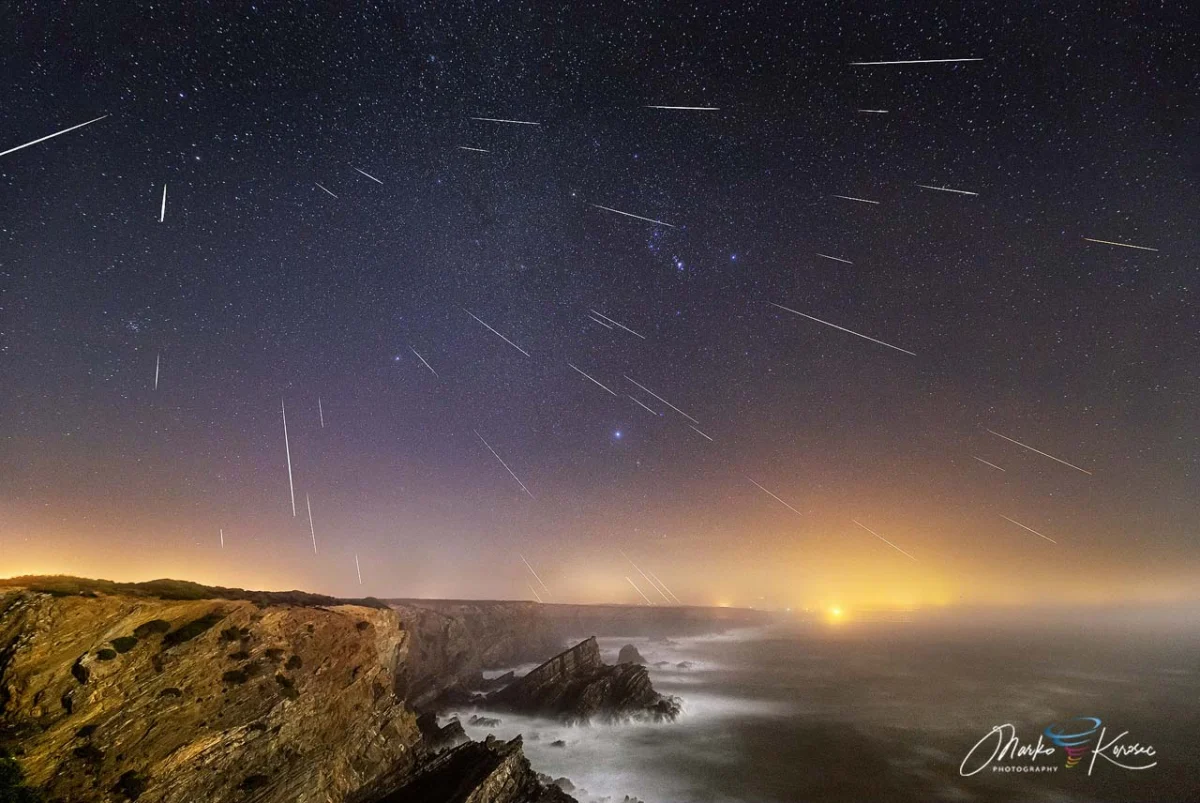
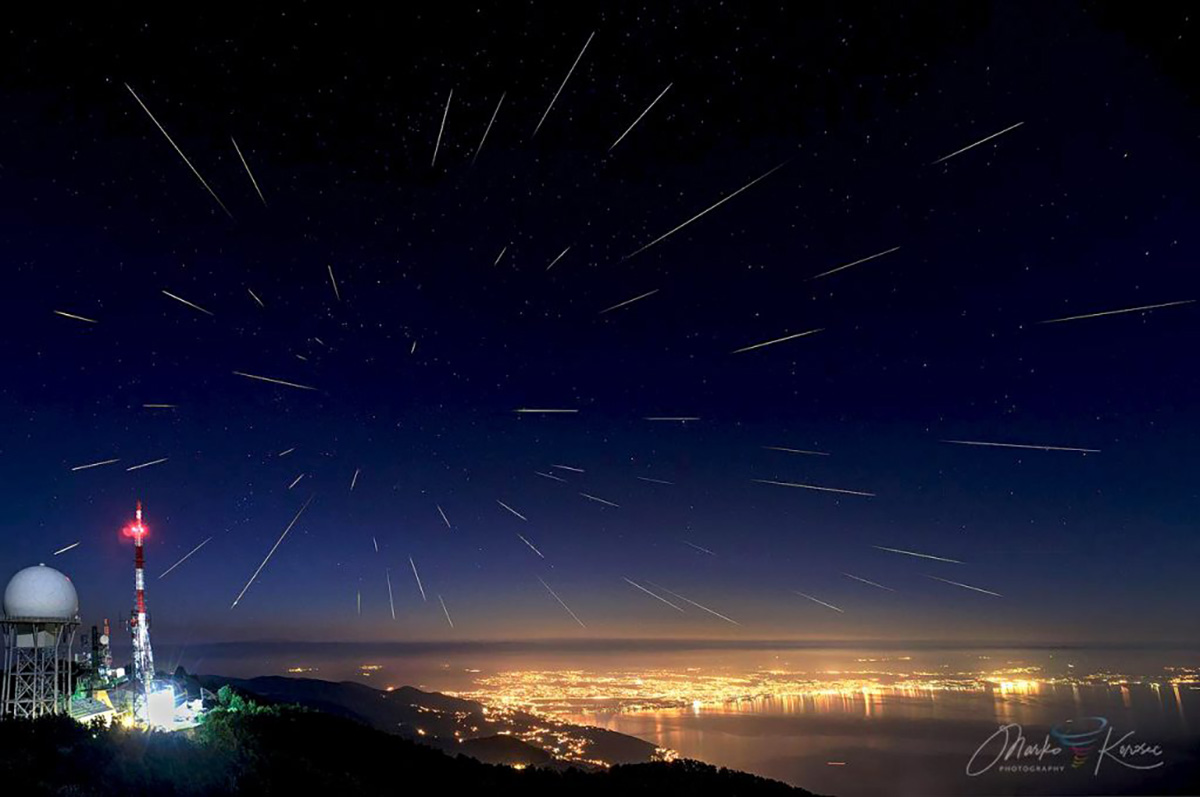
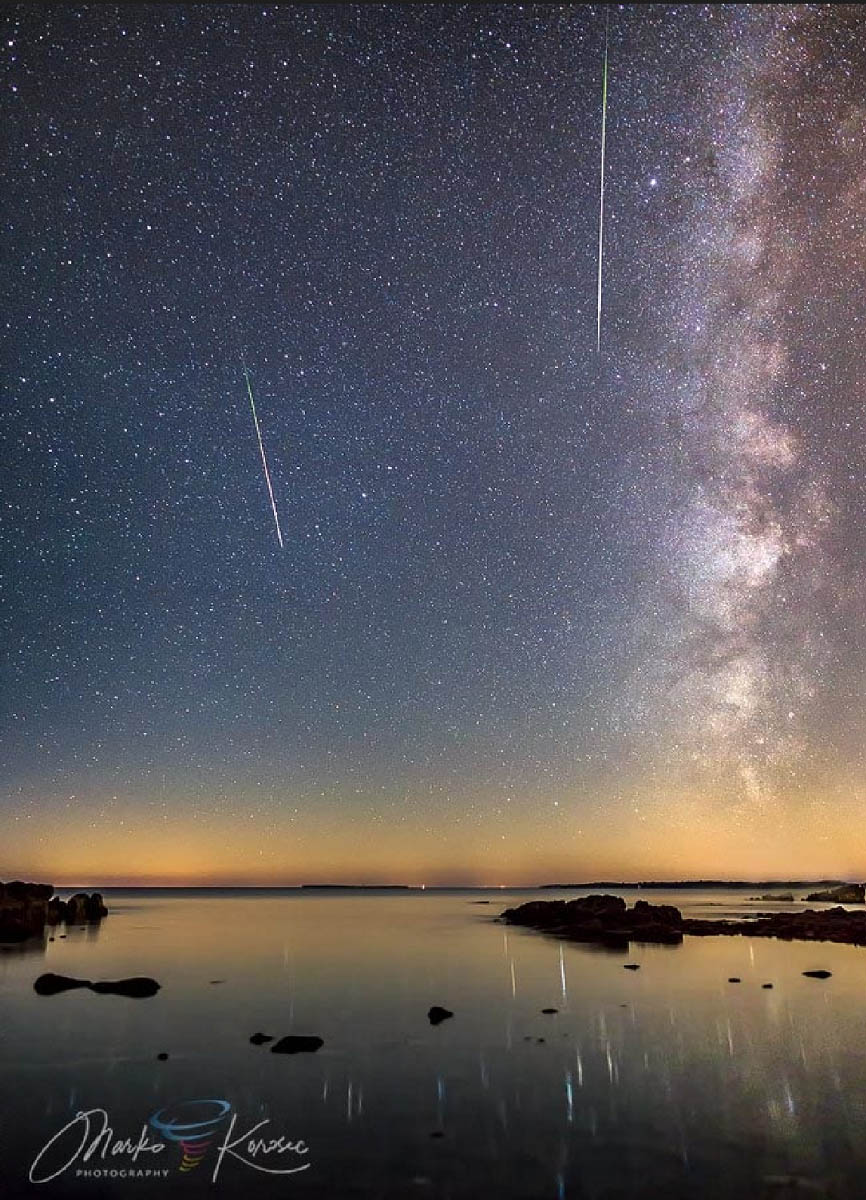
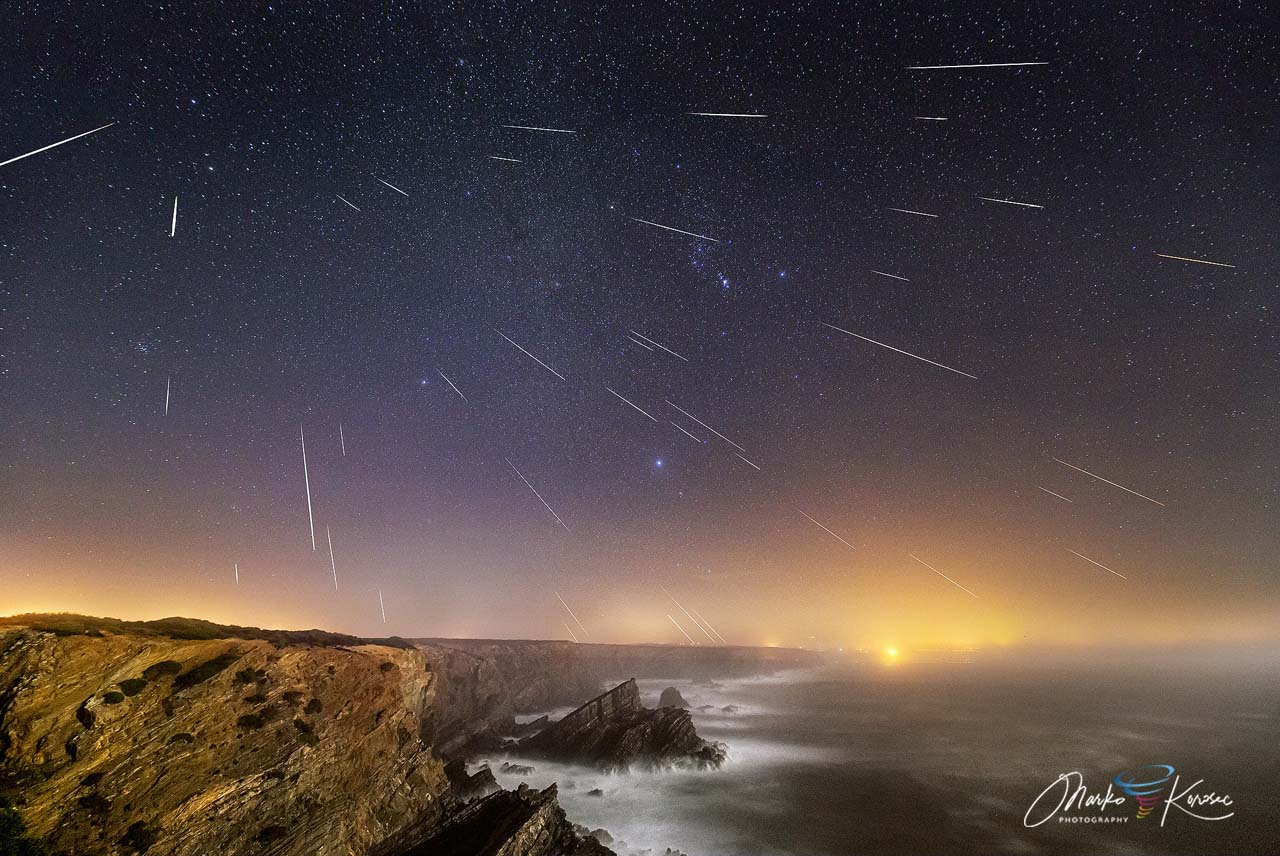
The Perseids are not merely "shooting stars" in the poetic sense; they are the debris of 109P/Swift-Tuttle, a periodic comet that orbits the sun every 133 years. As Earth passes through the orbital path of this comet, it encounters a vast trail of dust and ice particles. When these remnants, often no larger than a grain of sand, collide with our atmosphere at the staggering speed of approximately 59 kilometers per second, they vaporize, creating the brilliant streaks of light we recognize as meteors.
Defining the Zenithal Hourly Rate (ZHR)
The strength of a meteor shower is measured by its Zenithal Hourly Rate (ZHR). The ZHR represents the number of meteors a single observer would witness in one hour under a perfectly dark sky with the radiant (the point from which the meteors appear to originate) directly overhead. For the 2026 Perseids, projections suggest a ZHR of 90 to 120 meteors per hour. While the number of meteors one actually sees is often lower due to the position of the radiant relative to the horizon, the lack of moonlight this year guarantees that even the fainter, more numerous streaks will be visible to the naked eye.
Chronology of the 2026 Peak
The Perseids are a long-duration event, generally active from mid-July through late August. However, the intensity ramps up significantly as we approach mid-August.
- August 11–12: The "pre-peak" nights. As the Earth moves deeper into the comet’s debris field, the frequency of meteor activity begins to climb steadily.
- August 12 (Dusk): The radiant point, located in the constellation Perseus, rises in the northeastern sky. As the night progresses, the radiant climbs higher, increasing the probability of seeing more meteors.
- August 13, 02:00 UTC: This is the calculated window for the main peak. For observers in Europe, this timing is optimal, occurring in the middle of the night. For North American observers, the peak occurs roughly six hours before local midnight, meaning the best viewing will be in the hours leading up to dawn.
- August 13 (Dawn): The final hours of darkness offer the best opportunity to observe the shower as the radiant point reaches its zenith, maximizing the "shower" effect.
The 2026 Double Feature: An Astronomical Alignment
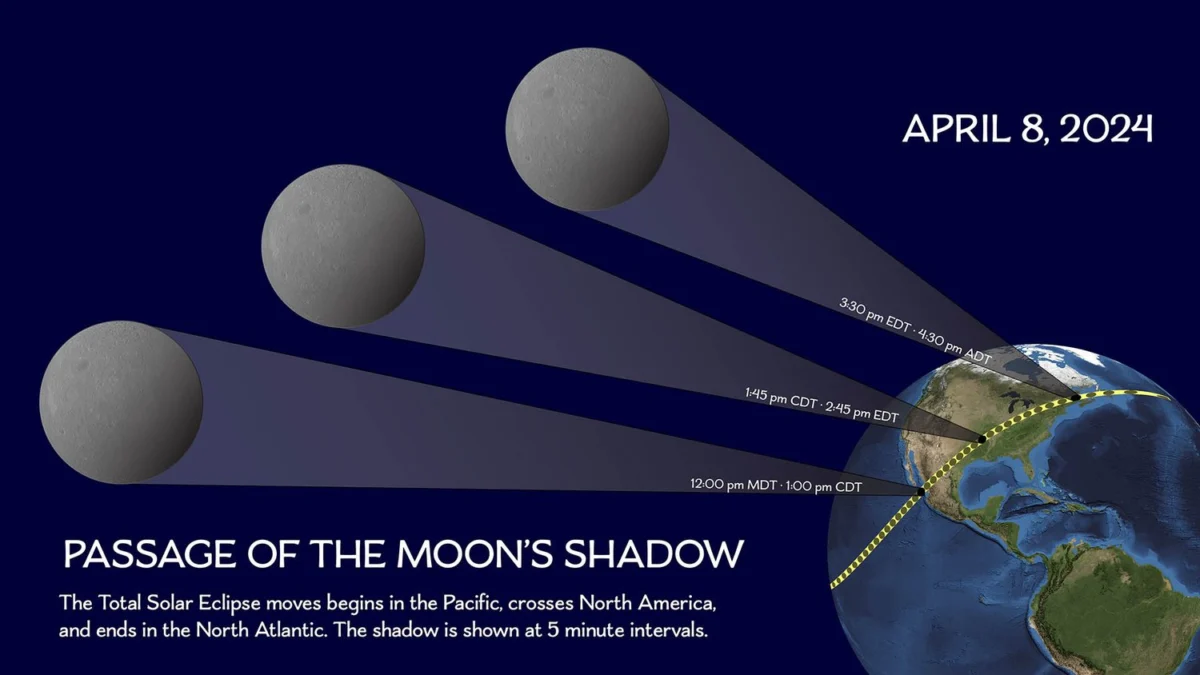
The true narrative of August 2026 is the convergence of two distinct celestial events. On August 12, a total solar eclipse will sweep across the North Atlantic, making landfall in Greenland, Iceland, and northern Spain.
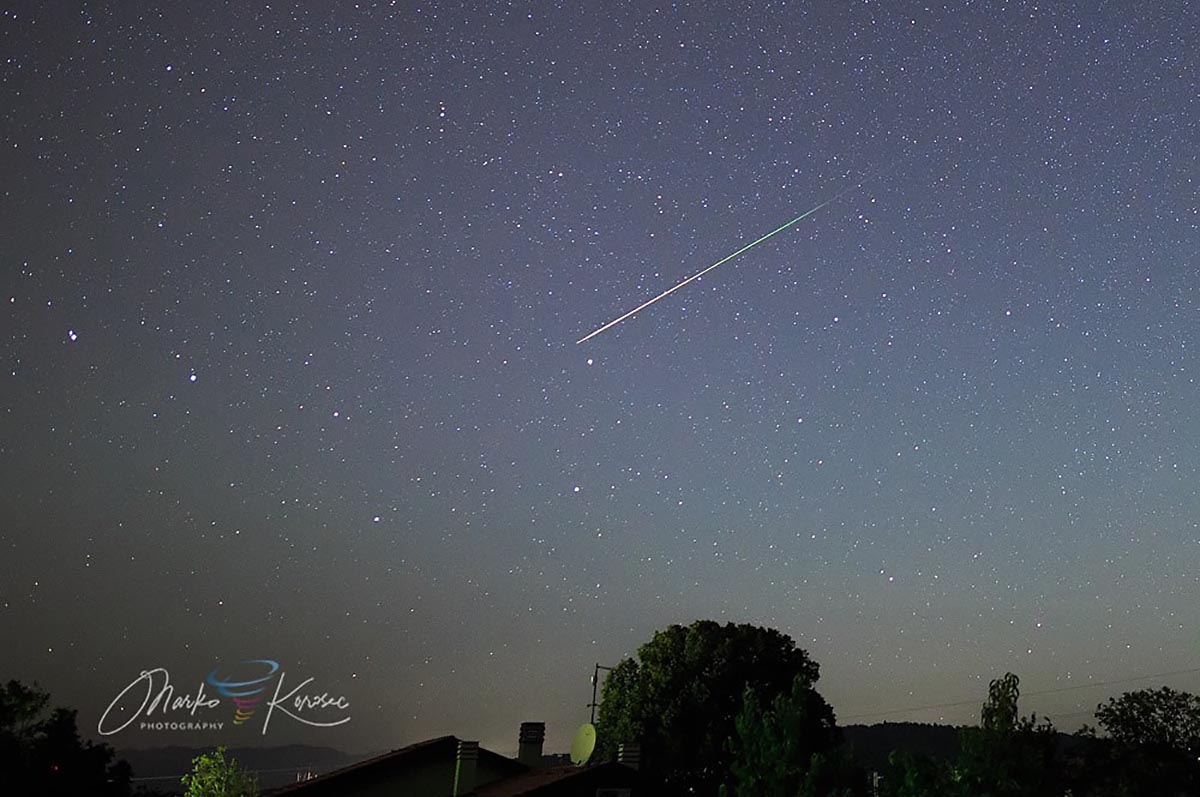
While the eclipse is a daytime event and the meteor shower is a nocturnal one, the psychological and scientific significance of having both events occur within 24 hours is profound. For regions in Europe, the day will be marked by the awe-inspiring sight of the Moon obscuring the Sun, followed immediately by a night of intense meteor activity. This "double-header" represents an unparalleled opportunity for public engagement with astronomy and serves as a reminder of the dynamic, ever-changing nature of our solar system.
Supporting Data: Why This Year Is Different
The primary constraint on meteor observation is typically light pollution—both from human infrastructure and the Moon. In 2026, the arrival of the New Moon on the night of the peak is a stroke of fortune. The lack of lunar illumination ensures that the "background" of the night sky remains at its maximum potential darkness.
The Science of Fireballs
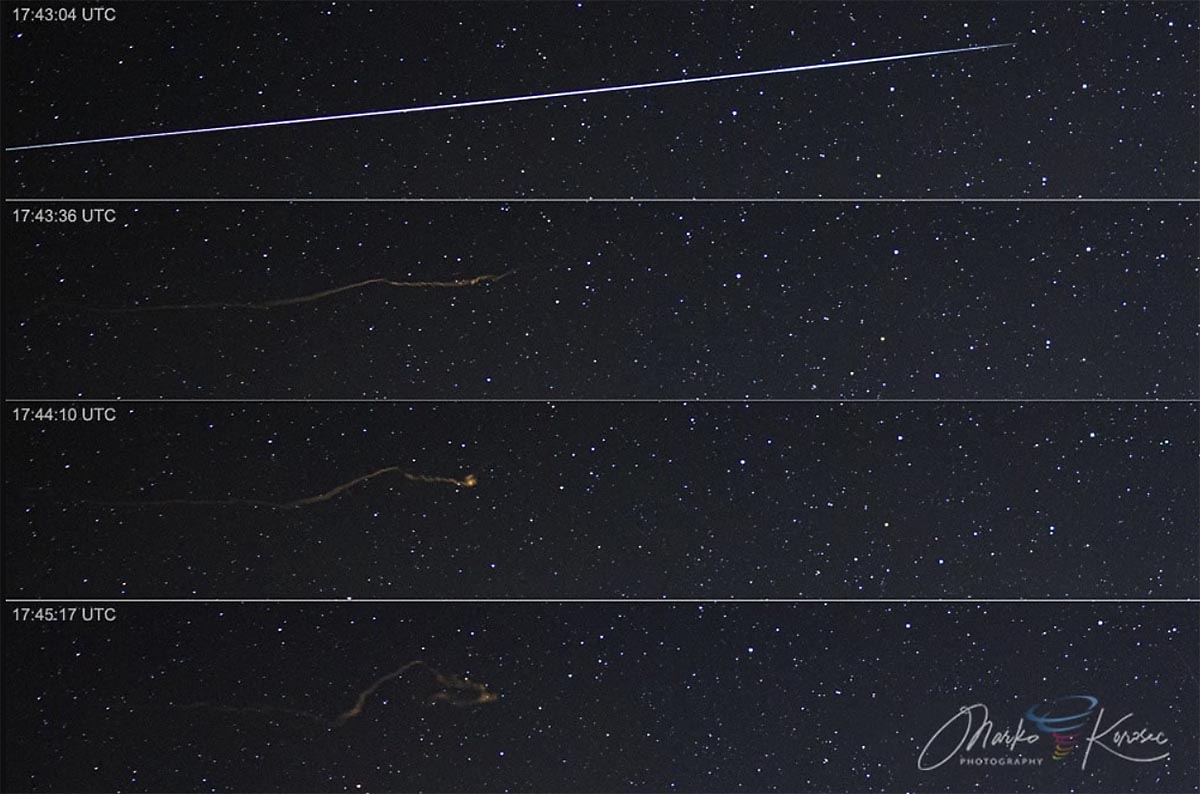
The Perseids are particularly renowned for their "fireballs." These are exceptionally bright meteors—often brighter than the planet Venus—caused by larger-than-average particles from the comet. When these larger fragments hit the atmosphere, they can produce long-lasting, glowing trails of ionized gas that persist for several seconds. These trails are frequently observed to twist and contort due to high-altitude atmospheric winds, providing a secondary layer of beauty to the primary flash of light.
Implications for Observers and Photographers
The absence of moonlight and the high expected ZHR mean that even suburban observers, who are usually hampered by light pollution, will have a better chance of success than in previous years. However, to truly appreciate the spectacle, one must follow standard protocols for optimal viewing.
Optimal Viewing Strategies
- Seek Darkness: The further you are from urban light pollution, the more "faint" meteors will become visible. Elevated locations, such as mountains or high plateaus, are preferred as they place the observer above a portion of the denser, light-scattering atmosphere.
- Patience is Key: Human eyes take roughly 20 to 30 minutes to fully dark-adapt. Avoiding the use of smartphones or flashlights is essential to maintaining this sensitivity.
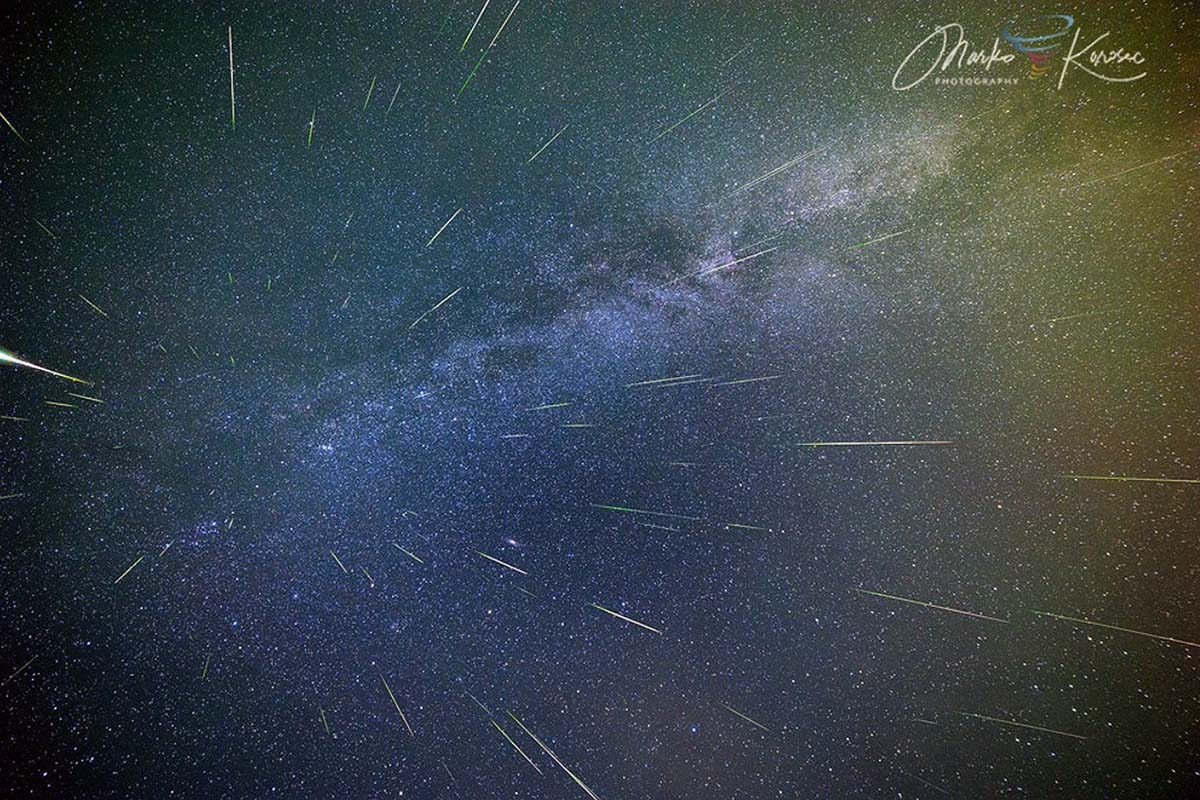
- Broad Field of View: The meteors can appear anywhere in the sky, not just in the direction of the constellation Perseus. The best strategy is to lie back on a recliner or blanket and look toward the zenith, allowing the entire dome of the sky to enter your field of vision.
Technical Guidance for Astrophotographers
Capturing a meteor on camera requires a blend of equipment and persistence. A DSLR or mirrorless camera with a wide-angle lens (f/2.8 or faster is ideal) is essential.
- Manual Settings: Use manual focus set to infinity, a wide aperture, and an ISO setting that balances sensitivity with noise control (typically between 1600 and 3200).
- Interval Shooting: The most effective method is to set the camera to take continuous, long-exposure shots (15–30 seconds each). Because meteors are unpredictable, the goal is to capture as many frames as possible to increase the probability of a "lucky" catch.
- Tripod Stability: Even minor vibrations can ruin a long exposure. A sturdy tripod is non-negotiable.
Official Perspectives and Safety
Meteor showers are harmless, as the particles vaporize long before they reach the ground. However, the "impulse" to travel to remote, high-altitude locations for optimal viewing carries its own risks. Local authorities in regions expecting high concentrations of stargazers—particularly in parts of Spain and Iceland experiencing the total solar eclipse—advise travelers to prepare for heavy traffic and potentially challenging terrain.
Astronomers encourage the public to view these events as a collective human experience. "The Perseids are a reminder of our place in the cosmos," notes one expert from a leading astronomical society. "When you watch a piece of a comet that has traveled for thousands of years burn up in our atmosphere, you are witnessing a direct link between our planet and the ancient history of the solar system."
Conclusion: A Night to Remember
The 2026 Perseid meteor shower is more than just an annual occurrence; it is a convergence of perfect timing and celestial beauty. With the New Moon clearing the stage and the high frequency of the Perseids providing the performance, the night of August 12 is set to be a highlight for observers worldwide.
Whether you are capturing images for posterity or simply leaning back in the cool August air to witness the spectacle, the event serves as an invitation to look upward. In an increasingly connected, digital world, the act of witnessing a meteor shower—an event that has been observed by humanity since antiquity—remains a grounding and deeply inspiring experience. Ensure your batteries are charged, your locations are scouted, and most importantly, that you have a clear, dark sky to welcome the show.