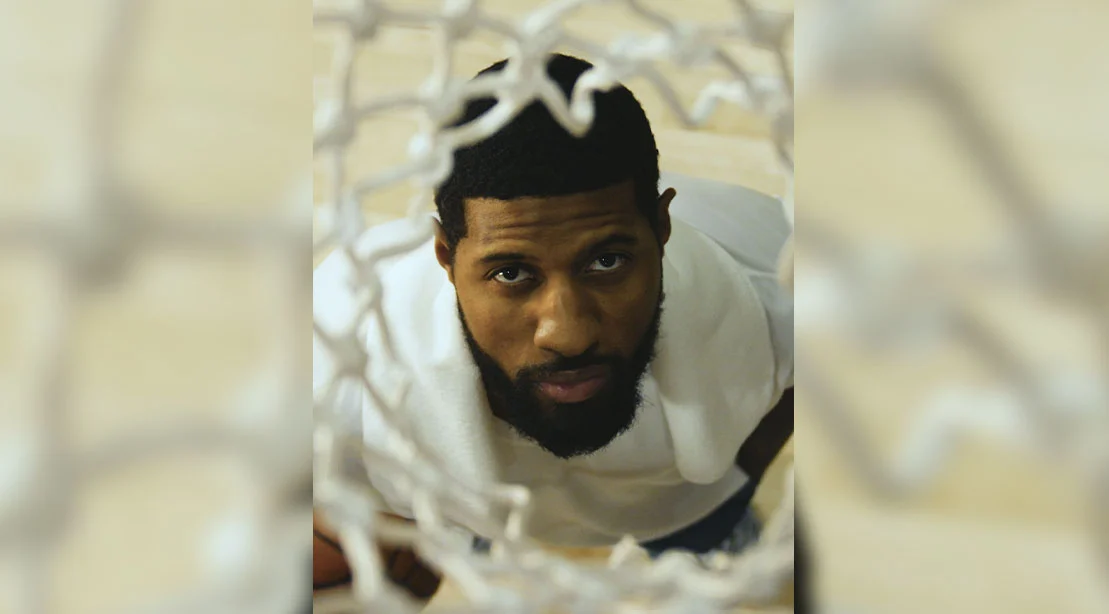
Entering his 17th season in the NBA, Paul George finds himself at a unique intersection of history and ambition. Now donning the iconic green and white of the Boston Celtics, George is no longer the explosive young prospect looking to prove his worth in the box score. Instead, he is a seasoned veteran—a master of his craft who understands that the most important ability is availability.
For George, the transition to Boston isn’t just a career move; it is a masterclass in professional evolution. Having logged over 30,000 regular-season minutes, navigated major surgical recoveries, and endured the grueling toll of the NBA grind, George has shifted his paradigm from "working harder" to "working smarter."
The Evolution of an Athlete: From Volume to Value
In the early stages of a professional basketball career, the formula for success often feels linear: more reps equal more improvement. For a young Paul George, the gym was a sanctuary of excess. The mentality was simple—push through nagging aches, prioritize volume, and trust that youthful recovery would reset the clock by the next morning.
"At 25, I probably would have judged the day by, ‘How much can I get done today?’" George reflects. "Now, I look at it as, ‘How do I stack good days together?’"
This shift in philosophy marks a departure from the "hustle culture" that dominates youth sports. George now recognizes that the cumulative effect of 82-game seasons requires a strategic approach to physical maintenance. He no longer views recovery as an extracurricular activity; it is, quite literally, the job itself.
A New Chapter in Boston: A Cultural Fit
The trade to the Boston Celtics this past summer surprised many, but for George, it represented the ultimate opportunity to compete for a title with a championship-caliber culture.
"When you think about Boston, you think about their track record, the fans, and the standard that comes with putting that jersey on," George says. "I’ve played against these guys enough to know what that culture looks like from the other side. Now, I get an opportunity to be part of it."
George is quick to note that he isn’t arriving in Boston to reinvent his game. His mandate is clear: defend with intensity, facilitate the offense, provide veteran leadership, and hit the big shots that define playoff basketball. He isn’t trying to be something he isn’t; he is looking to be the most efficient version of who he has always been.
The Data of Durability: Managing the 82-Game Grind
The urgency for this change is rooted in hard data. Over the past two seasons, George has missed a combined 86 regular-season games due to various injuries and recovery protocols. In the modern NBA, where "load management" has become a buzzword, George is taking a more nuanced approach. He isn’t looking to sit out; he is looking to build a body that can play.
This requires a holistic view of the 24-hour cycle. George’s training regimen now treats nutrition, sleep hygiene, and mobility work with the same gravity as his on-court shooting drills.
The Components of Longevity:
- Targeted Mobility: Moving away from heavy, repetitive loading to joint-specific maintenance.
- Strategic Recovery: Understanding that there are days when rest is a higher-value activity than weight-room intensity.
- Nutritional Discipline: Fueling the body to combat inflammation, not just for caloric energy.
- Sleep Optimization: Prioritizing deep-cycle sleep to maximize physical repair.
"I’ve learned that longevity comes from making smart decisions consistently, not trying to win every single day," George explains. "An hour of really focused work can be more valuable than spending three hours beating up your body."
Proactive Health and Surgical Advocacy
A significant portion of George’s current wisdom stems from his experiences with the medical system. Having navigated the peaks and valleys of surgical rehab, he has transformed from a passive patient into an active participant in his own medical care.
"It’s still your body," George emphasizes. "I’ve learned to ask more questions: What should I expect? What are my options? How are we going to manage my pain? What does the progression back look like?"
This advocacy extends to his partnership with Exparel, a non-opioid, long-acting local anesthetic used during certain surgical procedures. By discussing pain management strategies with his surgical team well in advance, George ensures that his recovery is as efficient as possible. While he is quick to note that such medical decisions are highly individual and must be made in consultation with doctors, the principle remains: being informed is a competitive advantage.
Implications for the Future: Mentoring the Next Generation
As an "OG" in the locker room, George finds himself in a position to influence the next wave of talent. He sees younger players repeating the same mistakes he made a decade ago—believing that their bodies are invincible and that the "small things" don’t matter.
"When you’re 25, you think you’re always going to feel 25," George says. "I would tell that version of myself to put the same discipline into sleep, mobility, nutrition, and listening to his body that he puts into making shots."
This message is critical for the modern athlete. As the game becomes faster and more physically demanding, the margin for error narrows. The players who can maintain their health into their mid-30s are those who treat their physical health as a capital investment rather than an infinite resource.
Conclusion: The Long View
As the season progresses, the eyes of the basketball world will be on Boston. For Paul George, the success of this season won’t just be measured by a championship ring—though that remains the ultimate goal—but by the consistency of his presence on the floor.
He is no longer playing for the highlight reel of a single night. He is playing for the longevity of a career that has already spanned nearly two decades. By integrating recovery, proactive medical communication, and a disciplined approach to the daily grind, George is demonstrating that the most impressive feat an athlete can perform is simply remaining at the top of their game, year after year.
In the end, the lesson from Paul George’s 17th season is profound: the "work" doesn’t stop when you leave the court. It follows you into the training room, the kitchen, and the bedroom. For those who want to play the long game, the secret is in the details—the small, unglamorous decisions that compound over 82 games to create a legacy of greatness.