In the high-stakes world of international sports, success is no longer a matter of chance, nor is it solely the result of sheer athletic talent. As global competition intensifies, Finland is pivoting its strategy, focusing on a sophisticated, knowledge-driven ecosystem centered around its two primary Olympic Training Centers (OVKs): Urhea in Helsinki and the Vuokatti-Ruka center. By fostering a culture of cross-disciplinary collaboration and integrating cutting-edge research directly into daily training, Finland is redefining how it prepares its athletes for the global stage.
The New Strategic Mandate: Excellence Through Collaboration
Finland’s approach to high-performance sport is undergoing a significant paradigm shift. Recognizing that the nation cannot compete on the global stage through population size or vast financial resources alone, leaders in the sports sector are doubling down on intellectual capital and strategic resource allocation.
The core of this strategy is the "sharp end" approach. Historically, sports funding in Finland was often spread thin across a wide base, aiming for inclusivity but occasionally sacrificing depth. Under the current strategic framework, resources are increasingly concentrated on athletes and disciplines with the highest potential for international success. This does not imply the abandonment of grassroots development; rather, it creates a pipeline where world-class expertise flows from the elite level down to developmental stages, ensuring that the entire system benefits from high-performance standards.
Chronology: A Season of International Exchange
The recent shift in focus was highlighted in January 2026, when the British national gymnastics team—one of the most formidable squads in the world—conducted an eight-day training camp at the Urhea facility in Helsinki. This visit served as more than just a logistical convenience for the visitors; it provided a critical benchmark for Finnish coaches and athletes.
Simo Tarvonen, CEO of the Helsinki Olympic Training Center, emphasizes the value of these interpersonal connections. "Our coaches spent eight days working alongside the British staff. It is fundamentally different to pursue a benchmark when you have personal relationships and direct insights into how the world’s best operate," Tarvonen explains.
This event underscores a growing trend: instead of merely traveling abroad to seek knowledge, Finnish centers are creating environments where the global elite come to them, effectively turning Helsinki and Vuokatti into hubs of international intellectual exchange.
Supporting Data and Institutional Frameworks
Finland’s two Olympic Training Centers operate with distinct but complementary philosophies:
1. Urhea (Helsinki): The Power of Community
At Urhea, the philosophy is built on the "collision of experts." The facility is designed to encourage spontaneous and formal interaction between coaches and specialists from various disciplines. By breaking down silos, Urhea creates a culture where a swimming coach might share a breakthrough in recovery monitoring with a wrestling coach, or where cross-pollination of mental performance strategies becomes part of the daily routine.
2. Vuokatti-Ruka: The Science-to-Practice Nexus
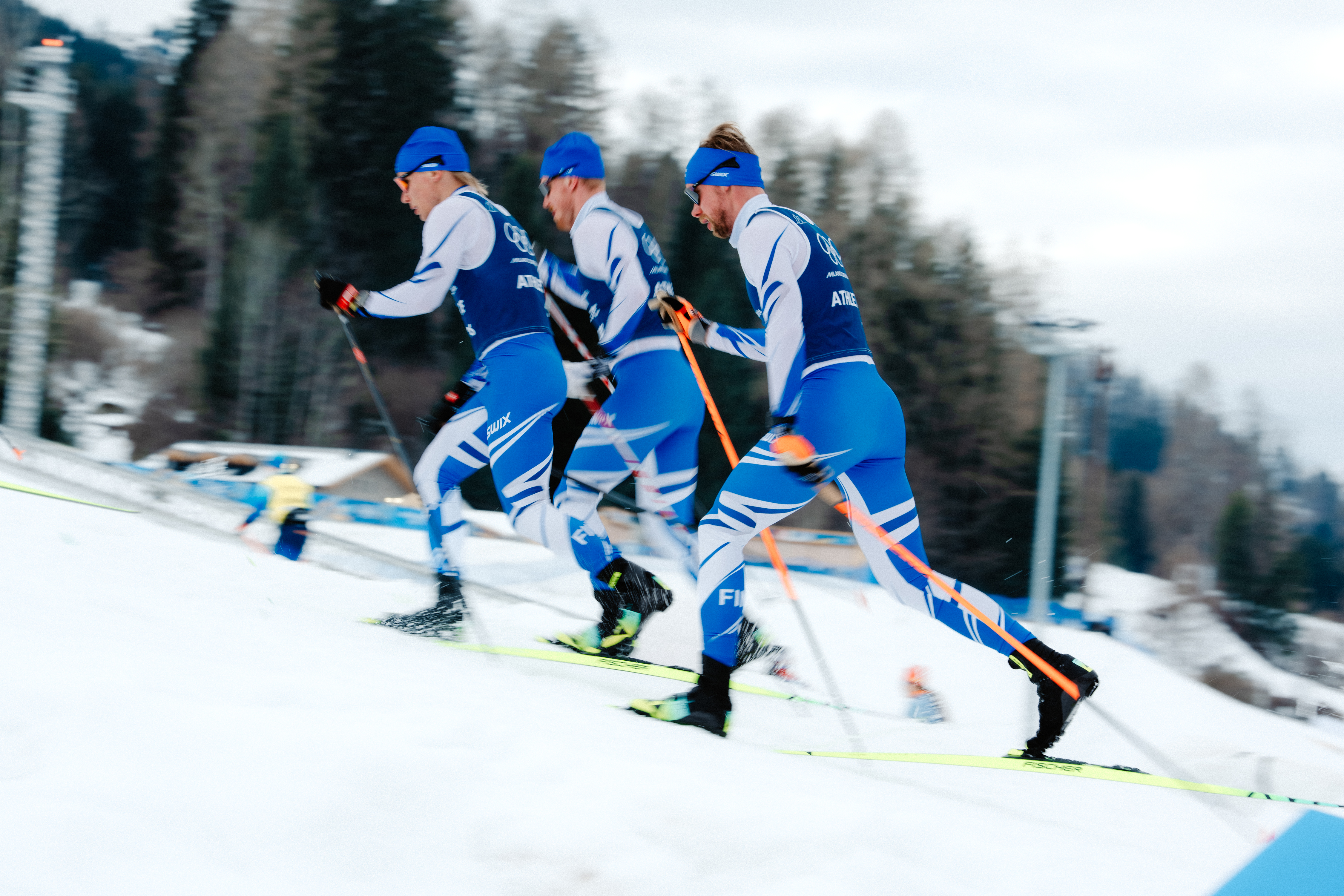
In contrast, the Vuokatti-Ruka center, in partnership with the University of Jyväskylä, focuses on the integration of scientific research, technology, and applied training. Their model, often referred to as "From Science to Practice," ensures that the latest findings in biomechanics, physiology, and materials science are not trapped in academic journals but are implemented on the training track and shooting range immediately.
Janne Hänninen, Director of the High-Performance Unit at the Finnish Olympic Committee, notes: "It would be easy to categorize these centers merely as training facilities, but their true value lies in their role as ‘collision points’ where knowledge is generated and refined."
The "Sharp End" Strategy: Allocating Resources for Results
The decision to focus resources on the "sharpest end" of the athletic spectrum is a calculated move to maximize return on investment. This shift is not just about money; it is about the intensity and quality of the support system provided to athletes who are on the cusp of international breakthroughs.
Janne Vuorinen, Director of the Vuokatti-Ruka center, explains that this focus is designed to be inclusive in its impact: "While we are focusing more on the elite phase, the knowledge generated must filter down. Everyone works in the same space, meaning that the developmental athletes in our system are being trained under the same rigorous principles as the Olympic-level performers."
A prime example of this is the advanced shooting test developed for biathletes. While the system was designed to meet the rigorous demands of professional athletes, the primary users are often young, aspiring biathletes in the academy phase. By training under the same technological conditions as their idols, these young athletes are socialized into a high-performance culture from the very beginning of their careers.
Official Responses: The Human Element of High Performance
The leadership of the Finnish Olympic system is acutely aware that systems are only as good as the people who operate them. The concept of "international standard" is frequently discussed, but for leaders like Hänninen and Tarvonen, it is a deeply personal metric.
"Every person involved in sports—including those of us in the ‘parkas’ (the administrators and staff)—must possess an attitude of constant improvement," Hänninen states. "One must have the passion and curiosity to ask every single day: ‘How can we be better?’"
Tarvonen echoes this sentiment, highlighting the emotional weight of his role. "When I walk into the office in the morning and see an athlete training for the World Championships, knowing they are ready to give everything they have, I have to ask myself: ‘Am I prepared to give just as much in my own work?’"
Implications for the Future: A Sustainable Ecosystem
The partnership agreements recently signed between the Finnish Olympic Committee and the training centers, extending through 2030, solidify a long-term vision. The implications of this are three-fold:
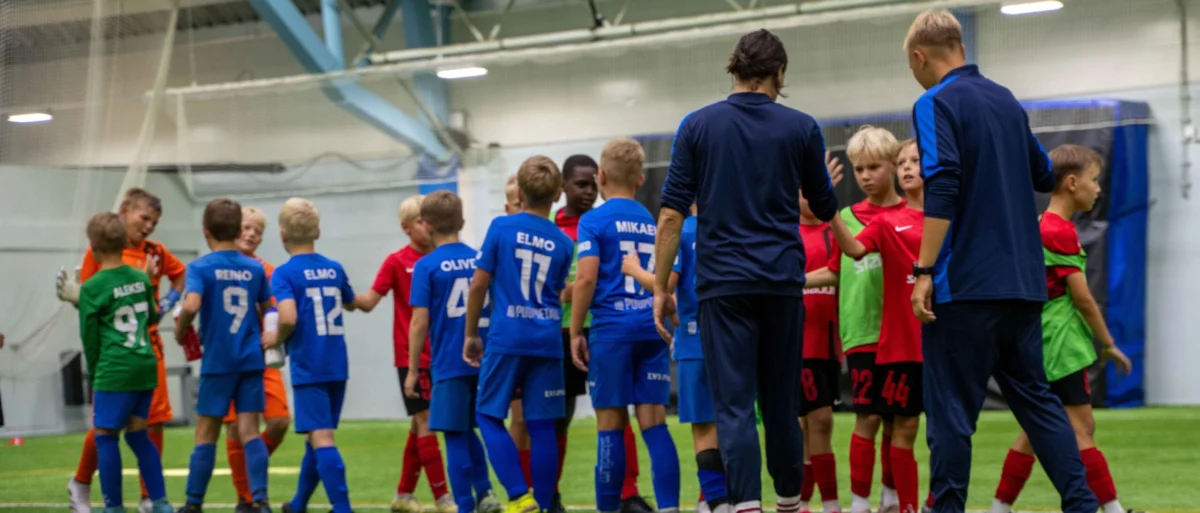
- Systemic Integration: The training centers do not act in isolation. They are the apex of a broader sports academy system that supports roughly 20,000 young athletes. The centers provide the "gold standard" of knowledge, which is then disseminated to local clubs and academies.
- Economic and Social Value: By professionalizing the high-performance environment, these centers are making sports management, coaching, and sports science more attractive career paths. This helps retain talent within the Finnish system rather than losing it to international competitors.
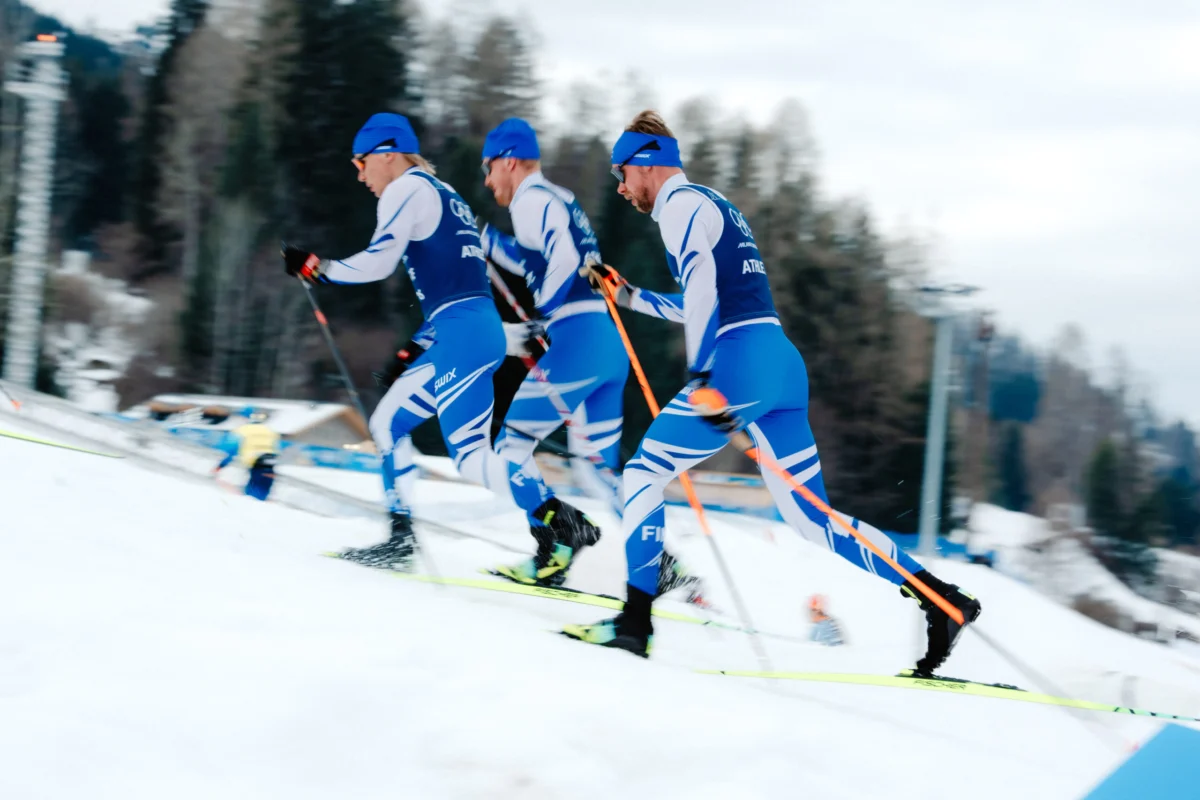
- Collaborative Competitive Advantage: Perhaps the most significant development is the inter-disciplinary cooperation in research and development (R&D). For example, the recently concluded ski-tuning development project benefited multiple sports—cross-country skiing, biathlon, and Nordic combined—by sharing technical expertise. This kind of collaboration is a massive competitive advantage, as it allows smaller nations to pool their resources to solve complex technical problems.
Conclusion: Toward 2030
As Finland looks toward the 2030 Winter Olympics and beyond, the message from its Olympic Training Centers is clear: the path to the podium is paved with collaboration, scientific rigor, and an unwavering commitment to excellence.
The strategy is not merely about finding a new training drill or a faster ski base; it is about building a cohesive machine where knowledge flows freely between the researcher, the coach, the young trainee, and the world champion. By creating environments that foster these connections, Finland is betting that its greatest asset will be its ability to act as a unified, highly intelligent team. In the world of elite sport, where the margins of victory are thinner than ever, this intellectual and systemic unity may well be the difference between standing on the podium and watching from the sidelines.