In a landmark move signaling the ongoing transformation of Germany’s energy landscape, Swedish utility giant Vattenfall has officially reached a final investment decision (FID) to construct a massive battery energy storage system (BESS) at the site of the former Brunsbüttel nuclear power station. This ambitious project, which aims to provide 254MW of installed capacity and approximately 1 gigawatt-hour (GWh) of storage, represents a pivotal shift in how the nation manages its transition from traditional thermal and nuclear power to a decentralized, renewables-heavy grid.
As decommissioning activities at the Brunsbüttel nuclear site continue, the arrival of this high-capacity storage facility serves as a symbolic bridge, repurposing industrial infrastructure for the next generation of energy security.
The Core Facts: A New Benchmark for German Storage
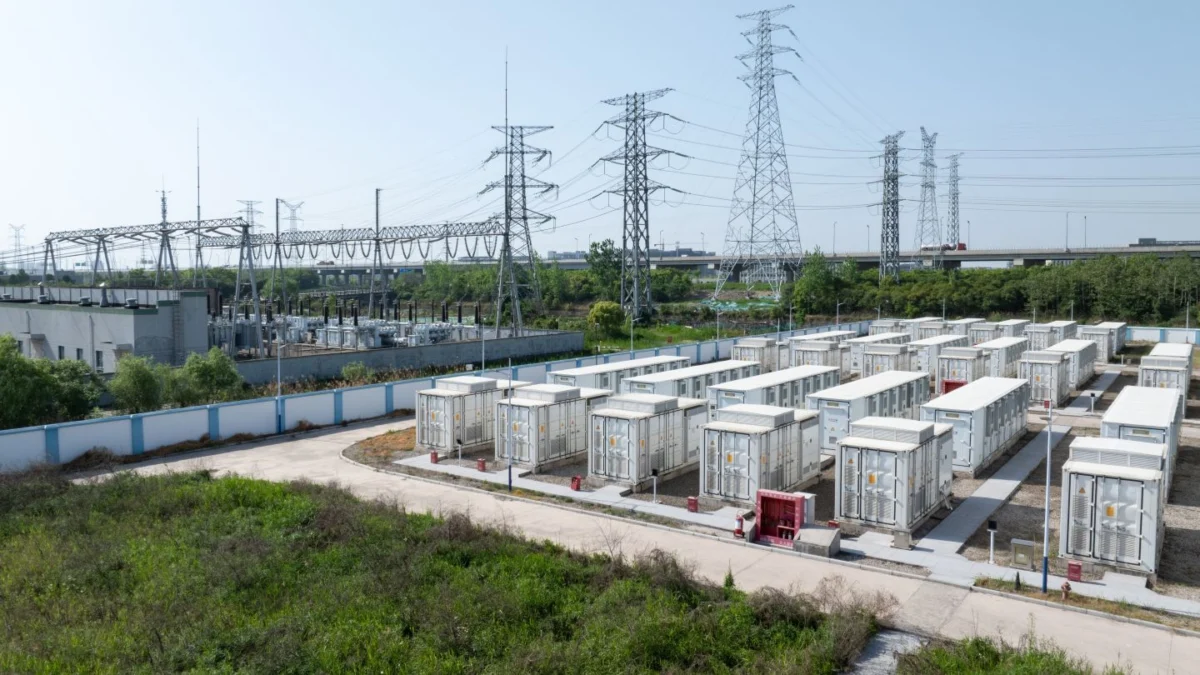
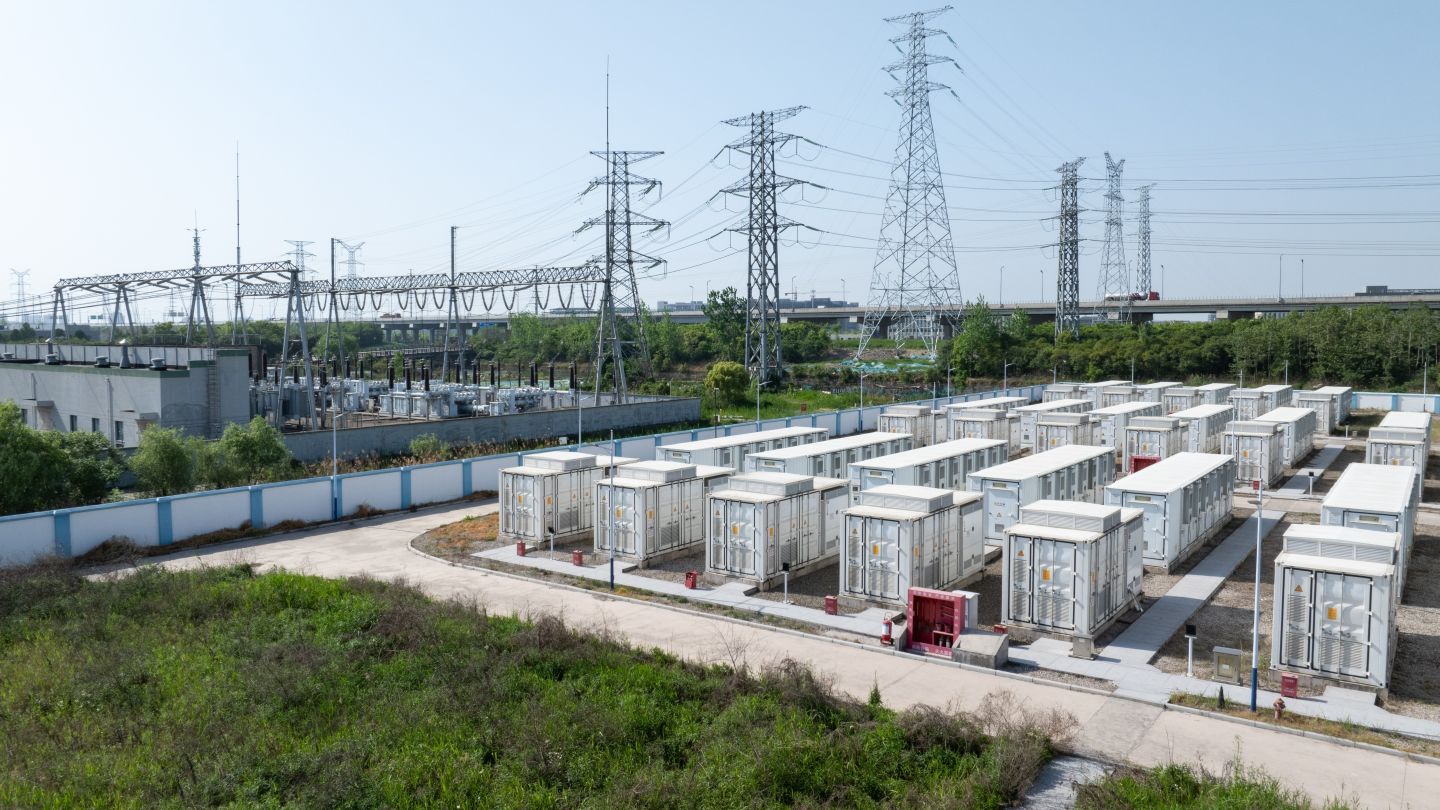
The Brunsbüttel project is not merely an incremental addition to Vattenfall’s portfolio; it is set to become one of the largest battery storage installations in Germany upon its completion. The facility is designed to bridge the gap between intermittent renewable energy generation and real-time consumer demand.
Key specifications of the project include:
- Installed Power Capacity: 254MW
- Energy Storage Capacity: ~1GWh
- Grid Integration: 50Hz, 380kV high-voltage transmission grid connection
- Target Operational Date: End of 2028
By connecting directly to the high-voltage transmission network, the facility will provide critical stability services to the grid, helping to manage fluctuations that arise as more wind and solar capacity enters the market.
Chronology: The Evolution of the Brunsbüttel Site
The history of the Brunsbüttel site is a microcosm of Germany’s broader energy policy shifts.
- The Nuclear Era: The Brunsbüttel Nuclear Power Plant (KKB) was a cornerstone of northern Germany’s power supply for decades, contributing significantly to the regional grid.
- The Phase-Out: Following the Fukushima Daiichi disaster in 2011, Germany accelerated its Energiewende (energy transition), leading to the final shutdown of the Brunsbüttel reactor.
- Decommissioning Phase: Throughout the early 2020s, the focus shifted toward the safe dismantling of the reactor and the remediation of the site.
- Repurposing for Renewables (2026): Vattenfall’s recent FID marks the transition of the site from a decommissioned liability into a future-facing asset. The site’s existing connection to the 380kV transmission grid makes it uniquely qualified to host large-scale utility infrastructure without requiring extensive new transmission corridors.
- 2028 Milestone: The projected commercial operation date is set for the end of 2028, by which time Vattenfall expects the battery facility to be fully integrated into the European energy market.
Supporting Data: Vattenfall’s Growing Storage Ambitions
The Brunsbüttel project is part of a broader, aggressive expansion strategy by Vattenfall to cement its position as a leader in grid flexibility. Currently, the company operates 150MW of battery capacity, with an additional 120MW currently in the construction pipeline—mostly co-located with existing wind and solar farms.
Scaling Up the Asset Base
The Brunsbüttel investment will nearly double the company’s existing installed battery capacity. This expansion is essential for a company that is increasingly betting on "flexibility optimization"—the art of managing energy storage assets to extract maximum value from price volatility.
Flexibility Optimization Strategy
Beyond owning physical assets, Vattenfall is rapidly scaling its flexibility optimization business. The company has set a bold target to optimize up to 1.5GW of third-party battery assets by 2029. By providing the software, trading expertise, and grid management services for other asset owners, Vattenfall is creating a comprehensive ecosystem that supports the integration of renewables across the continent. This hybrid approach—balancing own-asset development with third-party service provision—is viewed by industry analysts as a robust model for mitigating the risks associated with volatile power prices.
Official Responses: The Strategic Rationale
Claus Wattendrup, Head of Solar and Batteries at Vattenfall, emphasized the strategic importance of the Brunsbüttel site during the FID announcement.
"This is excellent news for Brunsbüttel as an energy hub, and we are excited to move forward with this project," Wattendrup stated. "Batteries play a key role in the future energy system, balancing electricity demand and supply. As generation from solar and wind power continues to grow, powerful storage solutions are essential for strengthening energy security and reducing dependence on fossil fuel imports."
The rhetoric from Vattenfall leadership highlights a fundamental truth about the energy transition: as the share of wind and solar power increases, the grid requires "firming" capacity. Because the sun does not always shine and the wind does not always blow, batteries act as the shock absorbers of the power grid, injecting energy when production drops and absorbing excess power when supply outstrips demand.
Implications: Why This Matters for the German Grid
The significance of the Brunsbüttel battery project extends far beyond the borders of the site itself.
1. Grid Stability and Ancillary Services
Germany’s grid is under increasing pressure as it retires base-load nuclear and coal capacity. Large-scale battery facilities like the one planned for Brunsbüttel provide "ancillary services"—such as frequency regulation and voltage control—which are vital for maintaining the 50Hz stability of the European grid.
2. Economic Efficiency
By locating the battery facility at an existing nuclear site, Vattenfall is maximizing the utilization of existing high-voltage grid connections. This significantly lowers the "soft costs" associated with the project, such as land acquisition, environmental zoning, and the construction of new high-voltage substations, which are often the most expensive components of utility-scale energy projects.
3. Decoupling from Fossil Fuels
The transition toward battery storage is fundamentally an anti-fossil fuel strategy. Currently, gas-fired power plants are often used to bridge the gap during periods of low renewable output. By storing excess wind power—which is abundant in Northern Germany—and deploying it during peak hours, Vattenfall can effectively displace the need for gas-fired "peaker plants," thereby reducing carbon emissions and dependence on imported natural gas.
4. Setting a Precedent for Repurposing
Brunsbüttel stands as a model for other European nations struggling with the transition. It demonstrates that the end of nuclear power does not mean the end of a site’s utility. By repurposing legacy industrial land, Vattenfall is demonstrating how to foster community support and economic continuity in regions that were previously dependent on nuclear jobs.
Looking Forward: A Diversified Portfolio
Vattenfall’s momentum is not limited to battery storage. Last month, the company successfully secured contracts to build the Hesselø and North Sea I Mid offshore wind projects in Denmark. These wins underscore a broader corporate strategy: aggressively expanding renewable generation capacity while simultaneously investing in the infrastructure (like the Brunsbüttel battery) required to make that power useful to the grid.
As the company works toward its goal of managing 1.5GW of battery assets by 2029, the Brunsbüttel facility will act as a lighthouse project. It is a testament to the fact that, in the modern energy era, the true value of a project lies not just in the electricity generated, but in the intelligence and flexibility brought to the grid.
In conclusion, the Brunsbüttel battery project is a definitive step toward a more resilient, renewable-powered Europe. As Vattenfall begins the construction phase, the eyes of the energy industry will be on this site, watching to see how successfully a former nuclear stronghold can be transformed into a vital artery of the green energy revolution. By 2028, the facility will not only be storing electricity; it will be storing the promise of a more stable and sustainable future.