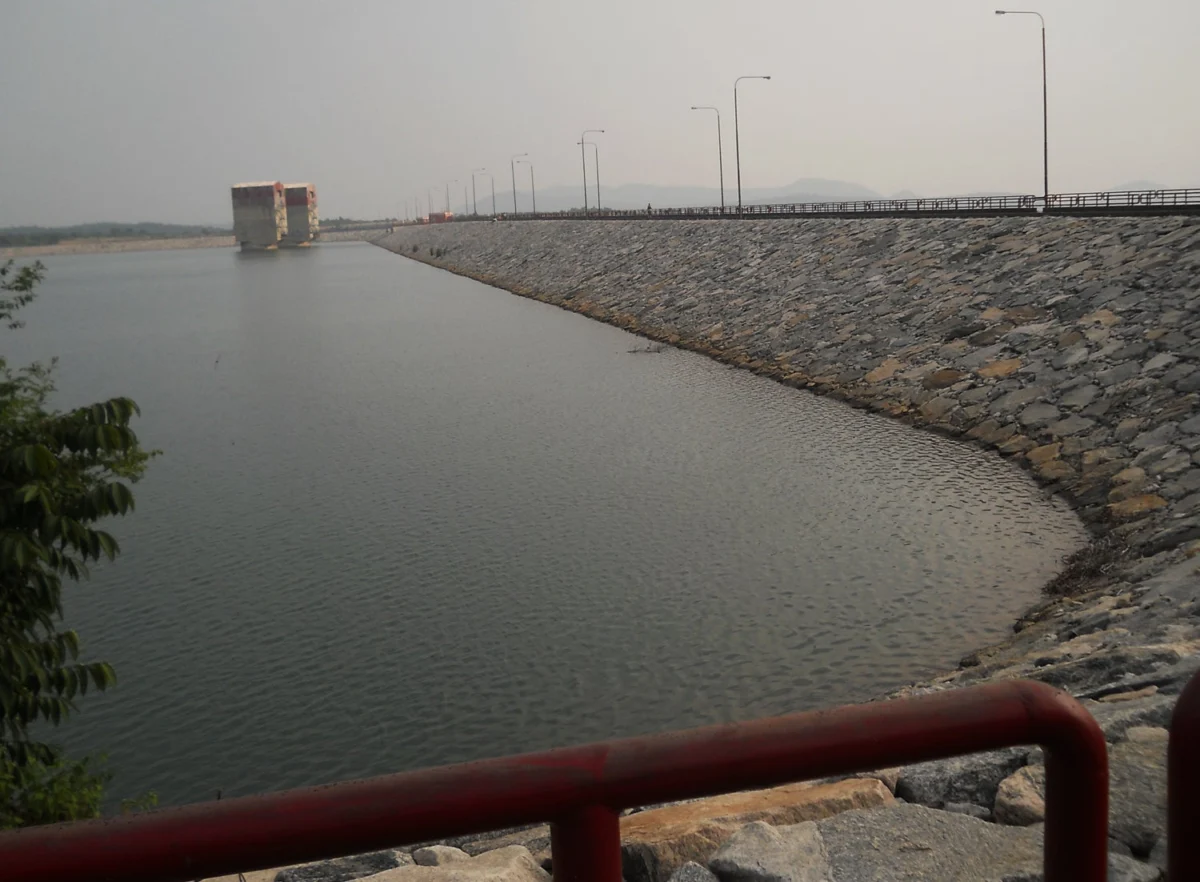
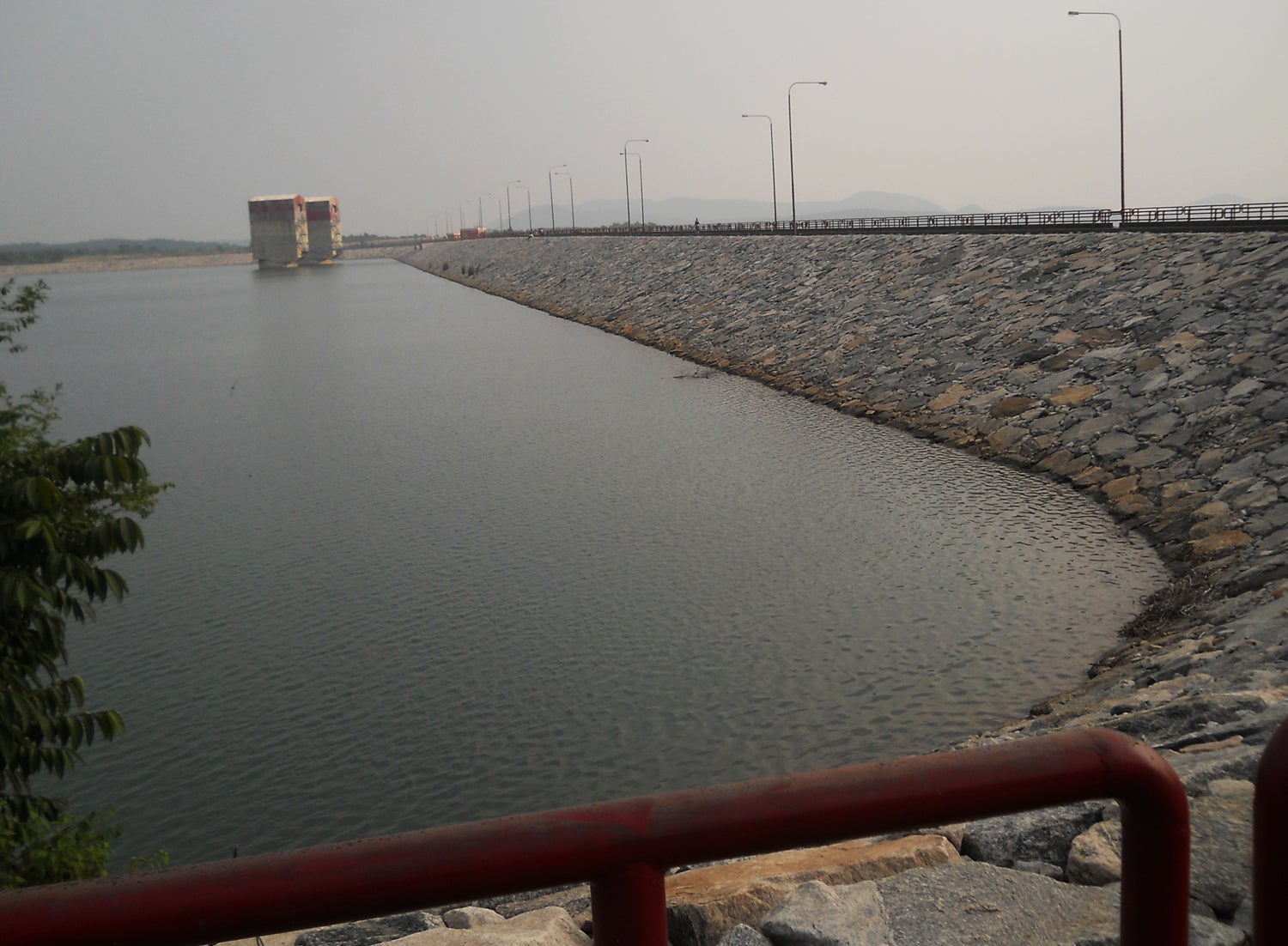
For decades, the silhouette of a massive dam was the definitive symbol of India’s progress—a monumental achievement of engineering that promised cheap electricity, irrigation for the nation’s breadbasket, and a reliable, unshakeable baseload to fuel an industrializing economy. However, as India marches toward a carbon-conscious future, the role of hydropower is undergoing a fundamental metamorphosis.
According to the latest India Power Outlook, Update 2026 by GlobalData, the country’s energy strategy is shifting away from viewing dams as static generation plants and toward leveraging them as dynamic, flexible assets. In a grid increasingly dominated by the intermittent nature of solar and wind, hydropower is emerging not as a competitor to renewables, but as their essential stabilizer.
Main Facts: A Structural Shift in Energy Strategy
The core thesis of India’s current energy evolution is the transition from "baseload dependency" to "flexibility-first" architecture. Historically, India relied heavily on coal to keep the lights on, with large-scale hydropower providing supplementary, steady power.
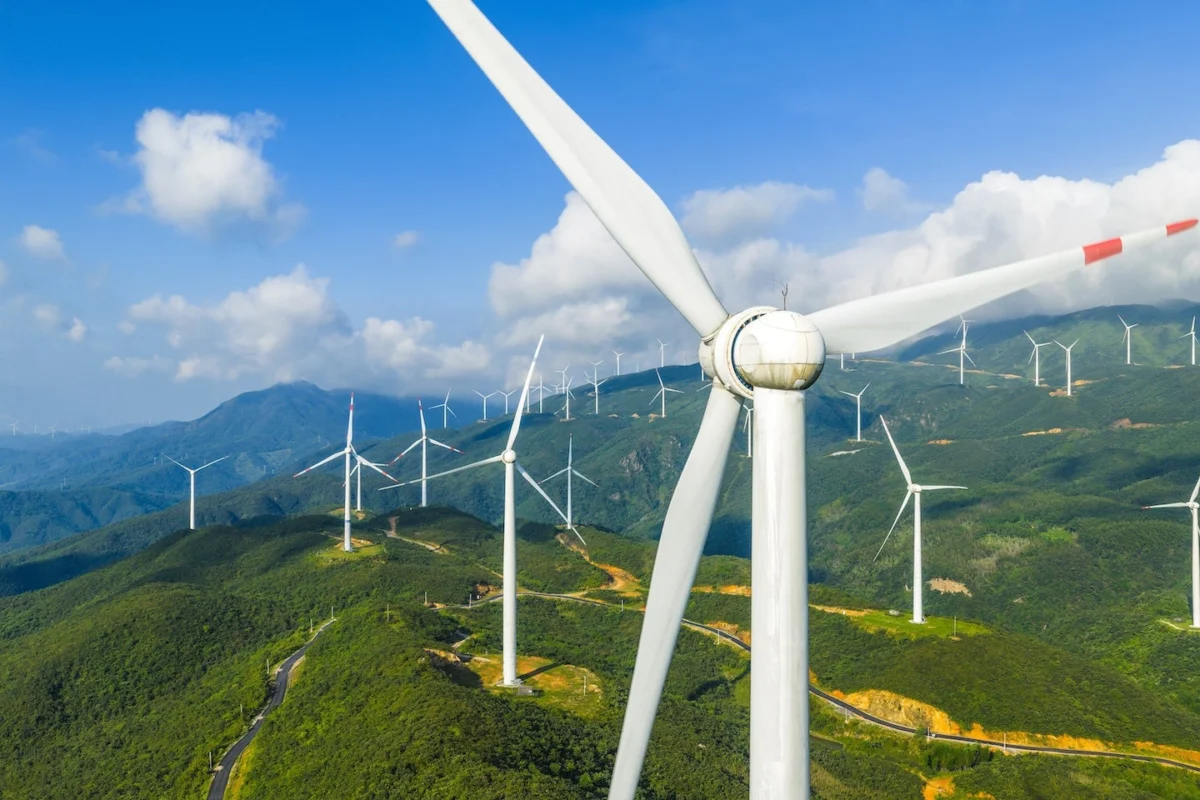
As of 2025, coal still holds a dominant 45.3% share of India’s installed capacity. However, that figure is slated to decline as the nation aggressively pivots toward a green mix. With renewable capacity projected to skyrocket from 223.7GW in 2025 to a staggering 849GW by 2035, the grid is facing a technical paradox: while renewable energy is abundant, it is inherently variable.
This is where the new mandate for hydropower and, more critically, pumped storage hydro (PSH) comes into play. The industry is witnessing a strategic pivot where the value of a project is no longer measured solely by the terawatt-hours (TWh) of electricity it produces, but by its "ramping capability"—the speed at which it can inject or withdraw power from the grid to compensate for sudden dips in solar or wind generation.
Chronology of India’s Energy Evolution
The trajectory of Indian power can be divided into three distinct eras:
- 1970s–2000s (The Era of Industrialization): Large-scale conventional hydro projects were prioritized to support rural electrification and heavy industry. These projects focused on volume and longevity, creating the backbone of the grid.
- 2010–2024 (The Renewable Awakening): The rise of solar PV and onshore wind changed the landscape. Policy shifted toward massive capacity additions in renewables, leading to concerns regarding grid stability and the "duck curve"—where mid-day solar surplus creates a supply-demand mismatch in the evening.
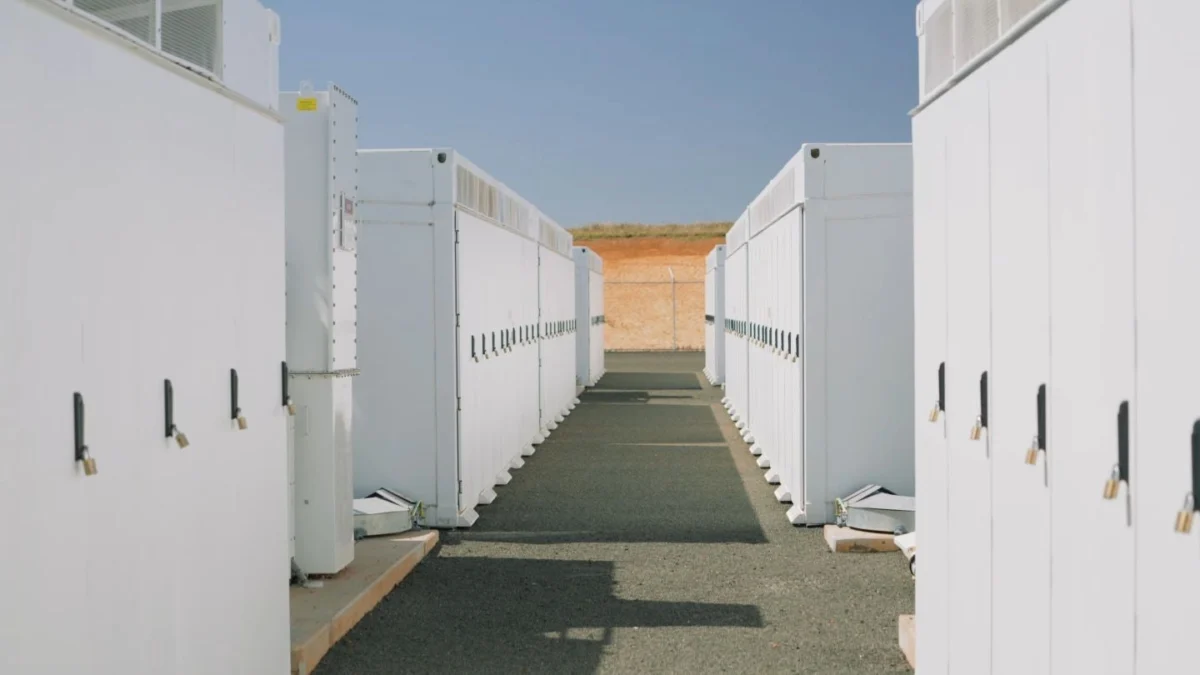
- 2025–2035 (The Era of Flexibility): We are currently in the early stages of this transition. The focus has moved toward grid integration, storage, and the modernization of existing dam infrastructure. Investments are now prioritized for pumped storage projects that can act as "giant batteries" for the national grid.
Supporting Data: The Numbers Behind the Transition
GlobalData’s forecasts provide a sobering yet optimistic look at the next decade of power development in India.
Demand and Supply Projections
The demand for electricity in India is projected to be among the highest in the world, driven by rapid urbanization and the proliferation of cooling technologies in a warming climate. Annual power consumption is expected to grow from 1,418TWh in 2025 to 1,945TWh by 2030, eventually hitting 2,622TWh by 2035.
Capacity Expansion Forecasts
- Large Conventional Hydropower: Expected to grow from 44.2GW in 2025 to 58.5GW by 2035. This represents steady, necessary growth, but it is modest compared to the solar-wind explosion.
- Pumped Storage Hydro (PSH): This is the "star" of the forecast. Capacity is expected to climb from 7.2GW in 2025 to 15.7GW by 2035. This growth represents a strategic investment in the system’s "shock absorbers."
- Renewable Share: The share of renewables in total electricity production is forecast to jump from 16% in 2025 to 38% by 2035, while thermal generation’s share is expected to drop from 73.4% to 52.4%.
The Volatility Factor
Hydropower remains inherently susceptible to environmental variables. The data highlights significant fluctuations in output, with generation dropping from 151.4TWh in 2022 to 124.4TWh in 2023, before recovering to 138.1TWh in 2024 and 154.9TWh in 2025. This underscores that while hydro is reliable for flexibility, its role as a primary generation source is still subject to the mercy of hydrological conditions and rainfall variability.
Official Responses and Policy Implications
The Indian government and grid operators, such as the Power System Operation Corporation (POSOCO), have begun implementing significant reforms to account for these changes.
The primary policy focus is now on Ancillary Service Markets. By creating a framework where power producers are paid for their ability to provide frequency response and reserves, the government is incentivizing private and public sector investment in PSH and battery storage.
Furthermore, current scheduling reforms are pushing for "real-time markets" (RTM). These markets allow for the trading of electricity close to the time of delivery, which is ideal for managing the variability of solar and wind. By integrating these markets, the government is essentially creating a financial value for the flexibility that hydropower provides.
There is also a concerted effort to modify existing coal-fired power plants. To maintain grid balance, coal plants are being retrofitted to ramp up and down more efficiently. However, as official reports suggest, coal carries an environmental and operational cost that makes it a secondary choice compared to the clean, emission-free flexibility offered by pumped hydro.
Implications: The Future of the Grid
The shift has profound implications for stakeholders, investors, and the environment.
1. The Death of the "Baseload" Mindset
The investment community must realize that the age of the "always-on" large dam as a standalone profit center is waning. Future profitability in the hydro sector will be tied to grid services—frequency support, voltage regulation, and black-start capabilities. Investors are increasingly looking at PSH as a high-value asset class that mitigates the risk of renewable curtailment.
2. Infrastructure Synergy
Hydropower is no longer just a power plant; it is a critical piece of infrastructure that enables the deployment of other renewables. Without the storage capacity provided by hydro, India would hit a "renewable ceiling" where it could no longer add solar or wind without risking grid instability. Thus, hydro is effectively the "enabler" of the entire green transition.
3. Technological and Digital Integration
The next decade will see a surge in the digitization of the grid. Predictive analytics, AI-driven weather forecasting, and smart grid demand-side management will be used to optimize the operation of hydro plants. The ability to predict a drop in solar output five minutes before it happens allows operators to ramp up hydro turbines with surgical precision.
4. Environmental and Social Considerations
While the expansion of PSH is lauded for its flexibility, it also faces challenges regarding land acquisition and environmental impact. The transition will require a delicate balance between the urgent need for grid stability and the necessity of sustainable ecological management. Developers are under increasing pressure to demonstrate that their projects—even those focused on storage—adhere to stringent environmental, social, and governance (ESG) standards.
Conclusion: A Vital Transformation
India’s electricity system is in the midst of a grand, necessary experiment. By decoupling the necessity of generation from the requirement for flexibility, the nation is rewriting the playbook for developing economies.
The GlobalData forecast confirms that while hydropower’s percentage share of the total generation mix may stabilize or even decline slightly, its strategic importance has never been higher. As India moves toward its 2035 goals, the dams of the past are being reborn as the smart, flexible, and essential batteries of the future. The era of the "static dam" has ended; the era of the "grid-stabilizing asset" has arrived. For India, this evolution is not just an energy strategy—it is the bedrock of its future economic and environmental resilience.