In a move that underscores the rapid maturation of the European energy storage market, global renewable energy producer Sonnedix has announced the acquisition of a 260MW battery energy storage system (BESS) portfolio located in Tuscania, Italy. This strategic expansion marks a significant milestone for the company, pushing its total global BESS portfolio to approximately 2.8GW and solidifying its position as a key player in the transition toward a flexible, grid-integrated renewable energy landscape.
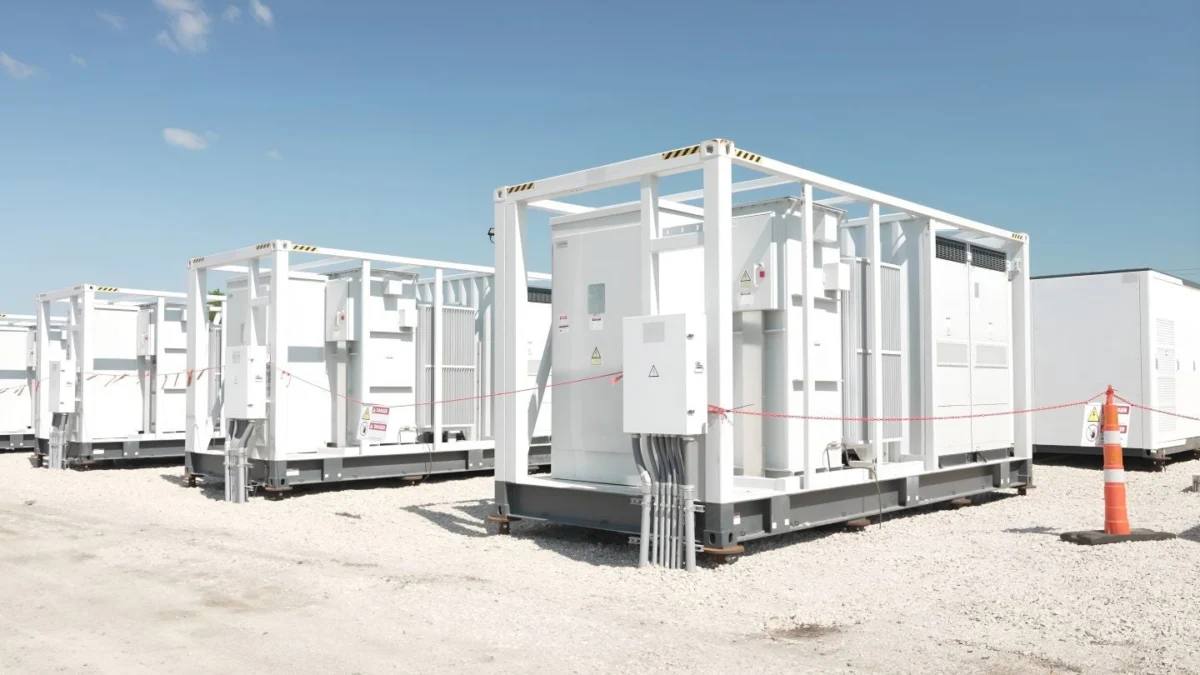
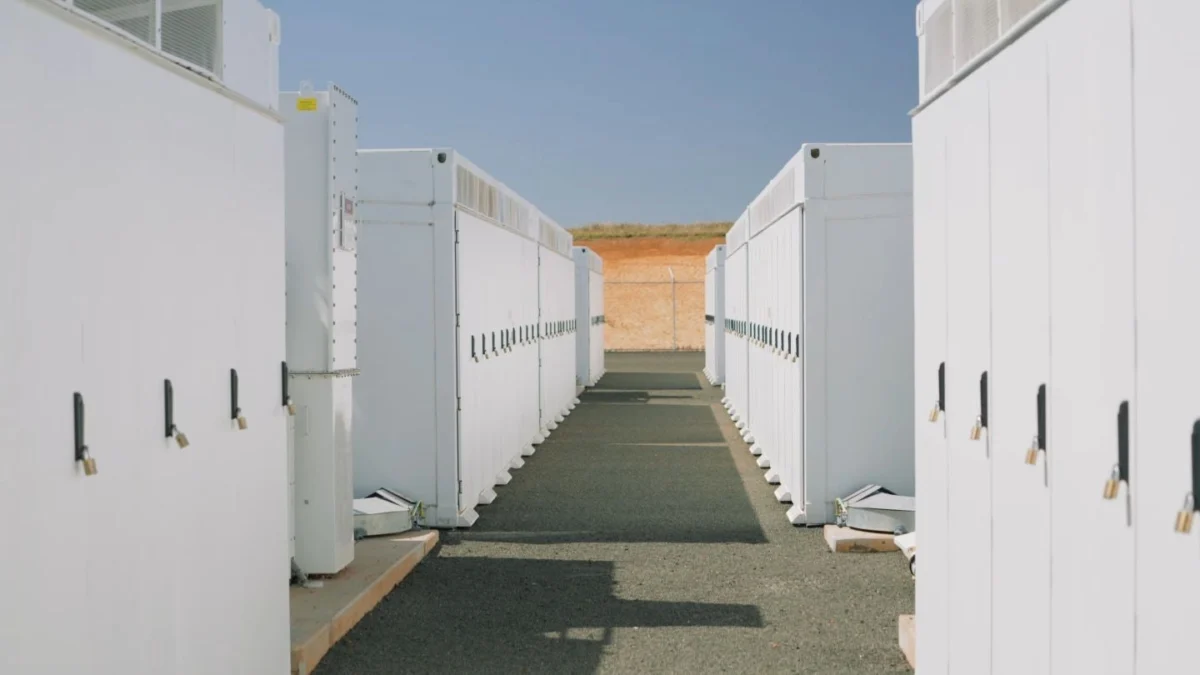
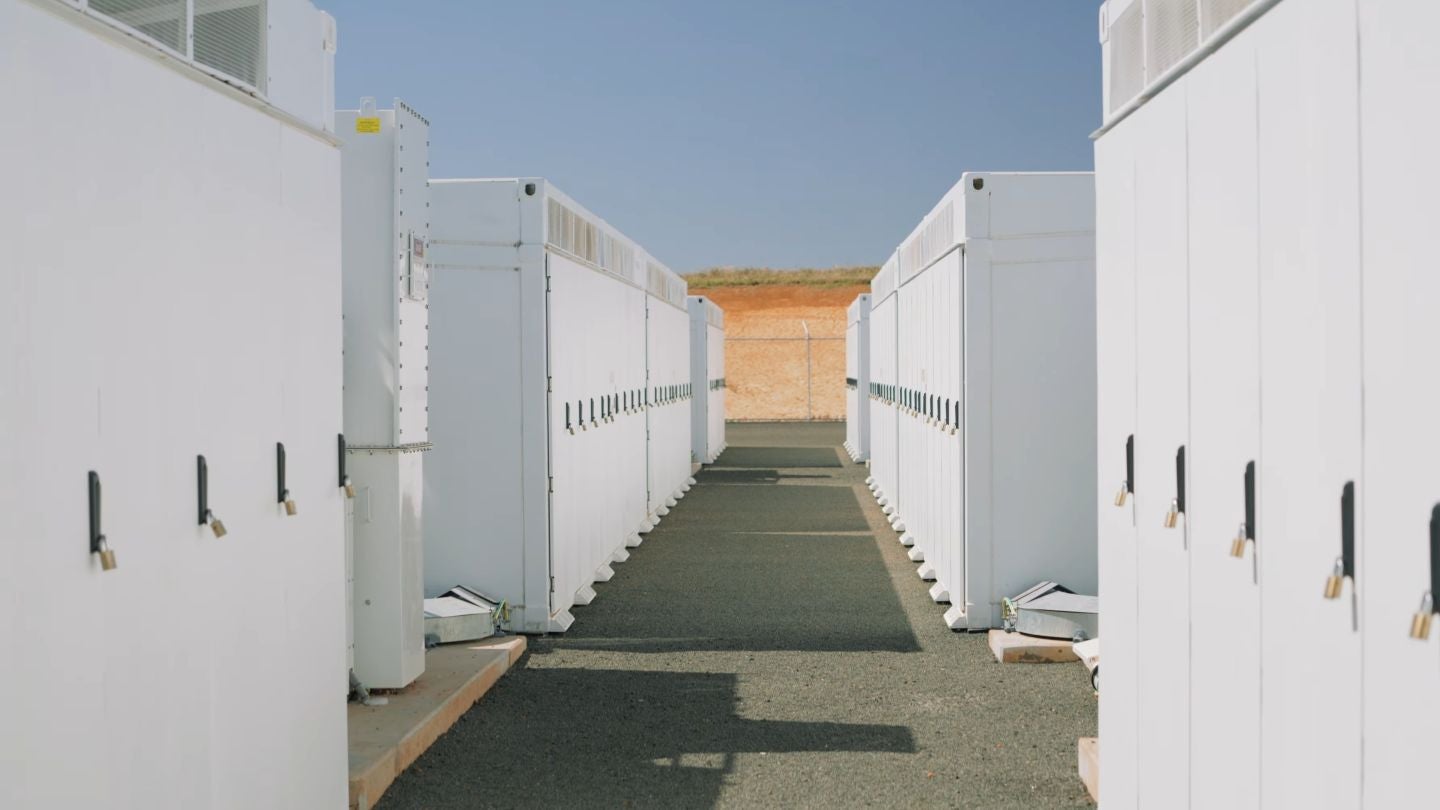
The acquisition, purchased from Sphera Energy, comprises two neighbouring stand-alone BESS projects: a 160MW/four-hour facility and a 100MW/four-hour facility. By securing these assets, Sonnedix is not only expanding its physical footprint but is also signaling a broader corporate pivot toward hybridisation and system optimization—strategies deemed essential for managing the inherent intermittency of solar and wind power.
Main Facts: A Dual-Project Powerhouse
The Tuscania portfolio is designed to provide substantial grid flexibility. With a combined capacity of 260MW, the projects are engineered for four-hour duration storage, effectively providing 1,040MWh of total storage capacity. This duration is critical for Italian grid operators, as it allows for the shifting of solar-generated power from peak daylight hours to the evening demand curve, helping to stabilize the grid during periods of high consumption and low generation.
The choice of Tuscania is no coincidence. Italy has emerged as one of Europe’s most dynamic markets for energy storage, driven by the government’s ambitious decarbonization targets and the pressing need to modernize an aging national electricity infrastructure. The projects, once fully operational, will be instrumental in reducing curtailment—the loss of renewable energy that cannot be absorbed by the grid—and ensuring that clean energy assets are utilized to their maximum potential.
Chronology of Expansion: Building a Renewable Titan
Sonnedix’s trajectory in the Italian market has been characterized by consistent, deliberate growth. To understand the significance of the Tuscania acquisition, one must look at the company’s recent activity:
- 2025 – Early Entry: Recognizing the urgent need for storage to complement its solar assets, Sonnedix initiated its first forays into the Italian BESS market, testing the waters with smaller-scale deployments to refine its operational model.
- March 2026 – Solar Consolidation: The company acquired six major solar photovoltaic (PV) plants, all backed by long-term power purchase agreements (PPAs). This move propelled Sonnedix’s total installed capacity in Italy past the 1GW threshold, providing a stable foundation of generation that could then be "optimized" by future storage acquisitions.
- April 2026 – Global Storage Momentum: Demonstrating a global appetite for storage, the company signed three landmark PPAs with Copec EMOAC for the 117MW Librillo BESS project in Taltal, Chile. The project, capable of supplying 643.8MWh for five hours daily, proved that Sonnedix could successfully execute large-scale, long-duration storage contracts.
- July 2026 – The Tuscania Milestone: The current acquisition of the 260MW portfolio in Italy serves as the culmination of these efforts, marking the largest BESS commitment to date and proving that the company is now scaling its storage division at an industrial pace.
Supporting Data: By the Numbers
Sonnedix operates at an impressive scale, balancing a diverse global portfolio with focused regional development. As of the latest reporting, the company’s portfolio breakdown is as follows:
- Total Renewable Energy Capacity: 11GW.
- Actively Generating Assets: 4.8GW currently contributing to grids worldwide.
- Construction Pipeline: Over 1GW currently in the building phase.
- Development Pipeline: 5GW of projects in various stages of permitting and feasibility.
- Total BESS Portfolio: Approximately 2.8GW.
- Geographic Reach: Operations spanning Chile, France, Germany, Italy, Japan, Poland, Portugal, Spain, and the UK.
The financial and technical health of these projects is underpinned by a mix of long-term PPAs and merchant exposure, allowing the company to mitigate risks while capturing high-value revenue during periods of price volatility in the energy markets.
Official Perspectives: The Strategic Vision
Axel Thiemann, CEO of Sonnedix, emphasized that the Tuscania acquisition is more than just a capital investment; it is a fundamental shift in the company’s operational philosophy.
"We took our first step into battery storage in other Italian regions last year. Now we are building on that with real scale in Tuscania," Thiemann noted. "Batteries let us do more with the power we are already generating, storing it and deploying it when it is needed most."
Thiemann’s comments highlight the concept of "energy value optimization." As the share of renewables on the grid increases, the raw generation capacity is often less valuable than the ability to dispatch that energy on command. By integrating large-scale BESS into their existing solar portfolio, Sonnedix is evolving from a pure-play energy producer into an integrated energy services provider.
"Hybridisation and optimisation are the direction our whole portfolio is heading," Thiemann added. "With our long-term footprint and deep expertise in the region, Italy is well placed to lead the way."
Implications for the Energy Market
The acquisition carries several profound implications for the Italian and broader European energy landscape:
1. The Death of Curtailment
As Italy continues to install record amounts of solar PV, the grid faces the challenge of "duck curves," where excess solar production during the day threatens to overwhelm the grid. Projects like the 160MW and 100MW BESS facilities in Tuscania act as a shock absorber. By soaking up excess energy and releasing it during peak hours, they ensure that every megawatt generated is monetized rather than curtailed.
2. Market Maturity and Financing
The involvement of companies like Sonnedix—backed by substantial institutional capital—signals that the BESS sector has moved past the "pilot project" stage. Lenders and investors are now viewing utility-scale BESS as a stable, predictable asset class, similar to wind or solar farms. This trend is likely to trigger a wave of further M&A activity in Italy as developers seek to exit early-stage projects and major players like Sonnedix move to consolidate capacity.
3. The Future of Hybrid Power
The industry is clearly trending toward "hybrid" sites, where solar and BESS are co-located or virtually linked. This allows for lower interconnection costs and shared infrastructure. While the Tuscania portfolio is stand-alone, it is managed as part of a wider ecosystem of assets, suggesting that the future of the grid will be built on the back of intelligent, software-driven energy management that links storage and generation across disparate locations.
4. Regulatory Influence
The rapid pace of these acquisitions is also a testament to the supportive regulatory environment in Italy. Reforms aimed at streamlining the permitting process for storage facilities have been instrumental in allowing developers to move from planning to execution. As the Italian government pushes toward its 2030 climate goals, the success of the Tuscania project will likely serve as a blueprint for future policy and investment frameworks.
Conclusion: A Turning Point
Sonnedix’s acquisition of the Tuscania BESS portfolio is a clear indicator of the next phase of the energy transition. As the "low-hanging fruit" of basic solar and wind installation is harvested, the challenge shifts to system integration and reliability. Through the integration of 260MW of storage capacity, Sonnedix is demonstrating that the future of energy is not just about producing more power, but about producing it in a way that is smart, flexible, and fully responsive to the demands of a modern, decarbonized economy.
With 11GW of total capacity and a robust development pipeline, Sonnedix remains at the vanguard of this shift, proving that with the right combination of scale, technology, and strategic foresight, the transition to a net-zero future is not only possible but commercially viable.