The global energy landscape is currently defined by a singular, monumental shift: the transition from fossil fuel dependency to sustainable, carbon-neutral power systems. Nowhere is this transformation more ambitious—or more fraught with technical complexity—than in China. As the world’s largest producer and consumer of electricity, China’s push to achieve "dual carbon" goals (peaking emissions by 2030 and reaching carbon neutrality by 2060) has triggered a massive build-out of wind and solar capacity.
However, as renewable integration accelerates, the inherent intermittency of these sources is beginning to strain the nation’s power infrastructure. The challenge is no longer just about building enough green capacity; it is about maintaining grid reliability in a system that is becoming increasingly decentralized and volatile.
Main Facts: The Structural Challenge of Intermittency
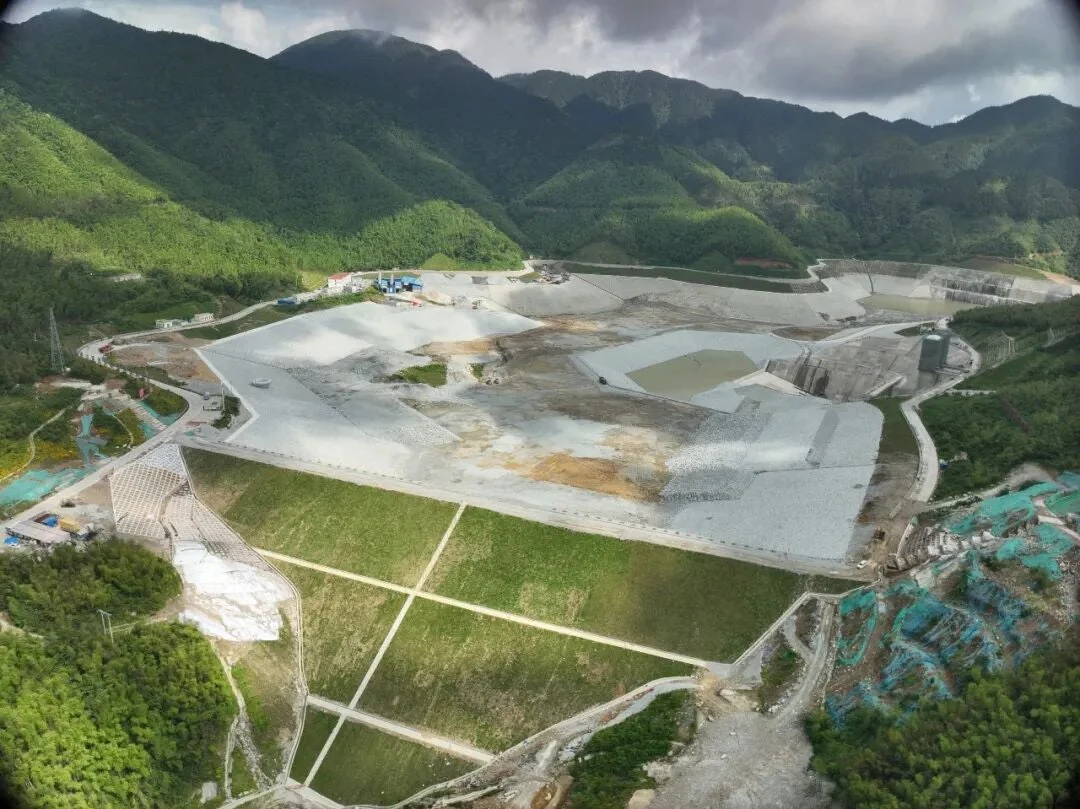
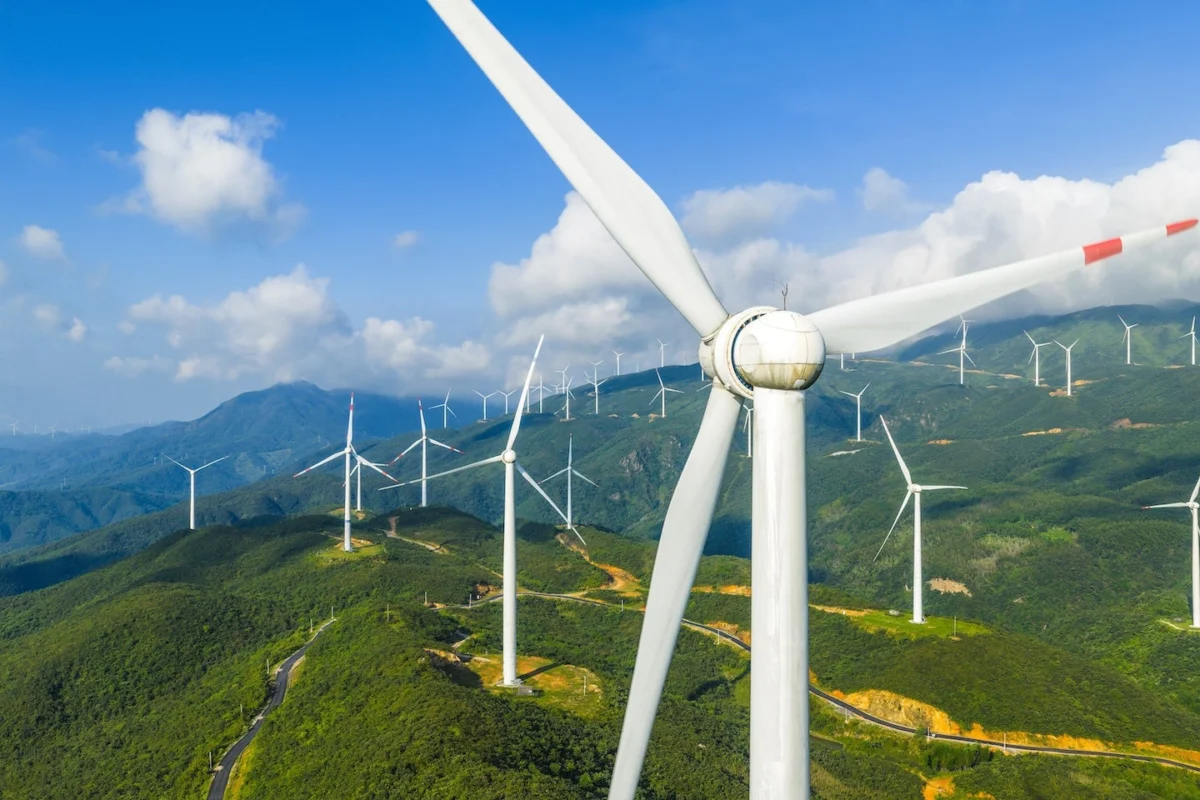
At the heart of the crisis lies a fundamental mismatch between energy production and consumption. China’s primary renewable resources—massive solar arrays in the arid northwest and wind farms in the expansive Mongolian plains—are situated thousands of miles away from the industrial and urban demand centers of the eastern seaboard.
The rapid integration of these variable renewable energy (VRE) sources creates three distinct technical hurdles for the State Grid Corporation of China (SGCC):
- Frequency and Voltage Instability: Unlike traditional coal-fired power plants, which provide consistent "baseload" power and mechanical inertia, wind and solar are inverter-based resources. They do not naturally stabilize the grid’s frequency, making it susceptible to spikes and drops when weather conditions shift suddenly.
- The "Duck Curve" Dilemma: Similar to experiences in California and Germany, China is facing periods where midday solar generation drastically exceeds demand, only to see a sharp decline in the evening, coinciding with a peak in residential electricity usage.
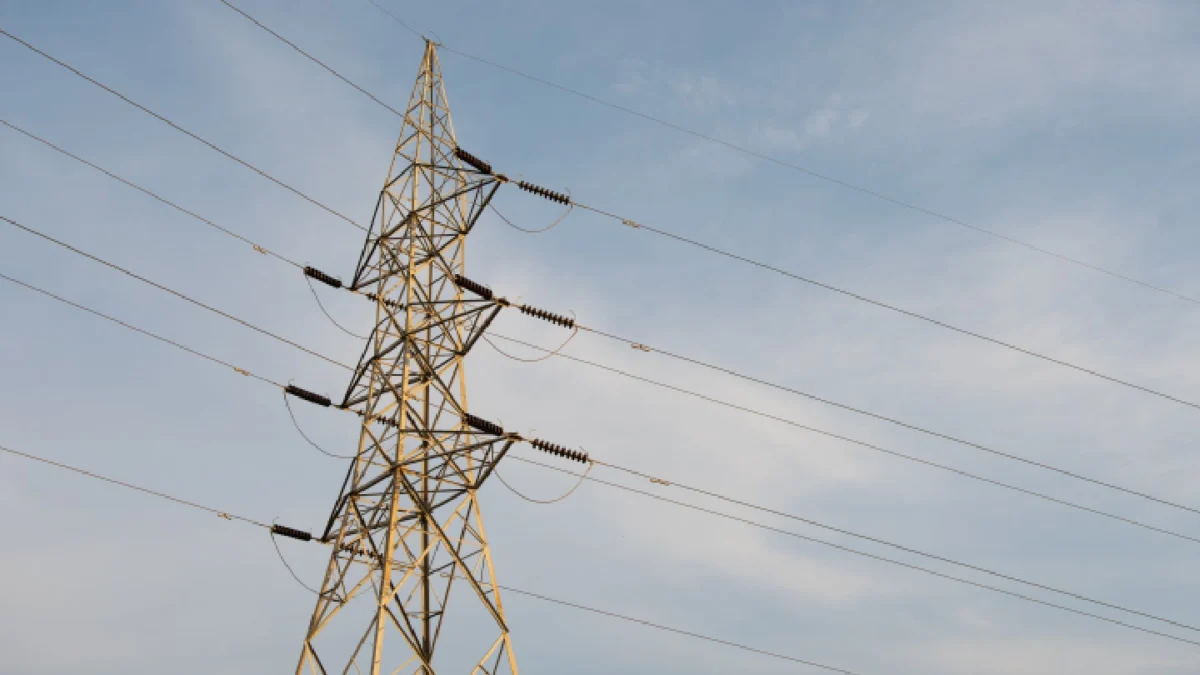
- Transmission Bottlenecks: While China has pioneered Ultra-High Voltage (UHV) transmission lines, the speed of local renewable installations has consistently outpaced the construction of the cross-regional infrastructure required to transport that energy to industrial hubs.
Chronology: The Evolution of China’s Green Strategy
The trajectory of China’s energy transition can be categorized into three distinct phases over the last decade:
- 2014–2017: The Early Expansion. China prioritized capacity above all else. This period saw a record-breaking surge in wind and solar farms, often resulting in significant "curtailment"—a situation where energy is generated but cannot be utilized due to insufficient transmission, leading to wasted electricity.
- 2018–2021: The Strategic Pivot. Recognizing the inefficiency of unchecked expansion, the National Development and Reform Commission (NDRC) introduced policies to modernize the grid. This era saw the rollout of the "Renewable Energy Consumption Guarantee Mechanism," which mandated that provinces meet specific quotas for green energy usage.
- 2022–Present: The Integration and Storage Era. Following widespread power shortages in 2021—driven by a combination of drought (impacting hydropower) and coal supply issues—Beijing shifted its focus toward "energy security." The current priority is balancing the rapid scale-up of renewables with massive investments in Battery Energy Storage Systems (BESS) and pumped-hydro storage.
Supporting Data: The Scale of the Transition
The figures underlying China’s transition are staggering. According to the National Energy Administration (NEA), China’s installed capacity for solar and wind surpassed 1,000 gigawatts (GW) in 2023.
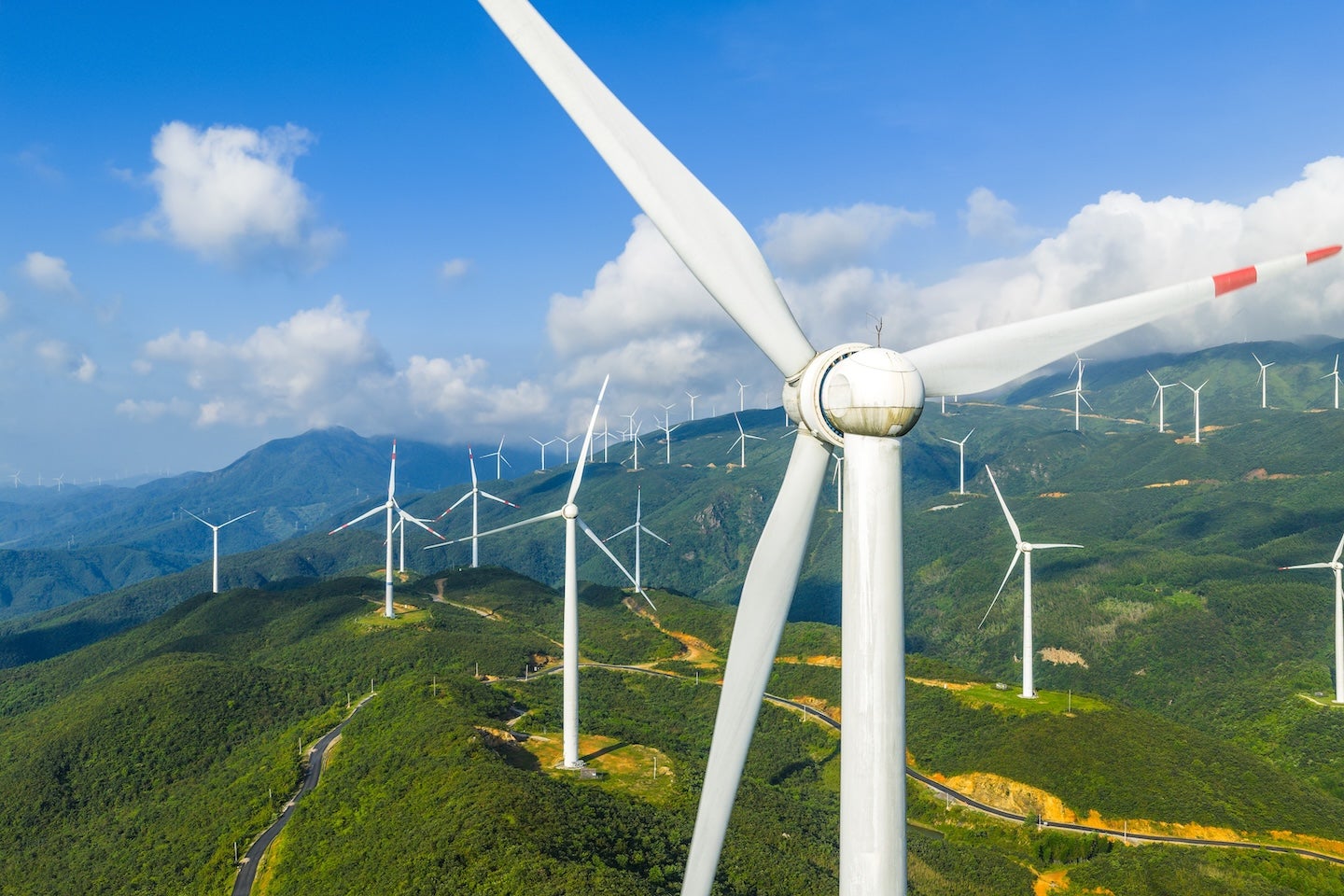
- Renewable Dominance: In 2023, renewable energy sources accounted for more than half of China’s total power capacity for the first time in history.
- The Curtailment Reality: Despite massive improvements, curtailment remains a critical metric. In certain western provinces, curtailment rates for wind reached as high as 10% in peak seasons before grid upgrades began to stabilize the flow.
- Storage Investment: China is currently the world’s largest market for electrochemical energy storage. Investment in BESS projects grew by over 200% year-on-year between 2022 and 2023, as the government mandates that new renewable projects include "storage-to-capacity" ratios of at least 10–20%.
These data points illustrate a paradox: the more successful China is in deploying renewables, the more complex its grid management becomes. Without a corresponding increase in "flexible" power—such as gas-fired peaker plants, demand-response programs, and grid-scale batteries—the system remains vulnerable to supply-demand imbalances.
Official Responses and Policy Frameworks
Beijing’s response has been characterized by a dual-track strategy. On one hand, the government is doubling down on "New Power System" (NPS) reforms. This framework aims to digitize the grid, using AI and real-time data to manage the flow of electricity from millions of decentralized sources, such as rooftop solar panels on residential buildings.
The Role of Market Reforms
The NDRC has been pushing for the liberalization of electricity pricing. By allowing price fluctuations to reflect real-time supply and demand, the government hopes to incentivize industrial users to adjust their consumption patterns. This "demand-side response" is viewed as a vital tool to lower peak loads without needing to build additional, carbon-intensive power plants.
Strengthening Fossil Fuel Assets
Perhaps most controversially, the Chinese government has also increased the approval of new coal-fired power plants. Officials argue that these plants are not intended for baseload power, but rather as "support assets" that can be ramped up quickly when renewable output drops. This "coal-to-flexible" transition remains a point of contention for international climate observers, who worry that these assets may create carbon lock-in.
Implications: What Lies Ahead for Global Power Markets
The consequences of China’s grid management extend far beyond its borders.
Global Supply Chain Impacts
China’s push for grid-scale battery storage and UHV technology is driving down global costs for these components. As China scales its manufacturing of vanadium redox flow batteries and lithium-ion solutions, the global price of energy storage is falling, which in turn accelerates the energy transition in Europe, North America, and Southeast Asia.
Lessons in System Resilience
The rest of the world is watching the Chinese experiment closely. The primary takeaway for other nations is that grid architecture is as important as generation capacity. A country can have the most advanced solar panels in the world, but if the grid lacks the "intelligence" to integrate that power, the system will inevitably fail during extreme weather events.
The Geopolitical Dimension
Reliability concerns are also driving a new form of energy nationalism. China is investing heavily in domestic supply chains for rare earth minerals and grid infrastructure components to ensure that its energy transition is not dependent on foreign technology. This self-sufficiency drive is likely to influence trade policies and industrial regulations for years to come.
Conclusion
China is currently operating in uncharted territory. The effort to manage the world’s largest and most complex power grid while simultaneously executing the world’s largest decarbonization program is an exercise in balancing immense risk with monumental opportunity.
As the grid moves toward a more volatile, renewable-dominant model, the success of the Chinese energy transition will depend on three pillars: technological innovation in long-duration energy storage, the implementation of flexible market-based pricing, and the ability to maintain traditional power assets as a bridge during the transition period. Whether China can successfully navigate these challenges will provide the blueprint—or the cautionary tale—for the rest of the world as it follows in the footsteps of the global energy transition.
The next decade will be the defining period. If the "New Power System" proves stable, China will solidify its position as the global leader in both climate action and energy engineering. If the grid falters, it may force a reassessment of the speed at which emerging economies can realistically divest from fossil fuels. For now, the world remains in a state of watchful waiting, recognizing that the stability of the Chinese grid is, in many ways, the stability of the global climate effort itself.