As the global energy landscape undergoes a seismic transition toward intermittent renewable sources, China is cementing its position as the world leader in pumped storage hydropower (PSH). With national capacity projected to soar to 238.7GW by 2035, the country is executing one of the most ambitious engineering programs in human history. Recent milestones in Hunan, Guangxi, and Shandong provinces serve as case studies for this rapid expansion, illustrating both the immense technical scale of these projects and the critical role they play in securing the world’s largest electricity grid.
The Strategic Imperative: Why Pumped Storage?
At its core, pumped storage acts as a giant "water battery." During periods of low electricity demand, excess power—often generated by solar and wind farms—is used to pump water from a lower reservoir to an upper one. When demand peaks or renewable generation drops, that water is released, driving turbines to generate electricity.
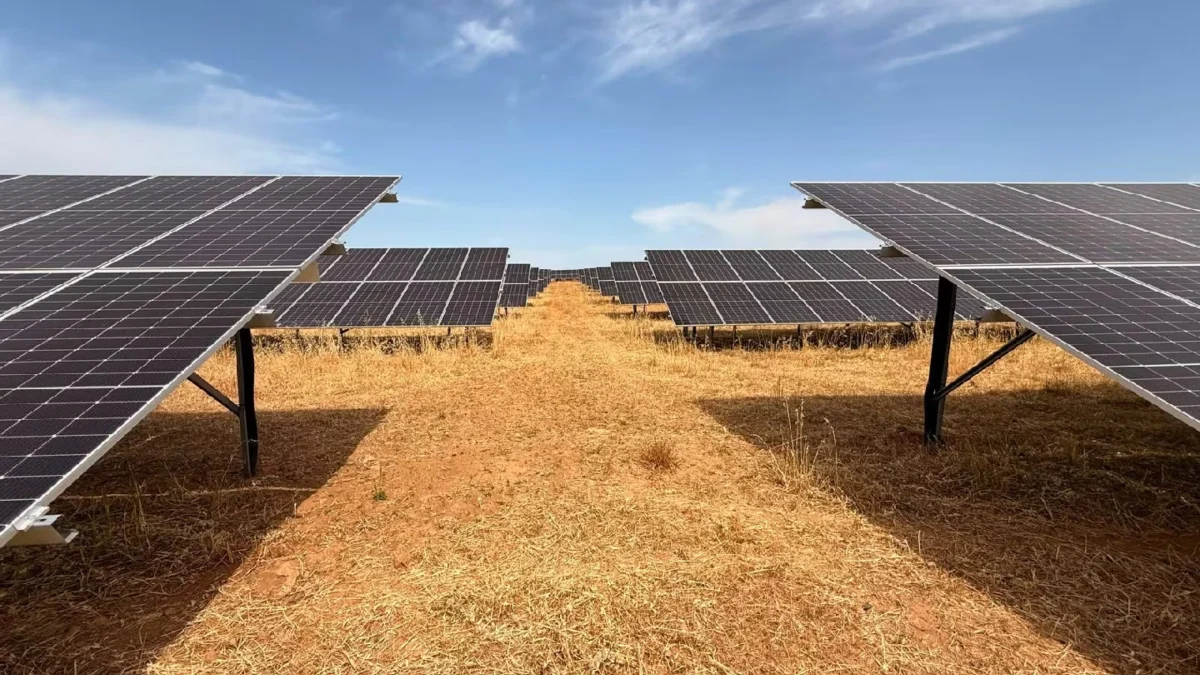
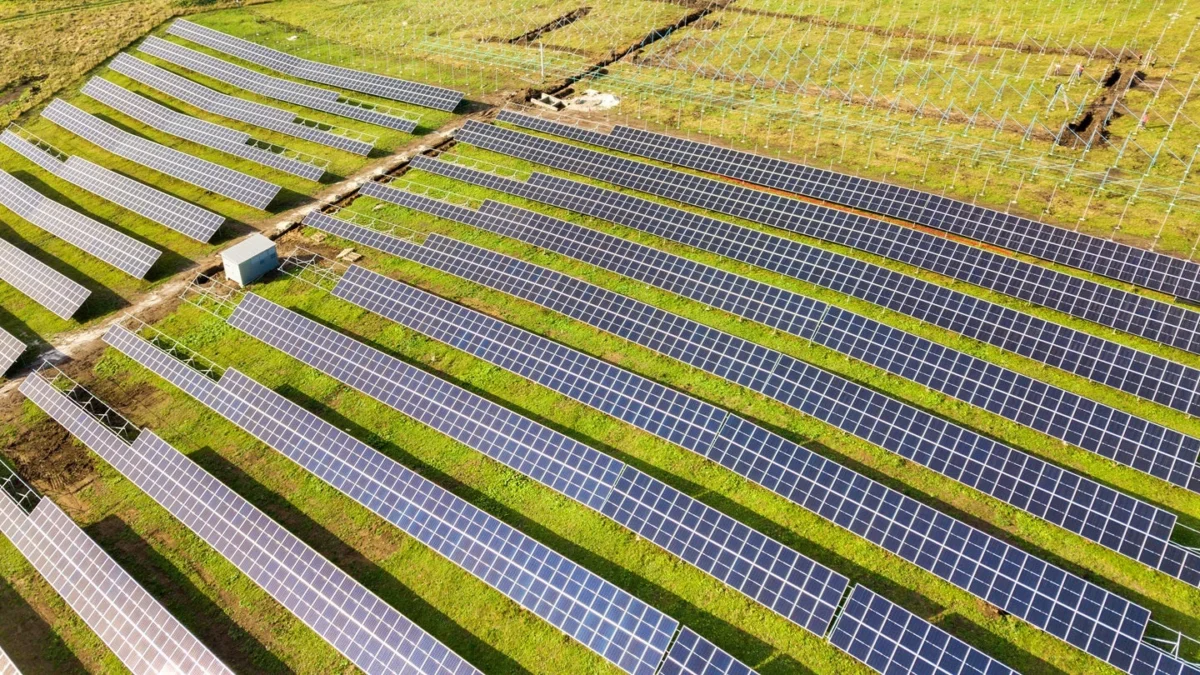
For China, the urgency is driven by the sheer scale of its "Dual Carbon" goals: peaking emissions before 2030 and achieving carbon neutrality by 2060. As the penetration of variable renewable energy (VRE) increases, the grid faces unprecedented instability. Without massive, long-duration energy storage, the integration of millions of gigawatts of wind and solar would lead to massive curtailment—essentially wasting clean energy because the grid cannot absorb it. PSH provides the necessary frequency regulation, black-start capabilities, and peak-shaving capacity to maintain grid equilibrium.
Chronology: A Decade of Rapid Acceleration
The current surge in construction activity is not a sudden phenomenon but the culmination of a decade-long policy shift.
- 2014–2016: The National Energy Administration (NEA) begins identifying high-potential sites across central and southern China, recognizing that PSH is the most mature and cost-effective storage solution.
- 2021: The "14th Five-Year Plan" is released, explicitly mandating a massive expansion of PSH. The document sets a target of 62GW of installed capacity by 2025, with a broader goal of reaching 120GW by 2030.
- 2022–2023: A "golden era" of project approvals begins. Provincial governments, encouraged by central subsidies and streamlined permitting, fast-track environmental and geological assessments.
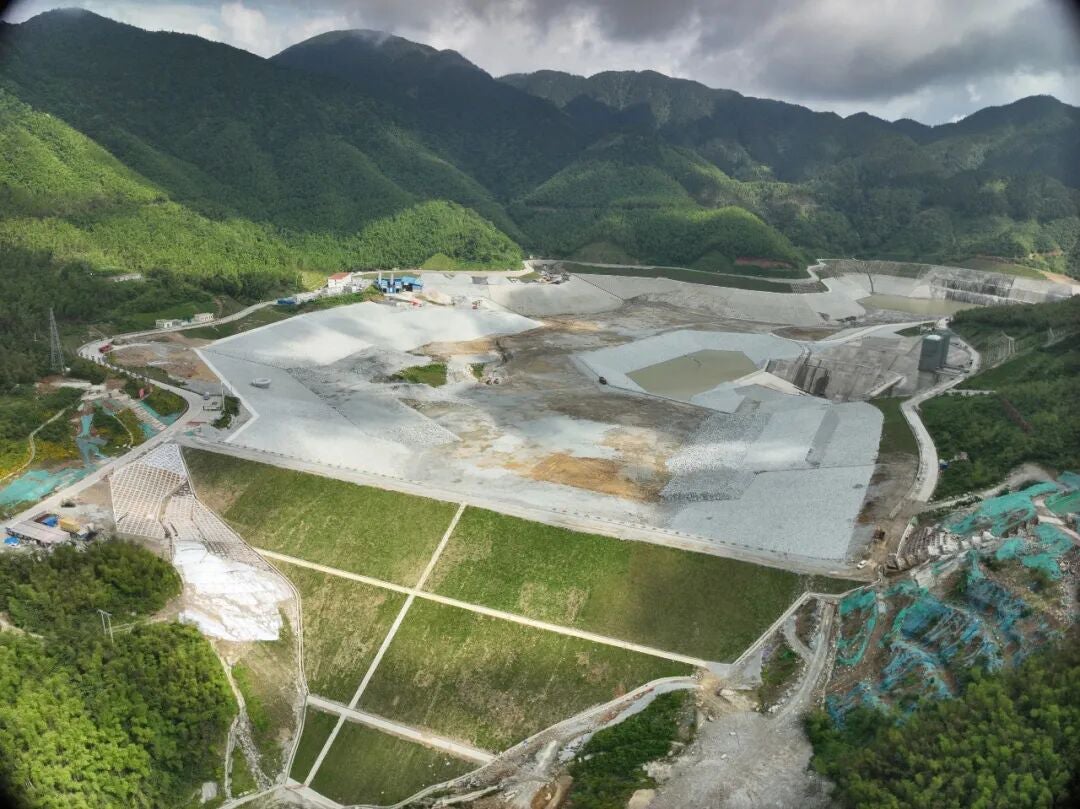
- 2024–Present: Construction shifts from the planning phase to the heavy-civil phase. Massive excavation projects, such as those seen in the Pingjiang reservoir, move into the mechanical and electrical installation stage, signaling that these plants will soon be providing real-time support to the State Grid.
Regional Case Studies: Engineering at the Frontier
The Hunan Milestone: The Pingjiang Project
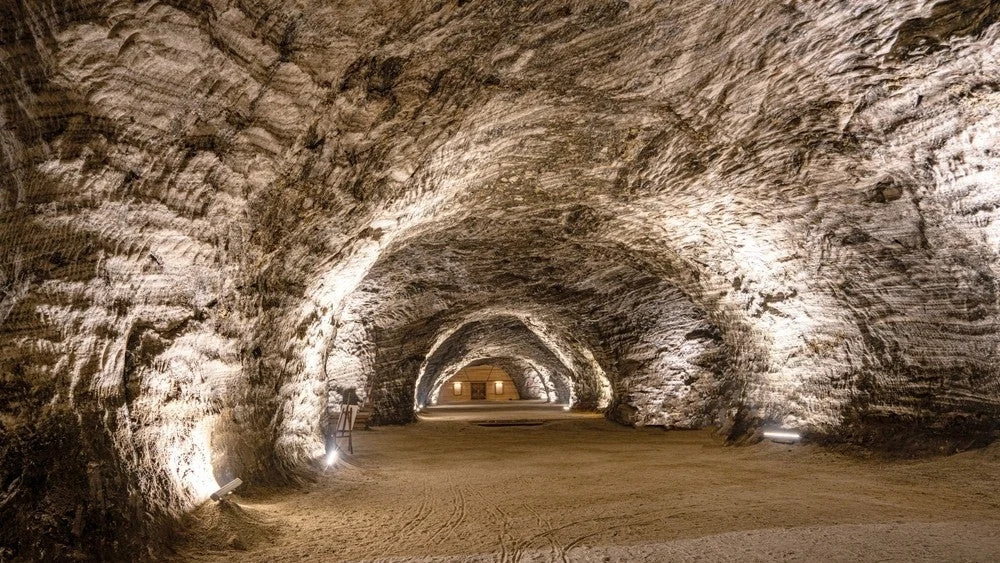
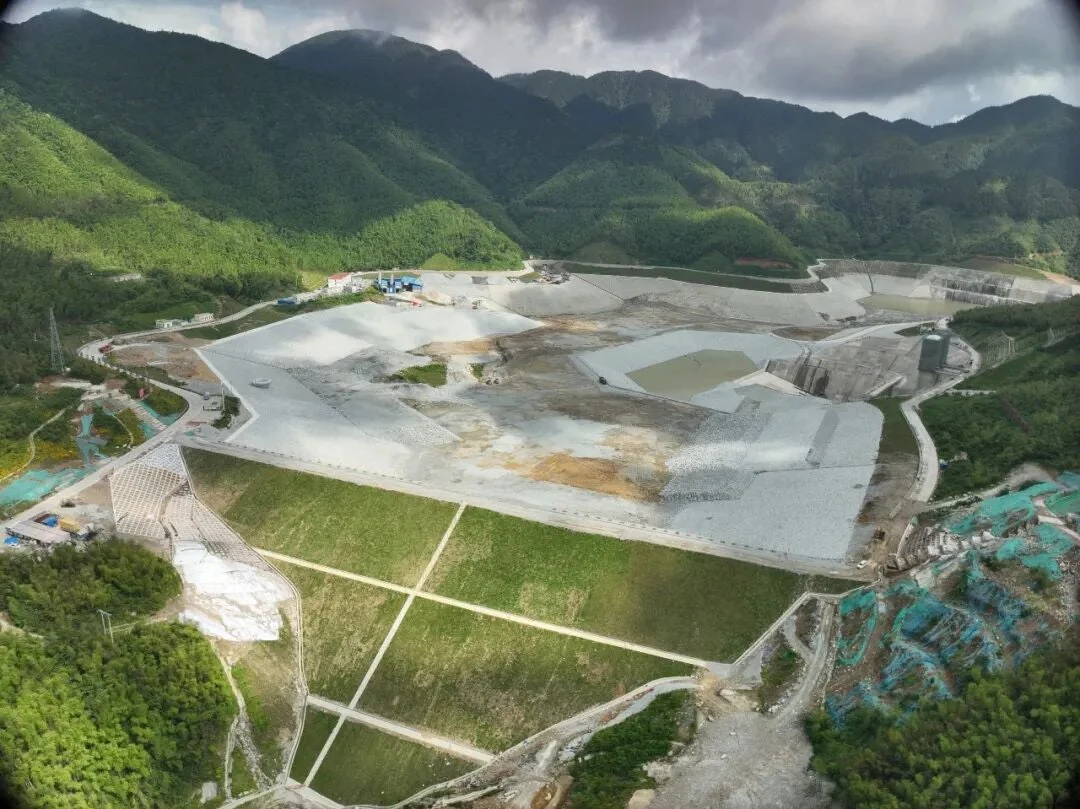
The Pingjiang pumped storage power station stands as a flagship project for the region. Situated in the mountainous terrain of Hunan, the facility is designed to act as a crucial buffer for the central Chinese grid. Recent aerial footage reveals the massive scale of the upper reservoir, an engineering marvel constructed to withstand extreme hydraulic pressures. The China Aneng Group, a key contractor, has highlighted that the project required innovative tunneling techniques to move water through the region’s complex karst geology.
Guangxi’s Tropical Challenges
In the southern province of Guangxi, developers are contending with heavy rainfall and seismic considerations. The projects here are designed not only for grid stability but also to facilitate the integration of offshore wind energy arriving from the Beibu Gulf. The engineering teams have focused on advanced anti-seepage technology for the reservoirs, ensuring that these massive structures remain resilient over their 50-year design life.
Shandong’s Coastal Integration
Shandong, a province heavily reliant on both coal and burgeoning wind energy, is utilizing PSH to balance the high volatility of its coastal wind farms. By placing storage near major load centers, Shandong is reducing the need for long-distance transmission, effectively "bottling" renewable energy where it is generated and releasing it into the industrial heartlands of the province.
Supporting Data: The Road to 238.7GW
The forecast of 238.7GW by 2035 is based on a rigorous assessment of China’s geographic potential and energy demand growth. According to data from the China Renewable Energy Engineering Institute (CREEI), China currently has over 50GW of operational capacity, with more than 100GW currently under active construction.
- Efficiency Metrics: Modern PSH plants in China are achieving "round-trip efficiency" rates of 75%–80%. This is significantly higher than alternative long-duration storage technologies like hydrogen or compressed air.
- Economic Viability: The cost per kilowatt-hour of PSH is consistently falling as economies of scale take hold. Standardized designs for pump-turbines have reduced the lead time for mechanical components, which were previously the bottleneck for project completion.
- Investment Flows: Billions of yuan are being directed through state-owned enterprises (SOEs) like the State Grid Corporation of China (SGCC) and China Southern Power Grid (CSG), ensuring that capital costs do not hinder project progress.
Official Responses and Strategic Outlook
Government officials have consistently emphasized that pumped storage is not just a technological preference, but a "national security necessity." During a recent energy summit in Beijing, representatives from the NEA underscored that "the grid cannot be considered green until it is stable."
The state’s strategy involves a three-pronged approach:
- Standardization: Developing "plug-and-play" designs for underground powerhouses to speed up construction cycles.
- Market Integration: Implementing new pricing mechanisms that allow PSH operators to earn revenue from both capacity payments and electricity arbitrage, ensuring the financial sustainability of the projects.
- Digitalization: Integrating AI-driven predictive maintenance to monitor the structural integrity of the reservoirs and the operational efficiency of the pump-turbines in real-time.
However, the rapid pace of development is not without its critics and challenges. Environmental advocacy groups have raised concerns regarding the ecological impact of creating large reservoirs in mountainous regions, particularly concerning biodiversity loss and local water table disruption. The Chinese government has responded by incorporating "Green Mine" and "Eco-Reservoir" requirements into all new contracts, mandating reforestation and habitat restoration around project sites.
Implications for the Global Energy Transition
The implications of China’s pumped storage buildout extend far beyond its borders. First, China is creating a massive industrial supply chain for hydro-mechanical components—turbines, pumps, and specialized valves—that will likely become the global standard, potentially lowering costs for other nations looking to build their own storage infrastructure.
Second, China’s experience serves as a roadmap for the Global South. Nations in Southeast Asia, Africa, and South America are observing the Chinese model to understand how to integrate high levels of wind and solar into developing grids without resorting to excessive fossil fuel-based backup.
Finally, the sheer scale of this project highlights a fundamental truth about the energy transition: it is as much about civil engineering and physical infrastructure as it is about software and battery chemistry. While the world is mesmerized by the rise of lithium-ion technology, the "old-fashioned" gravity-based storage of water remains the backbone of the grid.
The Road Ahead
As 2035 approaches, the focus will likely shift from pure capacity expansion to grid synchronization. The next generation of PSH projects will likely feature variable-speed pump-turbines, which offer faster response times and even better grid stabilization than the fixed-speed turbines currently in use.
In conclusion, China’s aggressive pursuit of pumped storage is a calculated move to de-risk its energy transition. By betting on the reliability of geography and gravity, the country is building a resilient foundation that will allow it to phase out coal-fired generation at a pace that few other nations can match. The milestones in Hunan, Guangxi, and Shandong are not just isolated construction sites; they are the pillars of a new, electrified future. As these projects come online, they will provide the "breathing room" the grid needs to absorb the next wave of renewable energy, proving that in the race to net-zero, the most effective tools are often the ones that have been with us for a century.