Dutch marine engineering powerhouse Boskalis has announced a significant contract win that cements its role in the development of the Zeevonk Offshore Wind Farm, a massive 2GW renewable energy project located in the Dutch North Sea. The contract, awarded by the Zeevonk joint venture—a strategic partnership between Swedish energy giant Vattenfall and Copenhagen Infrastructure Partners (CIP)—marks a pivotal step in the Netherlands’ transition toward a carbon-neutral power grid.
While the exact financial terms remain commercially sensitive, Boskalis confirmed that the value of the deal sits within a range of €50 million to €150 million ($56.7m to $170m), reflecting the scale and technical complexity of the subsea infrastructure required for the project.
Project Scope: Connecting the North Sea’s Future
The Zeevonk Offshore Wind Farm is situated approximately 45 nautical miles (roughly 83 kilometers) north-west of IJmuiden. As one of the most ambitious renewable energy initiatives in the Netherlands, the project is structured in two distinct phases, each designed to provide roughly 1GW of capacity. The contract awarded to Boskalis specifically covers the first phase, which is currently on track to achieve commercial operation by 2029.
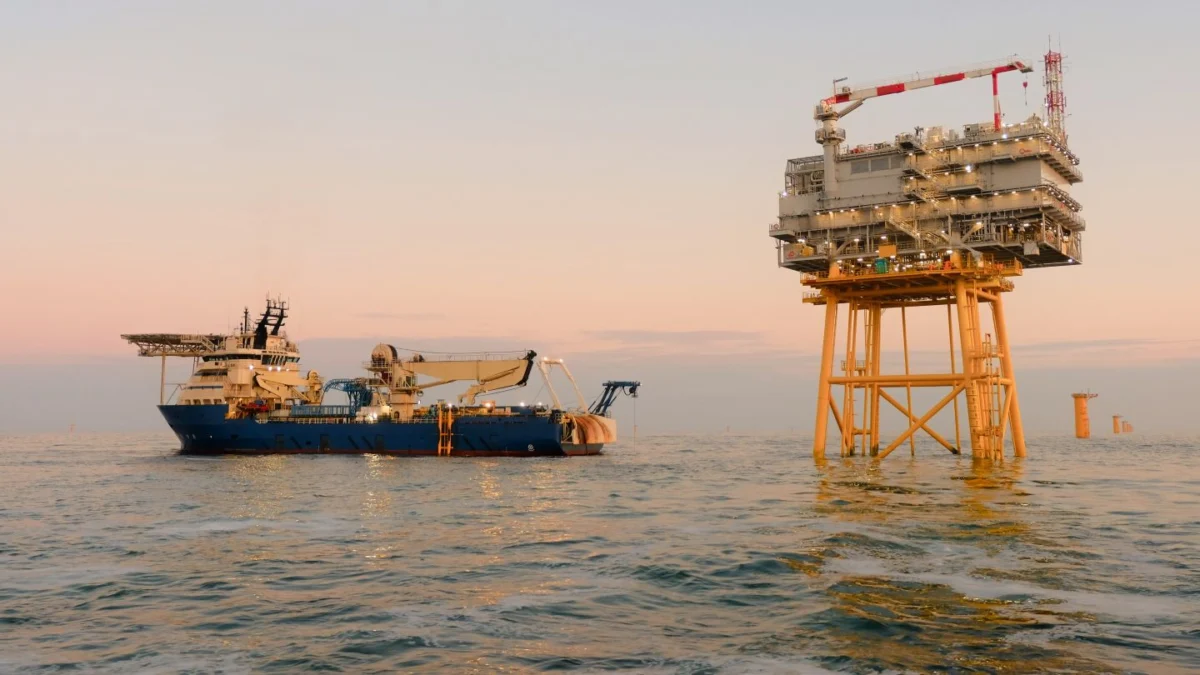
The technical mandate for Boskalis is extensive. The company is tasked with the transport and installation of approximately 149 kilometers of 66kV inter-array cables. These high-voltage cables serve as the "nervous system" of the wind farm, linking 69 individual offshore wind turbines to the offshore substation, ensuring that the electricity generated by the turbines is efficiently collected and transmitted to the onshore grid.
Beyond the installation itself, Boskalis will provide a comprehensive suite of services, including:
- Termination and Testing: Ensuring the integrity and electrical efficiency of the cable connections.
- Cable Protection Systems (CPS): Installing specialized systems to safeguard the cables from environmental hazards and anchor strikes.
- Seabed Intervention: Utilizing specialized subsea rock installation vessels to prepare the seabed, ensuring that the cables are stable and properly buried to avoid future damage.
- Surveying: Conducting detailed pre-installation surveys to map the terrain and mitigate geotechnical risks.
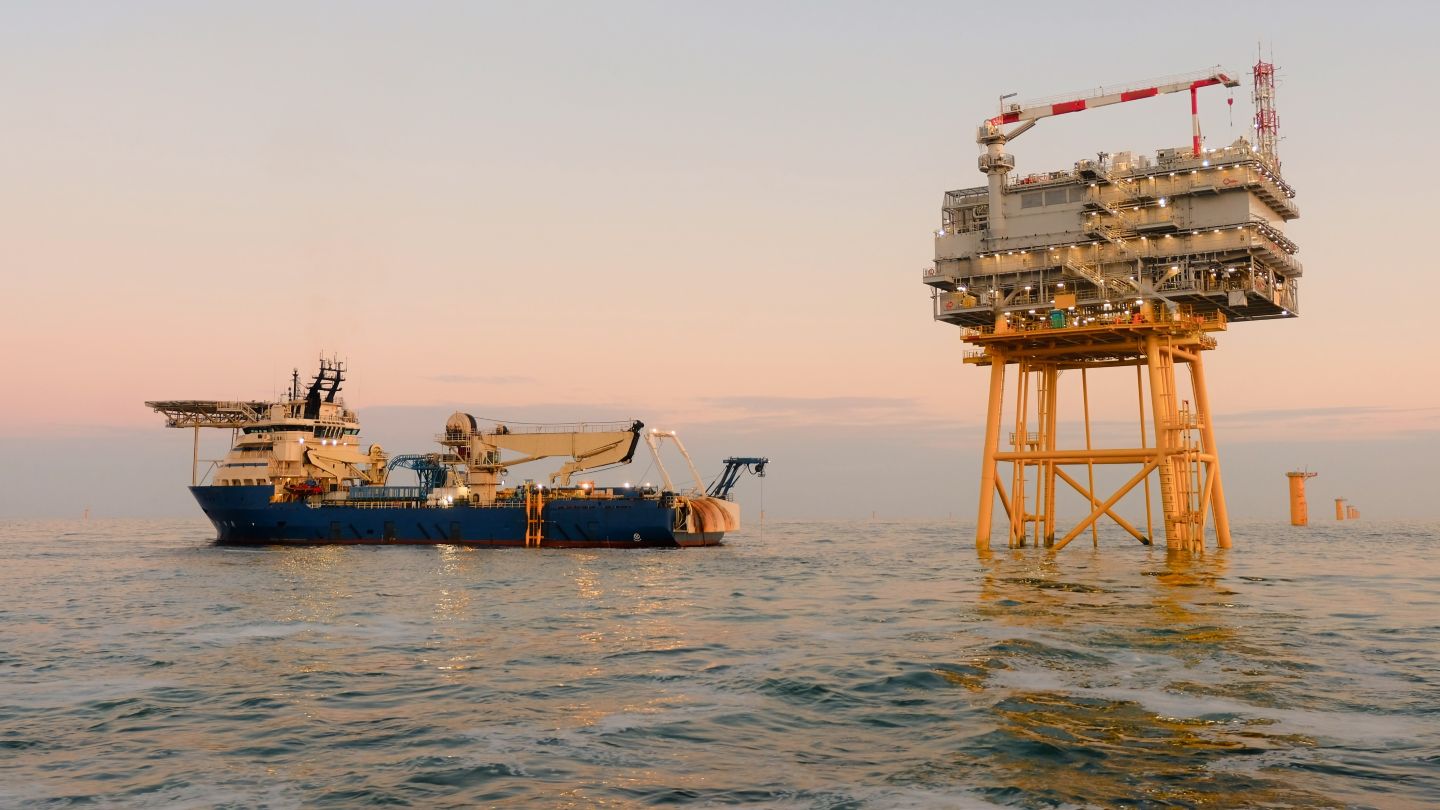
The logistics chain for the project will be centered in the Netherlands, with the cables expected to be transported from a facility in Eemshaven before being deployed at sea using the BOKA Ocean, one of Boskalis’ flagship cable-laying vessels.
Chronology of Development
The timeline for the Zeevonk project reflects the fast-paced nature of modern offshore wind development, where meticulous planning must coincide with tight construction schedules to meet European climate targets.
- Project Inception: The Zeevonk project was conceived as a cornerstone of the Dutch government’s offshore wind roadmap, designed to help meet the surging demand for electricity in the industrial heartland of the Netherlands.
- Joint Venture Formation: Vattenfall and Copenhagen Infrastructure Partners (CIP) combined their expertise to form the Zeevonk JV, leveraging Vattenfall’s operational history in the North Sea and CIP’s prowess in financing and developing large-scale renewable infrastructure.
- Contractual Phase (2026): Throughout late 2026, the JV finalized its primary supply chain partners. The selection of Boskalis was a critical milestone in securing the necessary marine engineering capacity for the project.
- Engineering and Preparation (2026–2028): Following the contract award, Boskalis will commence immediate engineering work, including route optimization, permit coordination, and vessel mobilization planning.
- Offshore Installation (2029): The primary offshore campaign is slated for 2029, coinciding with the broader construction timeline of the wind farm infrastructure.
- Commercial Operation (2029/2030): Full commissioning of phase one is expected to follow shortly after the completion of the cable installation, contributing significantly to the Dutch national grid.
Supporting Data and Strategic Context
The offshore wind sector in Europe is currently experiencing a period of intense growth, driven by the dual pressures of energy security and the urgent need to decarbonize. The Zeevonk project is not an isolated development but rather part of a broader shift in the European energy landscape.
Market Demand
The rise in global energy consumption, coupled with the European Union’s goal to achieve climate neutrality by 2050, has created an unprecedented demand for specialized maritime assets. Boskalis, anticipating this trend, has been aggressively upgrading its fleet. In May 2026, the company announced a significant investment in a new 24,000-ton cable-laying vessel. This move was specifically designed to address the "bottleneck" currently faced by the offshore wind industry: the limited availability of high-capacity, high-precision vessels capable of handling the next generation of large-scale subsea cabling.
Technical Challenges
Installing 149km of 66kV cable in the North Sea is a feat of engineering that requires significant expertise. The North Sea is known for its challenging weather conditions, strong currents, and shifting seabed morphology. The use of the BOKA Ocean and subsea rock installation vessels highlights the reliance on advanced, multi-purpose vessels that can operate effectively in these harsh environments while maintaining the high safety and environmental standards required by European regulators.
Official Perspectives and Industry Implications
The partnership between the Zeevonk JV and Boskalis is being viewed as a gold-standard collaboration in the offshore wind industry. By selecting an established local partner with deep technical knowledge of the Dutch North Sea, Vattenfall and CIP are mitigating project risks.
For Boskalis, this contract is a strategic win that reinforces its market leadership. While the company has historically been known for its dredging operations, its successful pivot toward offshore energy—specifically cabling and foundation installation—has allowed it to capture a significant portion of the value chain in the renewable sector.
"The Zeevonk project represents the future of energy production in the Netherlands," said an industry analyst familiar with the deal. "By combining the financial backing of CIP, the operational pedigree of Vattenfall, and the technical execution of Boskalis, the project is well-positioned to avoid the cost overruns that have plagued other offshore wind projects in recent years."
The Broader Implications for the Dutch Energy Transition
The success of the Zeevonk project is critical to the Dutch government’s ambitious "IJmuiden Ver" offshore wind area plans. By providing 2GW of power, the project will displace a substantial amount of fossil-fuel-based generation, directly contributing to a reduction in carbon emissions and decreasing the Netherlands’ reliance on imported gas.
Furthermore, the project serves as a case study for the integration of offshore wind into the broader energy system. The focus on high-voltage 66kV technology is particularly noteworthy; as wind turbines become larger and more powerful, the industry is shifting toward higher voltage systems to reduce electrical losses and improve the efficiency of power transmission over long distances.
Economic Impact
Beyond the environmental benefits, the project is a driver of economic activity in the maritime cluster. The use of the Eemshaven facility as a staging ground highlights how offshore wind projects act as catalysts for regional port development, creating jobs in logistics, vessel management, engineering, and maintenance.
Looking Ahead
As the 2029 deadline approaches, the industry will be watching the Zeevonk project closely. The successful deployment of the cabling infrastructure will serve as a bellwether for the feasibility of large-scale, multi-phase offshore developments. If delivered on time and within budget, the Zeevonk model—characterized by strategic JVs and early-stage engagement with specialized marine engineering firms—is likely to become the template for future North Sea projects.
In conclusion, the partnership between Boskalis and the Zeevonk JV is a testament to the maturation of the offshore wind sector. Through a combination of strategic investment, advanced technical capability, and long-term project planning, the stakeholders involved are ensuring that the North Sea remains at the forefront of the global energy transition. As the BOKA Ocean prepares to head out to sea in the coming years, it will carry not just cables, but the hopes of a region committed to a sustainable, renewable future.