In a significant stride toward stabilizing South Africa’s volatile national power grid, a consortium led by global energy giant TotalEnergies has officially inaugurated the Hydra project, a cutting-edge hybrid renewable energy facility in the Northern Cape. The project, which integrates large-scale solar photovoltaic (PV) generation with advanced Battery Energy Storage Systems (BESS), represents a critical milestone in the nation’s ongoing effort to mitigate chronic electricity shortages and transition toward a sustainable, low-carbon energy future.
The Hydra project is not merely an infrastructure development; it is a tactical response to the energy crisis that has hampered South African industrial growth for over a decade. By coupling solar capacity with sophisticated storage, the consortium is addressing the "intermittency challenge"—the fundamental hurdle of renewable energy that necessitates consistent, reliable power delivery even when the sun is not shining.
Main Facts: A Technical Overview of the Hydra Facility
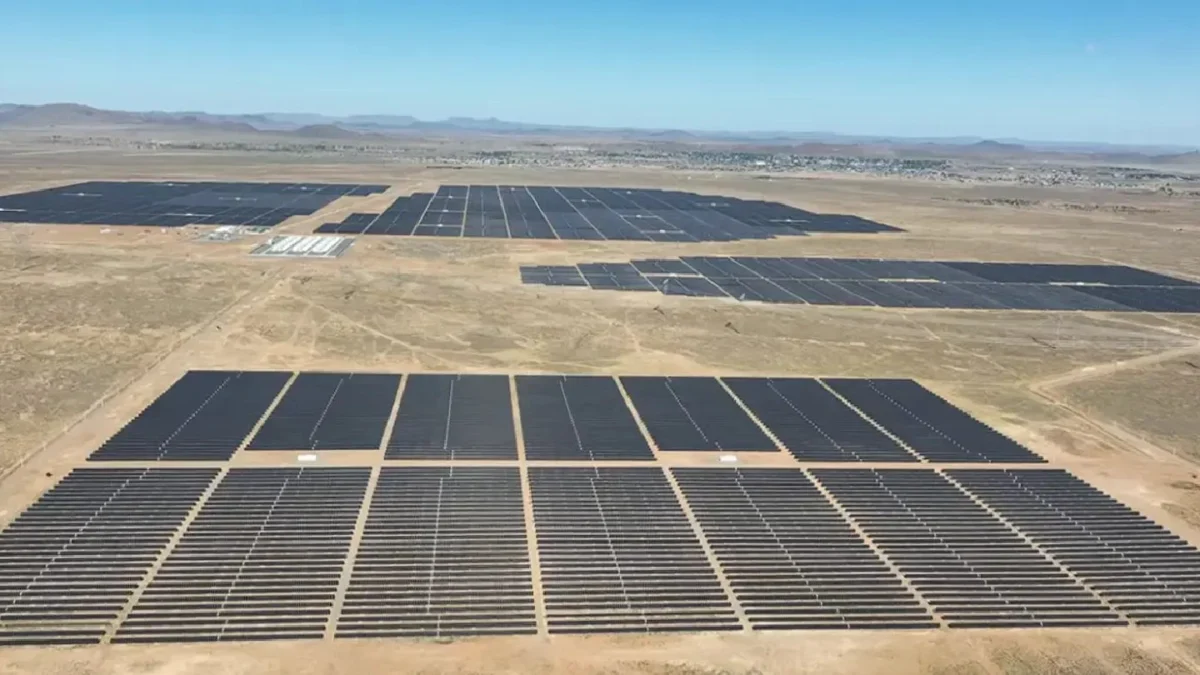
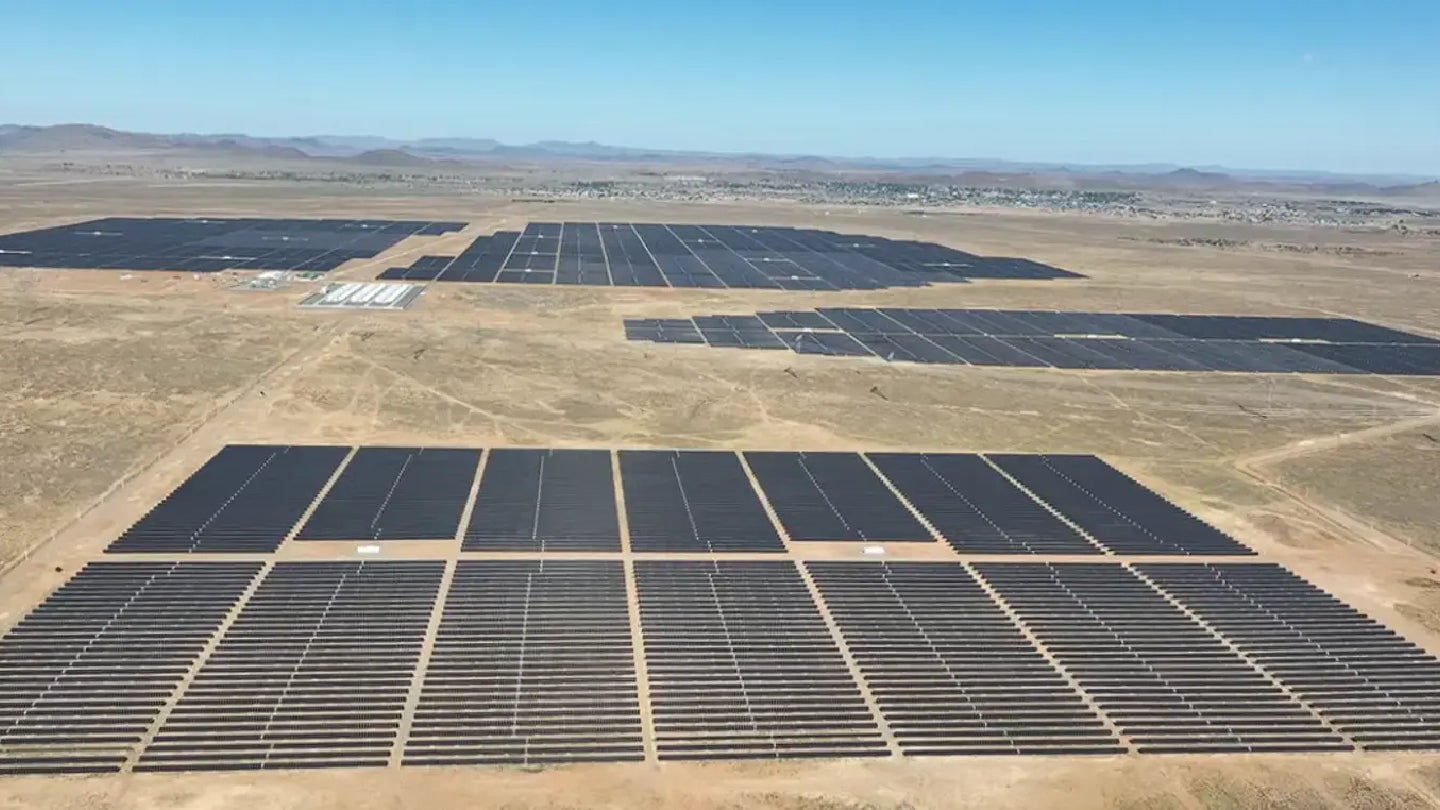
The Hydra project stands as a testament to modern engineering capabilities in the renewable sector. Strategically located in the Northern Cape—a region renowned for its high solar irradiance—the facility is designed to function as a dispatchable power plant.
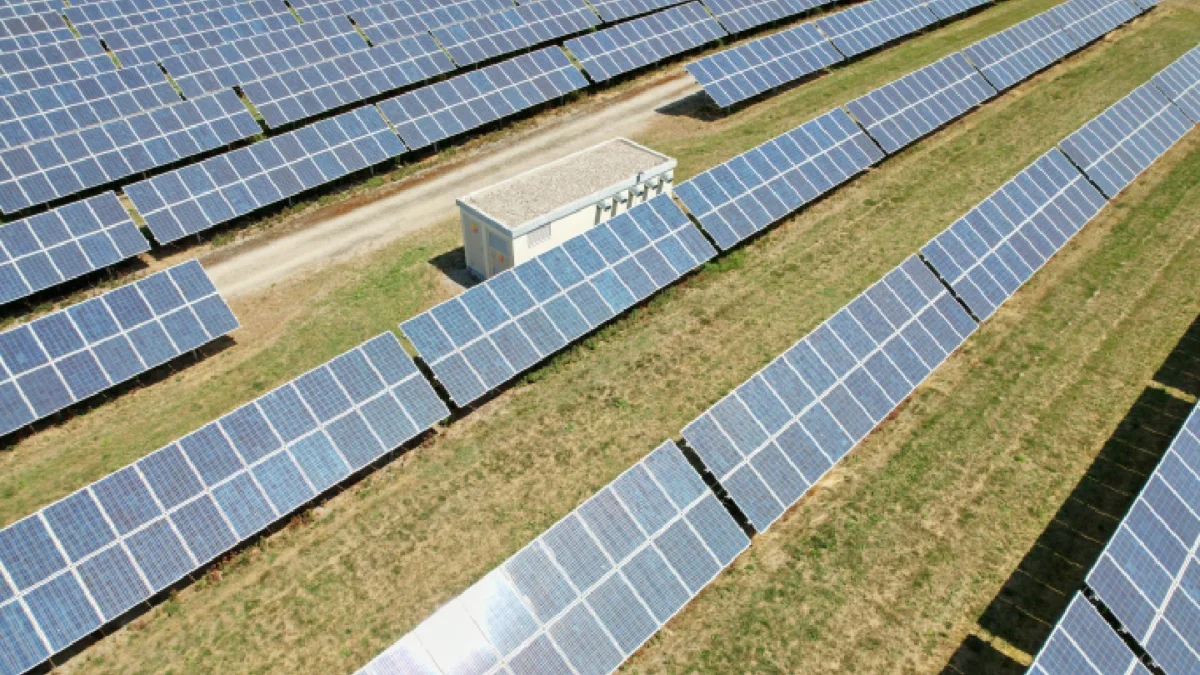
- Solar PV Capacity: The facility features a 216MW solar photovoltaic plant, utilizing thousands of high-efficiency panels to capture maximum solar energy.
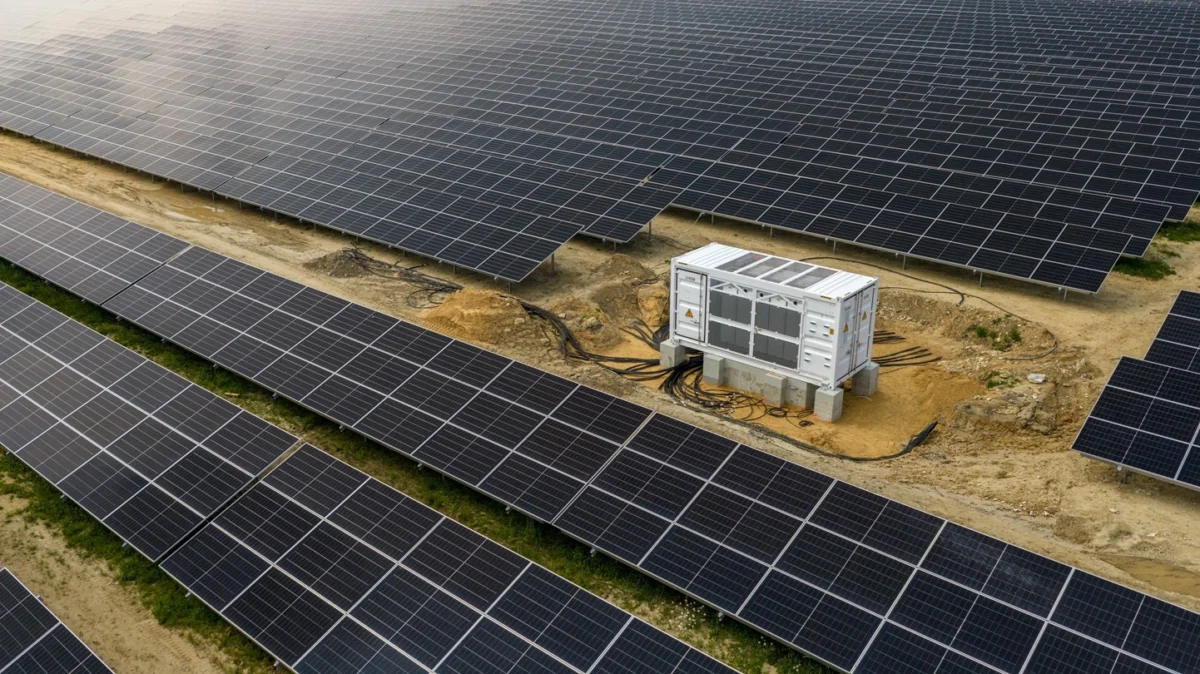
- Storage Capacity: Integral to the plant is a 500MW-hour Battery Energy Storage System (BESS), which acts as the project’s backbone, allowing the facility to store excess energy generated during peak daylight hours and release it during high-demand evening and morning windows.
- Dispatchable Power: Under a 20-year Power Purchase Agreement (PPA) with the state utility Eskom, the project is committed to supplying 75MW of firm, dispatchable electricity to the national grid.
- Impact Metrics: The consortium estimates that the Hydra project will deliver upwards of 400 gigawatt-hours (GWh) of clean electricity annually. This output is calculated to be sufficient to meet the yearly power requirements of approximately 200,000 South African households, effectively easing the burden on the strained Eskom grid.
- Ownership Structure: The project is a collaborative venture featuring a tripartite partnership: TotalEnergies (35%), Hydra Storage Holding (35%), and Reatile Renewables (30%).
Chronology: From Concept to Commissioning
The journey to the Hydra project’s commissioning is rooted in South Africa’s broader regulatory evolution regarding energy procurement.
The Genesis: The Risk Mitigation Independent Power Producer Procurement Programme (RMIPPPP)
The Hydra project was born out of the Department of Mineral Resources and Energy’s (DMRE) Risk Mitigation Independent Power Producer Procurement Programme. Faced with rolling blackouts—locally known as "load shedding"—the South African government initiated the RMIPPPP to urgently secure new generation capacity that could provide "dispatchable" power. Unlike traditional intermittent renewable projects, the RMIPPPP specifically sought bids that could guarantee supply during grid emergencies.
Development and Financial Close
Following the tender process, the consortium worked through the complexities of regulatory approvals, environmental impact assessments, and land acquisition. The Northern Cape was selected due to its optimal solar conditions and existing grid connection infrastructure. Throughout 2023 and 2024, the site saw massive civil works, including the installation of the PV arrays and the sophisticated lithium-ion battery banks required for the 500MWh storage system.
Inauguration and Grid Integration
The final commissioning marks the successful transition from construction to operations. In mid-2026, the facility synchronized with the national grid, marking a successful delivery against the project’s contractual milestones. The integration process involved rigorous testing of the BESS-to-grid interface to ensure that the 75MW output can be adjusted instantaneously based on grid frequency and demand signals from the national system operator.
Supporting Data: Economic and Environmental Context
The significance of the Hydra project is best understood when contextualized within the broader South African energy market. South Africa remains one of the world’s most carbon-intensive economies, heavily reliant on a fleet of aging coal-fired power stations.
Energy Security and Economic Stability
For the South African economy, power security is synonymous with growth. Industrial sectors, particularly mining and manufacturing, have seen output curtailed by the inability of the grid to provide constant electricity. By injecting 75MW of firm power, the Hydra project acts as a buffer. While 75MW may appear modest compared to the total national demand, the dispatchability of this power—the ability to turn it on when needed—provides the system operator with a vital tool to prevent load shedding.
Scaling the Transition
The Hydra project is a case study in "Just Energy Transition." The initiative is not merely about replacing coal; it is about replacing it with technologies that offer the same reliability. The cost of BESS has declined rapidly over the last five years, making projects like Hydra financially viable. The inclusion of local partners like Reatile Renewables underscores a commitment to Broad-Based Black Economic Empowerment (B-BBEE), ensuring that the economic benefits of the energy transition are distributed within the local economy.
Official Responses and Strategic Vision
The leadership involved in the project has emphasized that Hydra is just the beginning of a broader strategy for the region.
Magali Pailhé, Managing Director of TotalEnergies Southern Africa, expressed the consortium’s enthusiasm during the inauguration ceremony: "We are delighted, together with our partners Reatile Renewables and Hydra Storage Holding, to bring the Hydra project into operation. It enables us to supply dispatchable renewable power to the South African grid, thereby strengthening the country’s energy security while decarbonizing its electricity generation. This project reinforces our renewable production capacity in South Africa, the continent’s largest power market in terms of electricity consumption."
Industry analysts note that TotalEnergies’ involvement in Hydra is part of a global shift in the company’s portfolio. With recent moves to secure massive debt financing—such as the €440 million ($501.6 million) facility for 789MW of battery projects in Germany—TotalEnergies is positioning itself as a leader in the global storage market. For South Africa, having a global player with deep technical and financial expertise is a vote of confidence in the country’s renewable energy sector.
Implications for the Future: A Blueprint for Africa?
The Hydra project serves as a blueprint for other emerging economies grappling with the dual challenge of aging infrastructure and the urgent need for decarbonization.
The Role of BESS in Grid Stability
The integration of a 500MWh battery system into a solar plant is the defining feature of this project. Future renewable projects in sub-Saharan Africa will likely follow this hybrid model. The ability to shift solar energy into the evening peak—when electricity demand typically spikes as households return home—is the "holy grail" of the energy transition. Hydra proves that this is not only possible but commercially sustainable.
Strengthening the National Grid
As the South African government continues to unbundle Eskom and liberalize the electricity market, projects like Hydra provide a model for private-sector participation. The 20-year PPA provides the long-term price certainty required for institutional investors, while the grid-stabilization services provided by the BESS offer a template for how the private sector can support the National Transmission Company.
Broader Economic Impacts
Beyond the kilowatt-hours, the Hydra project has created significant employment during the construction phase and continues to support local jobs in maintenance, site security, and technical operations. Furthermore, by reducing the reliance on diesel-powered open-cycle gas turbines (which Eskom often uses to bridge supply gaps at a massive cost to the taxpayer), the project helps stabilize the national electricity tariff over the long term.
Conclusion
The Hydra project is a landmark achievement that bridges the gap between South Africa’s coal-dependent past and its renewable-powered future. By leveraging the expertise of TotalEnergies and the local knowledge of Reatile Renewables, the project has successfully navigated the complexities of the RMIPPPP to deliver a resilient, clean, and dispatchable power source.
As South Africa moves toward its goal of net-zero emissions, the lessons learned from the Hydra project—particularly regarding battery integration and PPA structures—will be invaluable. While the road ahead for the national grid remains challenging, the successful operation of the Hydra facility serves as a beacon of progress, proving that with the right combination of technology, policy, and partnership, a secure and sustainable energy future for South Africa is well within reach.