Introduction
In a significant move that underscores the accelerating momentum of Europe’s energy transition, Enlight Renewable Energy has successfully acquired the 125MW Kukonkylä battery energy storage system (BESS) project. The project, located in Sievi, Northern Ostrobothnia, Finland, was divested by Korkia Semecon Finland Renewables—a joint venture between the global investment firm Korkia and the specialized developer Semecon.
The acquisition represents one of the largest stand-alone battery storage projects publicly announced in Finland to date. By integrating this asset into its growing European portfolio, Enlight is positioning itself at the forefront of the Nordic region’s pivot toward a flexible, renewable-heavy energy grid. As Finland continues to integrate massive amounts of wind and solar capacity, projects like Kukonkylä are no longer just supplementary—they are becoming the structural backbone of national energy security.
The Core Facts: A Strategic Acquisition
The transaction, for which financial terms were not disclosed, marks the culmination of an aggressive development cycle by the Korkia Semecon joint venture. The Kukonkylä project is classified as "ready-to-build," meaning all critical regulatory, technical, and site-access milestones have been achieved, allowing the new owner, Enlight, to move directly into the procurement and construction phases.
The facility is slated for grid connection in the first half of 2028. Once operational, it will provide critical ancillary services to the Finnish transmission system, including frequency regulation and peak-load shaving. By storing excess energy generated during periods of high wind or solar output and discharging it during demand peaks, the facility will directly mitigate the volatility inherent in renewable power generation.
Chronology of Development
The rapid advancement of the Kukonkylä site serves as a case study in modern renewable project management. The project’s timeline highlights the efficiency of the Korkia Semecon partnership:
- November 2024: Korkia formally makes the investment decision to move forward with the Kukonkylä site, identifying it as a high-potential asset due to its proximity to key grid nodes in Northern Ostrobothnia.
- Late 2024–Early 2025: The development team navigates the complex landscape of environmental permitting, land use, and grid impact studies.
- May 2025: The project officially reaches "ready-to-build" (RTB) status, a testament to the streamlined operations of the joint venture.
- August 2026: The divestment to Enlight Renewable Energy is finalized, marking a transition from the development phase to the capital-intensive execution phase.
- H1 2028 (Projected): The facility is expected to achieve commercial operation and synchronization with the Finnish transmission grid.
Strategic Implications: Why Finland?
Finland has become a hotspot for energy storage investment due to its unique geographical and systemic challenges. The Nordic country’s rapid expansion of onshore wind capacity in the north has created localized bottlenecks where generation often outpaces demand.
Bridging the Gap
The Finnish grid requires massive amounts of "flexibility assets" to handle the intermittency of wind. Without sufficient storage, utilities are often forced to curtail (turn off) wind turbines during high-wind, low-demand periods. The 125MW capacity of the Kukonkylä project acts as a giant buffer, absorbing that surplus power and ensuring it can be used when the wind dies down, thereby maximizing the return on investment for other renewable assets in the region.
The European Context
For Enlight, this acquisition is not an isolated event but part of a broader strategy to solidify its footprint in the European market. As European Union mandates for decarbonization tighten, energy companies are shifting away from baseload fossil fuel plants toward decentralized, digital, and storage-integrated grids. Enlight’s ability to secure a project of this magnitude in the Finnish market indicates high confidence in the regulatory environment and the long-term profitability of the Nordic power market.
Insights from Leadership
The transaction has drawn positive commentary from both sides of the table, highlighting the collaborative nature of the deal.
Pauli Mäenpää, CEO of the Korkia Group, emphasized the necessity of utility-scale storage in the modern energy landscape. "The battery storage market is growing globally, and utility-scale storage is becoming a critical part of supporting renewable energy growth," Mäenpää stated. He noted that the global capacity for battery storage is forecast to increase by five to 15 times by 2030, a trend that Korkia identified early. "We have built an impressive portfolio of over 9GW of battery storage projects in just over three years. Kukonkylä is a prime example of what that positioning and our operating model delivers."
Adi Leviatan, CEO of Enlight, echoed the sentiment, framing the acquisition as a cornerstone for the company’s European ambitions. "Kukonkylä represents an important addition to Enlight’s energy storage portfolio in Finland and strengthens our broader European platform," Leviatan said. "Europe’s transition to a power system with a greater share of renewable generation requires storage assets that can provide flexibility at scale, and Kukonkylä is well positioned to contribute to that need."
Supporting Data: The Scale of Ambition
To understand the significance of this deal, one must look at the broader portfolios involved.
Korkia’s Operational Model
Korkia is not merely a developer but a large-scale project aggregator. Their current pipeline includes more than 160 projects spanning eight countries, with a total capacity of 15GW of renewable energy and storage. This diversified approach allows them to de-risk projects by spreading them across different regulatory regimes and climatic zones. Their success in bringing Kukonkylä from investment to RTB in just six months (Nov 2024–May 2025) demonstrates a high level of operational maturity.
The Role of Professional Advisers
The successful closure of this deal was facilitated by expert legal and financial navigation. EY-Parthenon Corporate Finance provided strategic advisory services, while HPP Attorneys managed the complex legal frameworks inherent in cross-border energy infrastructure transactions. Such advisory involvement is typical for large-scale energy deals, ensuring that the asset transfer complies with both Finnish national law and international investment standards.
Future Outlook: The Road to 2028 and Beyond
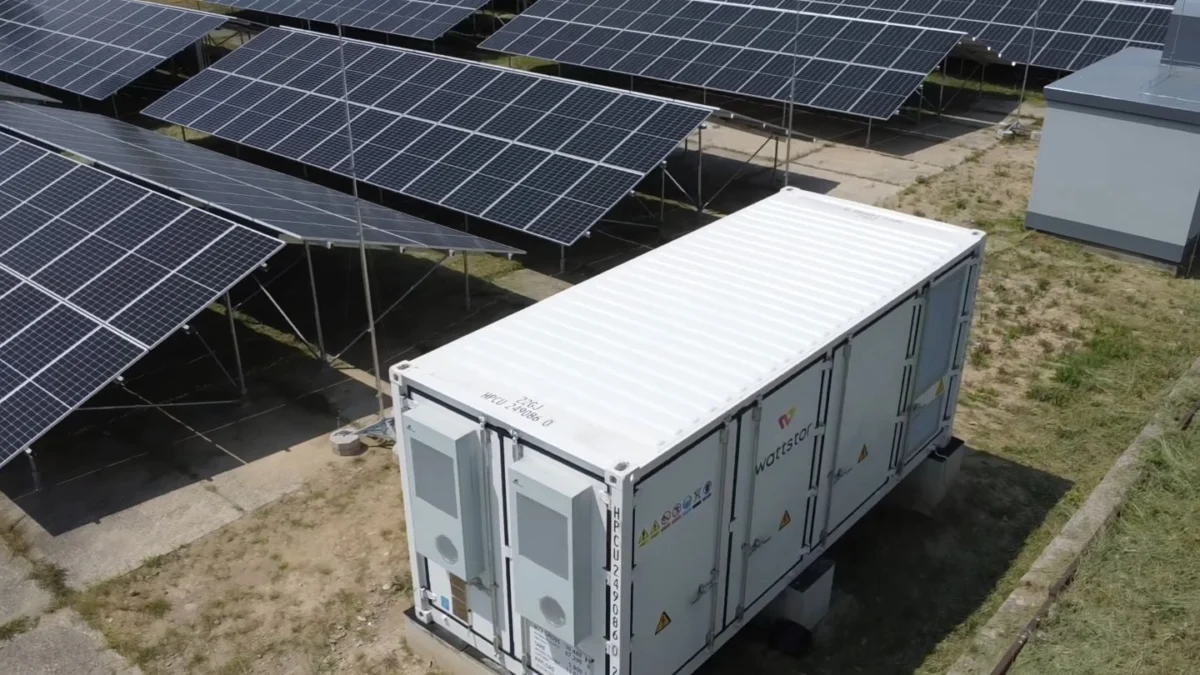
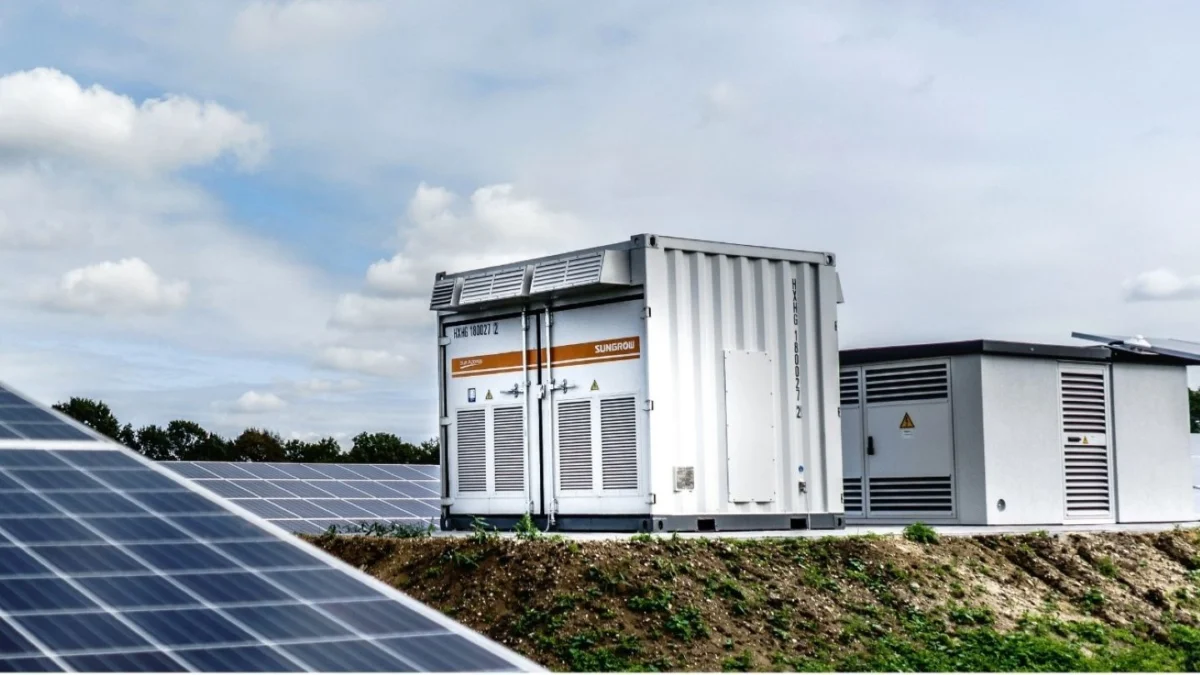
The construction phase of the Kukonkylä project will involve substantial investment in lithium-ion battery technology, power conversion systems, and energy management software (EMS). These software layers are perhaps the most critical component, as they use artificial intelligence and real-time market data to determine when to charge and discharge, optimizing the battery’s lifespan and revenue potential.
As the 2028 connection date approaches, the industry will be watching closely to see how the project integrates with the Fingrid (the Finnish transmission system operator) market. The success of Kukonkylä could serve as a blueprint for future BESS projects, proving that even in northern latitudes, renewable energy can be made "dispatchable" and reliable.
Furthermore, this acquisition signals that the consolidation phase of the renewable market has begun. Smaller, specialized developers like the Korkia-Semecon JV are successfully proving concepts and bringing them to maturity, at which point larger players like Enlight—with the balance sheet to manage multi-year construction and operational risk—step in to bring the assets to market.
Conclusion
The Kukonkylä battery storage project is more than a 125MW facility in Northern Ostrobothnia; it is a vital component in the machinery of Finland’s green energy future. By facilitating this transfer of ownership, Korkia and Enlight have ensured that the project remains on a steady path toward operational reality. As the world races toward 2030 climate goals, the marriage of wind, solar, and massive-scale battery storage, as exemplified by the Kukonkylä project, will define the next generation of the European energy sector.
The industry will look to 2028 as a benchmark year, not just for the completion of a construction project, but for the proven viability of large-scale, grid-integrated storage in the Nordic energy market. For Enlight, the future is clear: the energy transition is no longer just about generating green power—it is about managing it, storing it, and deploying it when it is needed most.