In a monumental achievement for European offshore engineering, the TM EDISON consortium—a strategic partnership between industry heavyweights Jan De Nul and DEME—has successfully concluded the foundation phase of the Princess Elisabeth Energy Island. Situated 45 kilometers off the Belgian coast in the North Sea, this artificial island represents a paradigm shift in how nations generate, store, and distribute renewable energy. With the installation of all 23 massive caissons now finalized, the project transitions from a logistical challenge into the next phase of its ambitious development, cementing Belgium’s status as a pioneer in the offshore energy transition.
Main Facts: The Anatomy of a Modern Energy Hub
The Princess Elisabeth Energy Island is not merely a platform; it is a critical piece of global energy infrastructure designed to serve as a nexus for the North Sea’s burgeoning wind energy sector. The island is being developed on behalf of Elia Transmission Belgium, the country’s high-voltage transmission system operator.
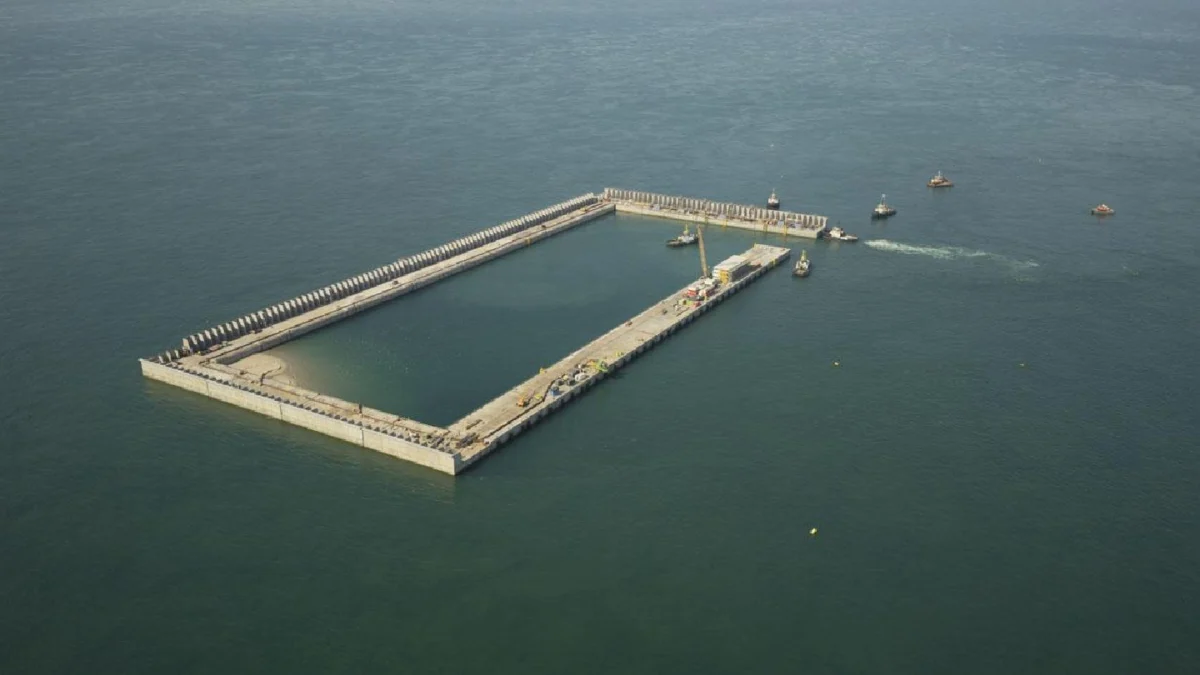
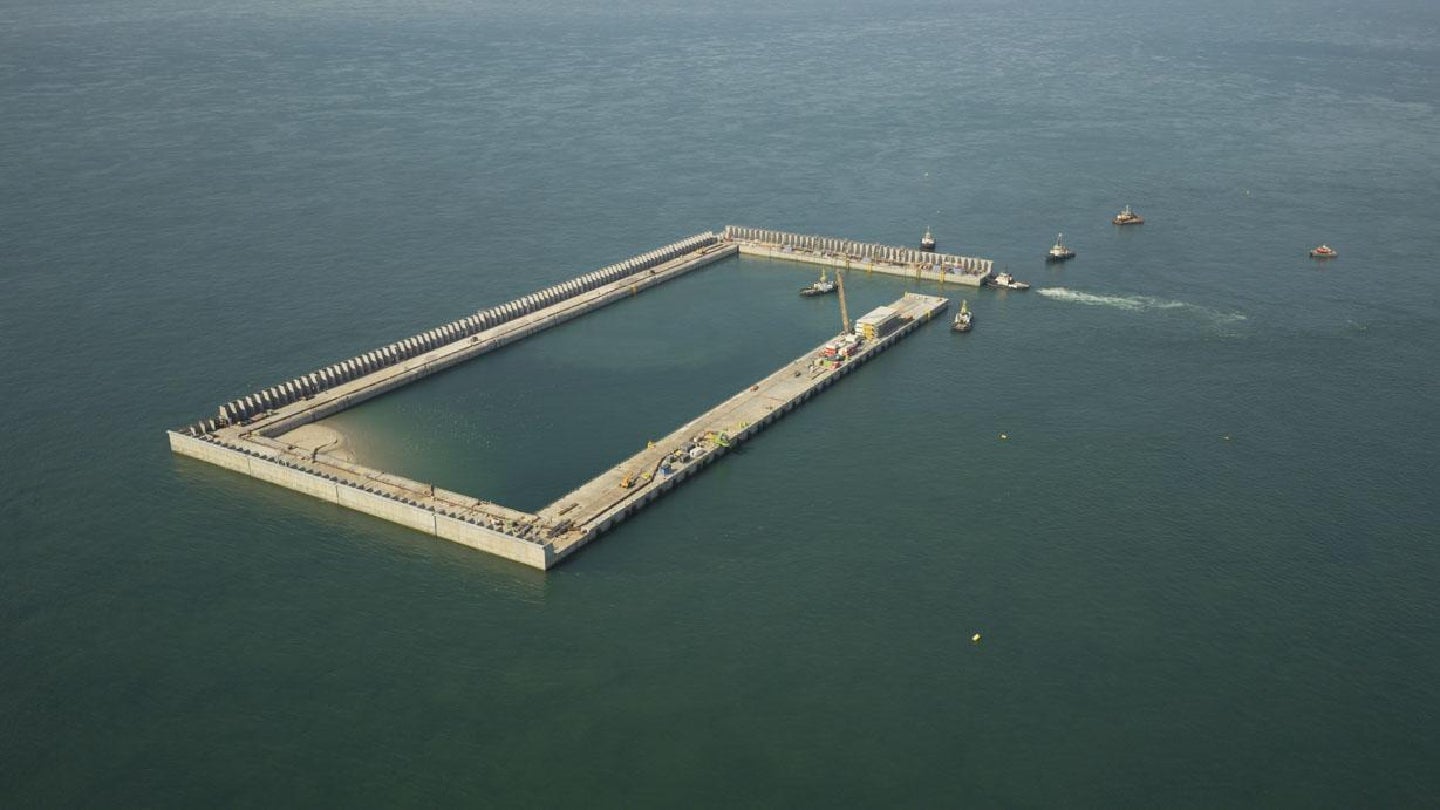
The completed foundation works, which began in 2024, now form the protective outer shell of the six-hectare facility. Each of the 23 caissons used to construct this perimeter is a marvel of maritime civil engineering. Measuring approximately 58 meters in length, 28 meters in width, and standing between 23 and 32 meters tall, these concrete behemoths each weigh roughly 22,000 tons.
The construction of these foundations was a massive undertaking in its own right, centered in Vlissingen, where a daily workforce of approximately 300 skilled professionals ensured the precision manufacturing of each unit. Once completed, these structures were transported to the North Sea site, where they were meticulously installed to withstand the harsh conditions of the open ocean.
The island’s primary function is to act as a high-voltage hub. It will collect the electricity generated by the second Belgian offshore wind zone—a massive 3.5GW capacity expansion—and convert it for transmission to the Belgian mainland. Furthermore, the island is designed to be a "multi-purpose" hub, acting as an international junction for future high-voltage direct current (HVDC) interconnectors with the United Kingdom and Denmark.
Chronology: A Timeline of Strategic Development
The journey toward the realization of the Princess Elisabeth Island is a multi-year effort, carefully mapped out to align with Europe’s broader decarbonization goals.
- 2024 (Phase 1): The project officially moved into the water with the installation of the first caisson, marking the beginning of the offshore foundation phase.
- August 2026: The installation of the 23rd and final caisson is completed, effectively sealing the outer perimeter of the island.
- Late 2026 – 2027: Ongoing operations will focus on land reclamation. The interior of the caisson structure will be filled with sand to create a stable, solid foundation for the electrical infrastructure.
- 2027–2028: The critical subsea installation phase will commence, involving the laying of high-voltage cables connecting the island to the mainland. These links will span 165 kilometers, utilizing 220kV capacity cables.
- 2029: The installation of high-voltage electrical infrastructure on the island begins, transforming the "shell" into a functional energy transmission station.
- 2031: The project is scheduled for full operational commissioning, aligning with current Belgian and European legislative targets for renewable energy integration.
Supporting Data: Infrastructure and Investment
The scale of the Princess Elisabeth Energy Island is best understood through its technical specifications and the financial framework supporting it.
Technical Specifications
- Capacity: 3.5GW (supporting the second Belgian offshore wind zone).
- Footprint: Six hectares of artificial land.
- Connectivity: 165km of total subsea cable length (220kV each).
- Caisson Specs: 23 units, ~22,000 tons each, constructed in Vlissingen.
Financial and Regulatory Context
The project has been recognized by the European Union as a project of "common interest," which has been instrumental in securing funding. Elia successfully qualified for a €99 million ($115 million) subsidy provided by the EU’s Recovery and Resilience Facility. This financial injection underscores the geopolitical importance of the project; it is not just a Belgian asset, but a cornerstone of a future integrated European power grid that aims to reduce reliance on external fossil fuel suppliers and lower energy prices through increased cross-border exchange.
Official Responses: A Milestone for Energy Independence
The successful conclusion of the foundation phase has drawn praise from both the developer and the broader energy sector. Frédéric Dunon, CEO of Elia Transmission Belgium, emphasized the dual importance of the project: technological progress and national security.
"Completing the foundation works marks a major step in developing Belgium’s offshore energy infrastructure," Dunon stated. "This island plays a crucial role not only in the energy transition but also in strengthening our energy independence. By building this hub, we are ensuring that Belgium remains at the forefront of the green revolution, creating a resilient grid that can handle the massive influx of offshore wind power."
Industry observers note that the project’s success is a testament to the "TM EDISON" consortium’s ability to manage complex logistics in the challenging environment of the North Sea. By integrating nature-inclusive design principles throughout the construction process, the consortium has also addressed environmental concerns, ensuring that the island does not merely sit in the ocean but works in tandem with the local marine ecosystem.
Implications: The Future of the North Sea
The Princess Elisabeth Energy Island represents a significant leap forward in the concept of "energy islands." Historically, offshore wind farms have been connected directly to the mainland via individual cables. As the North Sea becomes increasingly crowded with wind turbines, this model is becoming inefficient and technically difficult.
The Energy Island changes this by serving as a central aggregator. This approach allows for:
- Grid Efficiency: By centralizing the connection points, Elia can better balance the load on the high-voltage grid, minimizing energy loss and maximizing transmission stability.
- International Integration: The island is designed to be the first of many hubs that will eventually form a "North Sea Power Grid." This interconnected mesh of cables will allow electricity to flow seamlessly between the UK, Belgium, Denmark, and eventually other European nations. If Denmark has an excess of wind power, it can flow through the island to Belgium; if the UK needs to import power, the infrastructure is already in place.
- Future-Proofing: While the current scope focuses on 3.5GW, the modular design of the island allows for future expansions and technological upgrades. As battery storage and green hydrogen production technologies mature, the island could potentially house facilities to convert electricity into hydrogen at the source, further decarbonizing the industrial sector.
Environmental Stewardship
One of the most noteworthy aspects of the project is the deliberate focus on "nature-inclusive design." Recognizing that the construction of a large artificial structure can impact local biodiversity, the developers have incorporated features into the caissons and the island’s design to encourage the growth of marine life. Studies are already underway regarding the long-term impact of the structure, and the consortium is evaluating how the island might serve an environmental or research-based role long after its primary service life in the energy sector concludes.
As the project moves into the sand-filling and cable-laying phases, all eyes will remain on the North Sea. The Princess Elisabeth Energy Island is more than just a feat of engineering; it is the physical manifestation of a continent’s transition away from fossil fuels, a hub that will ultimately power millions of homes and businesses with clean, reliable, and sustainable wind energy. In the competitive race for global energy leadership, Belgium has clearly staked its claim to the future.