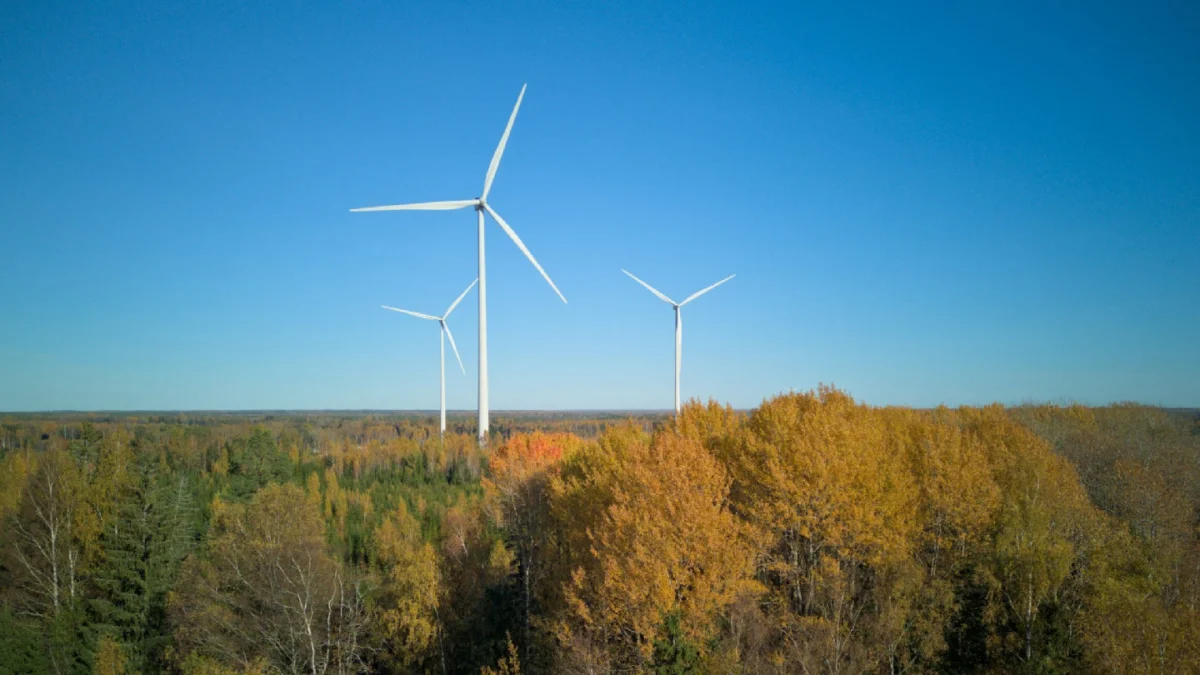
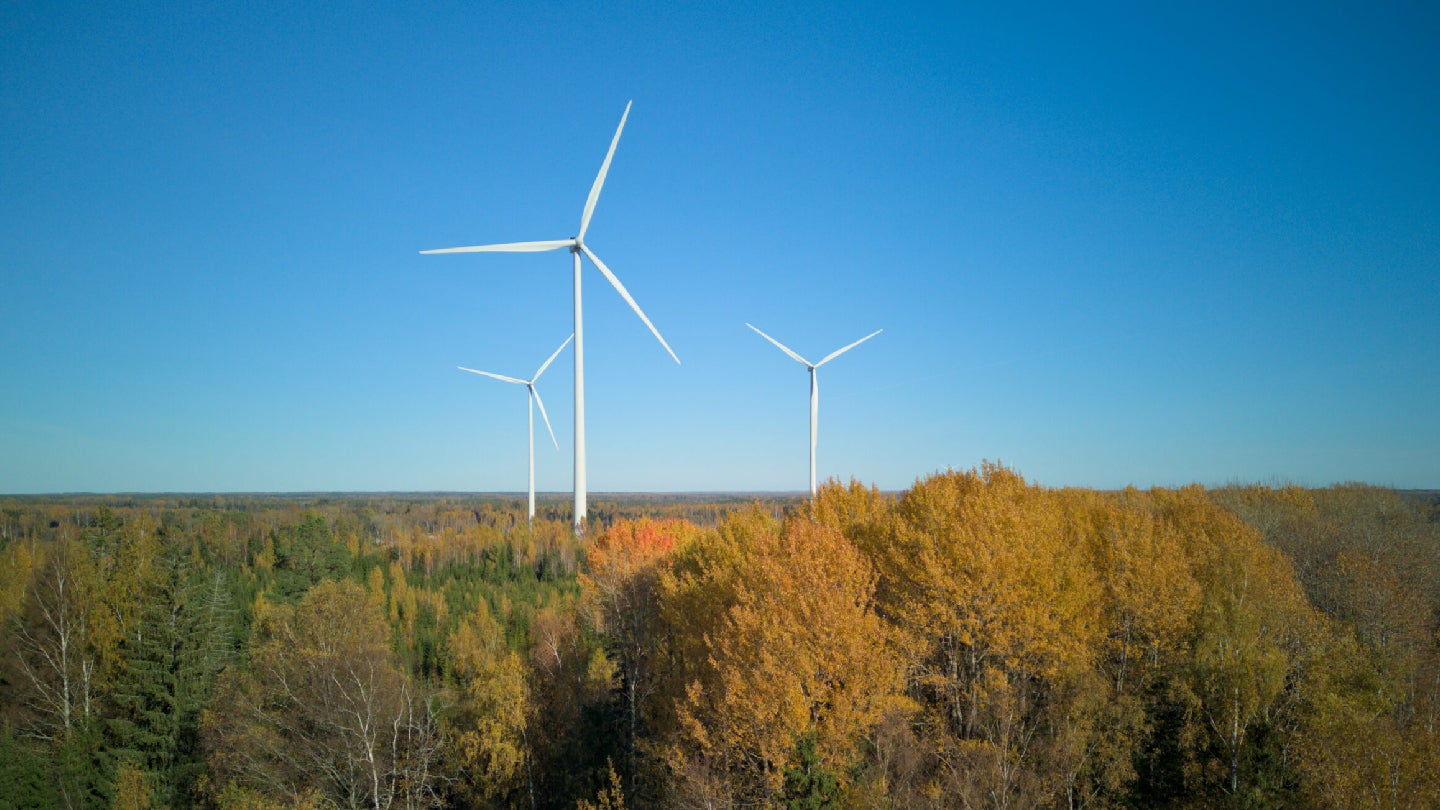
In a significant stride toward regional energy independence and decarbonization, Utilitas Wind has officially commenced construction on a pioneering hybrid renewable energy facility in the Valmiera municipality of Latvia. Situated near the village of Lode, just a stone’s throw from the Estonian border, this project represents one of the most ambitious infrastructure developments in the Baltic states, integrating large-scale wind generation with advanced battery storage technology.
The facility is poised to become a cornerstone of the regional power network, playing a vital role in balancing the energy needs of Latvia and Estonia while bolstering the broader Baltic grid against supply volatility. With an anticipated operational start date in early 2028, the Lode project is a tangible manifestation of the shift toward a sustainable, interconnected, and secure European energy landscape.
Main Facts: A Technical Overview of the Lode Hybrid Facility
The Lode wind farm and battery energy storage system (BESS) is designed as an integrated hybrid facility. By combining wind power with utility-scale storage, Utilitas Wind is addressing one of the fundamental challenges of renewable energy: intermittency.
The Wind Infrastructure
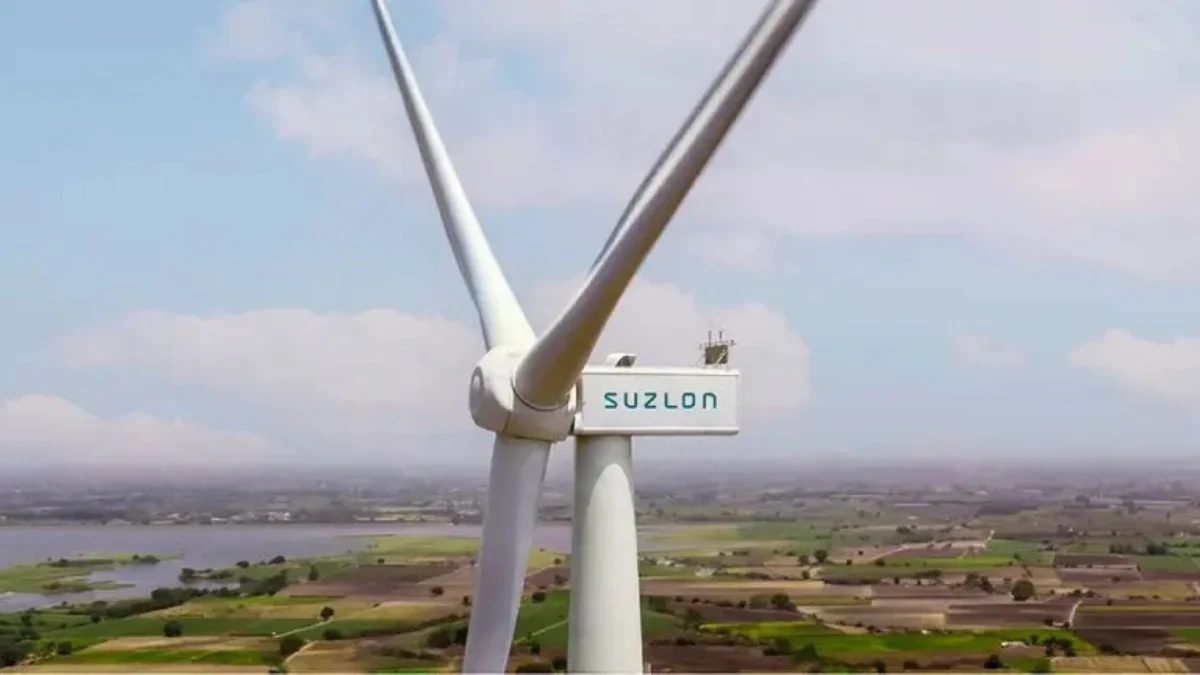
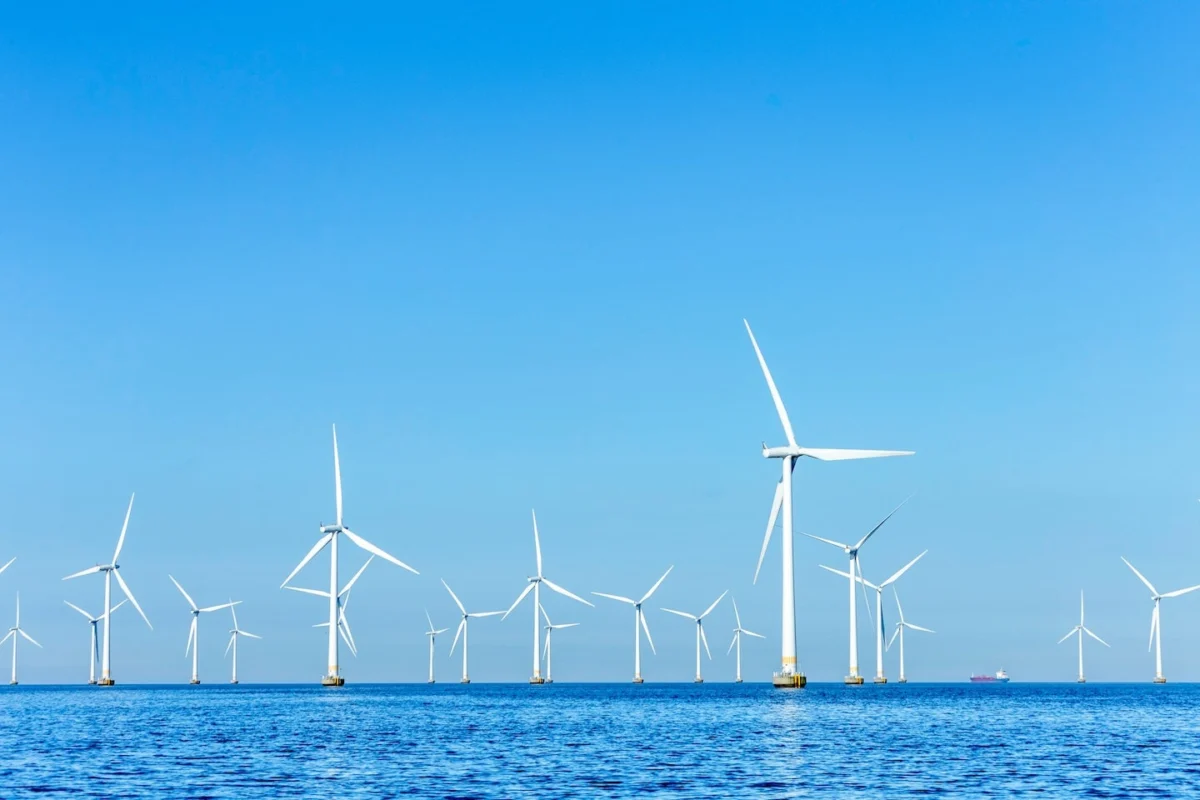
The core of the generation capacity will consist of 18 Vestas wind turbines. Each turbine boasts a capacity of 6.5MW, resulting in a total installed wind power capacity of 117MW. These high-efficiency machines are engineered to capture the robust wind resources prevalent in the Baltic region, converting them into a projected 330GWh of electricity annually. According to data provided by Utilitas, this output is sufficient to supply the yearly electricity requirements for more than 110,000 households, significantly reducing the region’s reliance on fossil-fuel-based imports.
The Battery Energy Storage System (BESS)
Complementing the wind farm is a sophisticated 60MW battery energy storage system. With an energy capacity of 240MWh, this BESS is not merely a backup; it is a critical grid-balancing tool. It will store excess energy during periods of high wind and low demand, and discharge it during peak consumption hours or when wind conditions are calm. This dual-layered approach ensures a more stable and reliable supply of clean electricity to the 330kV power grid to which the facility will be connected.
Chronology: From Concept to Construction
The development of the Lode project has been a multi-year effort characterized by meticulous planning and cross-border cooperation.
- Initial Planning and Site Selection: Identifying the site near the Estonian border was a strategic decision, allowing the facility to serve both Latvian and Estonian power markets, thereby enhancing the economic viability of the project.
- March 2025 – Strategic Expansion: As Utilitas Wind prepared for its upcoming pipeline, it signaled its long-term intent by appointing Finland-based Arenso to lead the basic design for the massive 1.2GW Saare-Liivi offshore wind project in Estonia, demonstrating the company’s technical capability and regional scale.
- Permitting and Financing: Throughout 2025 and 2026, the company navigated complex regulatory landscapes, securing support from the European Union’s Connecting Europe Facility (CEF) Energy programme. This funding is specifically earmarked for cross-border renewable initiatives that improve the integration of the European energy market.
- Mid-2026 – Finalizing the Supply Chain: Partnerships were solidified with key contractors: Verston Eesti for infrastructure (access and connection roads), Connecto Latvija for complex cabling and electrical integration, and AIMASA for the specialized task of laying the massive foundations required for the 18 turbines.
- August 2026 – Groundbreaking: Official construction activities commenced. Financing was confirmed through a consortium of top-tier financial institutions, including Swedbank, SEB Pank, and OP Corporate Bank, reflecting strong investor confidence in the project’s fiscal structure.
- 2028 – Projected Commissioning: The facility is scheduled to reach full commercial operations by early 2028.
Supporting Data: The Broader Renewable Context
To understand the significance of the Lode project, one must look at the recent performance and strategic trajectory of Utilitas. In 2025, the company produced 2.5TWh of energy, with an impressive 80% derived from renewable sources. This trajectory places Utilitas at the vanguard of the Baltic transition.
The integration of 240MWh of battery storage at the Lode site is particularly noteworthy. As the Baltic countries synchronize their power grids with Continental Europe—a process involving the decoupling from the Russian-controlled BRELL ring—the need for localized balancing services has never been greater. The Lode facility acts as a "shock absorber" for the grid. When the regional wind output spikes, the BESS can absorb the surge; when the grid faces a sudden deficit, the batteries can provide instantaneous frequency response services, preventing blackouts and stabilizing voltage levels.
The scale of the investment is reflective of the broader European trend of "hybridization." By co-locating wind and BESS, the developers optimize the use of existing grid connection points, reducing the need for costly new transmission infrastructure while maximizing the utilization rate of the connection.
Official Responses and Strategic Implications
Energy Security and Sovereignty
The geopolitical landscape of the Baltic states has turned energy security into a matter of national defense. By producing clean, local, and reliable electricity, projects like the Lode facility reduce dependence on external energy suppliers. The project’s location—straddling the Latvian-Estonian border—is intentional. It facilitates the seamless flow of energy across national boundaries, strengthening the Baltic Energy Market Interconnection Plan (BEMIP).
The Role of EU Support
The support received through the Connecting Europe Facility (CEF) underscores the European Commission’s commitment to the Baltic region. The CEF Energy programme is designed to foster the development of high-performing, sustainable, and interconnected trans-European energy networks. By funding the Lode project, the EU is investing in a blueprint for how member states can share the burden and the benefits of renewable energy deployment.
Corporate Perspective
Utilitas has stated that its primary goal is the acceleration of the green transition. By aggressively investing in new generation and storage capacity, the company is positioning itself to be a primary provider of grid-scale renewable energy for the foreseeable future. Their recent ventures, including the Saare-Liivi offshore project, indicate that the Lode development is merely one part of a larger, systemic upgrade of the Baltic energy infrastructure.
Future Outlook: The Path to 2028 and Beyond
As construction progresses through the next eighteen months, the focus will shift to the installation of the Vestas turbines and the commissioning of the BESS control software. The complexity of integrating 18 turbines with a 60MW battery array requires a sophisticated energy management system (EMS) capable of real-time market participation.
The Lode facility serves as a harbinger for the future of the Baltic power sector. As the region moves toward higher penetration of variable renewable energy (VRE), the lessons learned from the Lode hybrid project—specifically regarding grid interaction, battery degradation management, and regulatory compliance—will be invaluable.
Furthermore, the involvement of major financial institutions like Swedbank and SEB suggests that the "bankability" of hybrid renewable projects has reached a maturity point. Investors are no longer viewing wind power as a speculative venture, but as a core asset class capable of delivering long-term, stable returns while meeting stringent ESG (Environmental, Social, and Governance) mandates.
In conclusion, the Lode project is more than just a wind farm. It is a strategic asset that combines the raw power of the Baltic winds with the precision of modern battery technology. As it moves toward its 2028 launch, it promises to be a beacon of the region’s commitment to sustainability, energy independence, and technological innovation. With 110,000 households waiting to receive the benefits of this green energy, the project stands as a testament to what is possible when industry, government, and cross-border cooperation align for a common purpose.
The successful completion of the Lode facility will undoubtedly set a benchmark for future developments, proving that the Baltic states are not just participants in the European energy transition, but leaders in the design and implementation of the power systems of the future.