In a seismic shift for winter sports, the International Olympic Committee (IOC) has officially finalized the sport program for the 2030 Winter Olympic Games in the French Alps. The decision marks the conclusion of a century-long tradition, as Nordic Combined—a cornerstone of the Winter Games since their inception—has been excluded from the official program. Simultaneously, the IOC has embraced innovation, granting Olympic status to “Synchro 9,” a specialized team-based figure skating discipline.
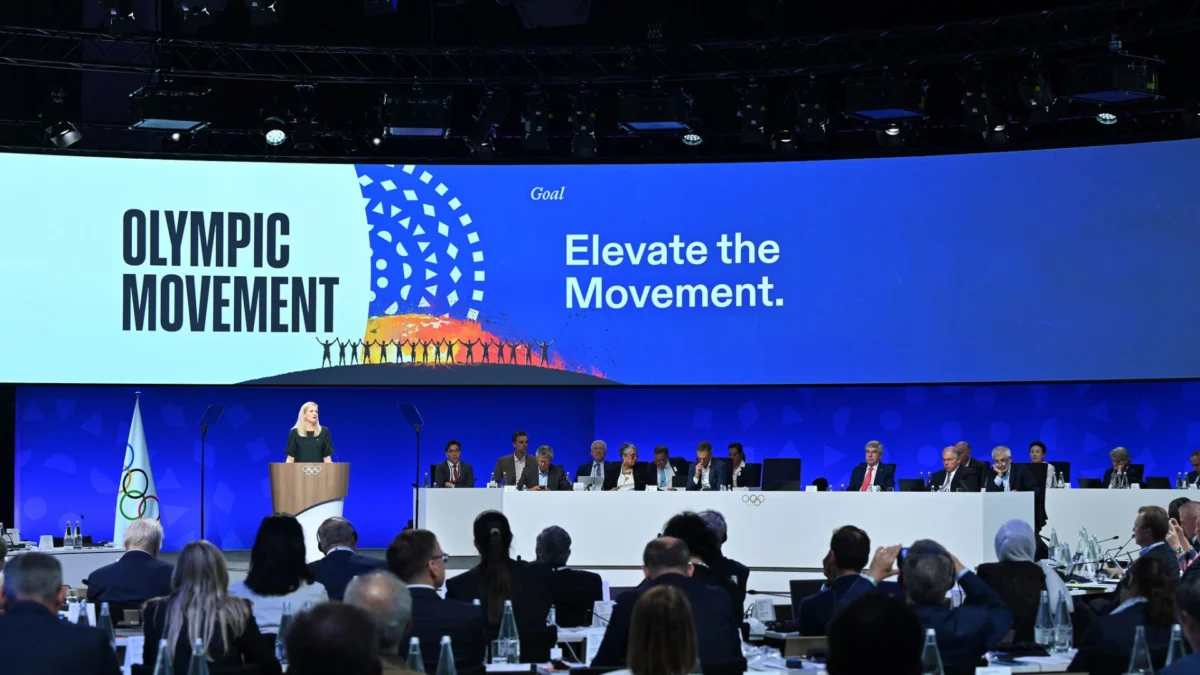
The decision, confirmed by the IOC Executive Board, underscores a broader strategic pivot under the "Fit for the Future" initiative, spearheaded by IOC President Kirsty Coventry. While the inclusion of new, modern disciplines reflects an attempt to capture younger demographics and broaden the games’ appeal, the removal of Nordic Combined has sent shockwaves through the global sporting community, particularly in nations like Finland, Norway, and Austria, where the sport holds deep cultural and historical significance.
A Century of Tradition: The History of Nordic Combined
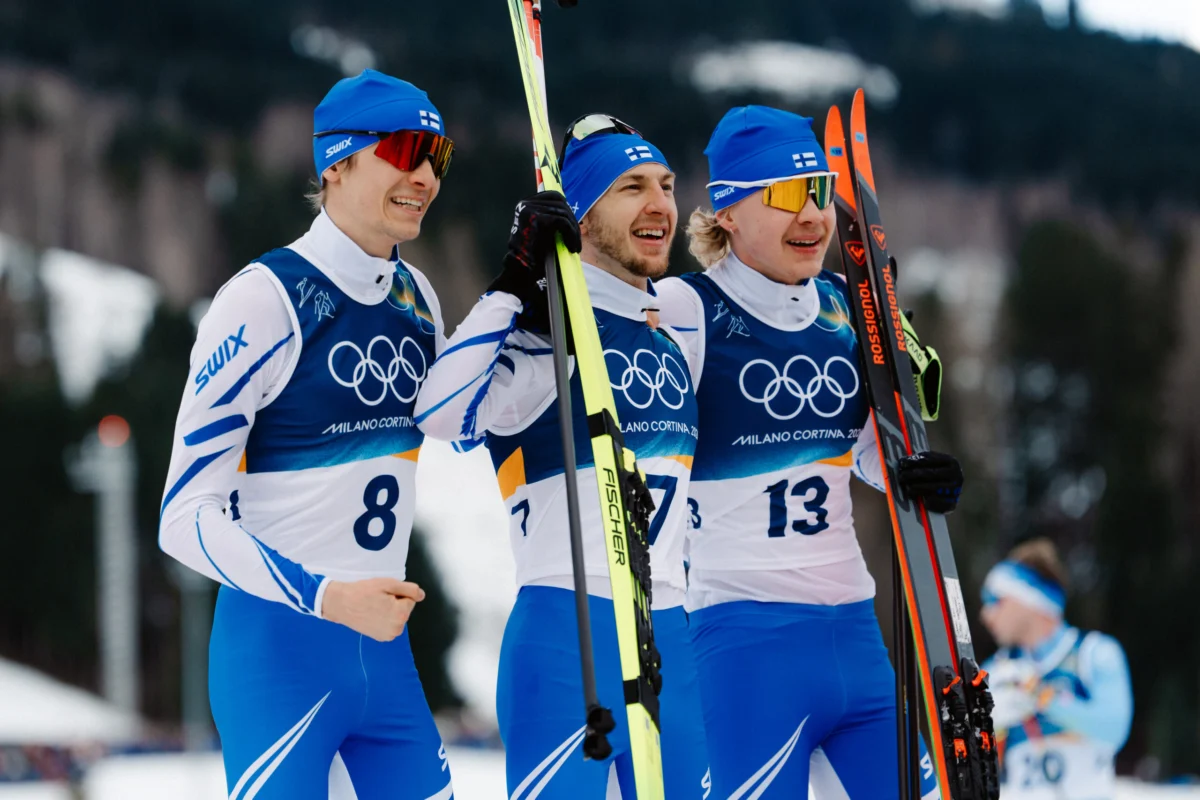
To understand the gravity of the IOC’s decision, one must look at the roots of the Winter Olympics. Nordic Combined—the ultimate test of a skier’s versatility, requiring both the precision of ski jumping and the endurance of cross-country skiing—was a founding sport of the Winter Games.
At the first-ever Winter Olympics in Chamonix in 1924, Nordic Combined was already a central fixture. For over 100 years, the sport has evolved alongside the Olympic movement, surviving wars, political boycotts, and technological shifts. It was long considered the "crown jewel" of Nordic skiing, demanding a unique hybrid of explosive power and aerobic capacity.
However, the sport has faced mounting pressure in recent years. Critics within the IOC have often pointed to the lack of global participation, the high cost of specialized infrastructure, and concerns regarding gender parity. Despite significant efforts by the International Ski Federation (FIS) to modernize the sport and introduce women’s events, the IOC’s decision to exclude the sport entirely from the 2030 program suggests that these reforms were deemed insufficient to meet the criteria of the new "Fit for the Future" evaluation framework.
The "Fit for the Future" Mandate
The decision to overhaul the Olympic program is not an isolated incident but the result of a systematic review process approved during the June 2026 IOC General Assembly. The new methodology prioritizes criteria that the IOC deems essential for the longevity of the Olympic brand:
- Global Popularity: Assessing the number of countries where the sport is actively practiced and televised.
- Athlete Representation: Evaluating the depth of the field and the potential for gender balance.
- Cost-Effectiveness: Analyzing the complexity of venue requirements and the logistical burden on host cities.
- Youth Appeal: Measuring the ability of the sport to engage digital-native audiences and new demographics.
Under this rubric, the IOC has moved toward a more agile, flexible program that can adapt to changing societal trends. By prioritizing "Synchro 9" and new freestyle skiing/snowboarding disciplines, the committee is signaling a departure from legacy sports that struggle to maintain global growth, favoring formats that offer high entertainment value and lower barriers to entry.
Official Responses: Disappointment and Hope
The reaction from the Finnish sporting community, a nation with a rich heritage in Nordic Combined, was one of profound disappointment. Janne Hänninen, High-Performance Director at the Finnish Olympic Committee, did not mince words regarding the decision.
"The decision is a great disappointment to us," Hänninen stated. "Nordic Combined is one of the most traditional sports in the Winter Olympics, and Finland has a remarkably strong history in it. It is particularly regrettable that the women of Nordic Combined were not given the opportunity to compete in the Olympics. It is a disappointment for the athletes and for the entire international sporting community."
Hänninen emphasized that while the loss of Olympic status is a significant blow to the sport’s visibility and funding, it does not diminish its value. "The Olympic status is important for the sport, but a single decision does not define the value of Nordic Combined. The sport has a strong history, world-class athletes, and a vibrant community. We believe in the future of the sport and will continue our work together with the Finnish Ski Association and the international community."
Embracing the New: Synchro 9
While the news regarding Nordic Combined was bleak, the Finnish Olympic Committee expressed enthusiasm for the inclusion of "Synchro 9." This discipline, derived from synchronized skating, involves a team of nine skaters performing complex, high-speed maneuvers in unison.
"Although the decision on Nordic Combined is a disappointment, we are very happy that Synchro 9 has been granted Olympic status," Hänninen noted. "Finland has a strong international position in this sport and a long, successful history. We look forward to the first Olympic competitions and are ready to support its development together with the Finnish Figure Skating Association toward Olympic success."
Chronology of the Decision
- 1924: Nordic Combined debuts at the inaugural Winter Olympics in Chamonix.
- 2026 (June): The IOC General Assembly approves the "Fit for the Future" strategy, establishing new, transparent criteria for the Olympic program.
- 2026 (Throughout): Intense lobbying by the International Ski Federation (FIS) to secure the future of Nordic Combined.
- 2027–2029: Review period where the IOC monitors participation trends, viewership, and gender parity in Nordic Combined.
- 2030 (Early): The IOC Executive Board confirms the final program for the 2030 French Alps Winter Games, confirming the exclusion of Nordic Combined and the inclusion of Synchro 9 and new freestyle events.
Implications for the Future of Winter Sports
The exclusion of Nordic Combined sets a precedent that will undoubtedly cause anxiety among other "legacy" winter sports. If a sport with a 100-year history can be removed, no discipline is entirely safe from the IOC’s modernizing agenda.
The Gender Parity Problem
One of the most stinging aspects of this decision is the timing. Women’s Nordic Combined has been fighting for legitimacy and an Olympic platform for years. By removing the sport entirely, the IOC has effectively shut the door on the next generation of female athletes who were looking forward to competing on the world’s biggest stage. This creates a challenging environment for national federations, which must now justify continued investment in a sport that no longer has the “Olympic” label as its primary selling point.
The Rise of Team Disciplines
The inclusion of Synchro 9 represents a shift in the Olympic aesthetic. The IOC is increasingly favoring team sports that emphasize choreography, synchronization, and visual spectacle. These sports are often easier to broadcast, have high engagement potential on social media, and lend themselves well to the "spectacle" nature of modern games.
Economic and Infrastructure Pressures
Hosting the Winter Olympics is an increasingly expensive undertaking. By choosing sports that require existing, multi-purpose facilities—or sports that can be integrated into existing event structures—the IOC is attempting to make the Games more sustainable for future host cities. Nordic Combined, which requires both a ski jump and a cross-country trail system, is resource-intensive, making it an easy target in an era of fiscal tightening.
Conclusion: A Turning Point
The 2030 Winter Olympics will represent a clean break from the past. While the French Alps will provide a stunning backdrop for the Games, the absence of Nordic Combined will be felt by purists and traditionalists alike.
For the athletes, the road ahead is uncertain. National federations, including those in Finland, must now pivot their strategies to ensure that the sport remains viable despite the loss of its premier status. For the IOC, the challenge remains to prove that its "Fit for the Future" strategy can successfully balance the need for evolution with the preservation of the Olympic spirit.
As the world prepares for the 2030 Games, the sporting community will be watching closely to see how the new disciplines, including Synchro 9, perform on the world stage. Whether this modernization will attract a new generation of fans or alienate the sport’s core base remains to be seen. One thing is certain: the landscape of winter sports has been permanently altered, and the Olympic movement is moving into a new, uncharted chapter.