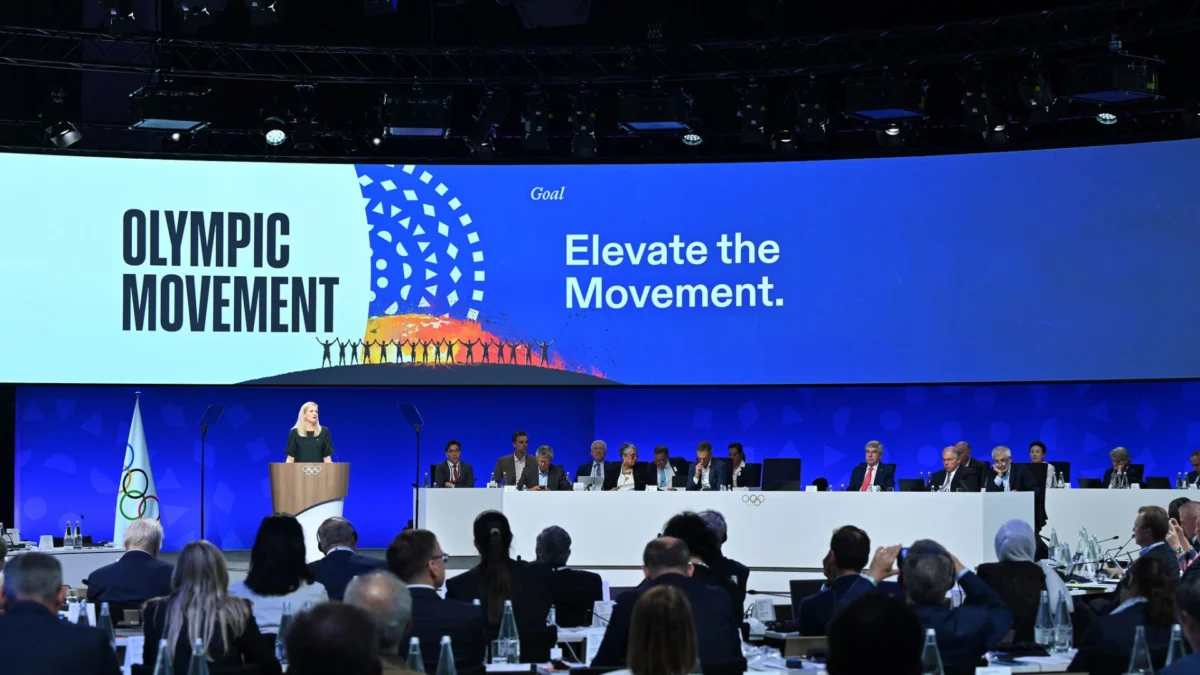
LAUSANNE, Switzerland – The Olympic movement stands at a pivotal crossroads. On June 24, 2026, the International Olympic Committee (IOC) convened its 146th Session in Lausanne, Switzerland, marking the commencement of a two-day extraordinary general assembly that promises to redefine the trajectory of global sport for the next generation. Under the stewardship of IOC President Kirsty Coventry, the assembly officially unveiled and ratified the “Fit for the Future” (F4F) initiative, a comprehensive strategic framework designed to modernize the Olympic Games, enhance athlete support, and streamline governance.
As the world watches, the F4F initiative represents more than just an administrative update; it is an existential response to the rapid cultural, economic, and technological shifts currently reshaping the landscape of international athletics.
The Core Mandate: What is "Fit for the Future"?
The "Fit for the Future" (F4F) program serves as the blueprint for the IOC’s long-term vision. Driven by President Kirsty Coventry, the initiative focuses on ensuring that the Olympic Games remain relevant, financially sustainable, and culturally resonant in an era defined by decentralized digital media, changing viewership habits, and an increasing demand for social responsibility from governing bodies.
At its heart, F4F addresses three primary pillars:
- Athlete-Centric Evolution: Strengthening the direct support mechanisms for athletes who represent the backbone of the movement.
- Structural Agility: Modernizing the criteria for the Olympic program, ensuring a balance between historical legacy and contemporary relevance.
- Governance Transparency: Opening the doors of the IOC to more meaningful, transparent consultation with stakeholders, including National Olympic Committees (NOCs) and athlete representative bodies.
Chronology of the 146th IOC Session
The assembly, which runs from June 24 to June 25, 2026, has been characterized by intense deliberation and a high degree of consensus among the voting members.
- June 24, Morning: President Kirsty Coventry opened the session with a keynote address detailing the F4F vision. The morning was dedicated to outlining the systemic challenges faced by the movement, including the rising costs of hosting and the need for greater gender parity in administrative leadership.
- June 24, Afternoon: The IOC membership engaged in a series of thematic panel discussions. These sessions focused on "Modernizing the Program" and "The Athlete First Initiative." This portion of the event allowed for input from independent consultants and sports management experts.
- June 24, Late Afternoon: The official vote took place. The IOC membership overwhelmingly approved the F4F framework, signaling a unified commitment to the reforms proposed by the executive board.
- June 25 (Ongoing): The second day of the assembly is focused on implementation logistics. Discussions are currently centering on how to integrate the new $10,000 USD Solidarity grants into existing financial cycles and the creation of a new task force to oversee the evolution of the Olympic program for the 2030 and 2034 cycles.
Supporting Data: The Financial and Structural Impact
The most immediate and tangible impact of the F4F initiative is the historic commitment to direct financial aid. The IOC has confirmed that through its Solidarity program, every athlete qualified for the Olympic Games will receive a $10,000 USD grant.
Economic Context
Historically, Olympic funding has often been filtered through NOCs, leading to discrepancies in how resources reach the athletes themselves. The F4F program shifts this dynamic. By standardizing the $10,000 USD grant, the IOC is effectively creating a "base level" of financial security that allows athletes—particularly those from smaller nations or sports with lower commercial visibility—to focus entirely on their training rather than subsistence.
Programmatic Balancing
The IOC also presented data regarding the current Olympic program. The internal review indicates that while viewership for traditional sports remains high, the "engagement gap" with Gen Z audiences is widening. The F4F strategy proposes a "modular" approach to the Olympic program, where specific events can be rotated based on host city geography and regional popularity, provided they meet strict metrics for integrity and global interest.
Perspectives from the National Level: The Finnish Stance
While the IOC acts as the global governing authority, the actual implementation of these policies falls to National Olympic Committees (NOCs). The Finnish Olympic Committee (Suomen Olympiakomitea), while not a voting member of the IOC, plays a critical role in the advocacy for these changes.
Riku Tapio, CEO of the Finnish Olympic Committee, has been vocal about the importance of this process. "The Finnish Olympic Committee has been consistent in our messaging throughout the F4F consultation process," Tapio stated. "We have advocated for a more transparent dialogue between the IOC and the national committees. Even though we lack voting power within the IOC itself, our input is valued, and the communication channel remains robust."
Key Takeaways from the Finnish Delegation:
- Approval of Transparency: Tapio praised the IOC’s willingness to look at itself through "critical lenses," noting that the shift toward openness is a welcome departure from past, more opaque decision-making processes.
- Support for Financial Aid: The $10,000 solidarity grant is seen as a major victory. The Finnish perspective aligns with the IOC’s goal of reducing the financial barrier to entry for professional sports.
- The Balancing Act: Tapio emphasized a crucial concern: the balance between traditional and new sports. As the Olympic program faces modernization, the Finnish Committee remains cautious about the potential exclusion of long-standing, historically significant Olympic disciplines.
Implications: A New Era for the Games
The ratification of "Fit for the Future" signals a profound shift in how the Olympic movement manages its relationship with the world.
1. The End of the "One-Size-Fits-All" Model
For decades, the Olympic Games have been criticized for their rigid structure. F4F suggests that the IOC is moving toward a more flexible model. This implies that future host cities, such as those preparing for the French Alps 2030, will have more agency in proposing sport programs that reflect local culture and environmental sustainability.
2. Strengthening the Athlete Voice
With the inclusion of more athlete-centric policies, the IOC is moving to preempt the rise of independent athlete unions. By providing direct financial support and ensuring that athlete representative bodies have a seat at the table, the IOC is attempting to cement its position as the primary representative of the global athletic community.
3. Geopolitical Considerations
With Sari Essayah serving as a key Finnish member within the IOC, the influence of smaller, sport-oriented nations is growing. The F4F process has explicitly encouraged input from these members, ensuring that the Olympic movement does not become a mere playground for the world’s largest sporting superpowers.
Conclusion: The Road Ahead
As the 146th Session concludes, the focus shifts from policy to practice. The "Fit for the Future" initiative is a bold, ambitious attempt to ensure that the Olympic movement does not become a relic of the 20th century. By prioritizing the financial well-being of the athlete and demanding transparency in governance, the IOC is setting the stage for a more inclusive and agile future.
However, the true success of F4F will be measured in the coming years. Will the new program successfully bridge the gap between traditional prestige and modern engagement? Will the $10,000 solidarity grant prove sufficient to elevate the standard of living for all Olympic hopefuls? And, perhaps most importantly, will the IOC maintain the momentum of transparency once the cameras leave Lausanne?
For now, the global sports community is cautiously optimistic. The "Fit for the Future" initiative is a clear signal that the Olympic Games are not just participating in the changing world—they are attempting to lead it. As Riku Tapio and his counterparts globally continue to monitor the implementation, the world waits to see how these ambitious reforms will translate onto the field of play in the Olympic cycles to come.
For further updates on the implementation of the Fit for the Future program and its impact on international sports, stay tuned to the official communications of the International Olympic Committee and your local National Olympic Committee.