Introduction: The Expedition
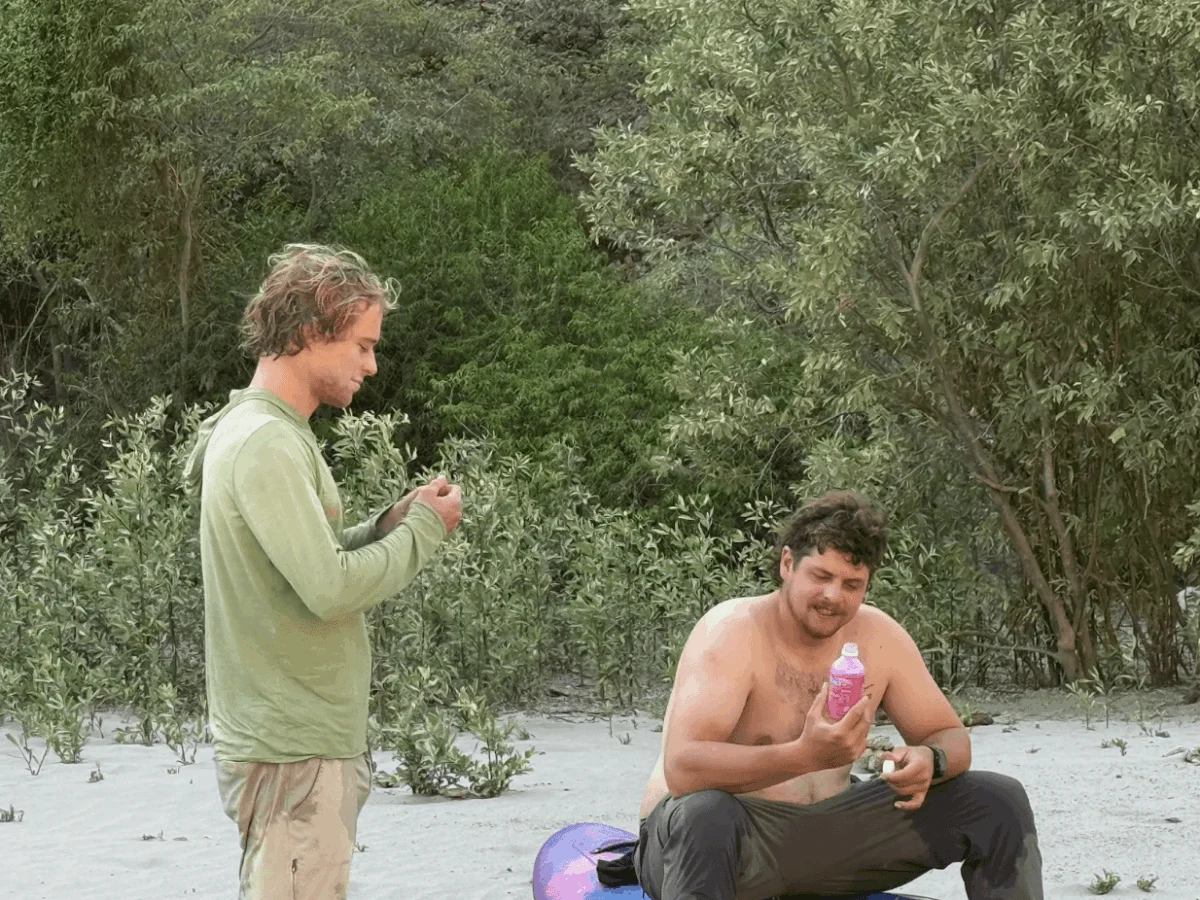
In a journey that bridged the gap between professional whitewater training and profound cross-cultural immersion, Mike and Cody—seasoned experts in river navigation—recently returned from a transformative expedition to Northern India. Their mission was twofold: to refine their technical rafting skills alongside the esteemed instructors of the Hannibal Outdoor Center and to experience the raw, unfiltered reality of life along the Ganges, the most sacred and contentious waterway in the world.
This article explores their journey from the formidable foothills of the Himalayas to the bustling, spiritual heart of Haridwar, shedding light on the environmental, social, and geographical tapestry that defines modern India.
The Geography of Scale: The Himalayan Frontier
To understand the experience of rafting in India, one must first grasp the sheer verticality of the landscape. For those accustomed to the topography of North America, the scale of the Indian Himalaya is difficult to comprehend until one is standing amidst its shadows.
The Foothills of Giants
Mike and Cody found themselves operating in mountain towns and villages situated between 8,000 and 12,000 feet in elevation—altitudes that, in many other parts of the world, would mark the "high country." Here, these elevations are merely the gateway to the range. The rivers that carve through these mountains are not merely watercourses; they are geological forces.
Hydrological Power
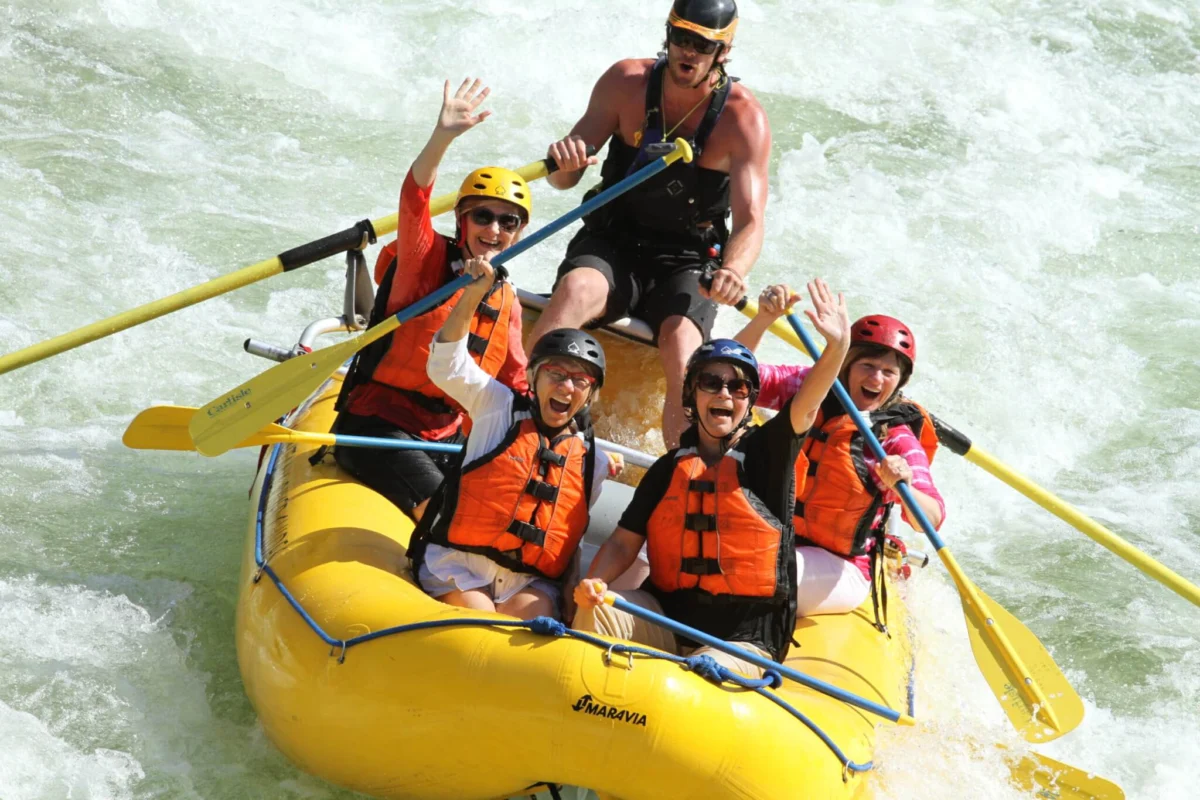
The Ganges, as it spills from the Himalayan range, commands a ferocity matched by few other rivers. During their transit, the duo estimated the flow rate to be approximately 40,000 cubic feet per second (cfs). This volume creates a technical and physical challenge that demands precision, respect, and a deep understanding of river safety protocols. By training with the Hannibal Outdoor Center, the team sought to harmonize their own Western training with the local standards practiced by Indian guides who navigate these massive flows daily.
Chronology: A Journey Through the Heart of India
The expedition was structured as a multi-stage immersion, beginning with technical training and transitioning into a deep dive into the cultural fabric of the Ganges river basin.
Phase 1: Technical Exchange in the Foothills
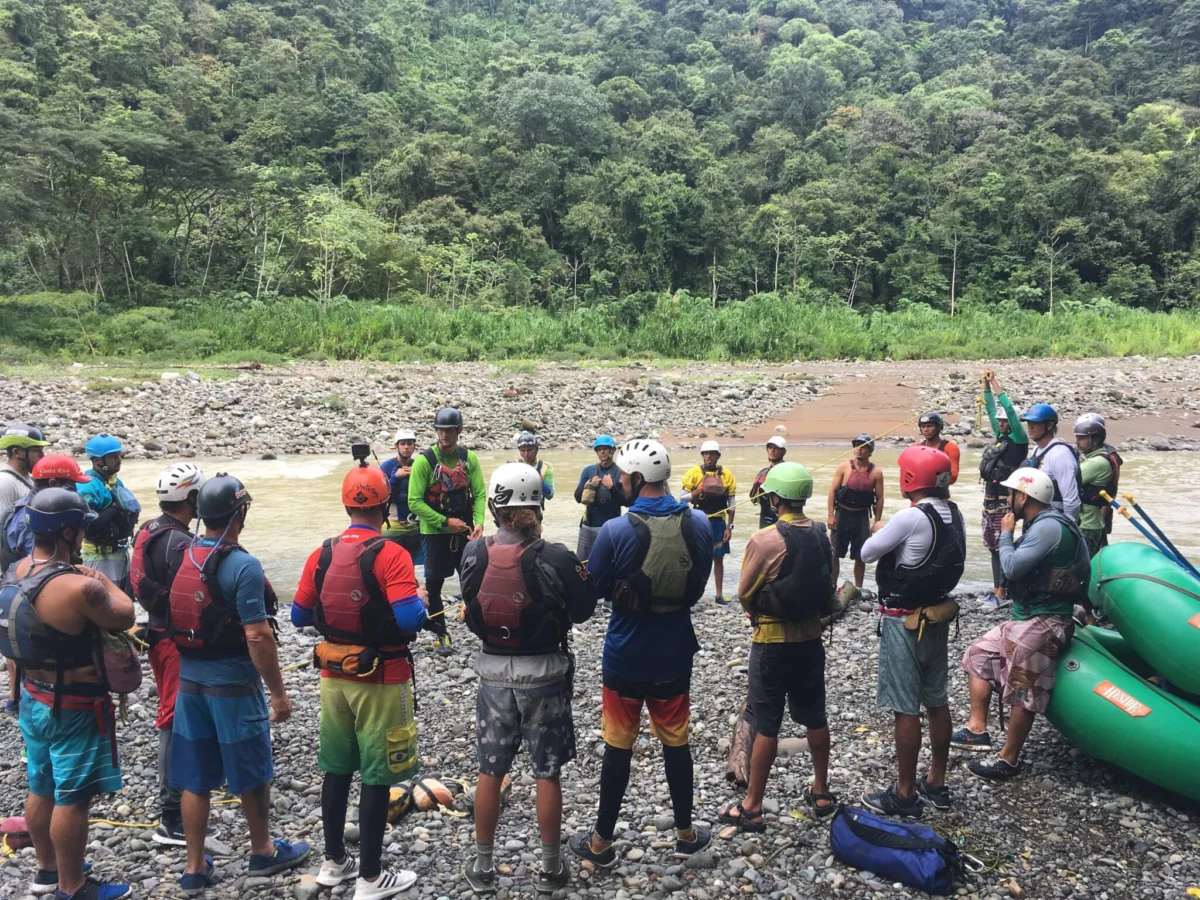
The initial leg of the journey focused on professional development. Working with the Hannibal Outdoor Center, Mike and Cody engaged in an exchange of knowledge regarding international rafting standards. This included analyzing river hydrology, rescue techniques, and the logistical challenges of managing commercial rafting operations in a region where infrastructure is still developing.
Phase 2: Navigating the Ganges
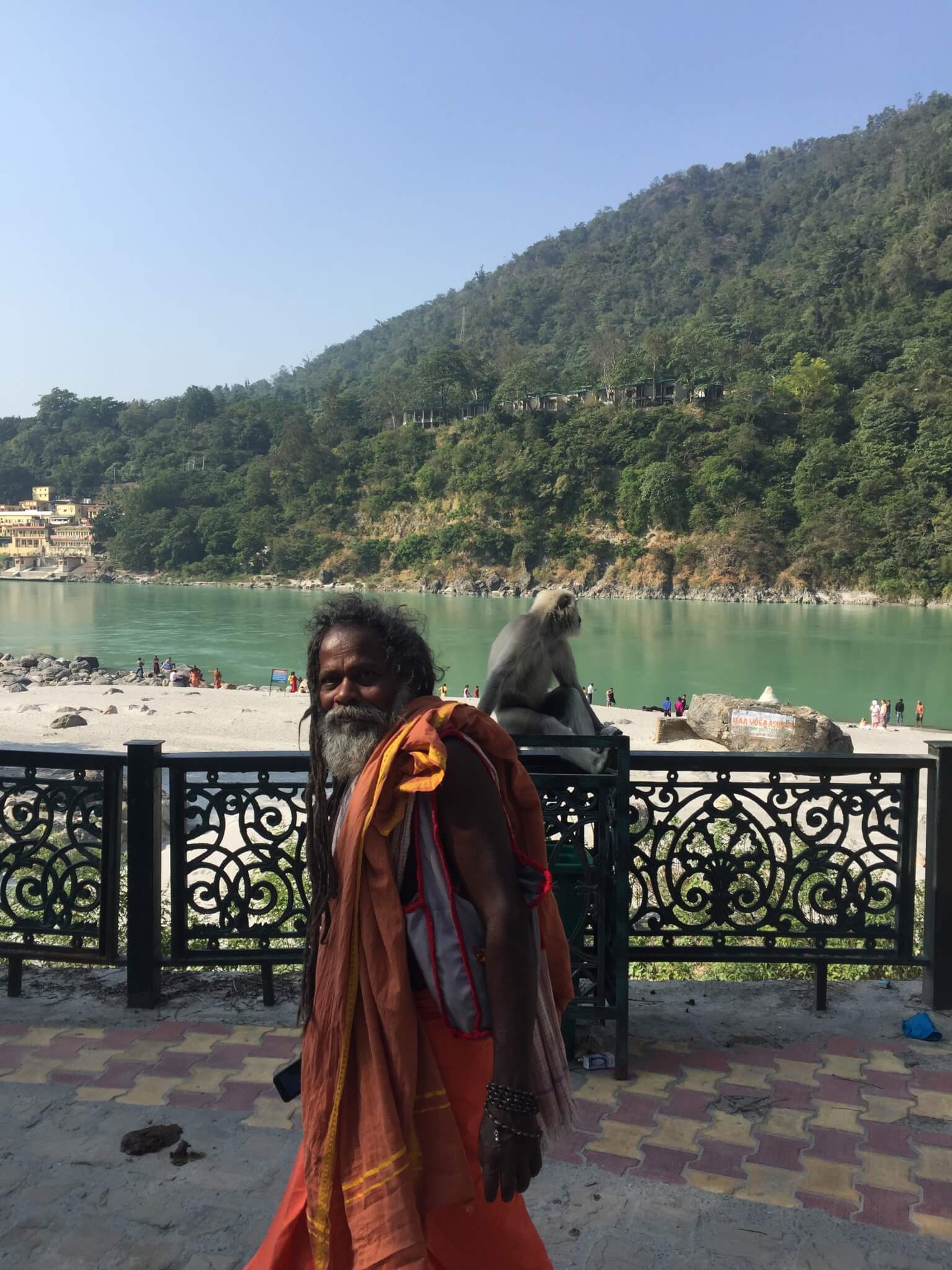
The central component of the trip involved navigating the Ganges. The river acts as a conduit for both life and death in India. On the water, the team witnessed the dichotomy of the river: a source of immense power and natural beauty, yet a vessel for the runoff of a rapidly industrializing nation.
Phase 3: The Cultural Immersion
Following the river work, the team traveled through the heartland of Northern India via train and rickshaw. This allowed for a visceral experience of the country’s scale. From the open-air vantage point between train cars, they observed a landscape defined by sharp contrasts: breathtaking natural vistas framed by industrial landfills and heroic scenes of subsistence agriculture.
Supporting Data: The Complexity of a Subcontinent
India is not merely a country; it is a civilization characterized by diversity that defies easy categorization.

Demographics and Linguistic Diversity
With over 1.4 billion people—roughly one-fifth of the global population—India presents a demographic challenge of unprecedented proportions. While Hindi serves as a lingua franca for many, the linguistic landscape is staggering; there are approximately 3,000 distinct languages and dialects spoken across the country. This diversity is mirrored in the local customs, religious practices, and economic realities encountered by the expedition team.
The Biodiversity Paradox
The expedition noted an incredible range of wildlife that persists despite the encroachment of human development. Observations included:
- Mega-fauna: Reports of wild elephants in remote corridors.
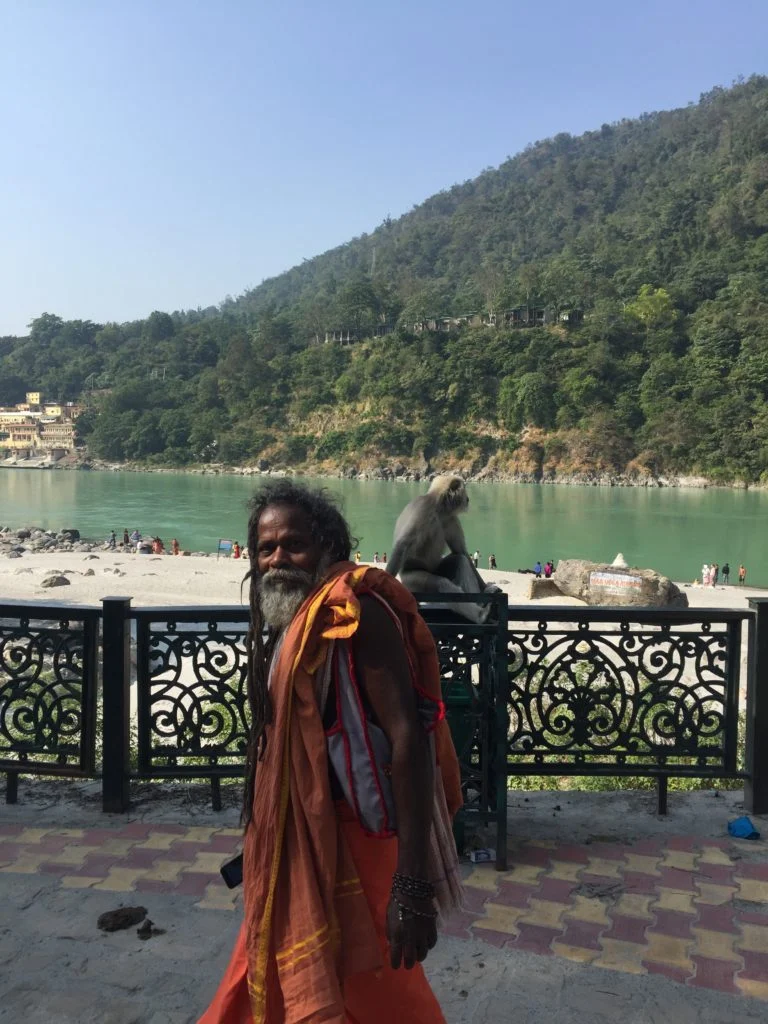
- Predators: Frequent sightings of monkeys and the elusive, dangerous presence of cobras.
- Ecosystem Stress: The team observed that even in regions teeming with wildlife, the environment is under extreme pressure from poverty-driven resource extraction and the lack of comprehensive waste management systems.
The Ganges: A Paradox of Holiness and Pollution
The Ganges serves as the spiritual backbone of India. Pilgrims travel hundreds of miles to perform pujas (religious ceremonies) and cleansing rituals in its waters. However, the river is currently in a state of crisis.
The Environmental Toll
Despite being the most worshipped river on Earth, the Ganges is simultaneously one of the most polluted. The team observed that the river acts as a primary disposal site for:
- Untreated Human Waste: With massive population centers situated along the banks, the volume of raw sewage entering the river remains a critical public health issue.
- Industrial Runoff: As India pushes for rapid industrial growth, chemical byproducts from manufacturing often find their way into the watershed, threatening the delicate ecosystem of the river and the health of those who rely on it for sustenance.
Official Responses and Future Outlook
While the government of India has initiated various "Clean Ganga" programs (such as the Namami Gange project) aimed at cleaning the river, the scale of the problem is monumental. Official reports suggest that while infrastructure for sewage treatment is expanding, the rate of population growth and industrialization continues to outpace environmental mitigation efforts. The team noted that the potential for change exists, but it requires a sustained, multifaceted approach that balances religious tradition with modern sanitation infrastructure.

Implications: A Traveler’s Perspective
Reflecting on their trip, Mike and Cody emphasized that one cannot understand India from a guidebook. It must be experienced through the chaotic, beautiful, and sometimes overwhelming rhythm of its daily life.
The Value of Alternative Travel
The team’s preference for experiencing a region via "river or trail" was expanded to include the rail network. The Indian train system acts as a microcosm of the country itself—a space where class, caste, and culture collide. The team’s decision to spend time "between the cars" provided a perspective on the country that remains hidden from the average tourist: the quiet dignity of subsistence farmers and the sheer scale of the waste management crisis.
Respect and Admiration
Despite the overwhelming nature of the poverty and environmental degradation, the takeaway from the expedition was one of profound respect. The human capacity for resilience in India is staggering. The team noted that while the challenges are immense, the warmth of the people and the richness of the culture provide a compelling reason for global engagement and continued support for local conservation efforts.
Conclusion: The Call to Return
As the expedition concluded, the consensus between Mike and Cody was clear: they had only scratched the surface. India is a land of infinite depth, where every river bend offers a new lesson in history, ecology, or human endurance.
For the outdoor professional, India is a masterclass in complexity. It forces one to confront the reality that wilderness and civilization are not separate spheres, but are inextricably linked. The lessons learned on the Ganges regarding safety, cultural sensitivity, and environmental stewardship will undoubtedly inform the team’s future operations. As they look toward the future, the prospect of returning to the foothills of the Himalayas remains not just a desire, but a necessity to further their understanding of this vibrant, evolving, and essential part of the world.