For anyone who grew up in the sweltering heat of Houston, the swimming pool is not a luxury—it is a survival mechanism. Yet, the joy of a crisp, cool dip is frequently tempered by the reality of pool ownership: the relentless, back-breaking labor of maintenance. As a long-time pool owner and professional reviewer who has spent four years testing the latest in aquatic automation, I have found that while the logic of pool maintenance remains simple—debris equals a bad swim—the technology to solve it has undergone a radical transformation.
The Evolution of Pool Hygiene: From Hoses to AI
In the 1980s, the "robot" in your pool was almost certainly a pressure-side cleaner, a tethered, clunky device that relied on the pool’s existing pump system to push it along the floor. These machines were recognizable by the unsightly, floating spaghetti of hoses that snaked across the surface, turning a relaxing backyard oasis into an obstacle course.
Today, the market has pivoted sharply toward electronic, cordless, and increasingly autonomous cleaners. These modern devices eliminate the need for external pumps and hoses, utilizing sophisticated onboard batteries and sensors. The shift toward battery-powered robotics is the most significant development in the industry, offering a clean, unencumbered swimming experience. When you want to swim, there is no hardware to remove or cord to trip over.

The Top Contenders: A Comparative Look
After hundreds of test runs, a few standout models have emerged that define the current state of the art.
1. The Gold Standard: Beatbot AquaSense 2 Ultra
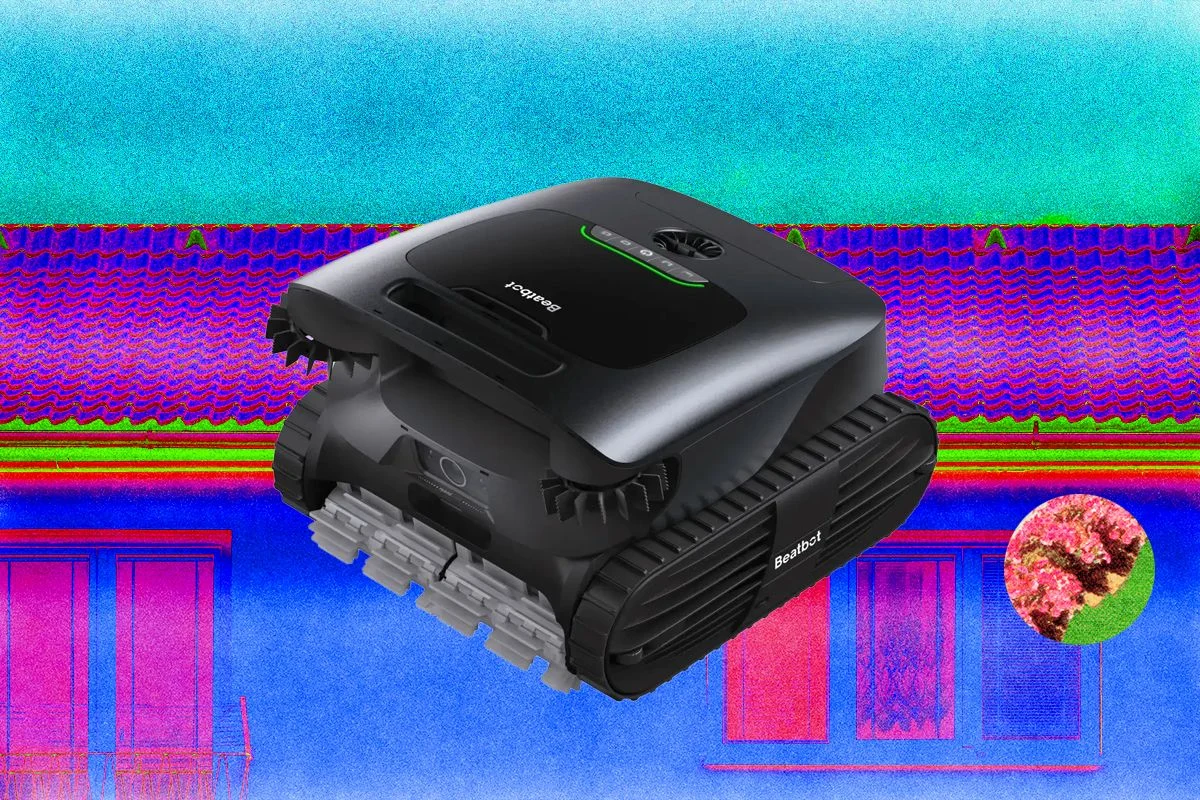
For the user who demands perfection, the Beatbot AquaSense 2 Ultra is the undisputed champion. It offers comprehensive cleaning for floors, walls, and the waterline, supported by a massive six-hour battery life. Its standout feature is its intelligent debris detection powered by AI. When the cleaning cycle concludes, the unit conveniently floats to the surface, making retrieval effortless.
- The Trade-off: At approximately $3,000, it is the most premium offering on the market. Furthermore, its robust chassis weighs in at 29 pounds, which can be taxing to haul out of the water.
2. The Endurance King: iGarden M1-AI 90
If you are the type of pool owner who prefers a "set it and forget it" approach, the iGarden M1-AI 90 is a compelling choice. Featuring a massive 12,500 mAh battery, it can operate for up to nine hours in floor-only mode. With its AI-powered camera system, it scans for missed debris, switching from an S-path pattern to a targeted cleaning mode. Its racecar-inspired design also makes it a visual upgrade over the standard industrial-grey plastic bots.

3. The Value Performer: Dreame Z1 Pro
Breaking the myth that low-cost robots must be ineffective, the Dreame Z1 Pro is a standout. While it moves at a more leisurely pace than its expensive counterparts, its onboard sensors provide impressive mapping capabilities via a mobile app. Originally priced at $1,499, it has seen dramatic price cuts, bringing it down to roughly $499. It features magnetic charging to protect electronics from water ingress and a remote control for surface-level retrieval.
Chronology of Innovation: How We Got Here
The shift in the industry has been driven by the convergence of three specific technologies: lithium-ion battery density, miniaturized computer vision, and high-efficiency water-tight sealing.
- 2020–2022: The early era of cordless robots was defined by "dumb" machines. These devices relied on random collision-based navigation, often missing large swaths of the pool floor or getting stuck in corners.
- 2023: The integration of gyroscope and accelerometer technology allowed for systematic "S-pattern" cleaning, significantly increasing efficiency.
- 2024–Present: We have entered the "AI-vision" era. Modern robots like those from Beatbot and iGarden now use onboard sensors to identify debris, effectively distinguishing between a harmless leaf and a stubborn patch of algae that requires extra scrubbing.
Supporting Data: Testing Methodology
To arrive at these conclusions, I utilized my own 468-square-foot, L-shaped pool in Houston, which features a PebbleTec surface. My testing protocol is twofold:

- Real-World Baseline: I observe the robot’s performance under natural conditions, including the accumulation of organic debris such as leaves, twigs, and dust.
- Quantifiable Stress Test: I scatter 100 standardized silk crafting leaves across the floor. By counting how many are left behind after a full cycle, I can calculate a precise efficiency percentage for each unit.
This methodology has revealed that while marketing materials often boast about "maximum pool size," the practical reality is that most robots perform best in pools at roughly 50% of the manufacturer’s claimed maximum capacity.
The Debate: Corded vs. Cordless
A persistent debate remains between proponents of traditional corded cleaners and the new wave of battery-powered units.
Corded Advantages:

- Uninterrupted Power: They never need to return to a dock.
- Consistency: Ideal for massive commercial pools where the unit must run for 12+ hours daily.
Battery-Powered Advantages:
- Aesthetics: No 70-foot cable cluttering your deck or pool.
- Safety: While critics have cited concerns regarding lithium-ion battery fires, the risk profile is no higher than that of modern smartphones or electric vehicles.
- Maneuverability: The ability to move freely without a tethered drag allows for more complex navigation in irregular pool shapes.
Implications for the Future of Pool Ownership
The primary implication of these advancements is the democratization of professional-grade pool maintenance. Previously, a pristine pool required either hours of manual labor or a recurring monthly fee for a pool service. While these robots do not replace the need for chemical balancing or filter maintenance, they have effectively rendered the manual vacuuming and brushing of pool walls obsolete for the average homeowner.
Looking ahead, we can expect to see deeper integration with smart home ecosystems. Imagine a future where your pool cleaner communicates directly with your pool’s chemical feeder, signaling that the water’s pH or chlorine level is dropping as it detects debris levels rising.

Expert Recommendations and Maintenance Tips
If you are looking to enter the market, keep these factors in mind:
- Waterline Scrubbing: Always opt for a model with a dedicated waterline brush. This is the area where oils and scum accumulate, and manual brushing here is the most tedious part of pool care.
- Ease of Retrieval: Ensure your chosen model has a "park" feature that brings it to the surface when the battery is low. This is not just a convenience; it is a necessity for preventing the device from dying in the deep end.
- Filter Quality: Look for fine-mesh baskets. A robot that only catches leaves but lets sand pass through is essentially useless for maintaining water clarity.
In conclusion, while the initial investment in a high-end robotic cleaner can range from $500 to $3,000, the return on investment is measured in hours of reclaimed time and the preservation of your pool’s surface. As these robots become more autonomous and intelligent, the "chore" of pool maintenance is slowly fading, leaving us with what we actually wanted in the first place: a clean, refreshing place to escape the heat.