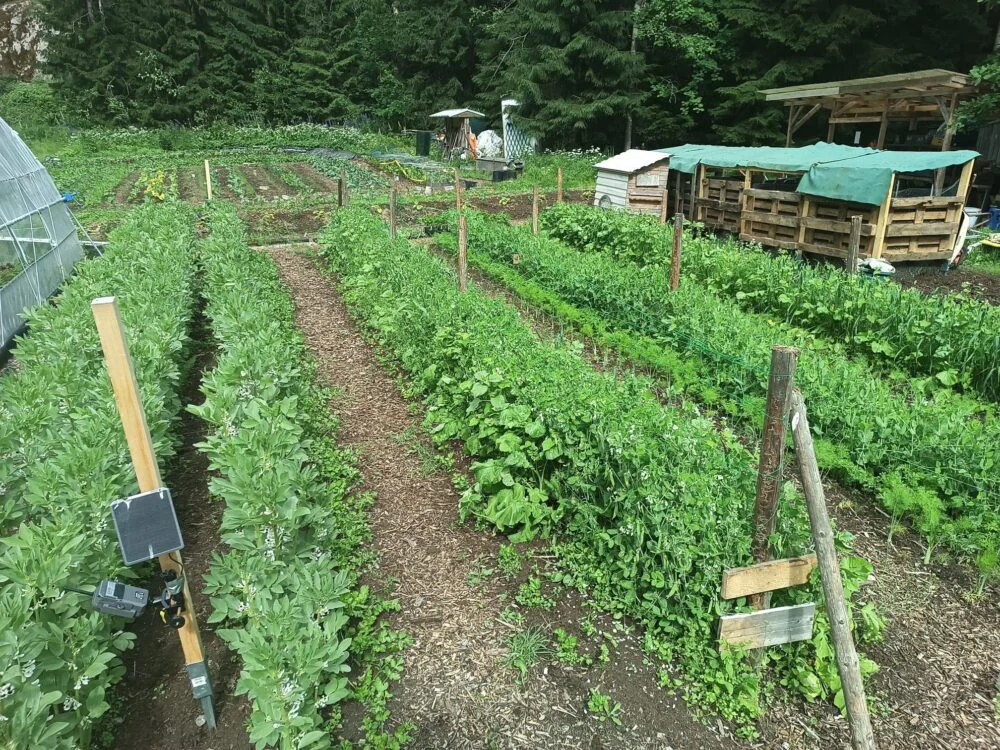
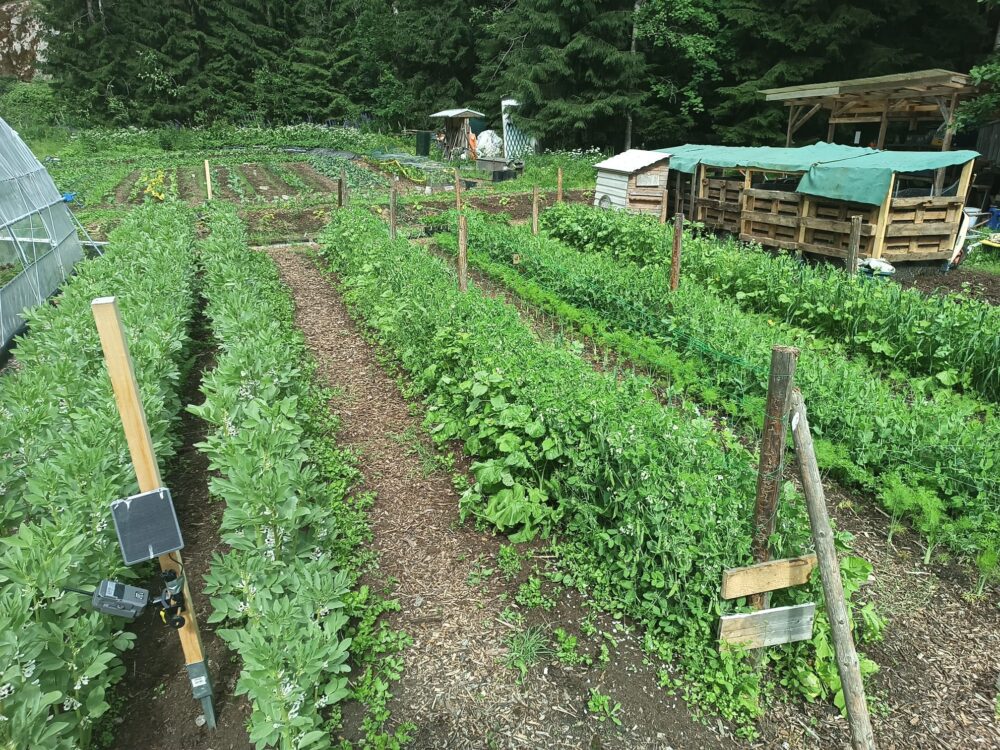
In the quiet corners of the northern garden, a botanical revolution is taking place. As the summer sun reaches its zenith, the Fabaceae family—commonly known as legumes—takes center stage. From the humble sugar pea to the robust broad bean, these nitrogen-fixing powerhouses are not merely dietary staples; they are the bedrock of sustainable gardening and a key to unlocking a more resilient food future.
While modern industrial agriculture often favors monocultures, the backyard gardener is rediscovering the profound benefits of integrating peas, beans, and vetches into the landscape. Beyond their protein-rich profiles, these plants serve as essential partners in the soil, working in silent, complex symbioses with nitrogen-fixing bacteria to enrich the earth for generations of future crops.
The Botanical Powerhouse: Nitrogen and Nutrition
The true magic of the Fabaceae family lies beneath the soil. Through a remarkable biological partnership, legumes transform atmospheric nitrogen into a form that plants can readily absorb. This process, known as biological nitrogen fixation, effectively turns these plants into natural fertilizers. For the home grower, this means that cultivating a patch of beans or peas is an act of soil stewardship. By planting legumes, one is actively building a more fertile, vibrant ecosystem, providing a natural boost to nutrient-hungry neighbors in the vegetable bed.
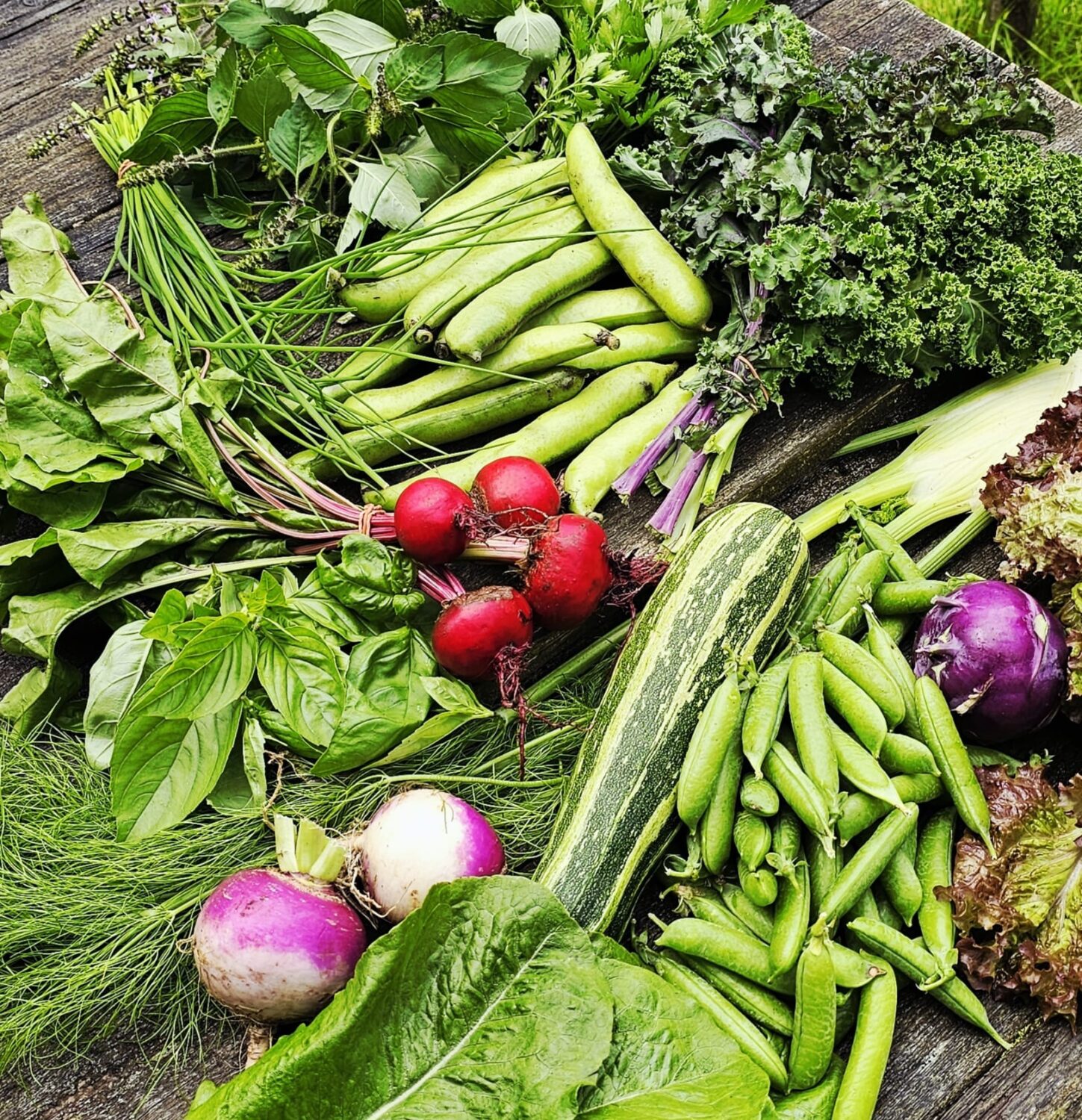
But the value of the legume extends far beyond the garden soil. On the plate, they are a nutritional heavyweight, offering a high-density source of plant-based protein that remains one of the most sustainable food sources on the planet. Whether enjoyed fresh off the vine or stored for the winter, the sheer diversity of the Fabaceae family—from the snap of a sugar pea to the buttery richness of a broad bean—offers an endless culinary canvas.
A Chronology of the Harvest: A Seasonal Journey
For the dedicated gardener, the legume season is not a singular event but a carefully orchestrated succession of harvests. The season often begins long before the first bean pod appears. In early spring, when the garden is still waking from its slumber and fresh greens are scarce, pea shoots provide the first taste of the coming summer. These delicate, flavorful tendrils are a gardener’s reward for foresight, offering a nutrient-dense addition to early-season meals.
Early Summer: The Arrival of the Sugar Pea
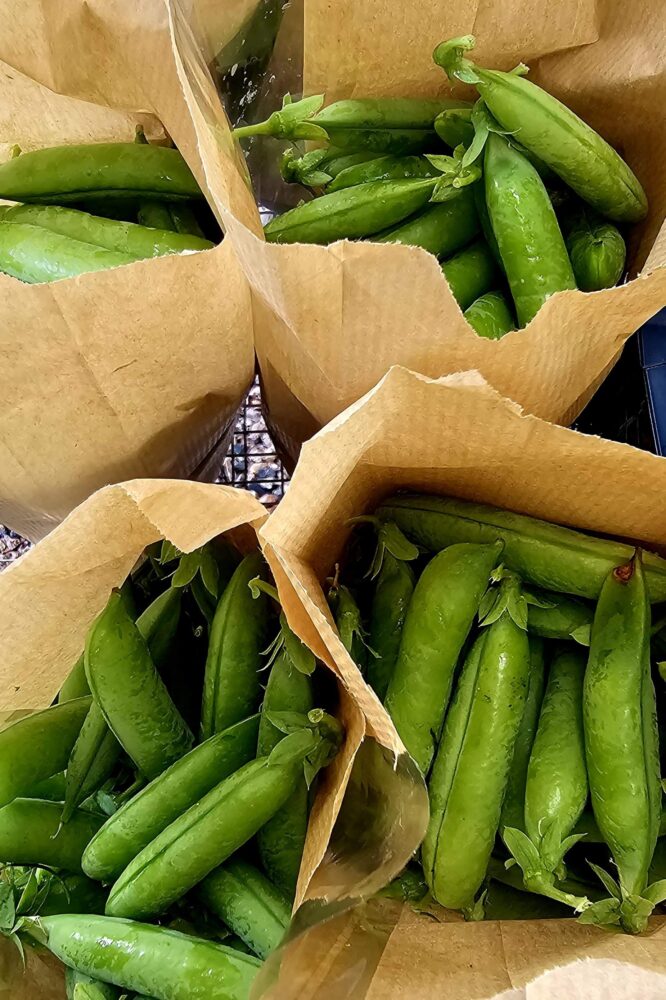
By the time mid-summer approaches, the Pisum sativum, or sugar pea, begins its performance. Unlike the traditional shelling pea, the sugar pea is a versatile delight that can be consumed pod and all. Varieties like Norli have become favorites for their crisp texture and prolific yield, often ready for the table well before the midsummer celebrations. These are the snacks of the garden—meant to be plucked and consumed on the spot, their sweetness an unmatched reward for the labor of the previous months.
High Summer: The Peak of the Silpoydinherne
As the heat of July intensifies, the "true" shelling peas, or silpoydinherne, begin to mature. While the sugar peas offer a prolific early harvest, the shelling peas represent the quintessential summer treat. Varieties such as Ambassador have become the gold standard for many, consistently providing plump, sweet peas that serve as a testament to the success of the growing season. Though recipes for fresh pea soup exist, most of these treasures never make it to the kitchen, consumed raw in the garden as the ultimate seasonal indulgence.
Supporting Data: Techniques for Preservation and Health
The abundance of a successful harvest brings with it the challenge of preservation. To retain the vibrant color and crisp texture of legumes through the winter, the process of blanching—a quick immersion in boiling water—is essential before freezing. This simple technique locks in the nutritional integrity of the harvest, ensuring that the summer’s bounty can be enjoyed in the depths of winter.
The Art of Fermentation
Perhaps the most significant advancement in legume consumption is the practice of fermentation. By storing beans and peas in a mild, three-percent salt brine, gardeners can unlock a world of digestibility. Legumes are famously high in complex carbohydrates, which, while beneficial, can be difficult for the human digestive system to process, leading to the common discomfort associated with bean consumption.
Fermentation effectively "pre-digests" these sugars, transforming the legumes into a more accessible and health-promoting food. This technique not only enhances digestibility but also develops a depth of flavor that is lost in canned alternatives. By embracing fermentation, the humble bean becomes not just a source of protein, but a probiotic-rich component of a balanced diet.
Broad Beans: The Return of a Forgotten Staple
Perhaps no member of the Fabaceae family has experienced a more interesting historical arc than the broad bean (Vicia faba). Long before the potato arrived in the north, the broad bean was a pillar of the regional diet. It remained a staple through the early 20th century, only to be largely relegated to animal feed in the decades that followed.
However, a cultural shift is underway. Across the globe—from the breakfast tables of Ethiopia, where ful medames (a stew of broad beans, onions, and tomatoes) is a standard morning meal, to the kitchens of Mexico—the broad bean is celebrated for its versatility. Today, it is finally beginning to reclaim its rightful place on the human dinner table in the north.
Culinary Potential: The "Green Gold"
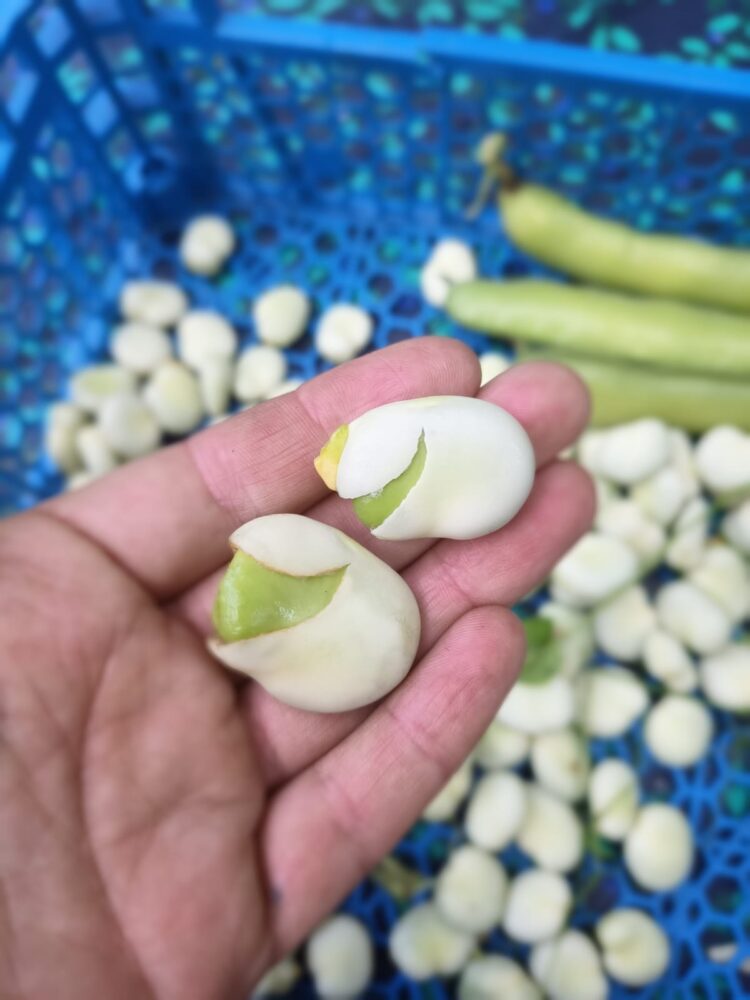
Fresh broad beans are a labor-intensive but deeply rewarding ingredient. Once shelled, they can be boiled briefly, and the outer waxy skin can be removed to reveal the vibrant, emerald-green "heart" of the bean. This "green gold" is an exquisite delicacy. For those who find themselves at a summer party, a dish of freshly prepared, lightly smashed broad beans with dill on toasted sourdough is a sophisticated and highly sustainable alternative to more common appetizers. It requires patience to prepare, but the act of shelling and peeling becomes a ritual of appreciation for the food.
Implications for Future Food Security
The implications of the resurgence of legumes are far-reaching. As we look toward a future defined by the need for more sustainable agricultural practices, the Fabaceae family offers a roadmap. They are a "dual-purpose" crop: they provide food for the body and health for the soil.
The Biodiversity of the Garden
Beyond the common beans and peas, the world of Fabaceae is vast and largely untapped by the average consumer. The inclusion of decorative runner beans, with their stunning blossoms, or the intriguing tuberous pea (Lathyrus tuberosus)—a perennial with dark, chestnut-flavored tubers—demonstrates the sheer biodiversity available to the modern gardener.
The potential for these crops to improve food security cannot be overstated. By diversifying our gardens and our diets, we reduce our dependence on industrial supply chains and foster a deeper connection to the land. Whether it is the Marona green bean, a reliable and crisp performer, or the marbled Sanguigno borlotti bean, each variety tells a story of adaptation and resilience.
Conclusion: A Call to the Garden
As the summer months unfold, the call to "get out into the garden" takes on a new meaning. It is an invitation to participate in a cycle of growth that feeds the soil and the soul alike. The abundance of the legume season is a reminder that nature, when partnered with careful stewardship, provides in excess.
From the first delicate pea shoots of spring to the hearty harvest of the broad bean in late summer, the Fabaceae family offers a path to a more sustainable, delicious, and healthful way of life. Whether you are a seasoned gardener or a curious cook, there is no better time to join the "bean party." Plant a seed, nurture the soil, and prepare to be rewarded with the best that the season has to offer. As the saying goes, the greatest joys are often the simplest—and in this case, they are found in the humble pod, waiting to be opened.