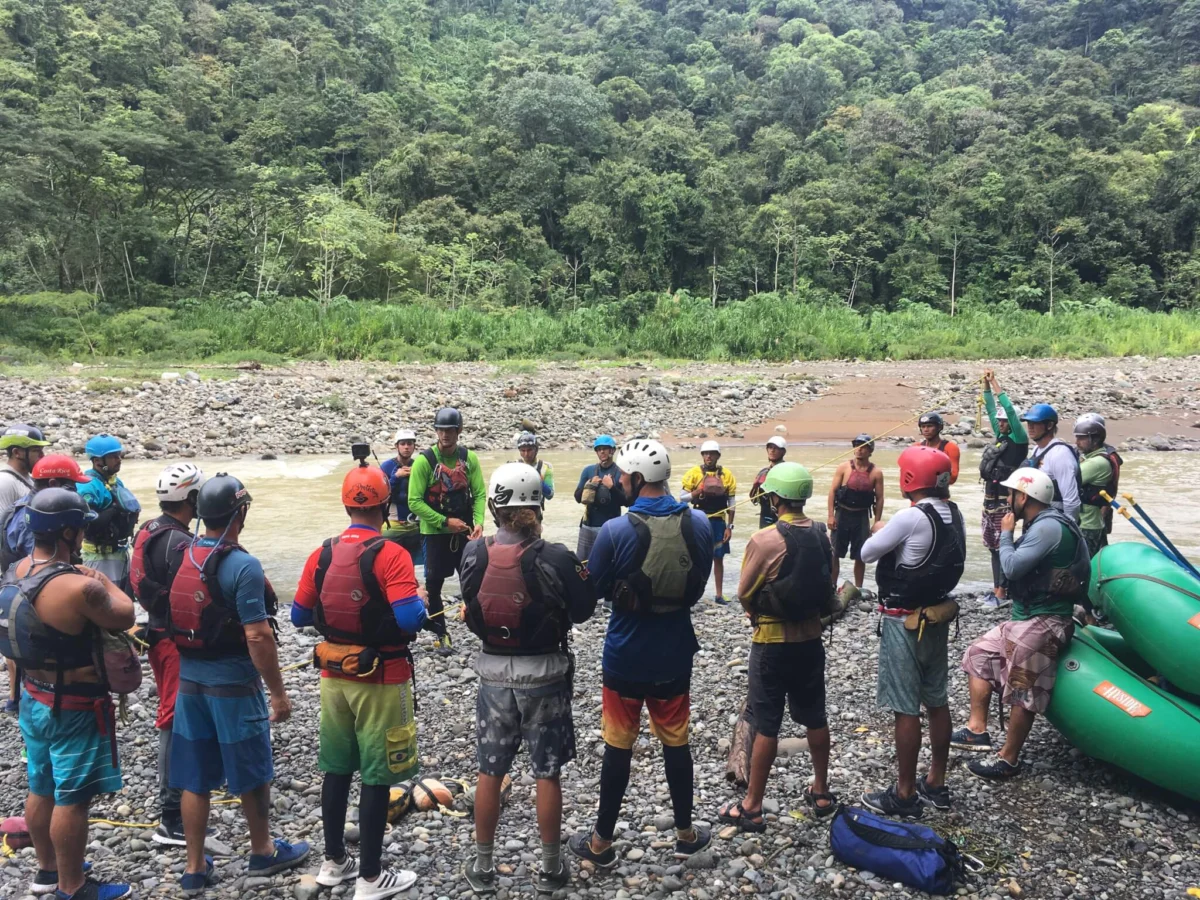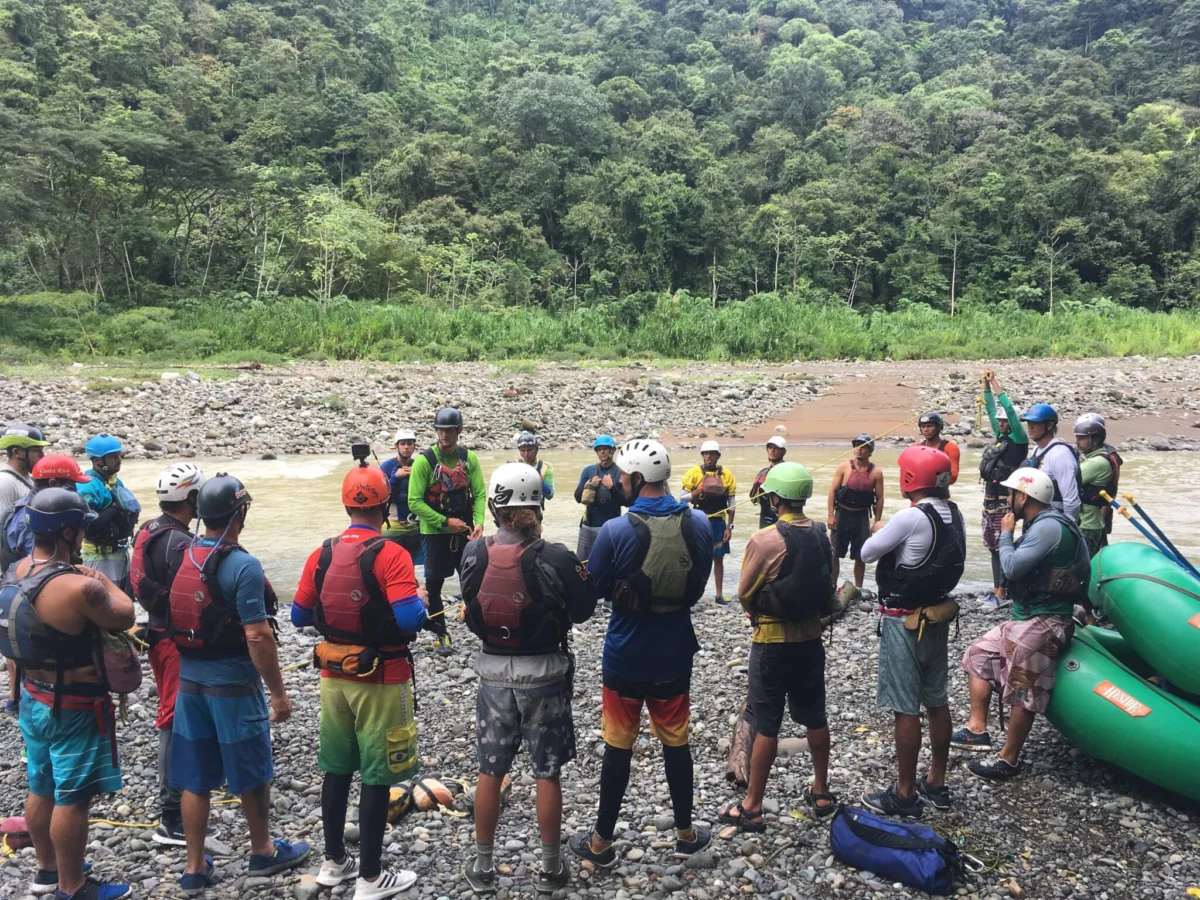
In the world of whitewater rafting, where the margin for error is measured in seconds and the environment is inherently dynamic, training is not merely a requirement—it is a lifeline. Recently, a landmark collaboration brought together the expertise of the Whitewater Rescue Institute and 50 of Costa Rica’s most seasoned rafting guides for an intensive, five-day swiftwater rescue immersion. Led by instructors Paul Heffernan and his colleague, the program served as a vital bridge between international rescue standards and the unique logistical realities of river operations in Central America.
Main Facts: The Pillars of River Safety
The primary objective of the training was to standardize emergency response protocols across a diverse group of professionals from various outfitters, including Amigos del Rio, Pro Rafting, Unique Tours, and H2O Adventures.
The curriculum focused on the "LAST" phases of rescue—Locate, Access, Stabilize, and Transport—ensuring that every participant could move from theory to execution under pressure. Beyond technical maneuvers, the training addressed the "Human Factor": situational awareness, the Incident Command System (ICS), and the necessity of establishing clear leadership during chaotic, high-stress, and remote-location emergencies.
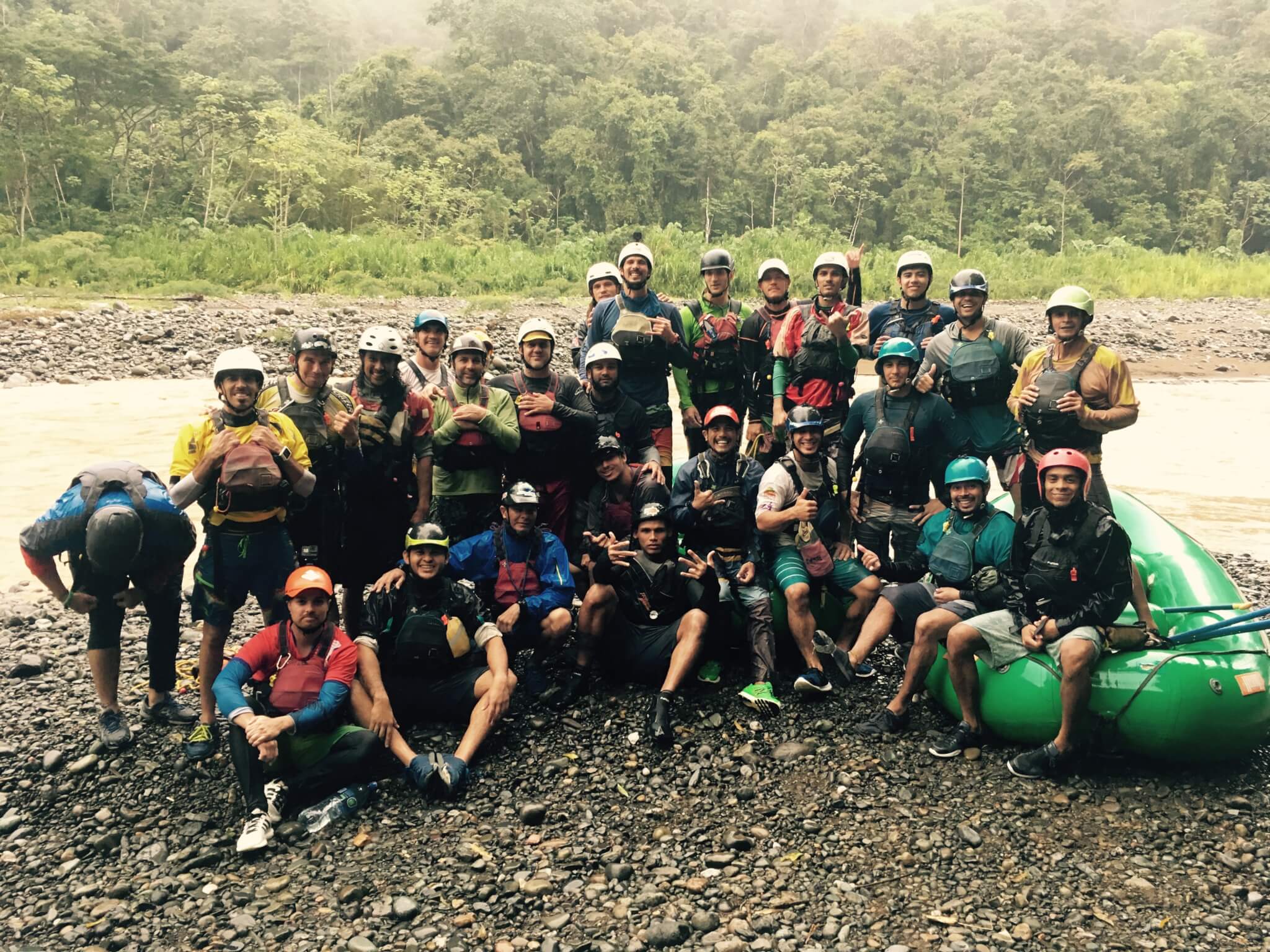
The training environment was the Rio Sevegre, a pristine and challenging waterway that provided a high-fidelity classroom. By practicing everything from basic swimming techniques to complex mechanical advantage systems, the guides not only sharpened their physical skills but also refined their decision-making processes, shifting from reactive impulses to a proactive, risk-managed mindset.
Chronology of the Five-Day Intensive
Days 1-2: The Foundation of Risk Management
The training commenced in the coastal town of Quepos. Here, the focus was on the cerebral aspect of rescue. Participants analyzed the fundamental principles of river hydrology, equipment maintenance, and organizational structure.
The instructors, both Emergency Medical Technicians (EMTs), found common ground with the local guides, many of whom hold certifications as Wilderness First Responders (WFR) or EMTs. This shared language allowed for deep, productive debates on emergency preplanning. The instructors emphasized that in remote Costa Rican canyons, where cell service is non-existent and professional EMS response may be hours away, the guide is the first, last, and only line of defense.

Days 3-5: The River as a Laboratory
The group transitioned to the Rio Sevegre, where the focus shifted from the whiteboard to the whitewater. The first order of business was "scene size-up." Before a single rope was thrown, the guides were taught to pause, assess, and choose the lowest-risk option in the "rescue hierarchy": Hello, Reach, Throw, Row, Tow, Go.
The subsequent days were marked by increasingly complex, multi-victim scenarios. These exercises were designed to test not only the ability to execute a Z-drag or a boat pin extraction but also the ability to communicate while wearing a helmet and life jacket amidst the roar of rapids. The instructors introduced intentional "hiccups" into these drills—simulated injuries, equipment failures, and communication breakdowns—to force the guides to adapt under duress.
Supporting Data and Technical Proficiencies
The technical training modules covered a rigorous set of competencies:

- In-Water Dynamics: Defensive and aggressive swimming, self-rescue, and shallow-water crossings.
- Technical Rigging: Knot tying, anchor building, mechanical advantage systems (Z-drags), and complex line crossings.
- Entrapment and Pins: Strategies for managing boat pins and foot/body entrapments, which remain the most dangerous variables in whitewater incidents.
- Medical Integration: Incorporating triage and trauma care into the rescue flow, ensuring that "stabilization" happens as efficiently as "access."
The instructors emphasized that the goal of these skills is not just to perform a rescue, but to perform a safe rescue. By practicing these maneuvers until they became muscle memory, the guides developed the ability to maintain "situational awareness"—the mental bandwidth to oversee the entire scene while performing specific technical tasks.
Official Perspectives: The Value of Local Expertise
One of the most profound takeaways from the training was the level of expertise already present within the Costa Rican guiding community. Because these professionals operate on their rivers nearly year-round, they possess an intimate, intuitive understanding of the Rio Sevegre and its sister rivers.
"The guides brought a considerable amount of training and experience to the classes," noted the lead instructors. "This made it a much more valuable learning experience."

The collaboration was supported by the Rafiki Safari Lodge, whose team provided the essential logistics and local knowledge that allowed the training to run seamlessly. The instructors credited individuals like Loki, Randall, Kenneth, and Allan for their coordination, highlighting that effective rescue training is a community-wide effort that transcends individual companies.
Implications for the Future of Commercial Rafting
The overarching implication of this training is a shift toward a more proactive, preventative culture. When rescue teams train for the "worst-case scenario," they become better at spotting hazards before they manifest into accidents.
Pre-Trip Briefings and Operational Readiness
A significant portion of the training was dedicated to the "Pre-Trip Briefing," which the instructors identified as the most effective tool in the guide’s kit. A comprehensive briefing includes:

- Environmental Assessment: Current flows, weather trends, and known hazards.
- Group Demographics: Age, fitness, and health considerations of the guests.
- Logistics: Identifying lead and sweep boats, spacing requirements, and emergency communication protocols.
- Evacuation Planning: A clear, pre-discussed roadmap for how to get an injured party out of a remote canyon.
A New Standard of Communication
Perhaps the most difficult challenge identified during the scenarios was communication. In a high-noise environment like a river, standard verbal commands often fail. The group reinforced the use of universal hand and whistle signals. Furthermore, they underscored the importance of the Incident Command System (ICS). By designating a single "Incident Commander" for every emergency, teams avoid the "too many cooks in the kitchen" phenomenon, ensuring that resources are deployed strategically rather than chaotically.
Conclusion: Pura Vida and Professionalism
The training concluded with a sense of accomplishment and a renewed commitment to safety. By blending international best practices with the local spirit of Pura Vida, these 50 guides have set a new benchmark for river safety in Central America.
The success of this program demonstrates that when professionals from different regions share knowledge, the entire industry benefits. As these guides return to their respective companies, they carry with them not just a set of new techniques, but a refined philosophy of risk management. For the guests who trust these guides with their lives on the Rio Sevegre and beyond, this training ensures that the thrill of the whitewater is matched by the highest possible standard of safety, preparedness, and professional dedication.

The rivers of Costa Rica are more than just a tourist destination; they are a dynamic environment that demands respect. Through this initiative, the local guiding community has proven they have the skills, the heart, and the organization to meet that demand.