Introduction: The Challenge of Fastwater Containment
For professional spill responders, the clock is the primary adversary. When hazardous materials or oil enter inland waterways—particularly high-velocity rivers—the window for effective containment is agonizingly brief. Whitewater Rescue Institute (WRI), a leader in specialized fastwater and inland oil spill response, has spent years refining the tactical deployment of containment booms. Historically, this work has been defined by physical strain, logistical complexity, and the constant threat of environmental degradation.
However, a recent shift in spill response technology is promising to alter the operational landscape. By moving away from traditional, labor-intensive heavy booms toward innovative, lightweight, and rapidly deployable systems, responders are discovering that speed and efficiency can be vastly improved without sacrificing structural integrity.
The Logistical Burden: Why Traditional Methods Fall Short
To understand the significance of recent technological advancements, one must first recognize the traditional realities of inland spill response. In typical scenarios, deploying a containment boom is a task that tests the physical limits of a response team.
The Heavy Lifting of Traditional Booms
Standard containment booms are bulky, heavy, and notoriously difficult to maneuver. Transporting 50 to 100-foot sections of boom from a response trailer across uneven, slippery, or overgrown riverbanks is physically exhausting. This process requires significant manpower and time—two commodities that are rarely available during an active spill.
The Physics of Fastwater
Deploying equipment in moving water adds a layer of complexity that borders on the extreme. The force exerted by a fast-flowing river can easily compromise traditional boom systems if they are not positioned with absolute precision. Every deployment is, by necessity, a high-stakes experiment in fluid dynamics and risk management. WRI’s ongoing training drills are designed to isolate these variables, but the physical fatigue of handling traditional equipment often remains the "weakest link" in a rapid-response chain.
Chronology of a Field Test: Putting Innovation to the Test
To evaluate emerging technologies, WRI recently conducted a series of intensive field trials on the Clark Fork River. These drills were designed to stress-test new gear against the harsh realities of fast-moving current and rugged terrain.
Phase I: Baseline Testing on the Upper Clark Fork
The first phase of the training focused on traditional boom vane collection strategies in the upper Clark Fork’s high-velocity currents. This established the performance benchmark for the team, reinforcing the standard logistical challenges associated with conventional, heavy-duty containment systems.
Phase II: The HARBO Introduction
During the second phase, the team integrated a new, lightweight boom system developed by HARBO Technologies. Initially, the response from veteran WRI staff was one of skepticism. The boom’s lightweight design appeared almost counterintuitive for the immense pressures of fastwater. However, the presence of HARBO technical representatives allowed for an immediate, transparent examination of the product’s engineering.
Phase III: The Deployment Evaluation
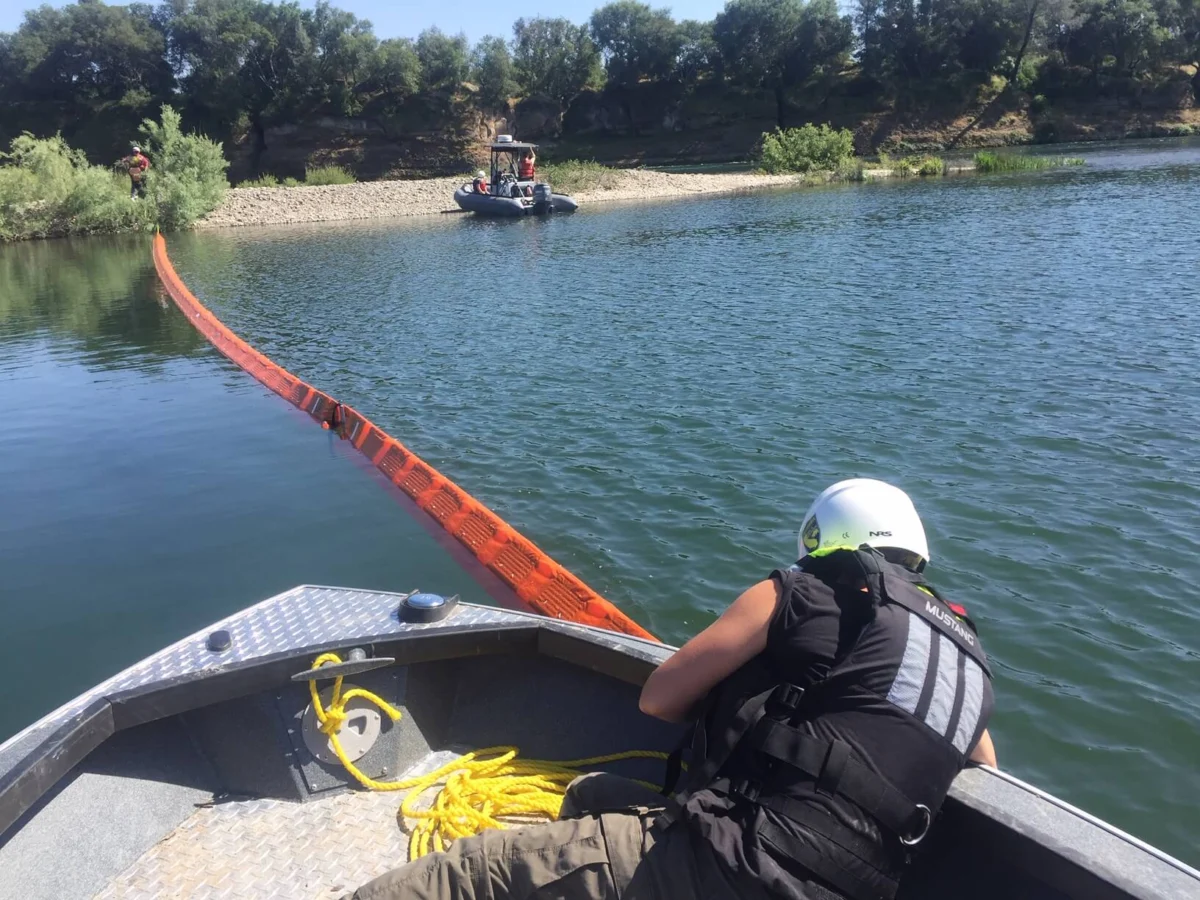
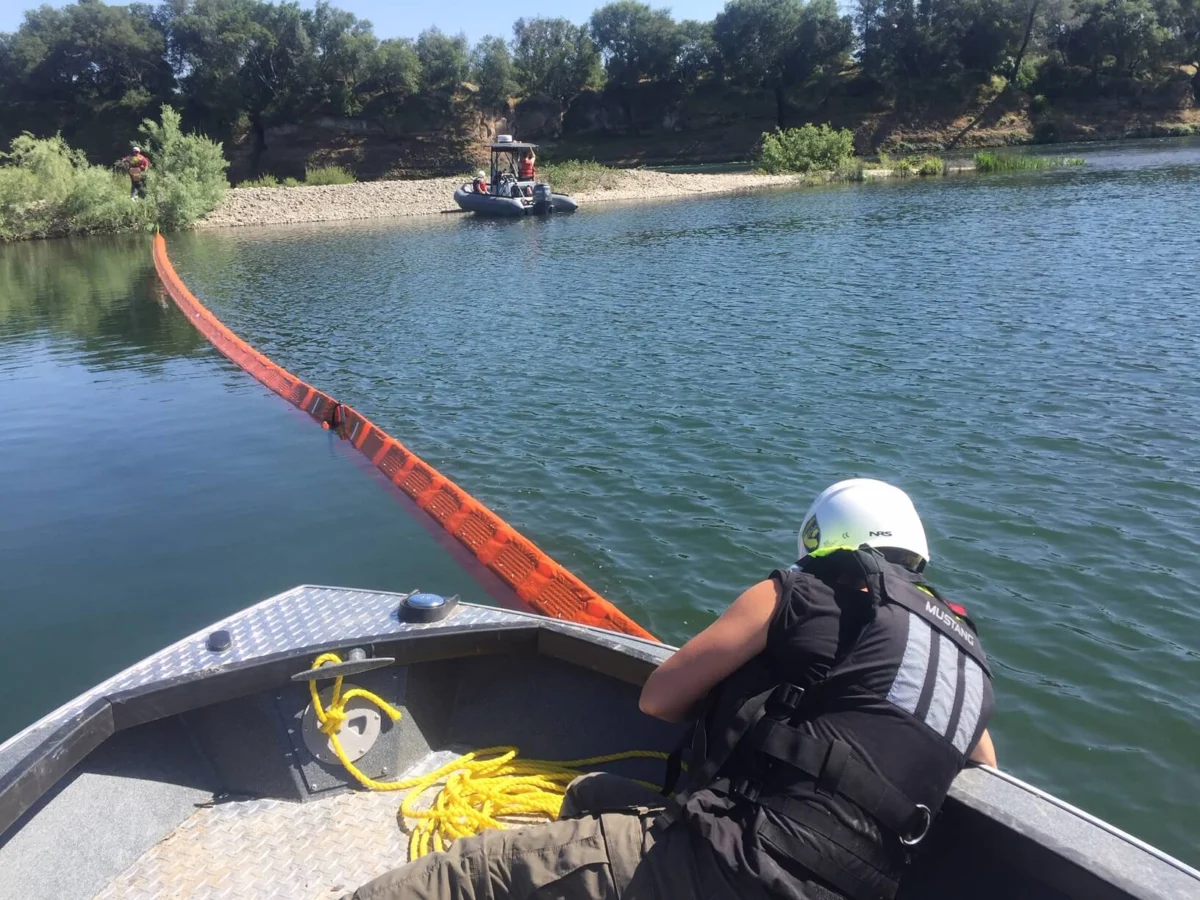
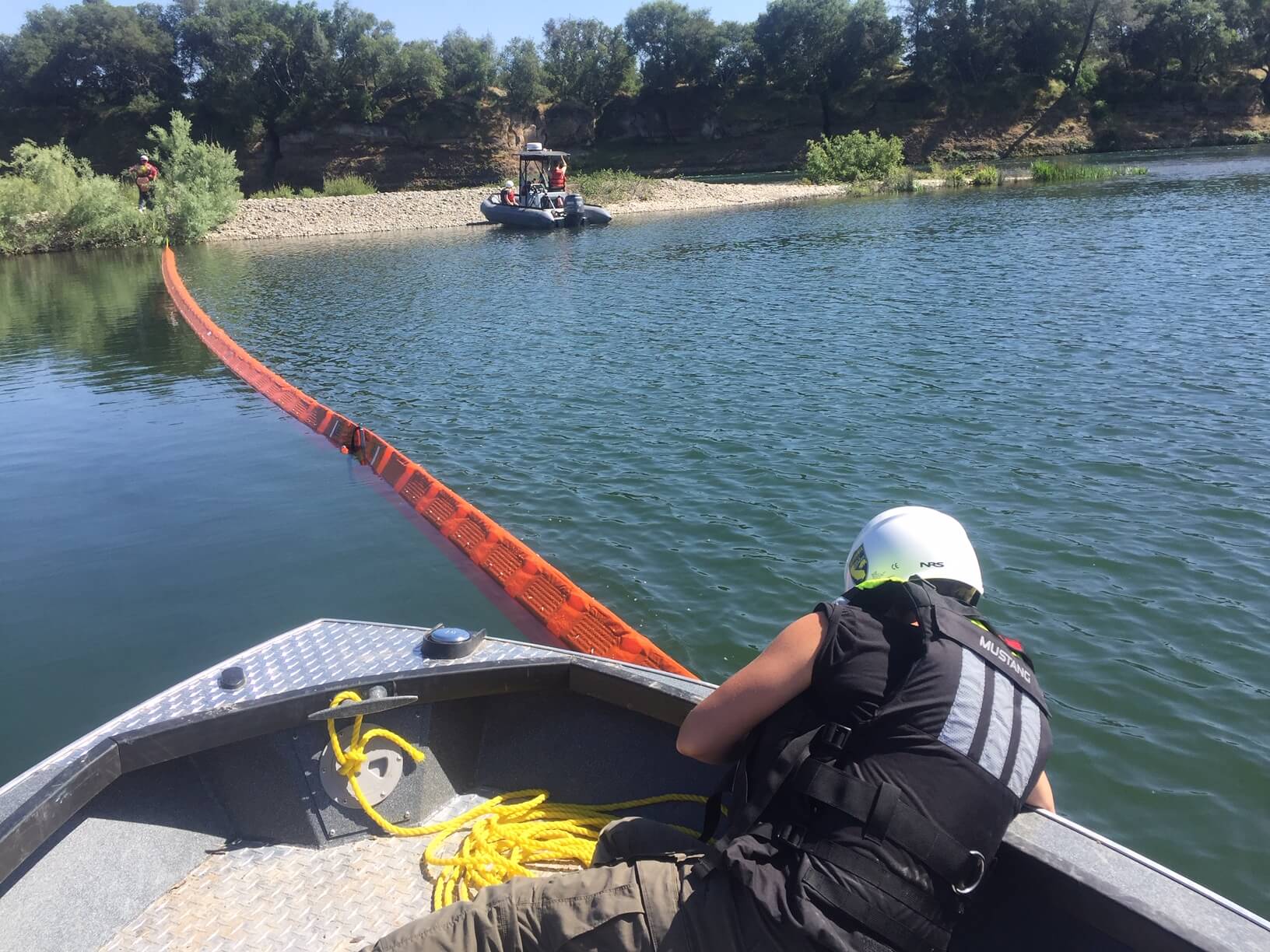
The deployment was executed in several configurations: shoreline protection, highline integration, and boom vane collection. Despite the team’s initial doubts regarding the boom’s buoyancy and structural strength, the results were unexpectedly positive. The deployment was completed in a fraction of the time typically required for legacy systems, and the performance in the current was comparable to—or in some cases, more stable than—standard 12-inch containment booms.
Supporting Data: Engineering the Future of Containment
The HARBO system represents a paradigm shift in how responders approach site setup. The core of its effectiveness lies in its unique storage and activation mechanisms.
Technical Specifications and Mechanics
- Portability: Approximately 80 feet of boom is housed within a 20-inch by 36-inch dry box. This allows for rapid transport by a single responder, bypassing the need for heavy trailers or multiple personnel.
- Activation: The boom is stored in a flat, compact state. Upon immersion in water, a series of internal, hydrophilic sponges absorb liquid, inflating the boom into a square structural profile. This process creates a self-contained float and curtain system.
- Structural Integrity: While the boom is lightweight, it utilizes high-strength nylon webbing running the length of the material to provide the necessary tensile strength for towing.
- Fluid Dynamics: By design, the hollow structure allows water to flow through it, which, rather than hindering the boom, actually strengthens its position in the current and adds stability to the curtain, preventing the common "entrainment" issues seen in traditional models.
Deployment Speed
In tests, a single responder was able to line out between 82 and 164 feet of boom along a shoreline with minimal effort. This capability could potentially reduce the "response time gap"—the critical period between the initial notification of a spill and the actual containment of the pollutant—by several hours in large-scale operations.
Official Responses and Professional Assessment
The feedback from the WRI field team, which consists of professionals with extensive backgrounds in spill response, was overwhelmingly positive.
"We were surprised by both its strength and effectiveness," reported a lead trainer from WRI. "As responders, we really appreciated the lightweight nature and the ease of deployment. It performed well, and we observed no entrainment issues, even in the fast-moving sections of the Clark Fork."
Addressing the Limitations
While the team was impressed, they were also pragmatic. The current iteration of the HARBO boom has specific limitations that the industry must consider:
- Single-Use Design: Because the internal sponges are engineered to inflate upon contact with water, the current product is essentially a one-time-use tool. Once the sponges have been used and dried, they no longer support the structure effectively.
- Training Costs: Given the single-use nature, conducting large-scale training exercises with the current model is prohibitively expensive.
- Shelf Life: The product currently has a five-year shelf life, necessitating a structured replacement cycle for organizations that stock it for emergency preparedness.
HARBO Technologies has acknowledged these hurdles, noting that they are actively developing a "training version" of the boom that will be reusable, which would address the primary economic barrier to widespread adoption.
Implications for the Industry
The success of this field trial has significant implications for sectors reliant on rapid inland spill response.
Enhanced Readiness for Industrial Facilities
Facilities such as harbors, oil refineries, and rail yards are often located in complex, high-traffic, or environmentally sensitive areas. Traditional heavy booms are often cumbersome to store and deploy quickly in these tight spaces. The compact, lightweight nature of the HARBO system allows for "pre-staging" equipment at strategic points, enabling site personnel to initiate containment without waiting for a full, heavy-equipment response team to arrive.
Tactical Versatility
The testing confirmed that the system is highly versatile, proving effective for:
- Containment: Creating a perimeter around a spill source.
- Deflection: Directing a spill toward a recovery zone.
- Collection: Working in tandem with boom vanes to recover product.
- Shoreline Protection: Rapidly shielding sensitive habitats from incoming slicks.
Future Outlook
As WRI continues to integrate this technology into their response toolkit, the spill response industry will be watching closely. The movement toward lightweight, "smart" technologies is inevitable. If the development of a reusable training variant proves successful, the barrier to entry for this technology will collapse, likely leading to a new standard in inland waterway protection.
In conclusion, the WRI field trials demonstrate that modern engineering can indeed solve age-old logistical problems. By prioritizing mobility and rapid activation, responders are no longer just reacting to spills—they are positioned to outpace them. While there is still room for further development regarding reusability and shelf-life economics, the fundamental performance of this new technology marks a significant victory for environmental protection and professional safety in the field.