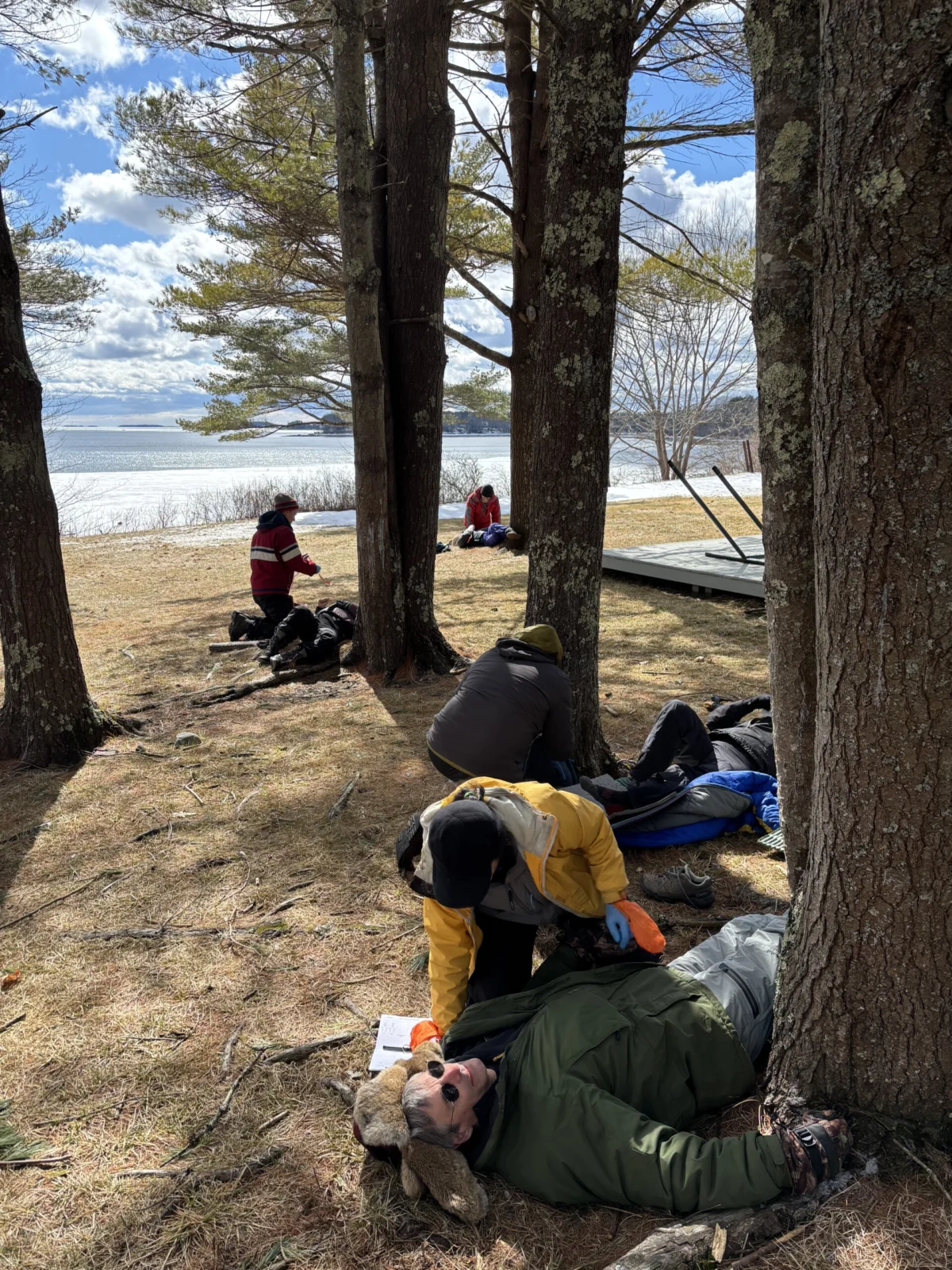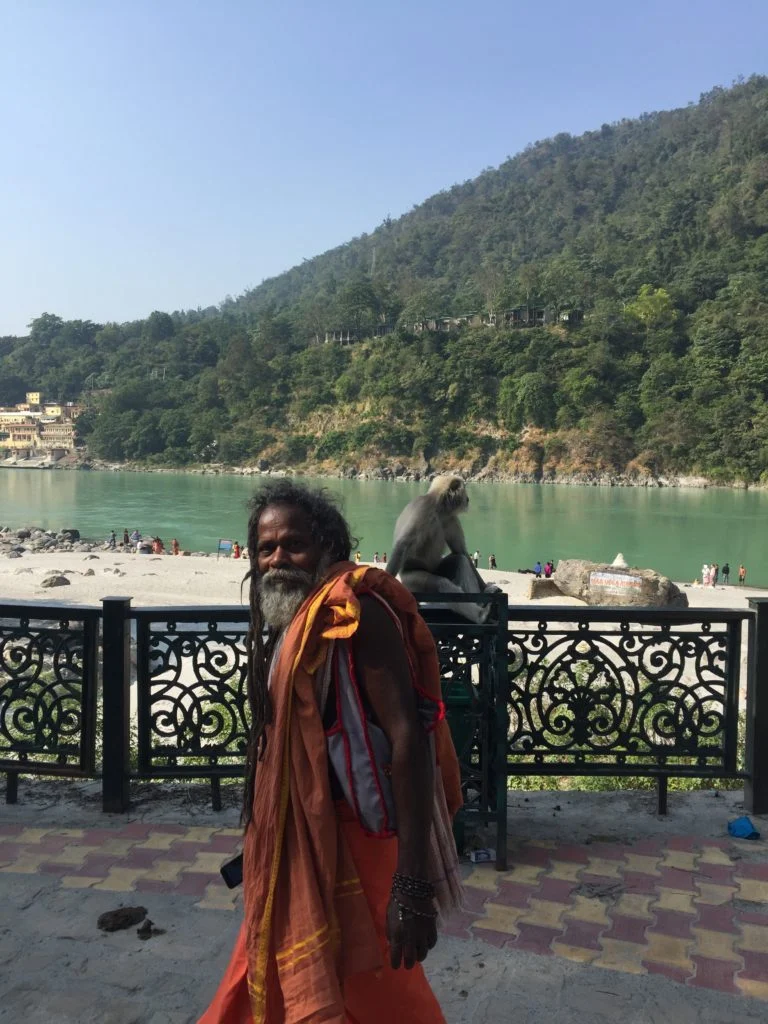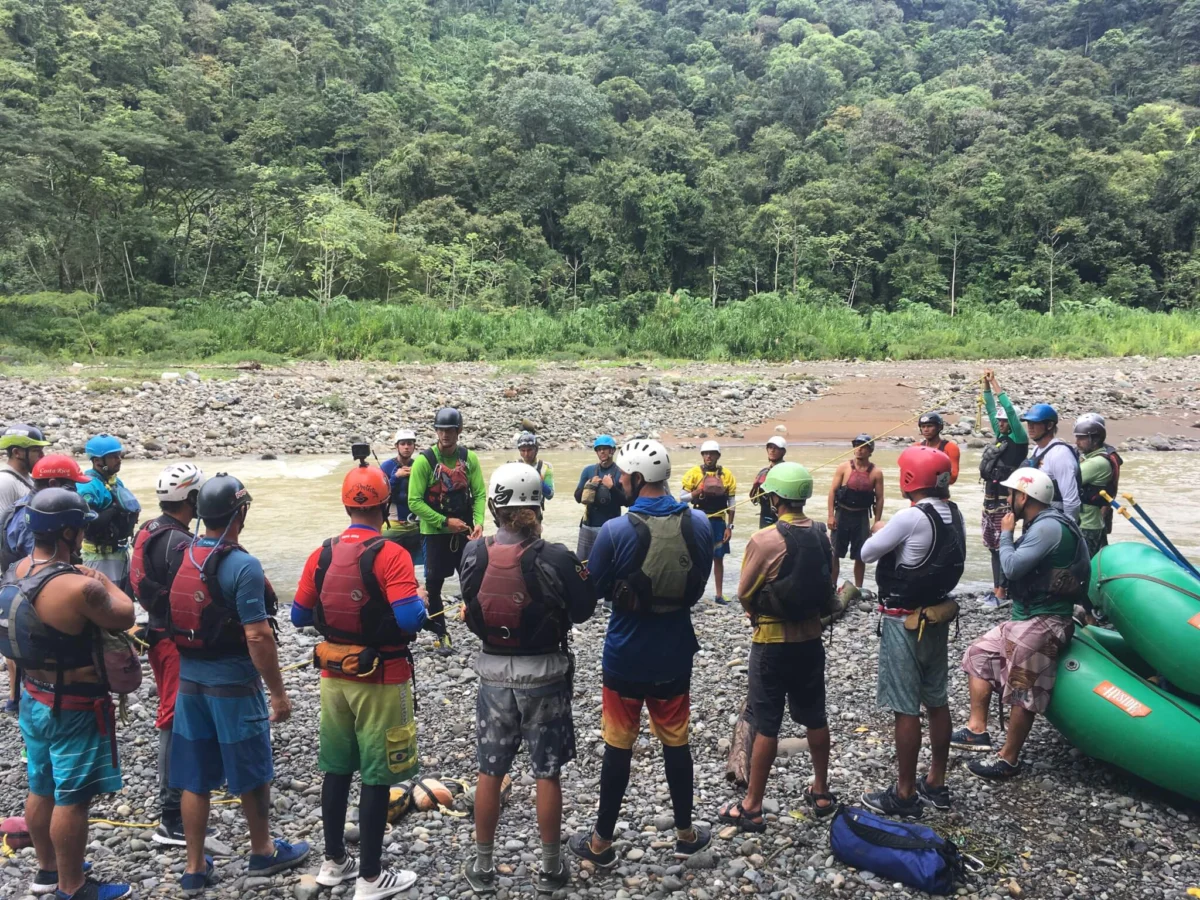
In November 2024, the Whitewater Rescue Institute (WRI) embarked on a mission that bridged continents, cultures, and currents. Instructors Ben Schmidt and Sam Johnston traveled to the heart of Northwestern India to conduct a series of intensive swiftwater rescue training programs for the professional guides at Aquaterra Adventures. This collaborative effort was designed to synthesize international safety standards with the indigenous, deep-rooted river expertise of local Indian guides, fostering a new era of safety collaboration on the Ganga and beyond.
Main Facts: A Bridge of Safety and Skill
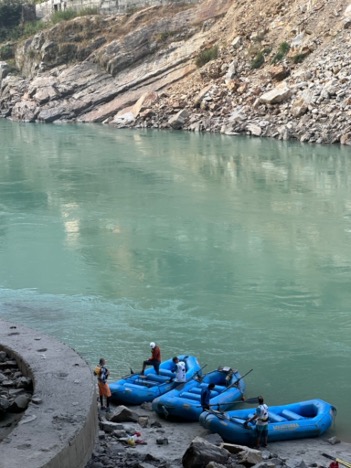
The initiative, hosted at the picturesque banks of the sacred Ganga near Rishikesh, sought to professionalize and standardize swiftwater rescue protocols for one of India’s most esteemed outdoor outfitters. Aquaterra Adventures, recognized as a regional leader in both high-stakes river expeditions and trekking, provided the ideal backdrop for the ten-day training intensive.
The partnership was rooted in the philosophy that safety is a universal language. Schmidt and Johnston brought the WRI’s proprietary curriculum—encompassing aggressive and defensive swimming, technical rope work, throw-bag mastery, and complex inflow rescue scenarios—to a team of guides who already possessed an intuitive, lifelong connection to the river. The collaboration was not a one-way transfer of knowledge, but rather a dynamic exchange between global best practices and the immense, humbling experience of local experts who have navigated some of the world’s most challenging mountain-fed rivers for decades.
A Chronology of Discovery: From the Ganga to the Brahmaputra
The journey began with an immersion into the sensory overload of Dehradun and the outskirts of Rishikesh. Upon arrival at the Aquaterra basecamp at Atali Ganga, the instructors were met with a landscape that redefined their perception of "remote." The basecamp, situated in the valley of the Ganga, served as the primary classroom. Here, amid towering trees and the constant, rhythmic churn of the turquoise river, the training commenced.

The first phase of the trip focused on rigorous academic and practical workshops. Each morning was dedicated to risk management principles, specifically the establishment of upstream and downstream safety protocols, while afternoons were spent in the water, refining technical maneuvers. By the conclusion of this ten-day stint, the guides were fully integrated into the WRI approach, creating a sustainable model for future internal training within Aquaterra.
Following the success on the Ganga, the expedition transitioned to its second, more formidable phase: the Brahmaputra River in Arunachal Pradesh. After a brief transit through New Delhi facilitated by Aquaterra owner Vaibhav Kala, the team flew to Dibrugarh. A grueling two-day drive into the rugged interior of Arunachal Pradesh brought them to the put-in for the Brahmaputra. This section of the journey was less about instruction and more about the application of wilderness expertise in one of the world’s most daunting whitewater environments.

Supporting Data: The Magnitude of the Brahmaputra
The Brahmaputra represents a pinnacle challenge for any whitewater athlete. According to data tracked by the instructors during the descent, the river displays immense power, with rapids featuring wave faces reaching 30 feet in height and lateral hydraulics the size of city buses. GPS metrics confirmed water speeds reaching 20 miles per hour.
Navigating these conditions requires more than raw strength; it demands synchronized teamwork and the ability to maintain composure under extreme duress. The expedition was led by veteran guide Rana G, who, having navigated this specific stretch 23 times, provided the authoritative leadership necessary to traverse the river’s massive volume safely. The success of the expedition was not merely a matter of luck but a testament to the rigorous, shared safety standards that the WRI team helped reinforce.

Official Perspectives and Cultural Exchange
The partnership between the Whitewater Rescue Institute and Aquaterra Adventures stands as a model for international outdoor industry collaboration. Vaibhav Kala, the driving force behind Aquaterra, played a pivotal role in the mission. His logistical support—ranging from navigating complex transport networks to providing essential cultural guidance—was cited by the WRI team as the primary reason for the trip’s operational success.
"The journey didn’t end with the training," noted Sam Johnston. "It evolved into a profound cultural immersion." The evenings spent around driftwood fires, sharing meals and stories with the local guides, revealed the human element behind the technical work. These guides, many of whom grew up on the tributaries of the Ganga, offered a perspective on river safety that was both intuitive and deeply respectful of the environment. The exchange was reciprocal; while the WRI provided the formal framework for rescue, the local guides provided the contextual wisdom required to apply those frameworks in high-stakes environments.

Implications: The Future of Global Swiftwater Rescue
The implications of this mission extend far beyond the successful navigation of the Brahmaputra’s rapids. By embedding WRI’s curriculum into the standard operations of an organization like Aquaterra, the initiative has effectively raised the baseline for safety in the Indian adventure tourism industry.
1. Standardization of Global Safety
The project demonstrates that while geography and river volume change, the fundamental principles of swiftwater rescue—risk management, communication, and technical proficiency—are universal. This model provides a blueprint for how international institutes can support emerging markets without displacing local expertise.

2. Environmental Stewardship
The expedition highlighted the responsibility of river professionals to act as stewards of the wild. By connecting with the local communities who prize the river not just for its whitewater, but for its role in their ecosystem, the instructors were reminded that safety is intrinsically linked to respect for the environment.
3. The Psychology of Expedition
The trip served as a poignant reminder that whitewater running is as much an internal journey as it is a physical one. As Johnston reflected, the goal is not to "conquer" the river—a feat that is physically impossible—but to overcome the internal barriers of fear and hesitation. This psychological resilience is a core component of the WRI’s training philosophy.

Conclusion: A Lasting Legacy
As the team departed India, they left behind more than just technical manuals and training logs. They left a network of professionals better equipped to handle the unpredictable nature of the river. The collaboration between the Whitewater Rescue Institute and Aquaterra Adventures serves as a testament to the power of shared knowledge.
The journey underscored a fundamental truth: every river bend holds a story, and it is the duty of those who traverse them to ensure that these stories are defined by safety, respect, and camaraderie. Whether navigating the turquoise swells of the Ganga or the roaring, 30-foot waves of the Brahmaputra, the spirit of the mission remains the same—to foster a community of river professionals who are not only skilled in rescue but are deeply committed to the protection of the wild places they call home.

This mission was not merely a professional endeavor; it was a bridge between cultures that will undoubtedly yield safer, more meaningful experiences for countless river enthusiasts in the years to come. The partnership has set a precedent for future collaborations, proving that when global expertise meets local grit, the resulting current is one of innovation and enduring safety.