In the high-stakes world of inland oil spill response, time is the ultimate currency. Every minute lost between the initial report of a spill and the successful deployment of containment measures exponentially increases the environmental impact and the complexity of the cleanup operation. For the specialized teams at Whitewater Rescue Institute (WRI), the goal has always been twofold: prioritize the safety of the responders and maximize the efficacy of containment.
Recently, WRI conducted a series of rigorous field tests on the Clark Fork River, evaluating cutting-edge spill response technologies designed to solve one of the industry’s most persistent challenges: the physical, labor-intensive burden of deploying traditional containment booms in fast-moving water. Among the technologies tested, the HARBO boom—a lightweight, rapidly deployable system—emerged as a potential game-changer for the industry.
The Challenge of Traditional Spill Containment
To understand why new technology is so critical, one must first look at the realities of traditional inland spill response. Historically, containment booms have been heavy, bulky, and difficult to manage. Standard 50-to-100-foot sections of industrial-grade containment boom are not only cumbersome to store but are notoriously difficult to transport across the uneven, often treacherous terrain that characterizes riverbanks and spill sites.
For responders, the process of manually loading and unloading these heavy units from trailers and hauling them to the water’s edge is among the most strenuous physical labor in the field. When compounded by the chaotic nature of an active spill—where the current is fast, the environment is unpredictable, and the urgency is extreme—this physical demand can lead to responder fatigue and delayed containment times.
WRI’s philosophy is rooted in constant experimentation. By treating each deployment as a controlled, high-stakes experiment, the institute works to refine tactics that balance risk management with rapid intervention. However, even with elite training, the physical constraints of traditional equipment remain a significant bottleneck.
Chronology of the Clark Fork Field Trials
Last week, the WRI team mobilized on the Clark Fork River to execute a series of drills designed to push current response methodologies to their limits. These drills were conducted in two distinct geographic locations, each presenting unique hydrological challenges.
Phase One: High-Velocity Collection
The first deployment focused on a traditional boom vane collection strategy in a section of the upper Clark Fork characterized by exceptionally fast currents. The objective was to test the efficiency of current techniques under high-stress, high-velocity conditions. This served as a baseline for the team to measure future innovations against established industry standards.
Phase Two: The HARBO Evaluation
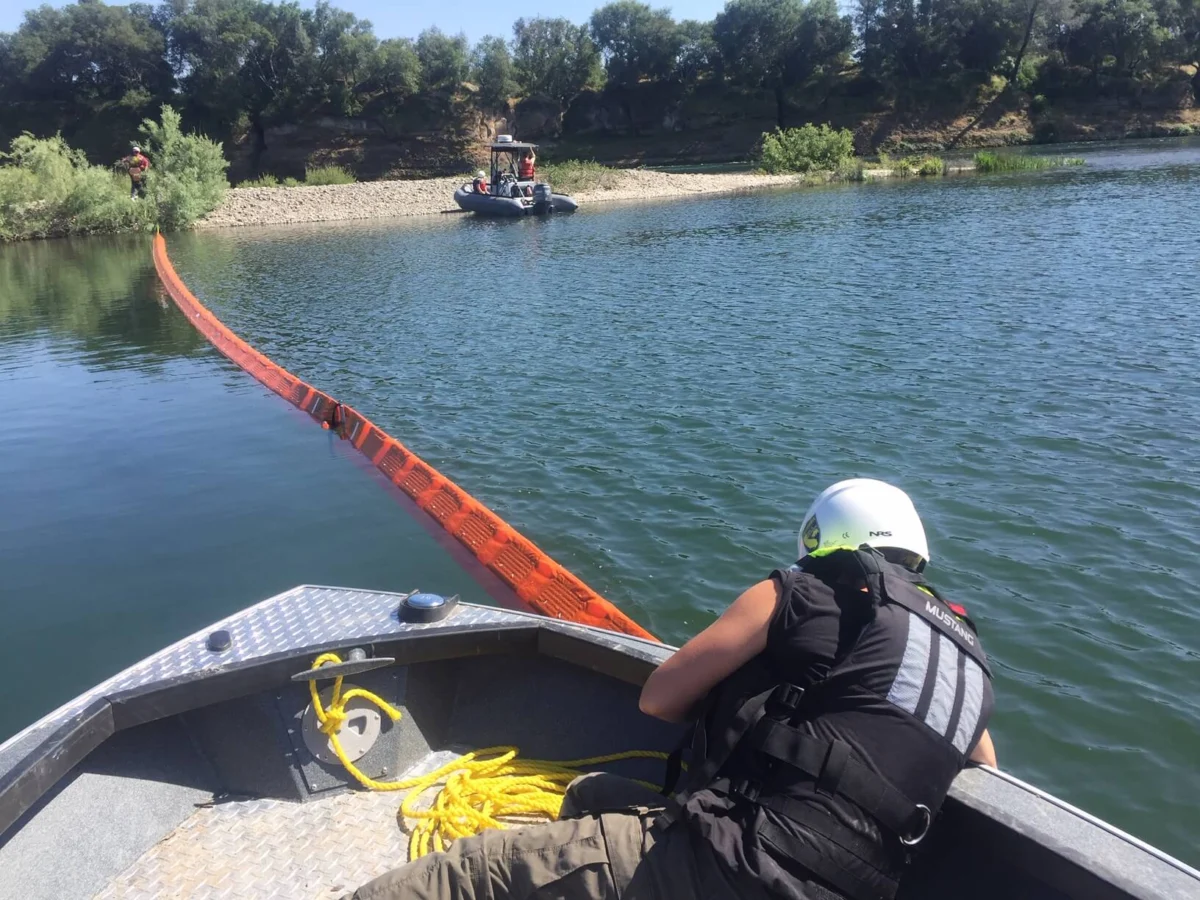
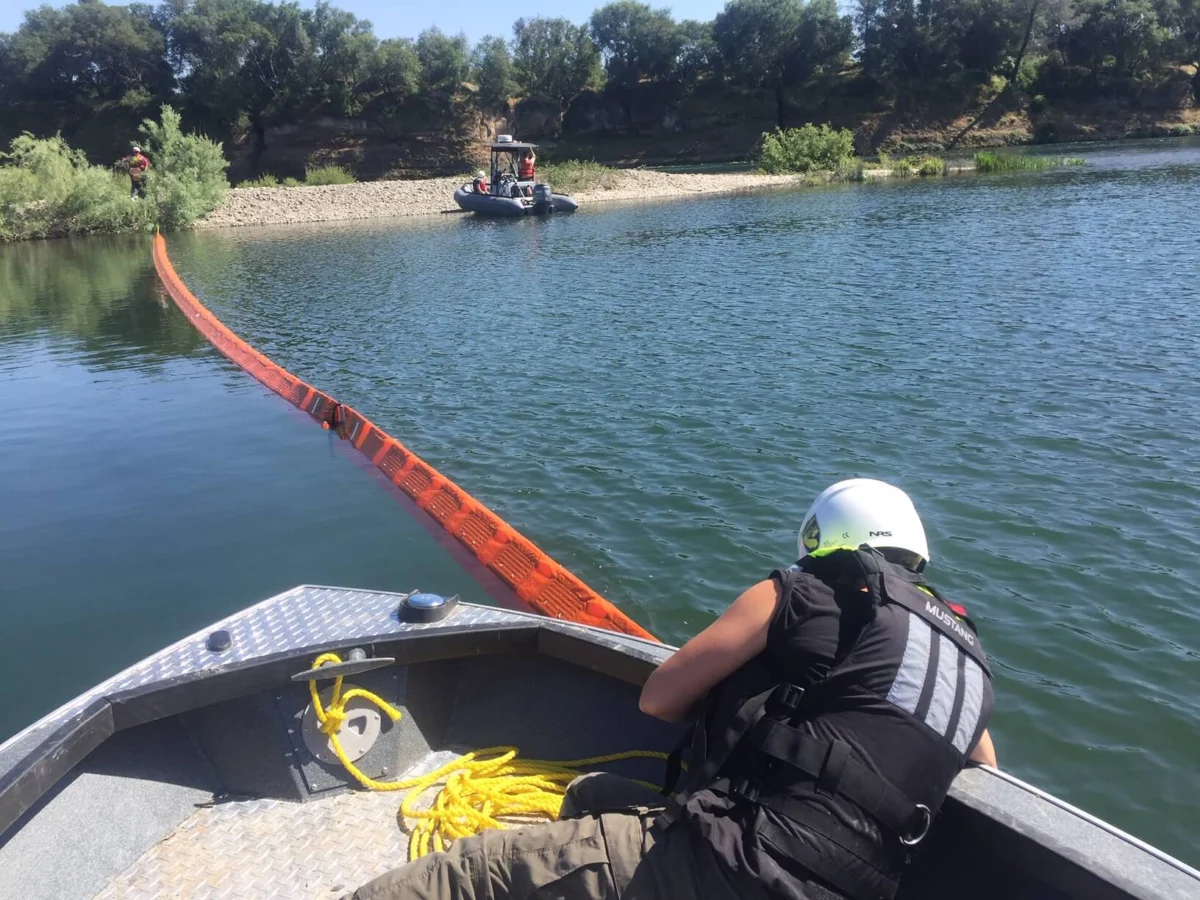
The second deployment introduced the HARBO containment system. The team approached the testing with a healthy dose of professional skepticism. The system’s lightweight construction was visually striking, but in the context of fast-water rescue, light weight is often equated with structural weakness. The WRI team questioned whether the boom could withstand the sheer kinetic force of the Clark Fork’s current without failing or collapsing.
Representatives from HARBO Technologies were present to provide technical oversight, offering insights into the boom’s unique design and mechanical properties. The test involved deploying the boom as shoreline protection and as a collection strategy using both a Highline and a traditional Boom Vane.
Technical Specifications and Operational Mechanics
The HARBO system represents a paradigm shift in how responders think about the "logistics of containment."
Deployment and Mechanics
The most immediate advantage observed by the WRI team was the portability of the product. Approximately 80 feet of containment boom is stored within a 20-by-36-inch dry box—a footprint that is remarkably small compared to traditional equipment.
The mechanism of action is equally innovative:
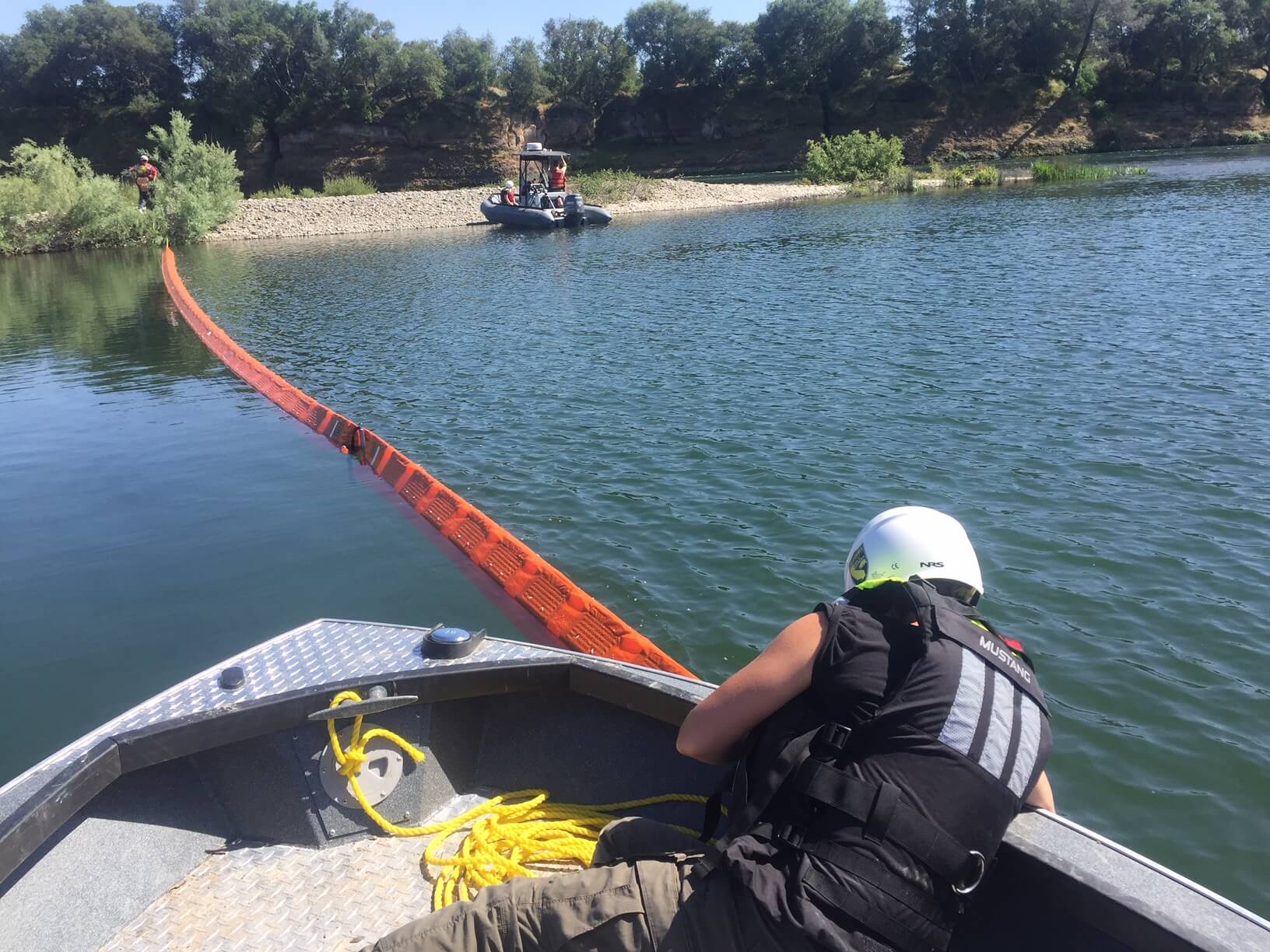
- Rapid Inflation: The boom is deployed in a flat, compact state. Upon immersion, a series of interior sponges absorb water, causing the boom to inflate into a square structure featuring a float and a vertical curtain.
- Structural Integrity: Contrary to the team’s initial fears regarding the boom’s strength, the design utilizes the current itself. Water flows through the hollow structure, providing ballast and internal pressure that stabilizes the curtain against the force of the river.
- Towing and Connectivity: A core of nylon webbing runs the length of the boom, providing the necessary tensile strength for towing. The universal connector plates, which utilize a simple single-pin design, allow for quick coupling, even in high-stress environments.
Implications for Industry and Infrastructure
The performance of the HARBO boom during the Clark Fork trials has significant implications for industrial facilities and environmental response agencies.
Dramatic Reductions in Response Time
The ability for a single responder to line out 82 to 164 feet of boom along a shoreline is a massive leap forward. In a traditional scenario, this task would require a team of several individuals to wrestle with heavy equipment. By minimizing the number of personnel required to initiate containment, facilities such as oil refineries, harbors, and rail yards can drastically reduce their "time to contain."
Versatility Across Scenarios
The WRI team noted that the HARBO system performed with a level of effectiveness comparable to the heavier 12-inch containment booms currently considered the industry standard. There was no observed "entrainment"—the process where the spill flows underneath or around the boom due to poor sealing—which is a common failure point for lighter-duty systems. Its versatility makes it an attractive tool for:
- Shoreline Protection: Preventing contaminants from reaching sensitive wetlands or riverbanks.
- Deflection: Directing a spill toward a designated recovery zone.
- Collection: Serving as the primary barrier in a containment strategy.
Limitations and Future Development
Despite the high praise from the field, the WRI team identified two primary hurdles that currently prevent the HARBO system from becoming a total replacement for traditional equipment.
The "One-Time Use" Limitation
Currently, the HARBO boom is designed as a single-use product. Once the internal sponges have been used and allowed to dry, they do not adequately support the structure for a second deployment. This creates a significant cost barrier, particularly for training exercises where equipment is used repeatedly.
Shelf Life Considerations
The product currently carries a five-year shelf life. This requires organizations to manage inventory turnover strictly to ensure that the equipment remains reliable in the event of an actual emergency.
The Path Forward
In response to these findings, HARBO Technologies has indicated that they are already in the process of developing a "training version" of the boom. This iteration is expected to address the reusability issue, allowing organizations to conduct frequent, high-fidelity drills without the recurring cost of new inventory.
Conclusion: A New Tool for the Modern Responder
The integration of advanced, lightweight materials into spill response is no longer a luxury; it is a necessity for organizations looking to improve their safety and efficiency metrics. The WRI team’s evaluation of the HARBO system underscores a vital truth in the emergency response industry: innovation succeeds when it reduces the physical strain on the responder while simultaneously increasing the speed of the technical operation.
While the current version of the HARBO boom may be limited by its single-use nature and shelf-life constraints, its performance in fast-water conditions is undeniably impressive. For agencies tasked with protecting our inland waterways, this technology offers a glimpse into a more agile future—one where rapid containment is not limited by the weight of the gear, but empowered by the smart design of the solution. As WRI continues to monitor the evolution of this technology, the industry at large will be watching to see if these lightweight systems become the new backbone of inland spill response.