In the high-stakes world of inland oil spill response, time is the ultimate currency. When hazardous materials hit fast-moving river systems, the window for effective containment can be measured in minutes, not hours. For years, the industry has relied on traditional, labor-intensive containment booms—heavy, cumbersome equipment that demands significant manpower and time to transport over rugged terrain.
However, a recent series of field trials conducted by White Water Rescue Institute (WRI) on Montana’s Clark Fork River suggests that the paradigm is shifting. By integrating emerging, lightweight technologies like those developed by Harbo Technologies, responders are discovering that efficiency, speed, and structural integrity are no longer mutually exclusive.
Main Facts: The Challenge of Fastwater Containment
Traditional spill response in riverine environments is notoriously difficult. Standard containment booms, often measuring 12 inches or more in diameter, are designed for durability but lack portability. For a response team, the logistics of moving 50- to 100-foot lengths of heavy-duty boom from a trailer to a riverbank—often through dense brush, steep embankments, or slippery rocks—is perhaps the most physically taxing aspect of the job.
The primary objective of any spill response is to minimize environmental impact through rapid containment. When boom deployment takes too long due to weight constraints, the spill spreads, increasing the complexity of the cleanup and the cost of remediation. WRI’s recent experiments focus on overcoming these physical barriers by testing modular, lightweight alternatives that prioritize rapid mobilization without sacrificing the necessary strength to hold back contaminants in swift currents.
Chronology: Testing Innovation on the Clark Fork
To rigorously evaluate new response technologies, WRI recently executed a two-part field exercise on the Clark Fork River, a waterway characterized by its variable, often aggressive, current.
Phase I: Conventional Benchmarking
The first phase of the drill served as a baseline, focusing on traditional boom vane collection strategies in the upper Clark Fork’s high-velocity sections. This phase underscored the limitations of standard equipment, where the shear force of the water requires significant ballast and heavy-duty anchors, often necessitating large teams to manage the drag and tension forces acting upon the boom.
Phase II: The Harbo Integration
The second phase introduced the Harbo Technologies boom system. The WRI team approached the technology with a healthy degree of skepticism. Given the lightweight design, there was immediate concern regarding "entrainment"—the process where the force of the water pulls oil under or around the boom, rendering it useless.
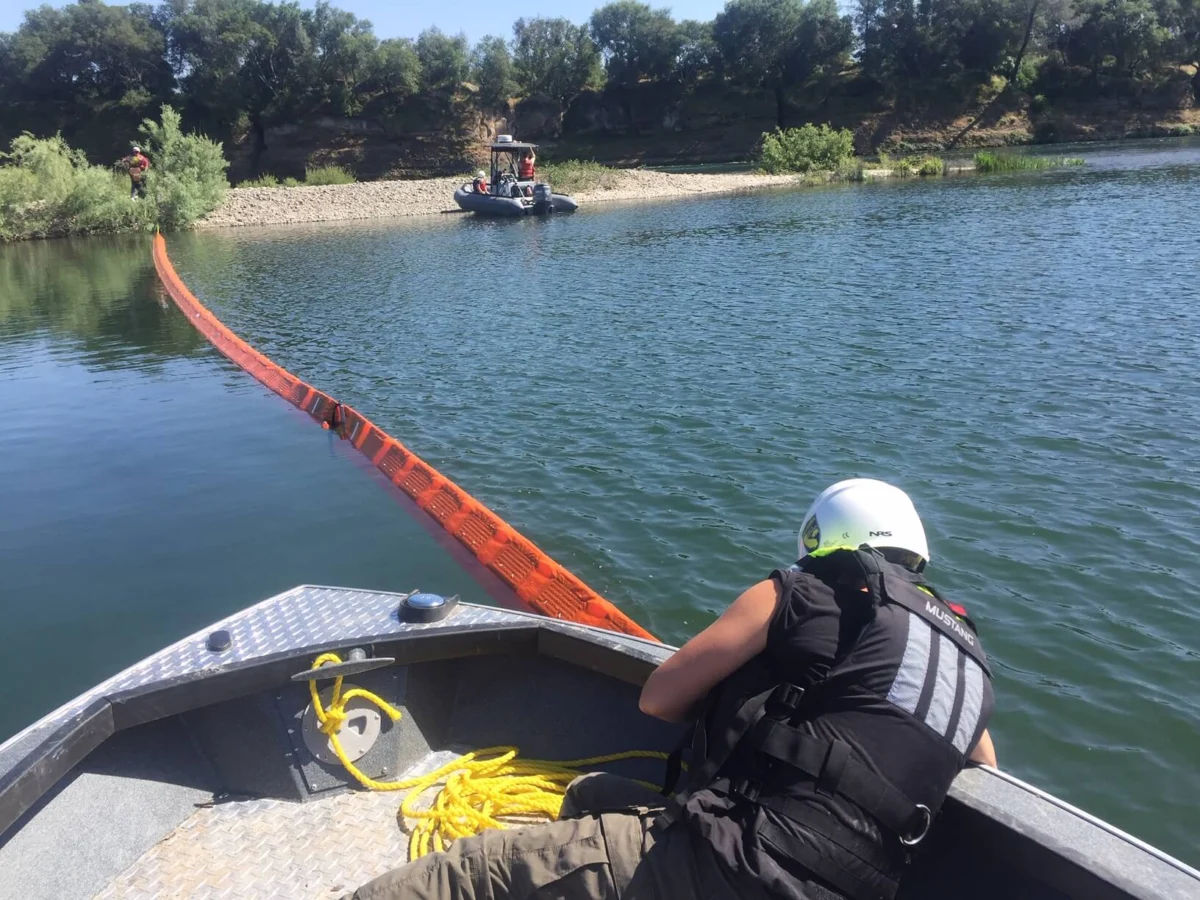
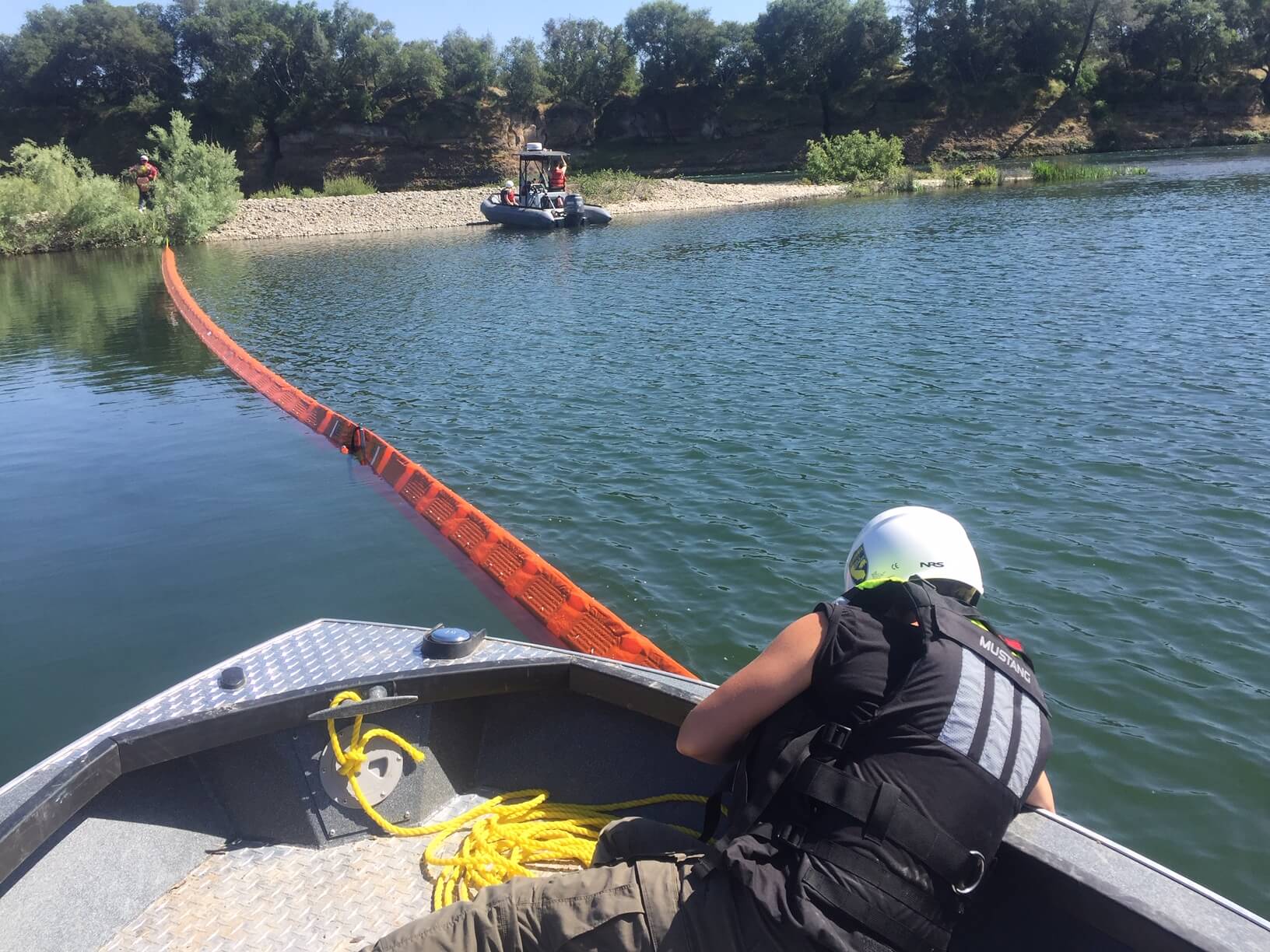
The deployment process, however, defied initial expectations. The Harbo system, which stores approximately 80 feet of boom in a compact 20-inch by 36-inch container, allowed for a single responder to line out over 80 feet of barrier along the shoreline in seconds. Once immersed, the boom’s internal sponge technology automatically triggered, inflating the structure into a rigid square configuration with a built-in float and curtain. By the end of the day, the data from the trial showed that the lightweight boom performed with parity to traditional 12-inch heavy-duty gear.
Supporting Data: Why Lightweight Matters
The effectiveness of the Harbo system lies in its clever application of fluid dynamics and material science. Key metrics from the WRI trial include:
- Portability: The transition from bulk, heavy-trailer transport to man-portable "dry box" containers reduces the staging time by an estimated 60–70%.
- Deployment Speed: A single responder can deploy up to 164 feet of boom, a task that would traditionally require a three-to-four-person crew.
- Structural Stability: The boom utilizes a hollow structure that allows water to flow through, creating a stabilizing force rather than acting as a simple wall that "sails" or collapses under current pressure.
- Tensile Strength: Despite its low profile, the nylon webbing running the length of the boom provides the necessary strength to withstand the towing and tension forces encountered in fastwater environments.
Official Responses and Industry Implications
The success of these trials has sparked a broader conversation within the environmental response community. According to representatives from Harbo Technologies who were present during the trials, the goal is to bridge the gap between "first response" and "full-scale containment."
The "First Responder" Advantage
For facilities such as industrial harbors, oil refineries, and rail yards located near sensitive waterways, the implication is clear: response times can be slashed by placing pre-staged, lightweight booms in strategic locations. Because these systems require minimal personnel, security or maintenance staff could potentially begin initial containment long before a specialized hazmat team arrives on the scene.
Addressing the Limitations
Despite the praise, WRI’s report highlighted critical areas for development. Currently, the Harbo boom is a "single-use" product. The internal sponges that facilitate inflation do not reliably reset after drying, making it a costly training tool. Furthermore, the shelf life of the materials is capped at five years, necessitating a rotation schedule for any facility that keeps them in inventory.
Harbo Technologies has acknowledged these hurdles, confirming they are currently in the development phase for a reusable "training version" of the boom. This would solve the cost-prohibitive nature of using the equipment for regular drills, allowing teams to gain muscle memory without the recurring expense of replacing the hardware.
The Future of Spill Response
The shift toward lightweight, modular technology represents a maturation of the industry. For years, the default was "bigger and heavier is better." WRI’s recent findings prove that "smarter and more portable" is the new benchmark.
As climate patterns shift and industrial activity continues to intersect with vital river systems, the need for agile, rapid-response equipment has never been greater. The ability to contain a spill at the source, within the first few minutes, is the difference between a minor incident and an environmental catastrophe.
Final Assessment
The WRI team has indicated that they intend to incorporate the Harbo system into their permanent response arsenal. For the wider spill response industry, the takeaway is equally significant: innovation is not just about the chemistry of the containment, but the logistics of the deployment. By reducing the physical toll on responders and the time required to mobilize, these new technologies are effectively "buying time"—a commodity that, in the event of an oil spill, is absolutely priceless.
As the technology matures, particularly with the introduction of reusable training models, it is highly probable that we will see a rapid adoption rate across the sector. This evolution ensures that when the next inland spill occurs, responders will be better equipped to meet the water on its own terms, safely, quickly, and with greater precision than ever before.