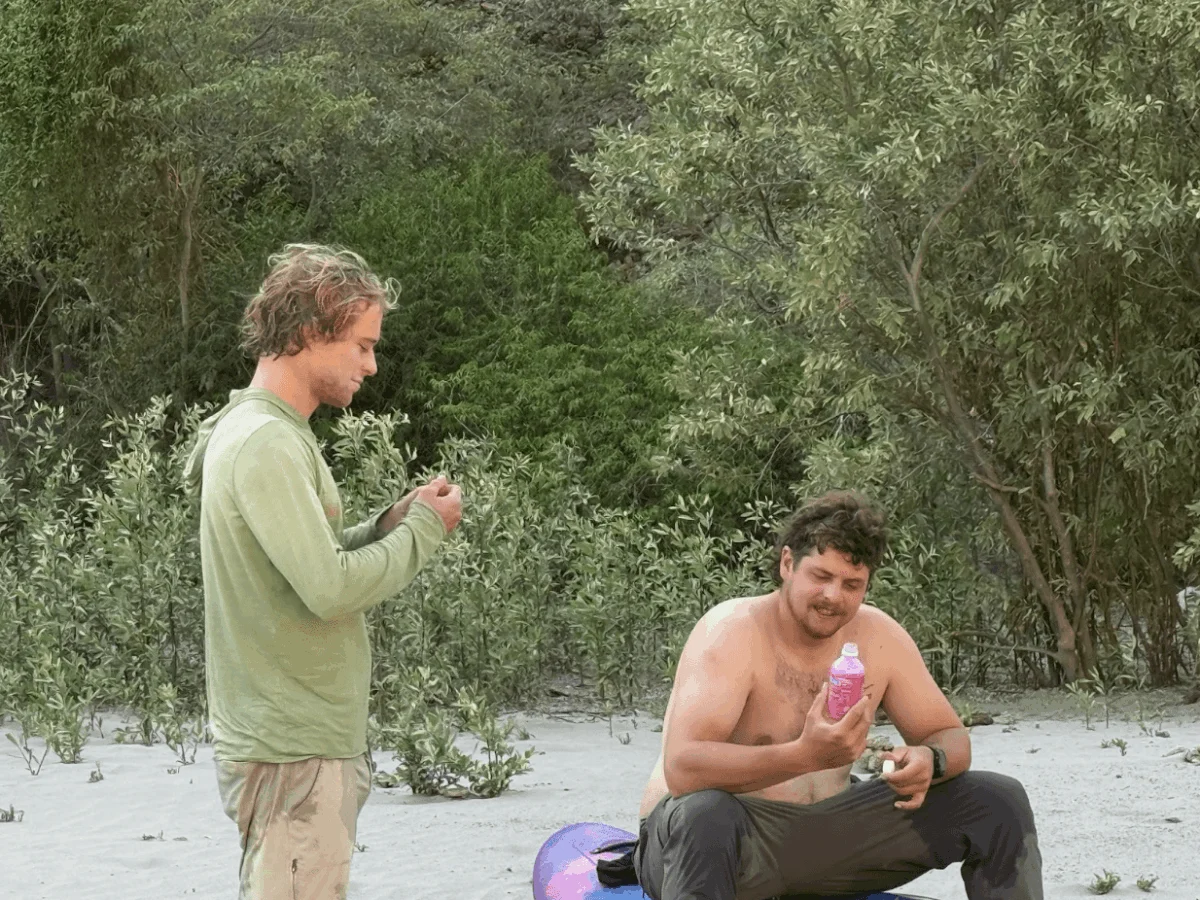
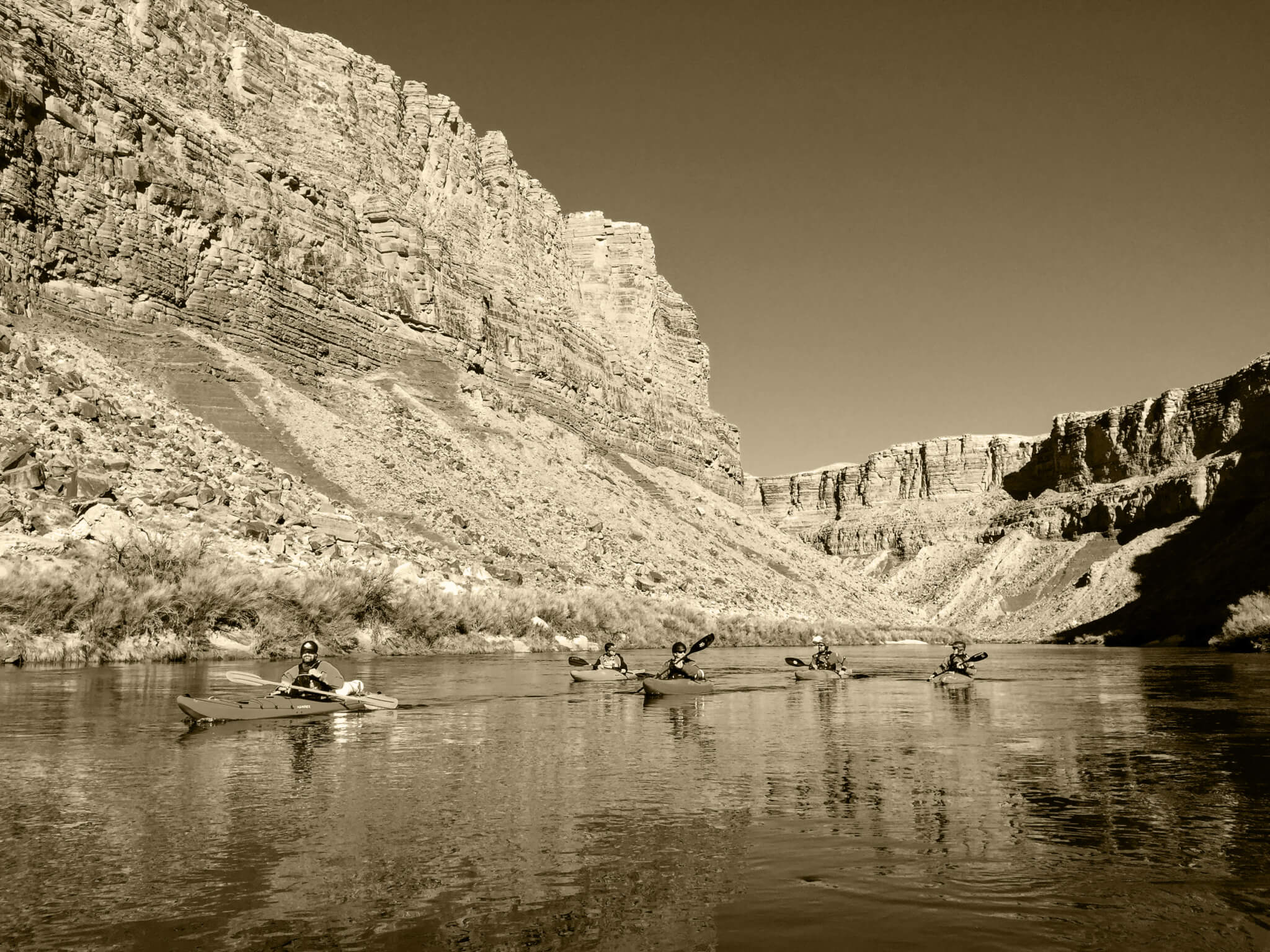
On January 26, a team of four seasoned WRI instructors—Paul Heffernan, Matt O’Reilly, Frank Preston, and Cody Harris—embarked on an ambitious, self-supported kayak expedition through the heart of the Grand Canyon. What began as a logistical challenge at Lees Ferry evolved into a transformative journey that tested the limits of endurance, gear, and human spirit.
Following the expedition, a series of intimate, handwritten letters were discovered tucked away in the bottom of a drybag. These dispatches, penned by an anonymous team member who adopted the moniker “Little Spoon,” provide a rare, ground-level look at the nuances of a self-supported descent. From the brutal weight of loaded boats to the philosophical weight of history, these logs serve as a comprehensive resource for any paddler looking to understand the mechanics and the majesty of the Colorado River.
The Logistics of Self-Sufficiency
The expedition was defined by a radical commitment to self-reliance. Unlike commercial trips that rely on support rafts to haul gear, this group of 10 paddlers operated on a strictly self-contained model. Each participant was responsible for their own kitchen, food plan, and camp infrastructure.
The logistics of this approach are formidable. On day one, the team struggled to distribute upwards of 175 to 200 pounds of gear into their individual kayaks. The result was a fleet of boats that handled, in the words of our chronicler, “about as well as a hungry burro in sight of a barn.” The group gear was intentionally minimized, limited to a segmented fire pan, a primary first-aid kit, and a small repair kit, strategically carried by the trip leader to balance the load.

A Chronological Descent: Miles 0–280
The Early Miles (Day 1–3)
The expedition launched from Lees Ferry under clear, 70-degree skies. The initial miles were a period of acclimation. By the end of the first day, the group had navigated 21 miles, including the notorious House Rock Rapid. The toll of the first day was immediate: one lost GoPro and a single swimmer, serving as a sobering reminder of the river’s power.
As the team moved toward the “Roaring 20s”—a section of the river defined by a series of high-energy rapids—they began to find their rhythm. By day two, the group had reached President Harding Rapid. The transition from the high-energy whitewater of the upper reaches to the flatwater sections provided the paddlers with time to explore the geological wonders of the canyon, including the Red Wall Cavern and the Silver Grotto at Shinumo Wash.

Entering the Inner Gorge (Day 4–6)
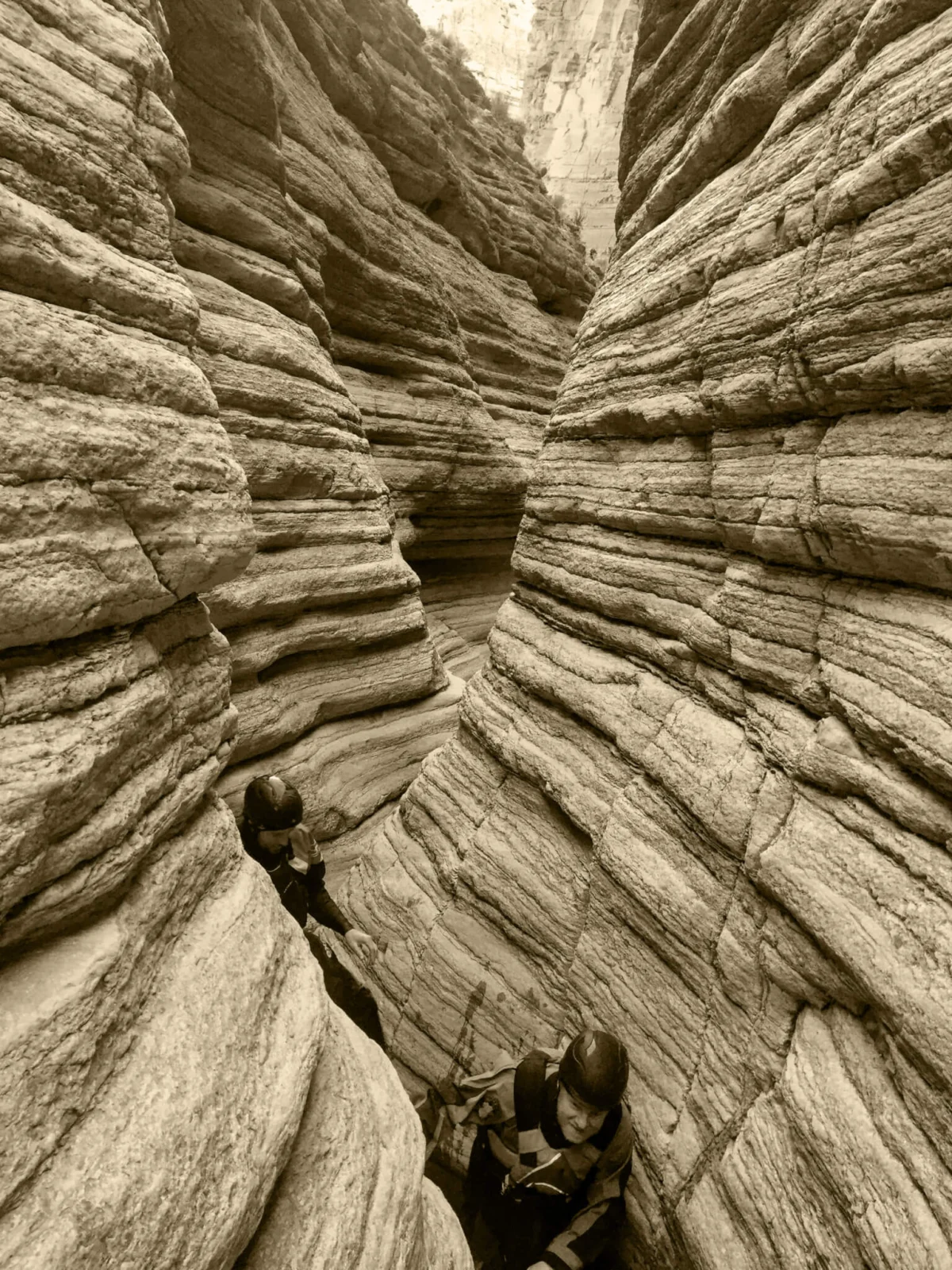
Day four marked a dramatic shift in both scenery and intensity. As the river turned east, the canyon walls tightened into the dark, imposing schist and granite of the Inner Gorge. This is where the true character of the expedition shifted from a river trip to a wilderness experience.
“One cannot help but imagine how the first explorers of this river must have felt as the dark and ominous rock squeezes in on the river,” the chronicler wrote. The team navigated legendary rapids, including Hance, Sockdolager, Horn Creek, and Crystal. The leadership of the group became a focal point here; while some paddlers chose to skirt the “meat” of the larger features, the expedition leader set a standard of technical precision and bravery, charging through the largest waves.

The Mid-Canyon Grind (Day 7–8)
By day seven, the team had covered 34 miles, their longest stretch yet. This phase was defined by high-intensity activity, including runs through Lava Falls and exploratory hikes through Havasu. However, the physical toll began to set in. The chronicler noted a personal struggle with fatigue and the persistent, nagging doubt that often accompanies long-distance self-support trips. The camaraderie of the team and the routine of the camp—playing cards in a tent during the first bout of inclement weather—became the glue holding the expedition together.
The Final Stretch and the Legacy of Powell (Day 9–10)
The final days of the trip were marked by deep reflection. At Separation Canyon, the site where three members of the John Wesley Powell expedition famously chose to hike out of the canyon rather than face the unknown rapids ahead, the modern team found perspective.

“Had it not been for the mentorship and daily coaching from our leader, I too would have climbed out of this canyon,” the author reflected. The realization that they were navigating the same obstacles that once broke the spirits of the original explorers added a layer of historical gravity to the final miles. As they reached the silt-heavy, domesticated waters of Lake Mead, the team witnessed the stark reality of the drought-stricken West. The river, once blocked by the concrete of Hoover Dam, is in a constant, slow-motion battle to reclaim its path.
Insights and Supporting Data
For the aspiring paddler, the lessons gathered from these dispatches are invaluable:

- Food Strategy: The choice between freeze-dried food versus fresh, vacuum-sealed meals represents a classic trade-off. While freeze-dried food reduces the weight in the boat and the volume in the waste system (the “groover”), fresh food provides a significant morale boost at camp.
- Gear Failures: The importance of redundant systems was highlighted by the failure of inflatable sleeping pads. Those who did not carry a reliable repair kit were relegated to sleeping on spare clothing, a lesson in the unforgiving nature of the canyon environment.
- Water Management: The team relied on natural springs and tributaries for drinking water, carrying approximately 4 liters at a time. This required precise planning, as relying on the silty river water is not a viable long-term solution for hydration.
- The Psychological Element: The most significant finding was the necessity of strong leadership. A self-supported trip is not just a test of paddling skill; it is a test of emotional regulation and collective decision-making.
Professional Perspective
The WRI (Whitewater Rescue Institute) instructors involved in this expedition demonstrate that the Grand Canyon is not merely a venue for recreation, but a classroom for resilience. Their commitment to a self-supported model honors the traditions of the early explorers while utilizing modern equipment to manage the inherent risks of the Colorado River.
The anonymous author’s admission of doubt—the feeling of being “a hungry burro” on day one, and the feeling of insignificance in the face of the Inner Gorge—resonates with anyone who has committed themselves to a multi-day wilderness objective. It reinforces the idea that true expedition-style paddling is as much about the management of the mind as it is about the management of the water.

Implications for Future Expeditions
The journey from Lees Ferry to Pearce Ferry is more than a 280-mile boat trip. It is a lesson in humility. The current state of the Colorado River, heavily impacted by the fluctuations of Lake Mead, serves as a poignant reminder that human influence on the environment is often temporary, while the river’s drive to reach the sea is absolute.
For those planning a similar self-support, the takeaway is clear: success is found in the preparation of the small details. From the way you pack your boat to the way you manage your morale during a cold, wet night in a tent, every choice compounds. The instructors who led this trip have provided more than just a trip report; they have provided a blueprint for how to navigate one of the most challenging, beautiful, and demanding stretches of water on the planet.

As the team concluded their journey at Pearce Ferry, the widening sky and the return to the open plain marked the end of the, but the beginning of a deeper appreciation for the river. The Grand Canyon remains, as ever, a place that requires everything from you—and gives back, in return, a perspective that cannot be found anywhere else.